transplantation
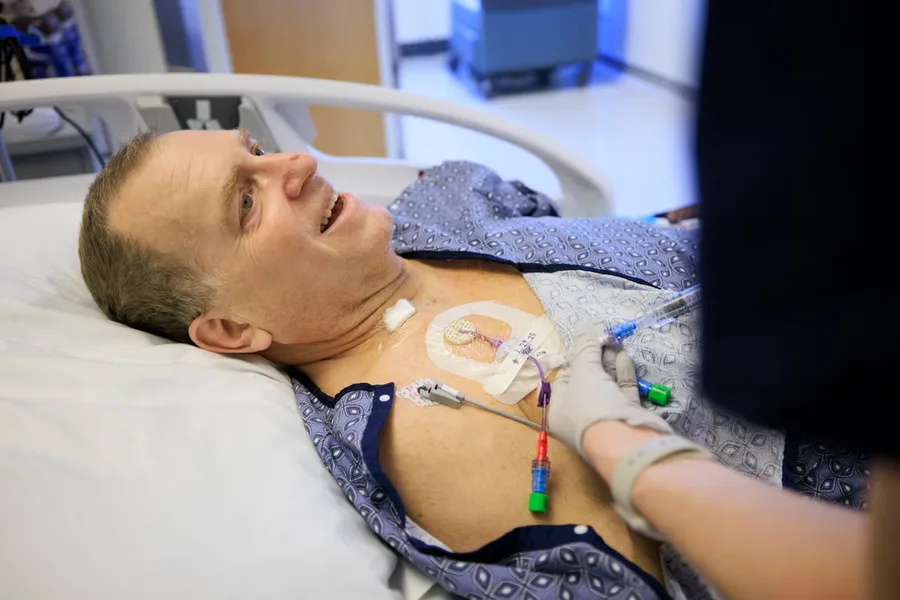
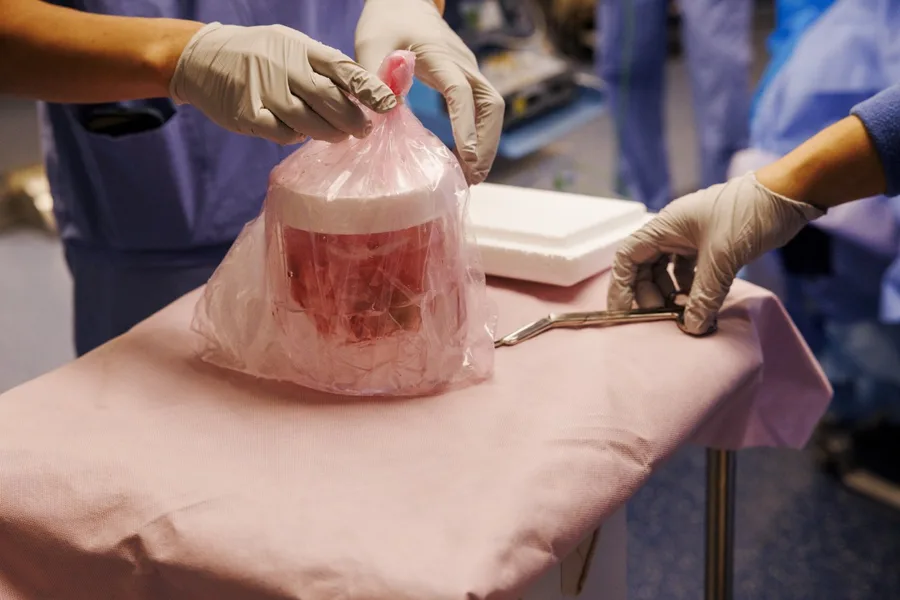
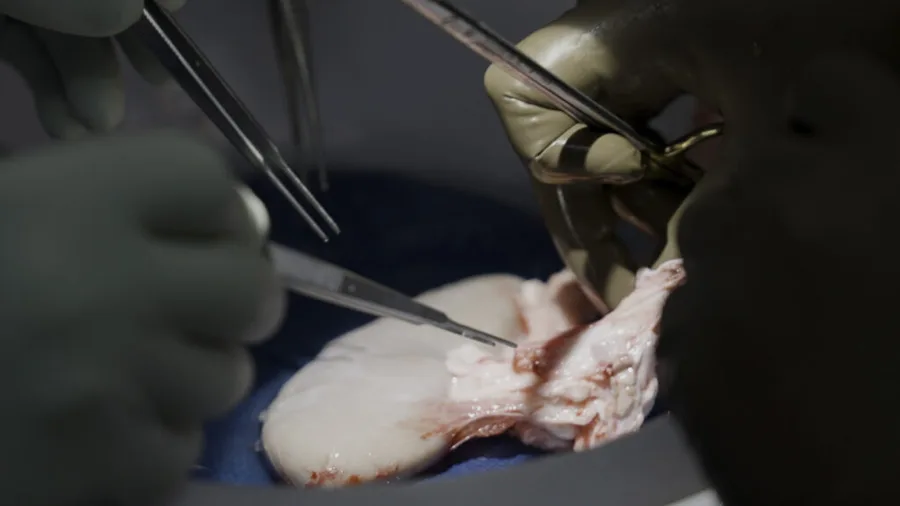
(Nature) – Organs from genetically modified pigs are being used in trials in China and the United States. A 53-year-old clinically dead man has become the first person to receive two kidneys and a whole liver from a genetically modified … Read More
Nature, Published online: 04 June 2026; doi:10.1038/s41586-026-10694-2 Author Correction: Physiology and immunology of a pig-to-human decedent kidney xenotransplant
More adults are surviving both the wait for an organ and transplant surgery, but the number of people who need transplants continues to exceed the number of organs available, especially for kidneys, according to a national analysis published in the Journal of the American College of Surgeons (JACS).
A pioneering clinical trial has successfully enabled three patients with end-stage kidney disease to receive previously improbable kidney transplants.

More adults are surviving both the wait for an organ and transplant surgery, but the number of people who need transplants continues to exceed the number of organs available, especially for kidneys, according to a national analysis published in the Journal of the American College of Surgeons.
Nature, Published online: 03 June 2026; doi:10.1038/d41586-026-01761-9 They had ‘highly sensitized’ immune systems that usually reject donated organs, leaving them with few options for survival.
A pioneering clinical trial has successfully enabled two patients with end-stage kidney disease to receive previously improbable kidney transplants. These individuals were considered among the most difficult in the nation to match with a compatible donor kidney due to harmful antibodies they had developed ("sensitized"). Researchers at the University of Pennsylvania (Penn) used chimeric antigen r…

The transplanted pig organs functioned for 36 hours before showing signs of rejection

Nature, Published online: 29 May 2026; doi:10.1038/d41586-026-01708-0 Organs from genetically modified pigs are being used in trials in China and the US.
After nearly two decades of life-threatening illness, repeated complications, and organ failure, 33-year-old Briana Dery of Twining, Mich., is looking ahead to a healthy future, after successfully undergoing one of the rarest and most complex procedures in modern medicine.
Steatotic donor livers are highly susceptible to post-transplant dysfunction; however, the underlying mechanisms remain incompletely understood.
ObjectiveIn recent years, fecal microbiota transplantation (FMT) has been increasingly investigated for the prevention and treatment of acute graft-versus-host disease (aGVHD). Nevertheless, its clinical efficacy remains uncertain. Therefore, this study aims to systematically evaluate the clinical efficacy of FMT in preventing and treating aGVHD.MethodsWe systematically searched Cochrane Library,…
A simple blood test could one day replace invasive biopsies for detecting acute cellular rejection (ACR) after lung transplantation, a recent American Journal of Transplantation study finds.

Jasmine Jones, battling cystic fibrosis since infancy, underwent a quadruple-organ transplant at UChicago Medicine. With the help of a new kidney, liver and pair of lungs -- all from the same donor -- the 28-year-old has a new lease on life.
BackgroundTacrolimus shows substantial interindividual pharmacokinetic variability, complicating dose individualization in renal transplantation. The tacrolimus trough concentration-to-dose-to-weight ratio (C0/D/W) has been proposed as a simple surrogate of tacrolimus bioavailability, yet the extent to which pharmacogenetic and clinical factors explain this phenotype in stable adult kidney transp…
Nature Communications, Published online: 11 May 2026; doi:10.1038/s41467-026-73043-x Author Correction: Injured epithelial cell states impact kidney allograft survival after T-cell-mediated rejection

A lucky mother has had the incredible opportunity to hold her late daughter's hand once again, after meeting with the woman who received it in a transplant. Jackie Kirwan, 65, lost Georgie Peterson in August 2025, who lived with a rare brain disorder called periventricular nodular heterotopia (PVNH), causing debilitating seizures. Ms Peterson, from Liverpool, had been on the organ donation regist…
research.ioSign up to keep scrolling
Create your feed subscriptions, save articles, keep scrolling.