Hypophosphatasia, or HPP, is a rare inherited disease that can weaken bones and teeth throughout a person’s life. A new European study shows that many people living with the condition experience persistent pain, fractures and other serious health problems, yet very few receive the only approved treatment designed specifically for the disease. The research examined […] The post Rare Bone Disease L…
A comprehensive review is shedding new light on Fabry disease, a rare inherited disorder that can progressively damage multiple organs and significantly affect quality of life.
Purpose The vast majority of rare diseases (RDs) are complex, disabling, and life-threatening conditions with a genetic origin. RD patients face significant health challenges and limited treatments, yet the extent of their impact within health care is not well known. One direct method to gauge the disease burden of RDs is their overall cost and utilization within health-care systems. Methods The …
ObjectiveChina released two batches of the Rare Disease Catalog in 2018 and 2023, respectively, listing a total of 207 diseases. This study aims to analyze the accessibility of medications for diseases included in the catalog and assess the impact of drug regulatory reforms on the supply of medications for rare diseases.MethodsThis study compiled five categories of information on drugs for 207 ra…
On the occasion of Rare Disease Day, the GRIN Europe patients association is highlighting the emotional, societal and clinical implications of living with a rare GRIN disease and calls for cross-disease and interdisciplinary collaborations across national borders and medical specialties.
What to know about homocystinuria
Homocystinuria, an inherited disorder, is a rare metabolic condition that impacts 1 in 335,000 people worldwide and is present from birth. Often abbreviated as HCU or HCY, homocystinuria is a genetic disorder that inhibits the body from processing certain amino acids found in proteins, causing a harmful buildup of homocysteine and methionine.
As a result of this …
How are iGEM Teams Using Synthetic Biology for Tackling Rare Diseases | Rare Diseases Day 2024
This article is written by Neha Suresh, the Project Head for SynBio for Rare Diseases (currently recruiting project members)
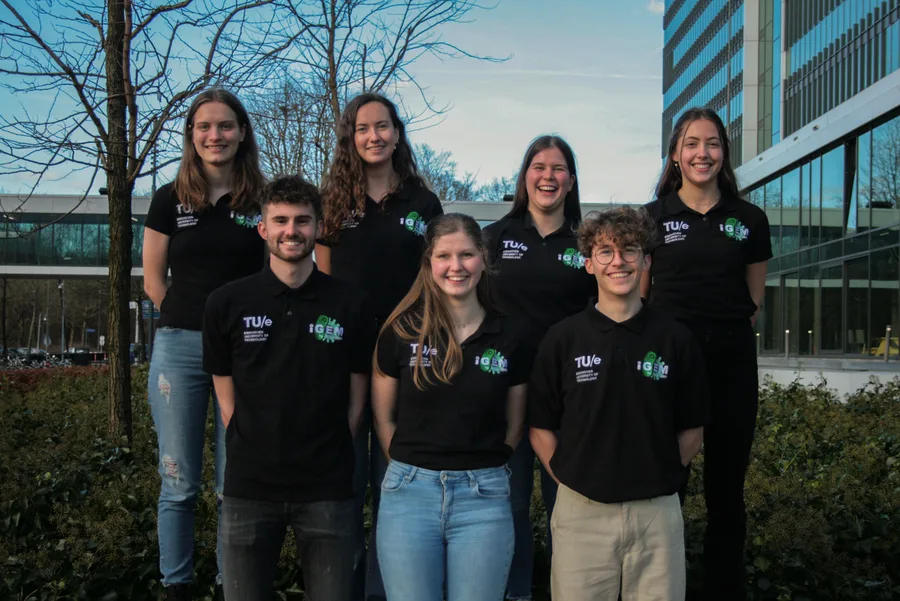
iGEM Teams covered in this article: Florida State University iGEM 2023, Massachusetts Institute of Technology: iGEM 2021, TU-Eindhoven: iGEM 2022
Rare Disease Day is observed on t…
In a groundbreaking development for the treatment of Hereditary Hemorrhagic Telangiectasia (HHT), a rare and life-threatening vascular disorder, nonprofit organization cureHHT has officially launched a Phase II/III clinical trial for […]
Swansea University is set to play a key role in a new platform aimed at bringing together UK strengths in the research of rare diseases to develop better and faster understanding, diagnosis and treatment.
Each year on February 28th we shine a spotlight on rare disease research. There are thousands of rare diseases, and many stem from inheriting a single pathogenic gene. Traditional medicine can make patients comfortable and help ameliorate symptoms, but cannot address the root cause of disease, necessitating lifelong treatment. But exciting new innovations in gene therapy may finally allow researc…