Nature Communications, Published online: 14 September 2026; doi:10.1038/s41467-026-76910-9 Plants trigger reactive oxygen species (ROS) bursts to defend against pathogens. Here the authors report that decrotonylation and relocalization of the rice blast fungus KatG1 protein can activate fungal ROS responses and propose targeting of this pathway in fungicide development.
Nature Communications, Published online: 12 September 2026; doi:10.1038/s41467-026-77608-8 The plant hormone jasmonate undergoes complex enzymatic turnover that shape hormonal dynamics for optimal signaling. Here the authors show that separate enzyme systems catalyze stress induced formation of 11-OH- and 12-OH-jasmonic acid.
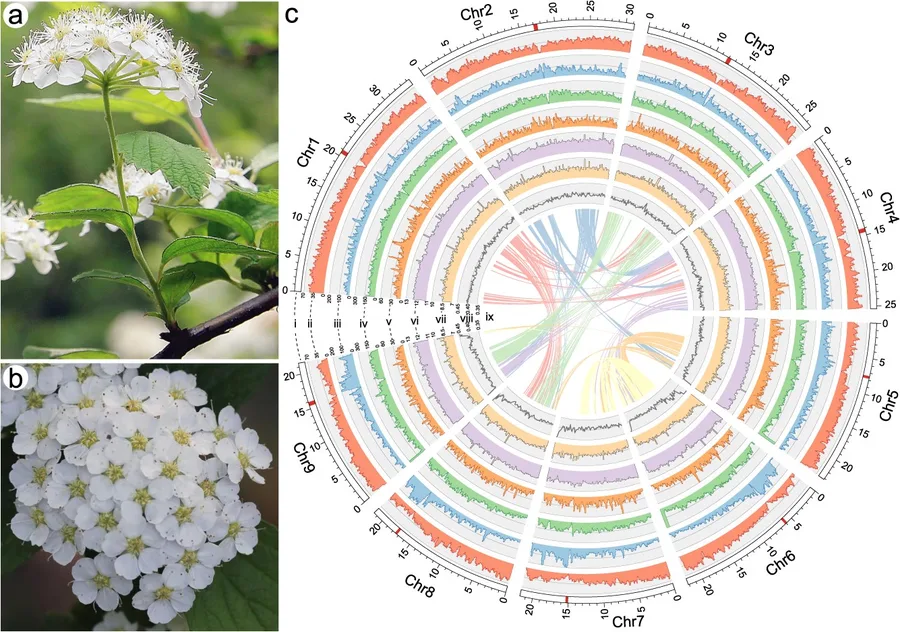
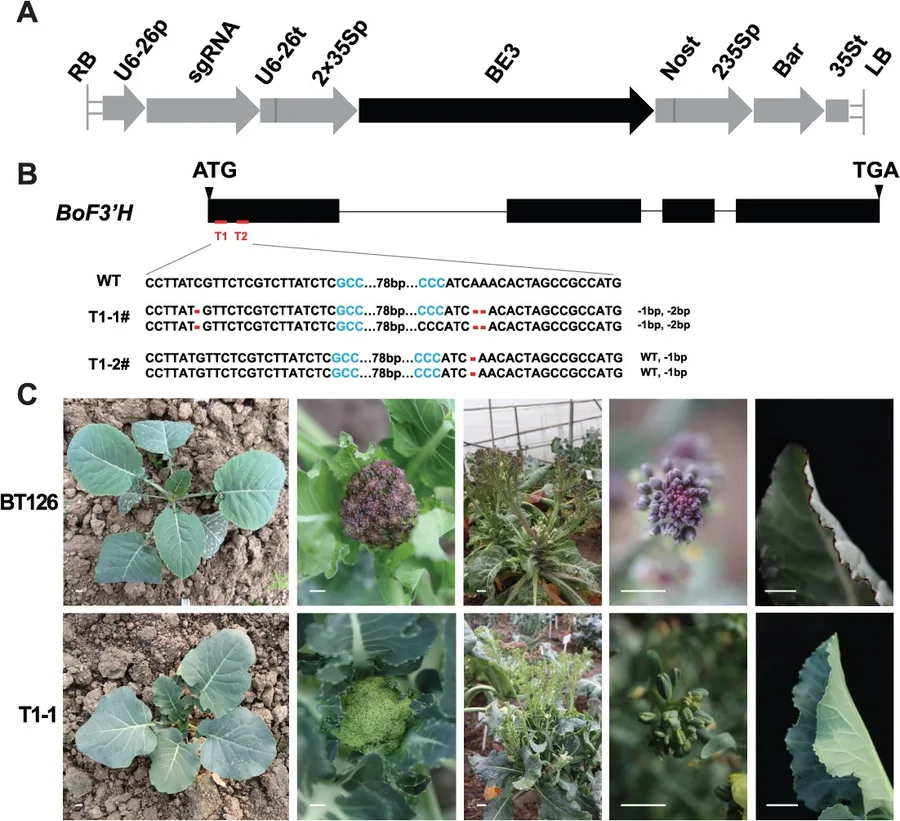
A research team has produced the first gap-free, telomere-to-telomere (T2T) reference genome for broccoli and used it to uncover a major genetic switch behind purple bud coloration. The assembly closes longstanding gaps across all nine chromosomes, giving researchers a clearer view of regions that were previously difficult to resolve. Guided by this complete map, the team identified BoF3'H as a k…
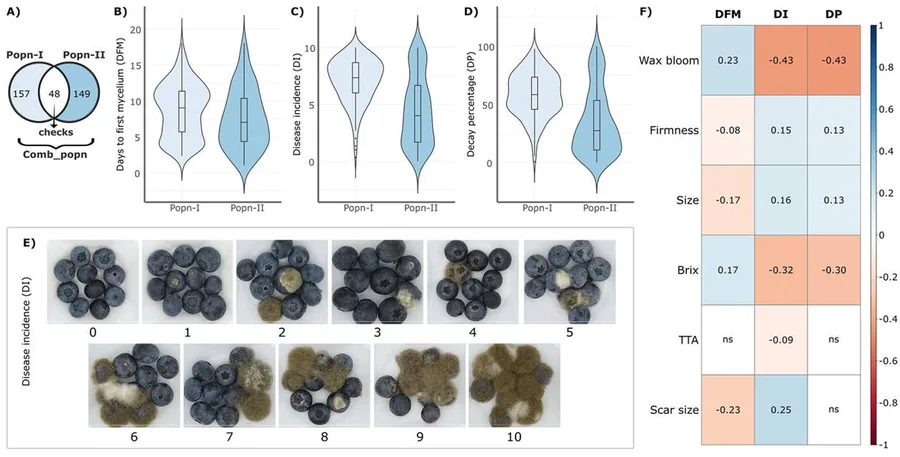
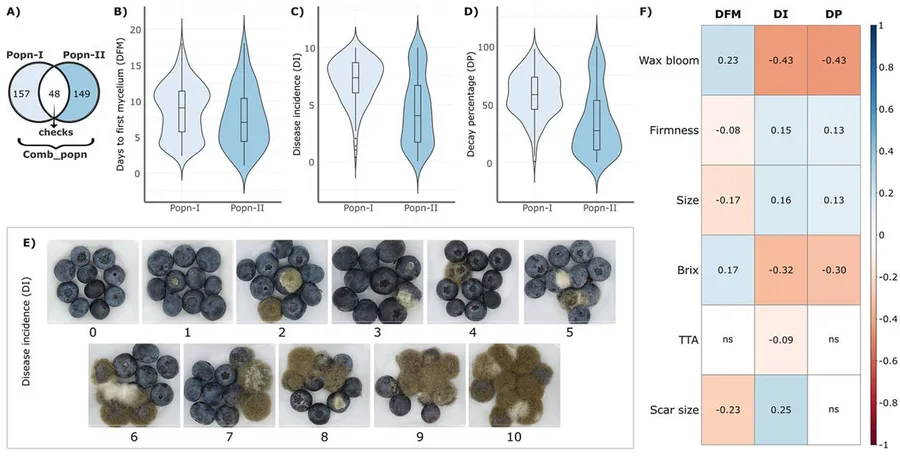
Gray mold can quietly follow blueberries from the field into storage, turning healthy-looking fruit into postharvest losses and narrowing the window for long-distance marketing. A new integrative study shows that resistance to Botrytis cinerea fruit rot is not controlled by a single genetic switch, but by many small genomic effects and early immune responses that help fruit hold the pathogen back.
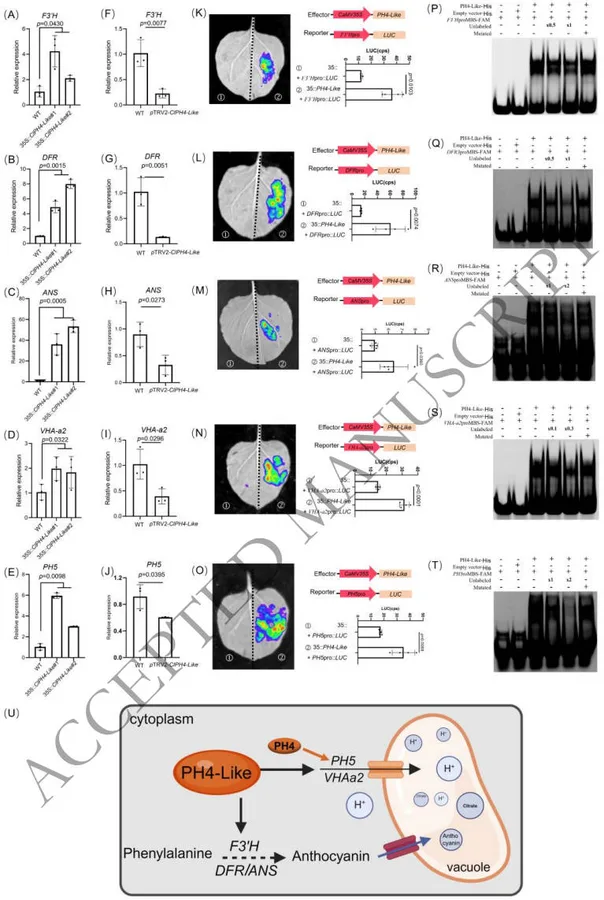
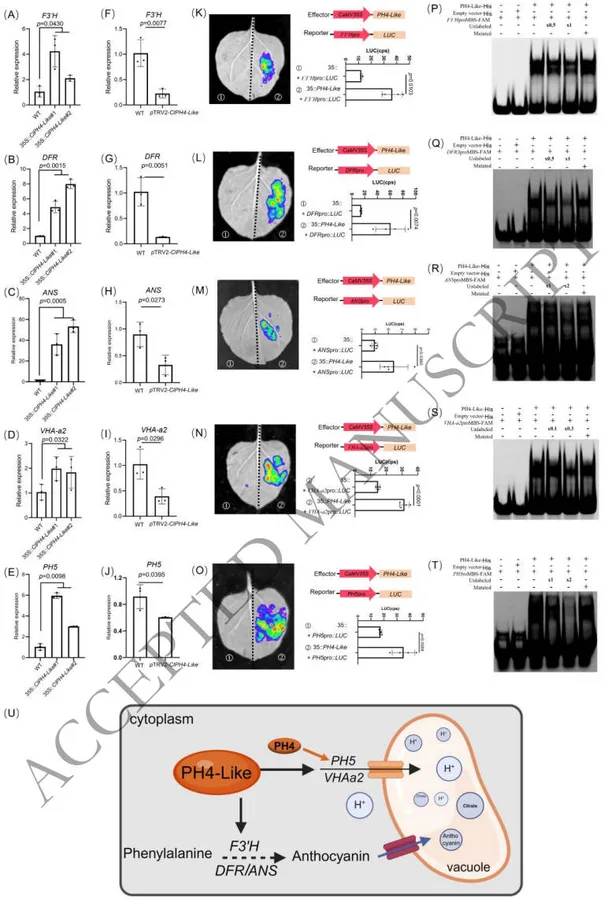
For the first time, researchers have discovered a single gene that simultaneously controls both the sourness and the colour of citrus fruit. The study identifies a transcription factor called PH4‑Like in the purple wampee, a rare citrus relative, that independently regulates the accumulation of citric acid--which gives fruit its tangy flavour--and anthocyanins, the pigments responsible for red, p…


 research.io