Nature Communications, Published online: 25 August 2026; doi:10.1038/s41467-026-77249-x Understanding how microbes survive in the crushing pressure and nutrient-poor conditions of the deepest ocean has remained a major challenge. This study reveals that Kermadec Trench microbes thrive by recycling organic matter and flexibly switching energy-generation pathways.
In viticulture, where yield and quality hinge on early and accurate disease detection, the reliability of computer vision systems has become a cornerstone of modern diagnostics. Yet a new study from a single author reveals a systemic flaw in one of t
Thriving in the freezing polar seas forces organisms, in particular the unicellular ones directly exposed to the extracellular environment, to adaptively modify the lipid composition of their cellular membranes in function of maintaining an appropriate degree of fluidity. To seek into these modifications, we carried out a comparative analysis of the membrane lipid composition in four marine speci…
an ambitious attempt at closed-loop living exposed the fragile relationships between ecosystems, infrastructure, and the people who depend on them. The post biosphere 2: what happens when humans try to recreate earth? appeared first on designboom | architecture & design magazine .
[Nature Communications] Focusing on the well-established angiocrine Wnt signaling-regulated liver metabolic zonation paradigm, researchers identified blood flow-induced hemodynamic stress as a biophysical sensor that governs the angiocrine expression profile of liver sinusoidal endothelial cells.
Nature Communications, Published online: 24 August 2026; doi:10.1038/s41467-026-76817-5 The role of B cells in vascular cognitive impairment is unclear. Here, the authors show a crosstalk between CNS border-associated B cells and parenchymal microglia, through MIFCD74/CXCR4 and IgG signaling, exacerbating white matter injury.
The conservationist Harry Green was a naturalist of the amateur school, with an encyclopedic knowledge of British wildlife based on a lifetime in the field. Though born and brought up in Oxfordshire, he spent the whole of his adult life in his adopted county of Worcestershire. Harry, who has died aged 92, remembered being kept awake during the second world war by calling corncrakes in the meadows…
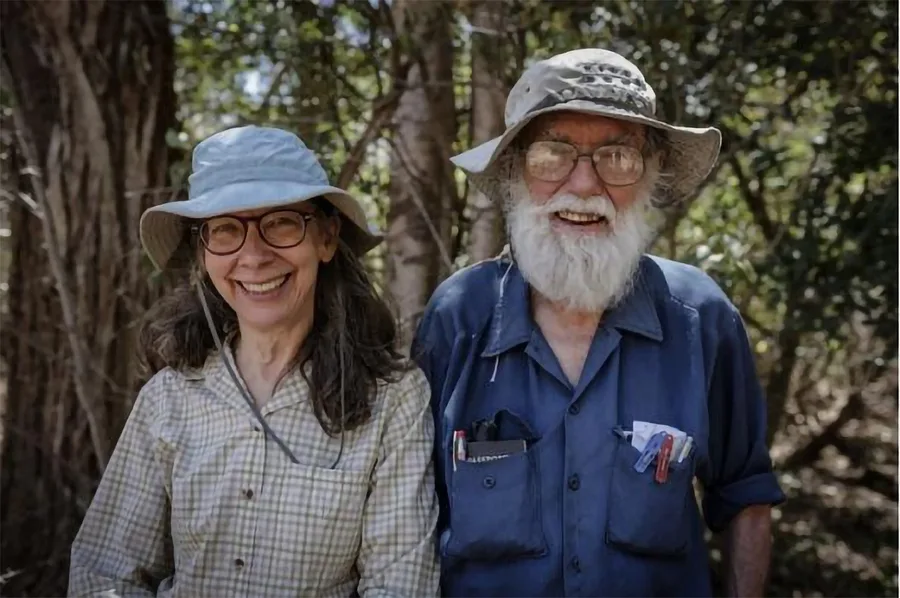
I started working on a piece about Dan Janzen in 2022. I had long known his work, both the scientific and conservation sides. But as I became more aware of how the scope of that work expanded over the course of his career, I came to understand more fully his legacy, as well as the [Continue reading] The post Dan Janzen and Winnie Hallwachs: the ecologists who helped bring back Guanacaste’s dry fo…
Scientific Reports, Published online: 24 August 2026; doi:10.1038/s41598-026-65572-8 The addition of either soybean protein isolate or lysine to the diet of Drosophila melanogaster affects viability and position-effect variegation
Researchers from University of California San Diego and University of California, Berkeley have found that certain landscapes surrounding California communities are associated with differing rates of Valley fever, a fungal respiratory infection caused by inhaling spores carried in windblown dust.
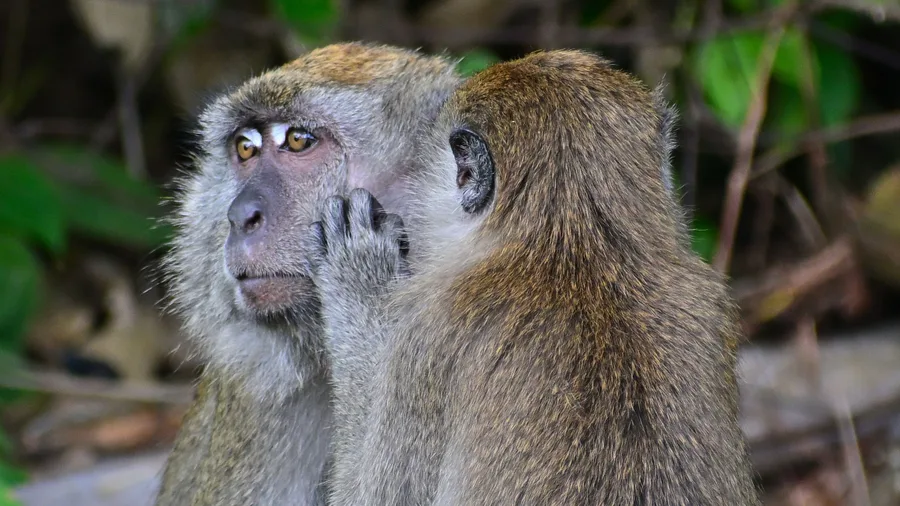
A 491-species comparison links documented same-sex sexual behavior in primates with ecological pressure, long life histories and complex social systems, while leaving substantial room for underreporting and multiple evolutionary mechanisms.
Common medications may reshape the gut microbiome long after the last dose is taken. In a study of more than 2,500 people, researchers found lasting microbial changes linked not only to antibiotics, but also to antidepressants, beta-blockers, acid-reducing drugs, and benzodiazepines. Some effects were still detectable years later, suggesting past medication use may strongly influence the gut bact…
Backyard bird feeders could become unexpected hotspots for H5N1 as Australia’s bird flu outbreak spreads, bringing species together in ways that rarely occur naturally. Experts say stopping feeding is safest, while smaller amounts of food, no hand-feeding, and careful cleaning can reduce the danger.




 research.io