[US FDA] The US FDA approved Rasonque (daraxonrasib), a RAS inhibitor for the most common form of pancreatic cancer—delivering a new treatment option to patients with advanced pancreatic cancer months ahead of schedule.
[BeOne Medicines] The FDA has approved BeOne Medicines's TEVIMBRA ® (tislelizumab) in combination with ZIIHERA ® (zanidatamab) and chemotherapy for the first-line treatment of adult patients with HER2-positive (HER2+) gastric, gastroesophageal junction, or esophageal adenocarcinoma (GEA).
Nature Medicine, Published online: 03 September 2026; doi:10.1038/d41591-026-00045-z The first approved PROTAC for breast cancer validated the idea that medicines can work by bringing proteins together rather than by simply blocking them. Now, a new generation of proximity-based therapies is pushing that principle further.
By SME WHO? Failure has an image problem in the life sciences. Founders don’t talk about it, scientists spend years trying to prevent it, and boards and investors rarely celebrate it publicly. But some of the most valuable outcomes in drug development are the ones that reveal, quickly and conclusively, that a program, hypothesis, or strategy is unlikely to create ... Read More The post Failure Is…
The concept of targeted therapeutics is often traced back to German Nobel laureate Paul Ehrlich’s “magic bullet” in 1907, which envisioned a single entity that could both recognize a disease target and deliver a therapeutic effect specifically to it. This vision laid the conceptual foundation for modern conjugate drugs that followed. The first major success in […] The post How AOCs are advancing…
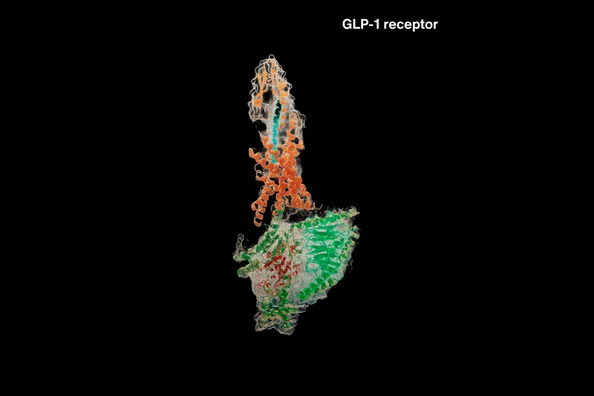
Peptide medicines have already transformed healthcare. Drugs such as insulin and GLP-1 therapies have shown how powerful peptides can be, but many naturally occurring peptides break down too quickly in the body to become effective treatments. Scientists are now exploring new ways to overcome those limitations.
To develop new targeted treatments for cancer, scientists need tissue models that accurately represent the genetic and molecular traits of the cancer they're studying.
Researchers at Baylor College of Medicine have developed a drug called CS18 that disrupts the ability of cancer cells to survive therapy. The findings, published in Science Advances, support exploring the possibility of using CS18 to treat human cancer in the future.
Seattle biotech startup Accipiter Bio has raised an additional $10.5 million from existing investors to accelerate its work on AI-designed, multi-target protein therapeutics. Fueled by faster-than-expected progress, the company plans to use the new capital to expand its team and double its roster of clinical-stage drug candidates, with a growing focus on immunology. Read More
One of the hallmarks of Alzheimer's disease is the accumulation of a peptide in the brain known as amyloid beta. A new Nature Communications study published July 22 has uncovered the atomic structure of the peptide when it's damaging to the brain.
(Axios) – Artificial intelligence is dramatically speeding up drug development — and a proprietary survey shows how it’s priming a bigger automation push that’s changing the trajectory of early stage pharma research. Why it matters: The TD Cowen survey of … Read More
Samsung Biologics announced the launch of an all-cash public tender offer to acquire 100% of the fully diluted share capital of PolyPeptide Group AG, a leading global contract development and manufacturing organization (CDMO) specializing in peptide-based active pharmaceutical ingredients (APIs).
Un...
Inflammation is the body’s natural defense against infection and injury, but when it continues for months or years it can contribute to many serious illnesses. Chronic inflammation has been linked to inflammatory bowel disease, heart disease, type 2 diabetes, and some cancers. Because the gut plays a major role in controlling inflammation throughout the body, […] The post Scientists Turn Oysters …
Nature Reviews Drug Discovery, Published online: 13 July 2026; doi:10.1038/s41573-026-01481-9 Simulation-guided clinical trial design can enable identification of the optimal design to bring safe and effective therapies to patients as efficiently as possible, and it is particularly useful when exploring innovative strategies such as adaptive designs and master protocols. This Perspective discusse…
The transition from animal-based experimentation toward New Approach Methodologies (NAMs) requires not only technological innovation but also regulatory frameworks that enable evidence-based decision-making. We discuss how the European Medicines Agency’s evolving strategy for regulatory acceptance of NAMs, combined with the ICH M15 guideline on Model-Informed Drug Development (MIDD), can support …
Lucera GmbH, a TechBio company utilizing its proprietary technology to transform pharmaceutical R&D and enhance development efficacy and efficiency through unique decision intelligence, announced the launch of its operations. The newly formed corporation is funded by a consortium of institutional an...
Researchers at the University of Kentucky are exploring an unusual new idea that could eventually change how alcohol withdrawal is treated. A drug first designed to fight brain inflammation linked to dementia may also help reduce the harmful inflammation caused by alcohol withdrawal. The findings come from a new study published in the journal Alcohol. […] The post Scientists Test Alzheimer’s Drug…
The resolution revolution in cryo-electron microscopy had reached broad recognition by 2015, when Nature Methods hailed it the method of the year and declared an end to “blob-ology,” a term structural biologist Helen Saibil recalls crystallographers once used to dismiss EM’s then low-resolution imaging. In the decade since, pharma companies have moved from cautious exploration… The post Thermo Fi…





 research.io