Digital Geography

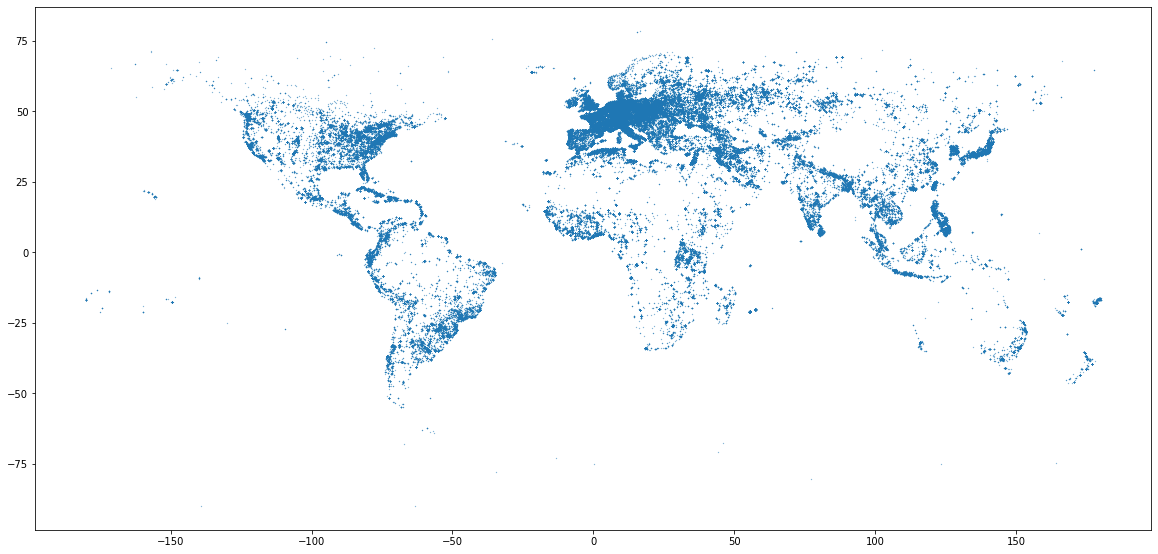
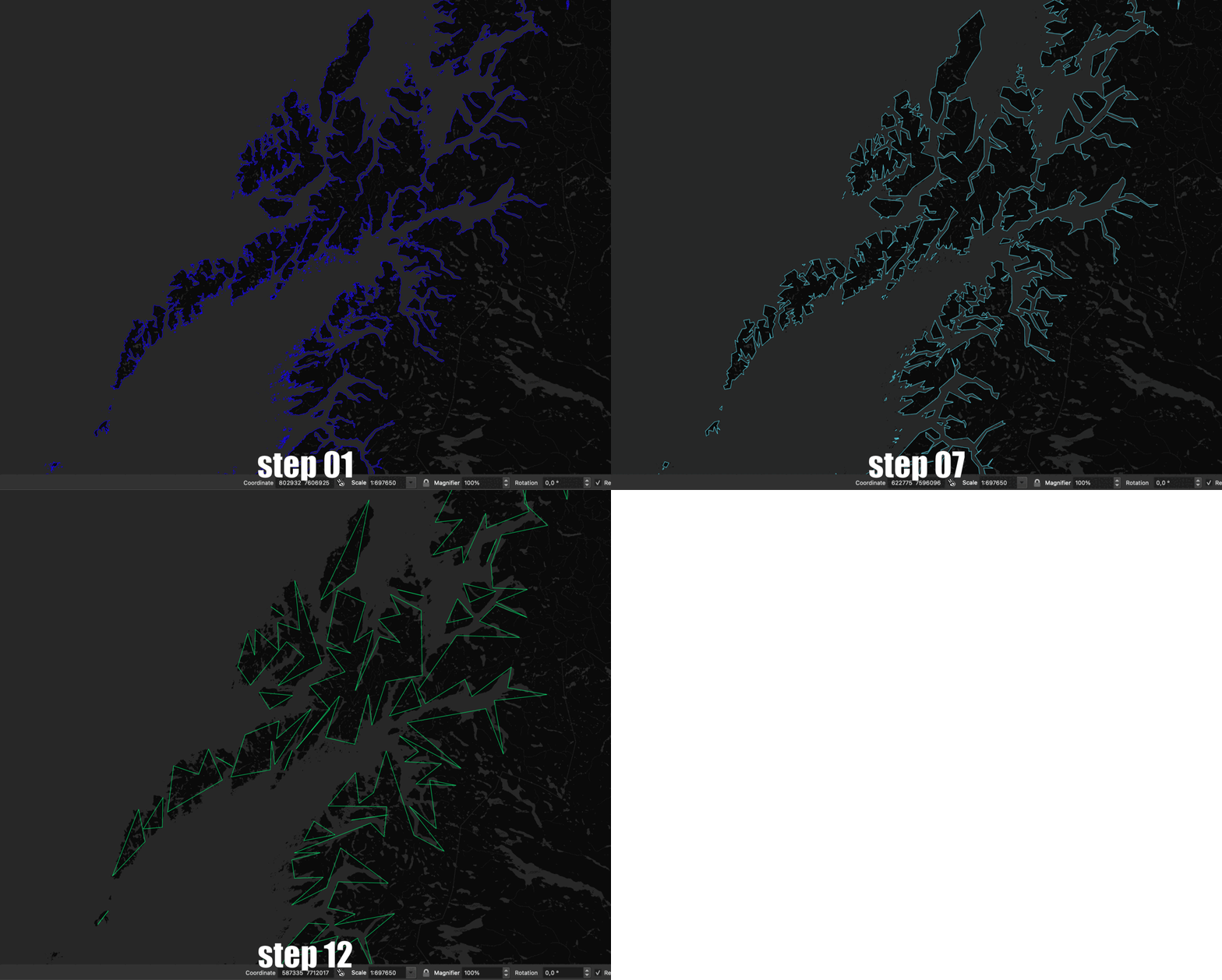
For todays 30dayMapChallenge: Process I was processing a coastline dataset for Norway, trying to find out about the fractal dimension. osmdata.openstreetmap.de has a nice extract of this here:… The post Fractal dimensions or how to generalize geometries in Python and how it affects data appeared first on Digital Geography .

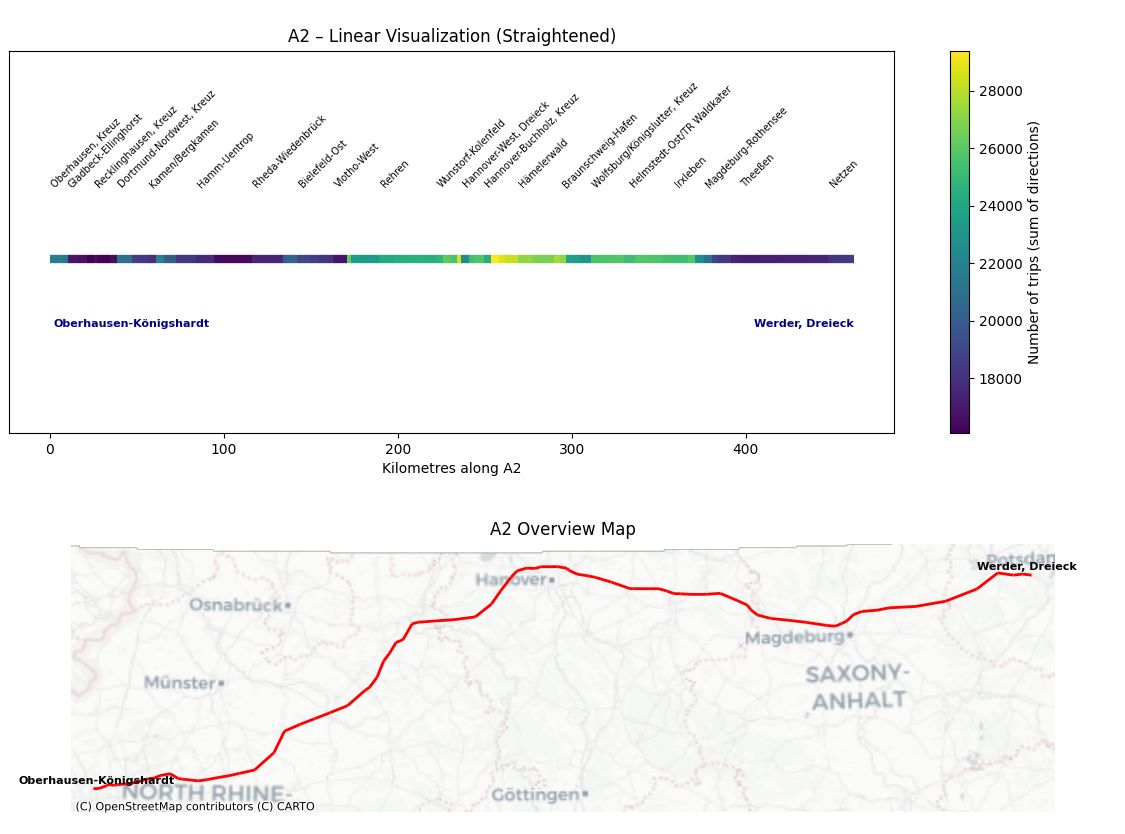
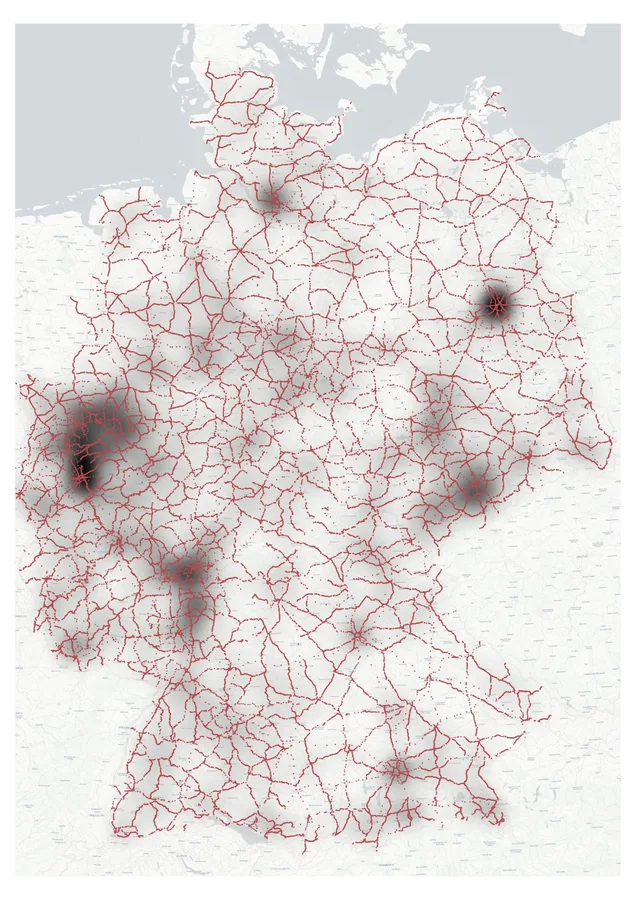
Day 2 of the 30daymapchallenge focused on cleaning and preparing the A2 motorway data before creating a straightened schematic line. Raw geospatial data is rarely perfect, and getting… The post Map Challenge – Day 2 (lines): Straightening the A2 appeared first on Digital Geography .

For this year’s #30DayMapChallenge day one points, I wanted to do something lightweight:just take one of those never-ending Excel tables that everyone in GIS seems to have lying… The post 🗺️ Turning a Simple Excel Table into a Map — My #30DayMapChallenge Story appeared first on Digital Geography .

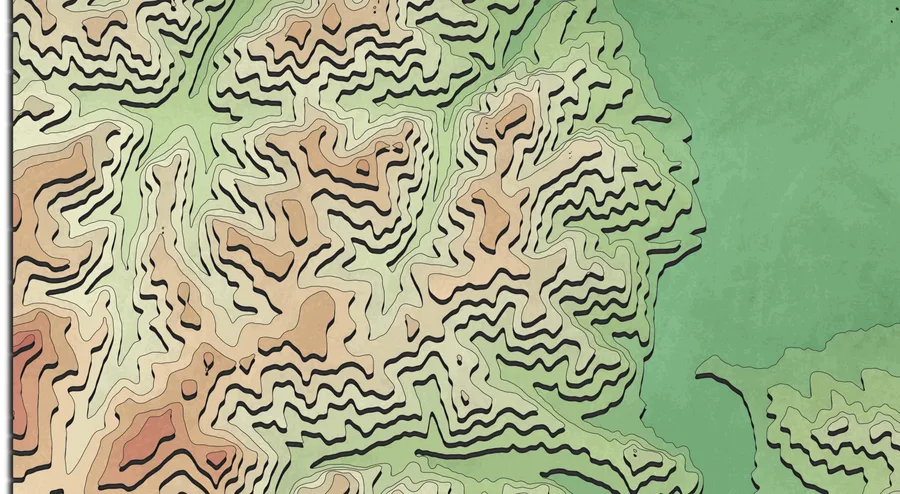
John Nelson did it again and amazed us by recreating AI topographic images with ArcGIS Pro. He showed the process in his latest youtube video. You may ask… The post Create Pseudo 3D Topographies in QGIS appeared first on Digital Geography .

computer-sciencegis

Basemaps are a web cartographers best friend, aren’t they. There are plenty of them online, ready to be embedded in your upcoming nice web map application. In this… The post Create your own vector basemaps the easy way appeared first on Digital Geography .

computer-scienceprogramming-languages

Today I wanted to hack together a standalone script using PyQGIS, the QGIS Python bindings, to write a small prototype. I hadn’t written such a standalone script yet,… The post How to use PyQGIS as standalone script on Ubuntu appeared first on Digital Geography .

computer-scienceprogramming-languages

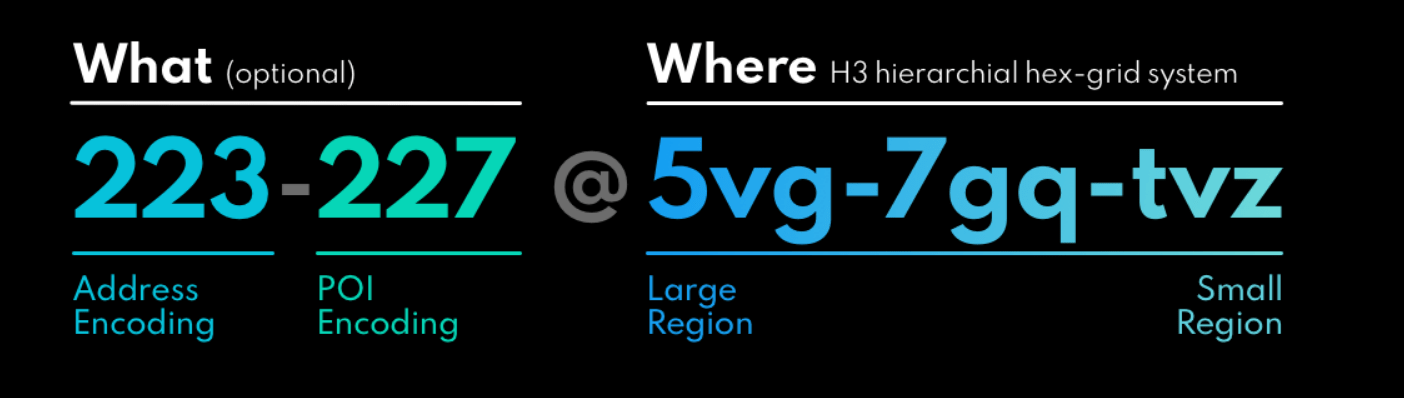
Placekey is a free address and point-of-interest (POI) matching tool that is now integrated with QGIS via the Placekey Connector Plugin. Placekey does the work of address and… The post Joining Data with the Placekey QGIS Plugin appeared first on Digital Geography .

computer-sciencedatabases

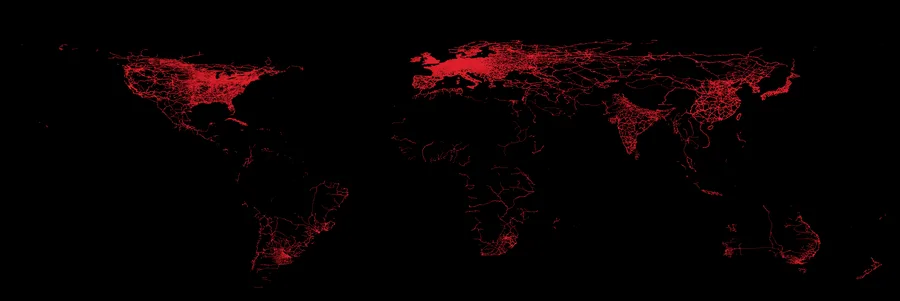
In the summer of 2019 Michael Marz started to extract most important items from OpenStreetMap and published those extracts as geopackages on his webpage. Back then I looked… The post OSM, PostGIS and Docker: an approach for automatic processing appeared first on Digital Geography .

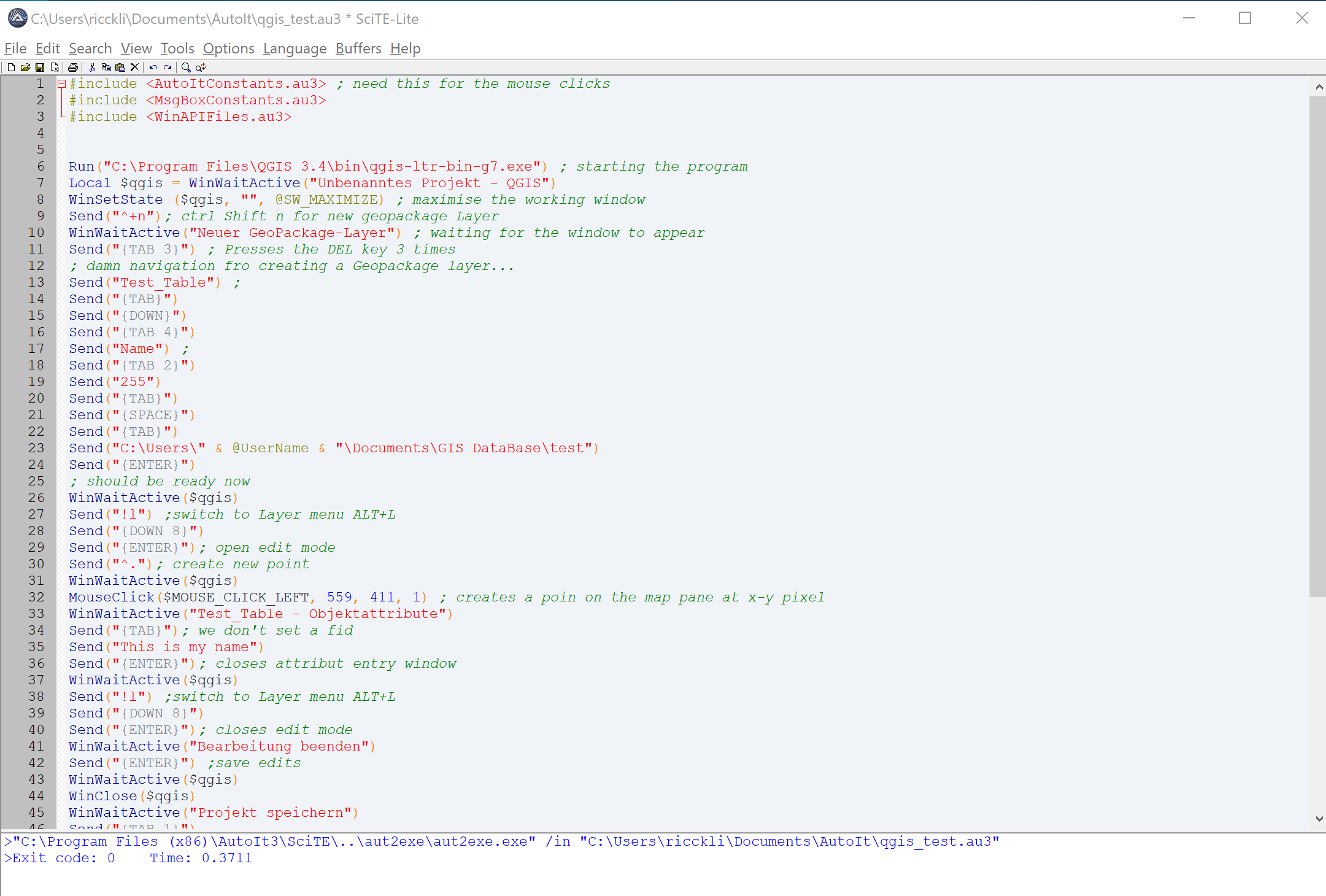
I hate testing! Yet I do understand that it is crucial for a good software solution. As I am often confronted with GUIs, I asked myself how to… The post Automated UI tests with AutoIt for QGIS appeared first on Digital Geography .

computer-sciencesoftware-engineering
Riccardo
12/22/2019

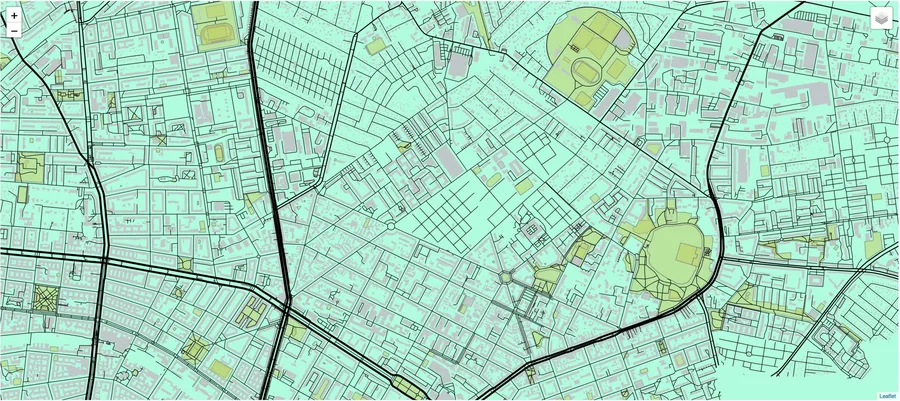
There are plenty of webmapping services out there. The best known might be mapbox, carto, arcgis online, google maps. But what they all share: they do not come… The post qgis2web in the wild appeared first on Digital Geography .

computer-sciencegis

GeoPandas, once installed, supports you with a handfull of GIS functions in your Python notebooks and will leverage your work with geospatial data. But to be honest: this… The post Run GIS functions directly in Python with GeoPandas appeared first on Digital Geography .

computer-scienceprogramming-languages
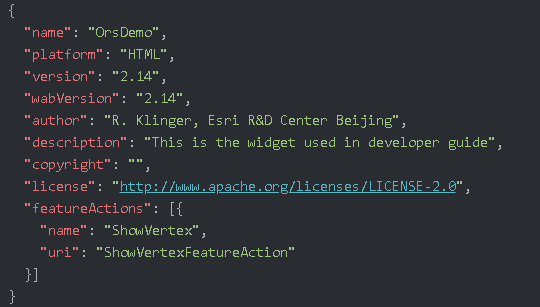
In the recent years I often worked with ArcGIS Portal / Enterprise and fell in love with the idea of writing widgets which I can use in the… The post How to create a custom Web AppBuilder Widget for your Portal with ORS appeared first on Digital Geography .

computer-scienceprogramming-languages
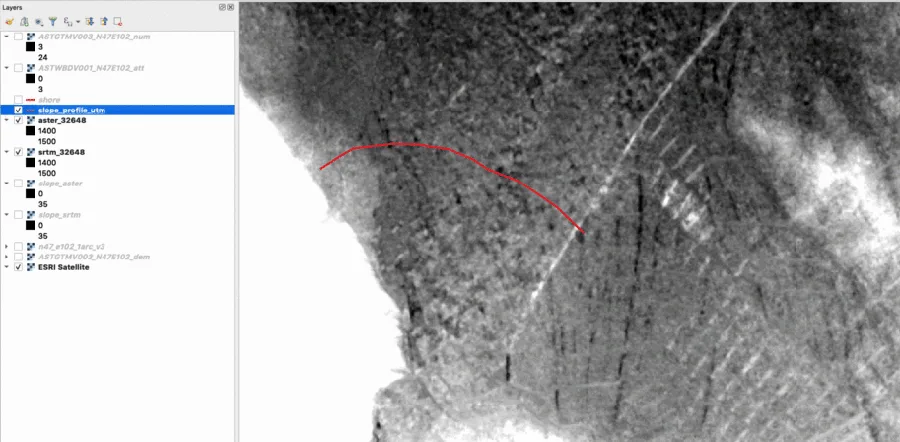
Some time has past since I last wrote a DEM comparison, comparing ALOS World with SRTM 1 and GDEM V2 with SRTM 3. But as NASA and METI… The post GDEM V3 vs SRTM 1: a comparison appeared first on Digital Geography .

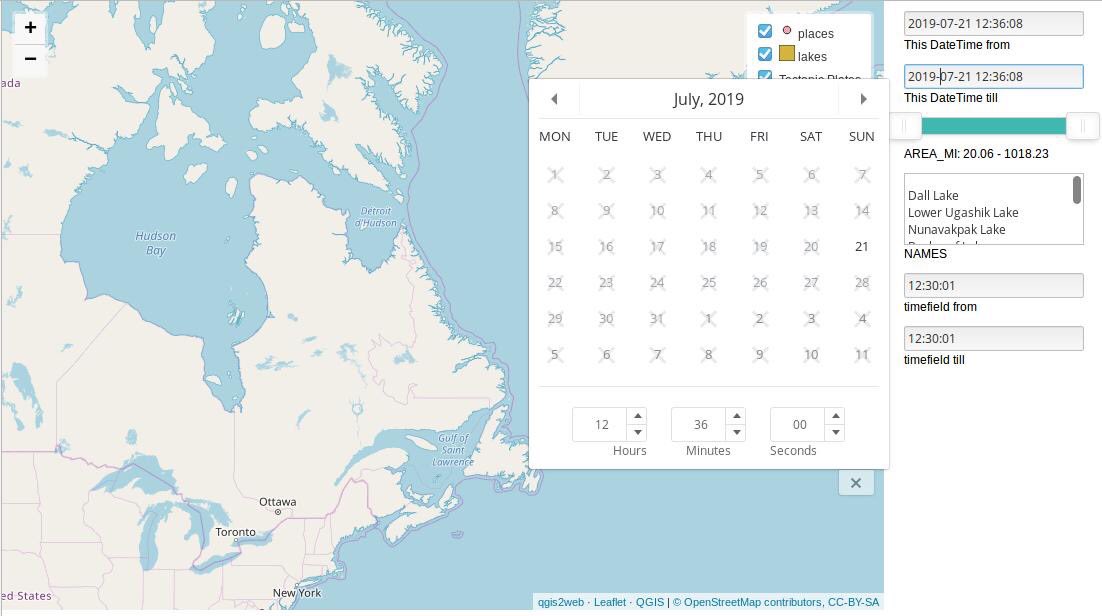
It’s been a while, since I last developed things for qgis2web. To be honest: I lost focus on the whole project after we decided to merge qgis2leaf with… The post QGIS2web with interactive filters appeared first on Digital Geography .

computer-scienceprogramming-languages
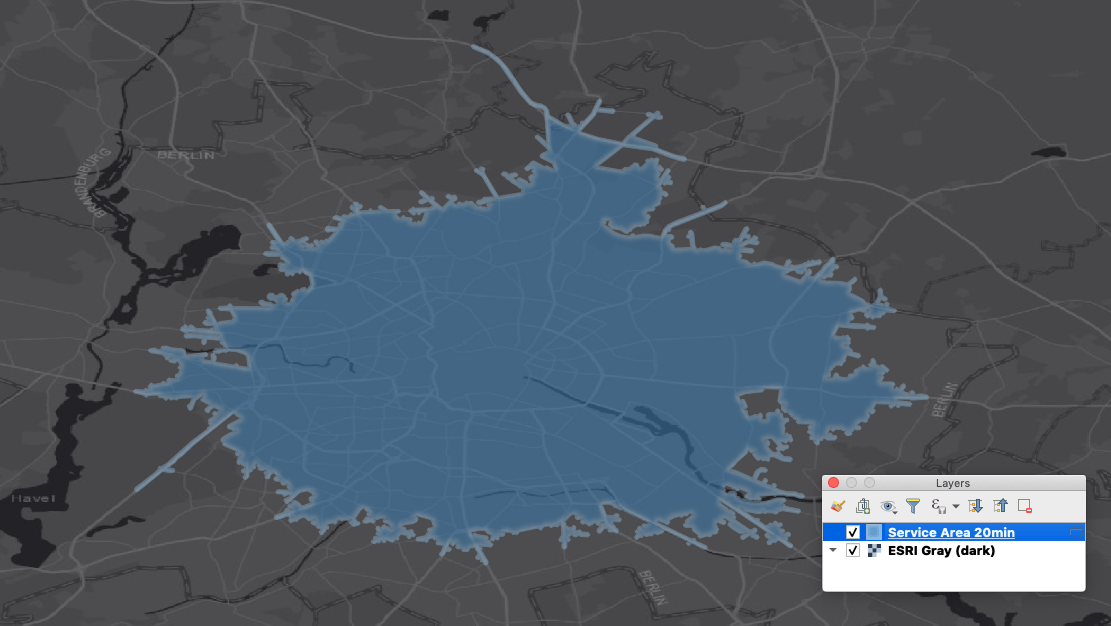
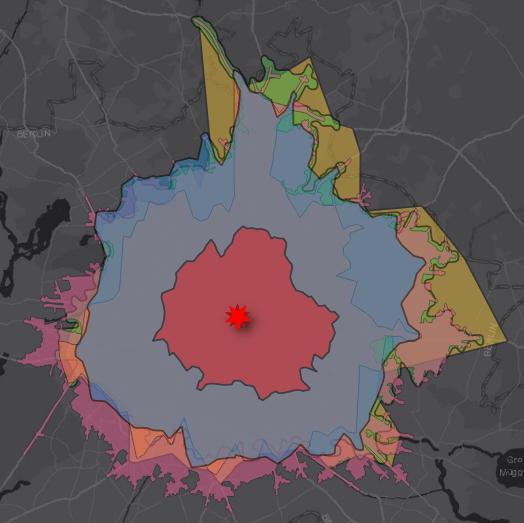
In the past I was working on different plugins to connect with multiple APIs and use their isochrone endpoints in QGIS. Let me summarize some of my findings… The post Comparing Isochrone APIs: an insight into different providers appeared first on Digital Geography .

computer-sciencedatabases

The ArcGIS REST API provides some interesting endpoints which can be used for free with a developer account. But how to do this in QGIS as you might… The post ArcGIS REST API and QGIS: a practical example appeared first on Digital Geography .

computer-sciencegis

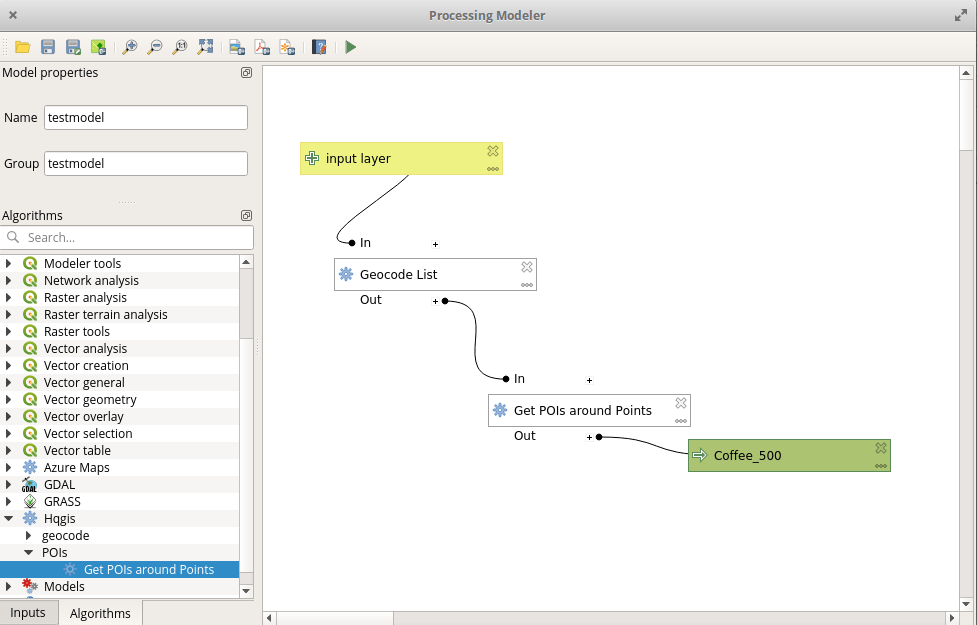
The OSM based QuickOSM plugin offers a great way to download some data from OSM. As an alternative I am developing HQGIS which offers an easy way to… The post Places of Interest in QGIS: HQGIS appeared first on Digital Geography .

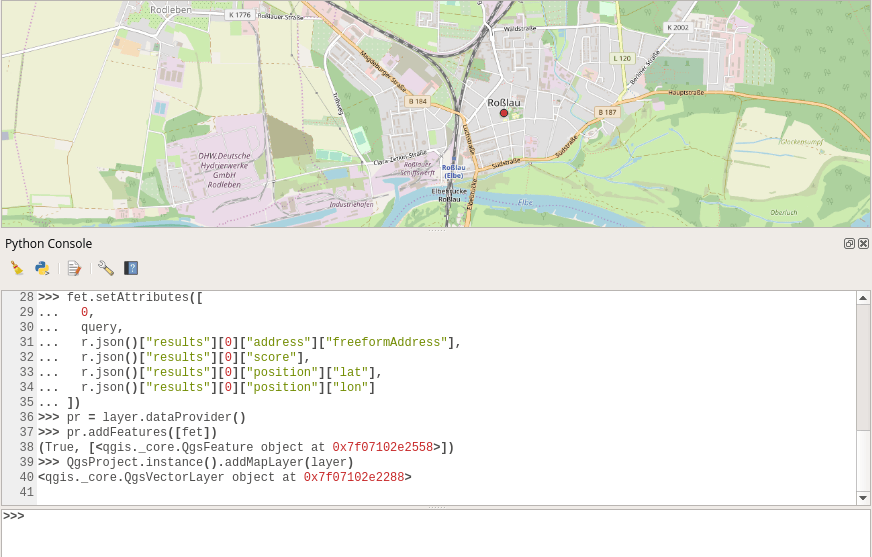
API’s are getting more and more important as some (maybe the majority?) of GIS users don’t want to handle large datasets, don’t want to care about addresses and… The post Geocoding with Microsoft’s Azure Maps appeared first on Digital Geography .

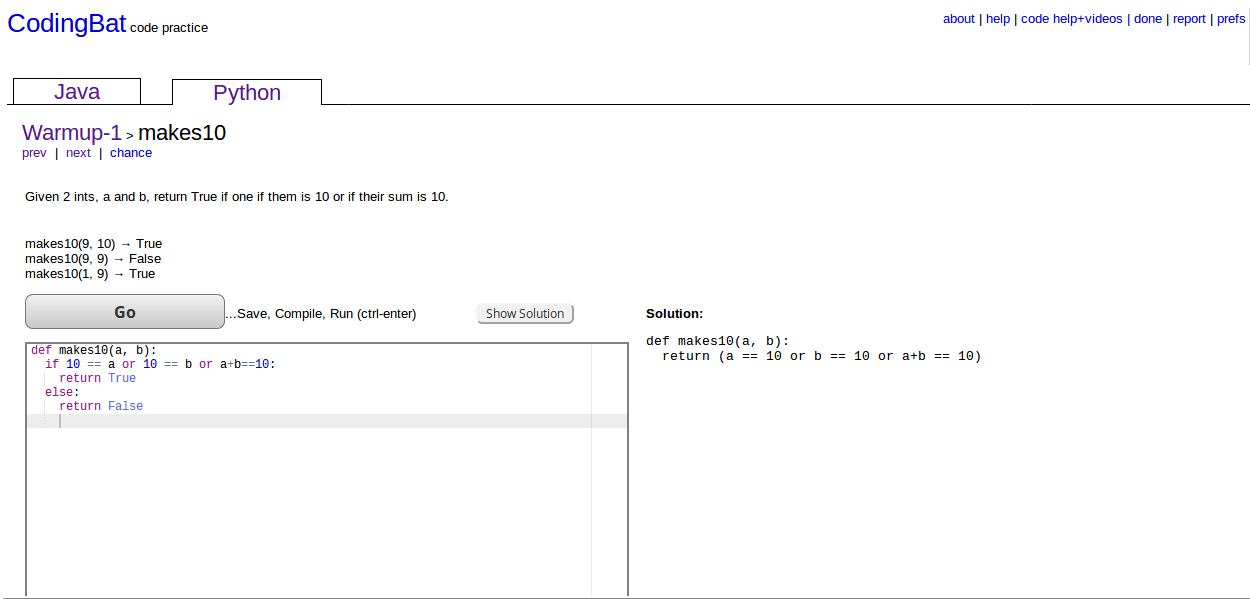
Currently I am trying to improve my coding skills in Python. Of course you can read some books, attend some Udemy course but in the end it boils… The post Short Note: CodingBat or Python, stupid! appeared first on Digital Geography .

computer-scienceprogramming-languages
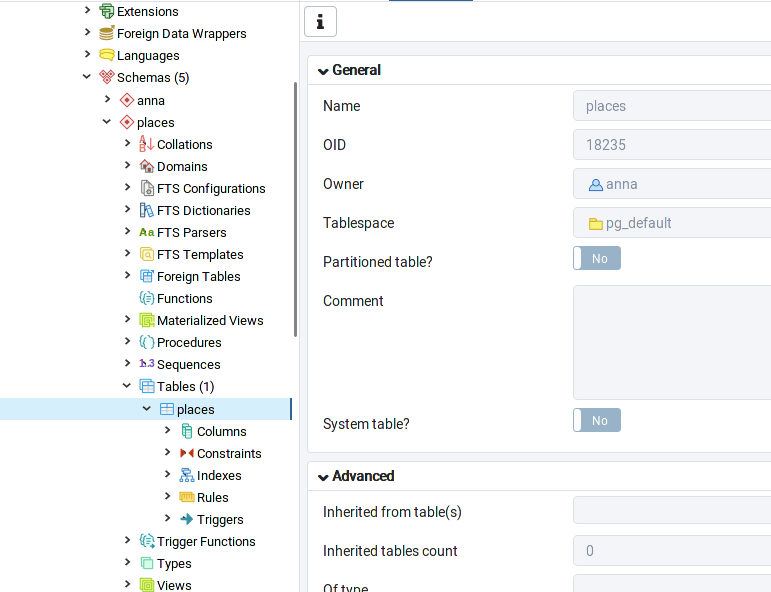
The last days I needed to work with other geoenthusiasts on a PostGIS database. Unfortunately, as you upload a layer from QGIS you will be the owner of… The post Colaborative Working in PostGIS appeared first on Digital Geography .

computer-sciencedatabases
research.ioresearch.io

Sign up to keep scrolling

Create your feed subscriptions, save articles, keep scrolling.

Already have an account?