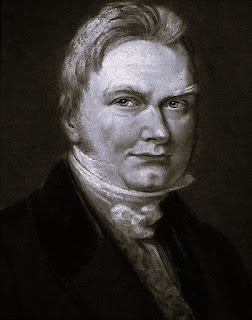
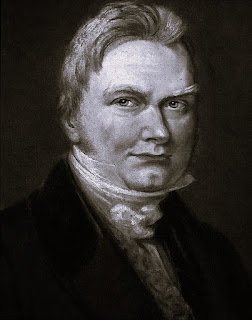
The colorimeter is an important scientific instrument used to measure the concentration of colored substances in a solution by analyzing how much light the solution absorbs. Today, colorimeters are widely used in chemistry, biology, medicine, environmental science, and industry. Their development over more than a century has greatly improved the accuracy and efficiency of chemical analysis. The h…
The history of organic chemistry is a remarkable story of human curiosity and discovery, tracing how our understanding of the substances that make up life has evolved from ancient times to the present day. From early chemical experiments in antiquity to the development of powerful modern tools like spectroscopy and molecular modeling, organic chemistry has shaped countless advances in science, me…
The discovery of glycolysis, a fundamental metabolic pathway, has its roots in the 19th century and represents a pivotal achievement in the history of biochemistry. Glycolysis, which is the process of breaking down glucose into pyruvate, was elucidated through the combined efforts of several pioneering scientists. The journey began with the work of French scientist Louis Pasteur, who, in the 1850…
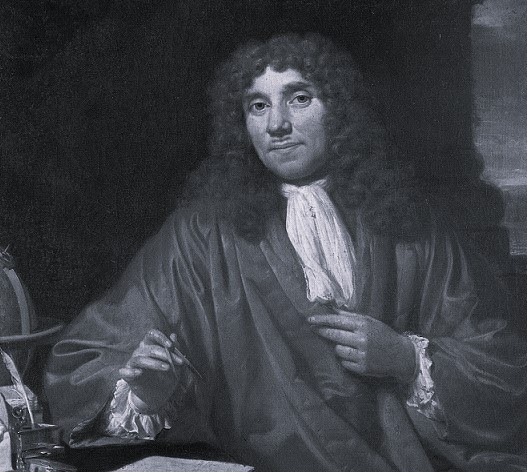
Anton van Leeuwenhoek, often hailed as the "Father of Microbiology," revolutionized science through his pioneering work in microscopy during the 17th century. Born in Delft, Netherlands, in 1632, Leeuwenhoek was a self-taught scientist and tradesman who developed remarkably powerful single-lens microscopes. Some of his instruments were capable of magnifying objects up to 275 times, far surpassing…
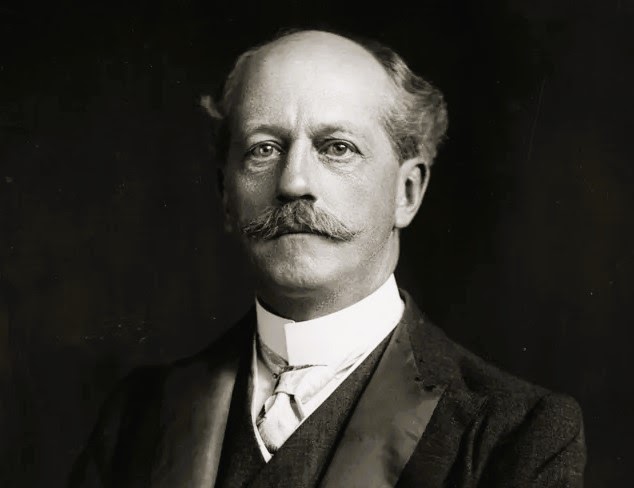
Percival Lowell was a trailblazing American astronomer whose dedication to uncovering a planet beyond Neptune profoundly influenced modern astronomy. Born in 1855 into the distinguished Lowell family of Massachusetts, he cultivated an early passion for science and exploration. This enthusiasm led him to establish the Lowell Observatory in Flagstaff, Arizona, in 1894, an institution that remains v…
The discovery of essential fatty acids (EFAs) by George and Mildred Burr in 1929 was a transformative moment in nutritional science. Before their groundbreaking work, dietary fats were seen primarily as a source of energy, largely interchangeable with carbohydrates. The Burrs’ meticulous research demonstrated otherwise, revealing that certain fatty acids were indispensable for health. Using rats …
The history of electromagnetic pulses (EMPs) is a story of scientific discovery intertwined with military innovation and the challenges of modern technology. An EMP is a short burst of electromagnetic energy caused by a rapid acceleration of charged particles, capable of disrupting or damaging electronic systems and infrastructure. The understanding of EMPs evolved significantly over the 20th cen…
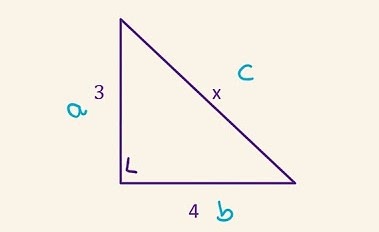
Around 2000 BC, ancient Babylon and Egypt made significant contributions to mathematics with their recognition of Pythagorean triples. These sets of three positive integers ( a , b , c ) (a, b, c) satisfy the equation a 2 + b 2 = c 2 a^2 + b^2 = c^2 , encapsulating the foundational concept of the Pythagorean theorem. This theorem, critical in geometry, states that in a right-angled triangle, the …
Beriberi is a disease stemming from a deficiency in thiamine (vitamin B1), a nutrient crucial for energy production through carbohydrate metabolism and proper nerve function. Without sufficient thiamine, the body cannot convert carbohydrates into energy effectively, leading to nerve and heart damage. The history of beriberi is interwoven with the broader discovery of vitamins, underscoring the re…
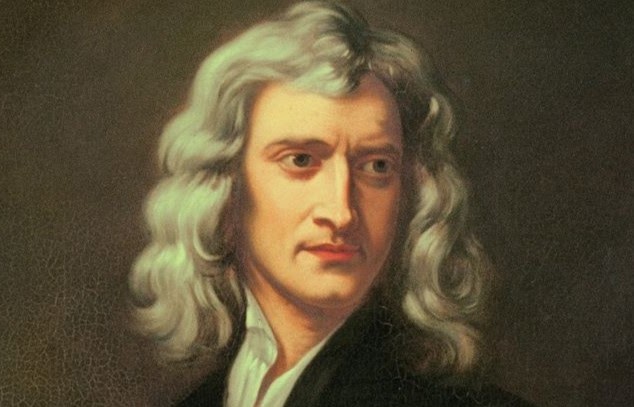
In 1687, Sir Isaac Newton published Philosophiæ Naturalis Principia Mathematica , or the Principia , marking a turning point in scientific thought. This monumental work introduced Newton’s three Laws of Motion, which became the foundation of classical mechanics and reshaped our understanding of the physical universe. Newton's First Law, or the Law of Inertia, states that an object will remain at …
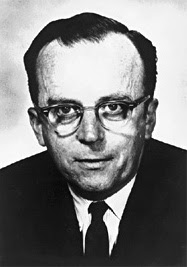
Joseph Carl Robnett Licklider (J.C.R. Licklider), often referred to as "Lick," was a pioneering figure in the development of computer science and the conceptualization of the internet. Born in 1915, Licklider’s vision for a globally connected network of computers laid the groundwork for what we now know as the internet. His innovative thinking placed him ahead of his time, and his contributions c…
Litmus paper serves as a simple yet effective pH indicator, widely used in chemistry to determine the acidity or basicity of a solution. It is produced by treating paper with natural dyes derived from lichens. These dyes are sensitive to pH changes, which allow litmus paper to indicate the nature of a substance. The paper can initially be either red or blue, depending on its treatment, and its co…
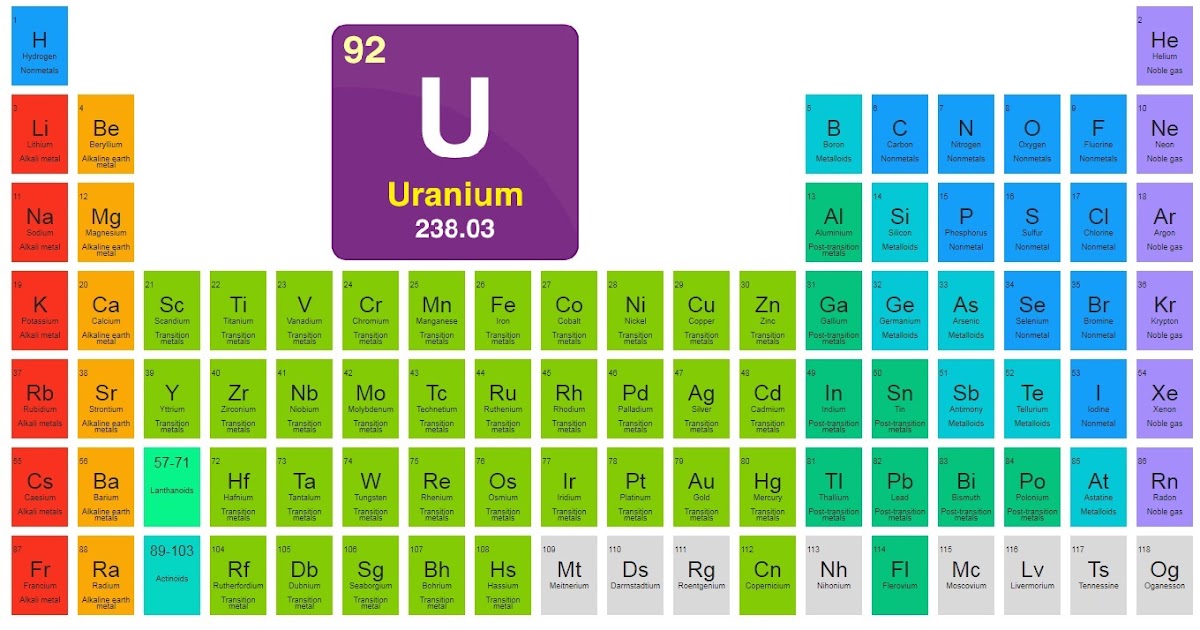
The history and discovery of uranium is a captivating tale that began in the late 18th century. The element was first identified in 1789 by the German chemist Martin Heinrich Klaproth while he was analyzing the mineral pitchblende, a complex mineral now known as uraninite. Klaproth, intrigued by the mineral's unusual properties, isolated a new element which he named uranium, in honor of the recen…
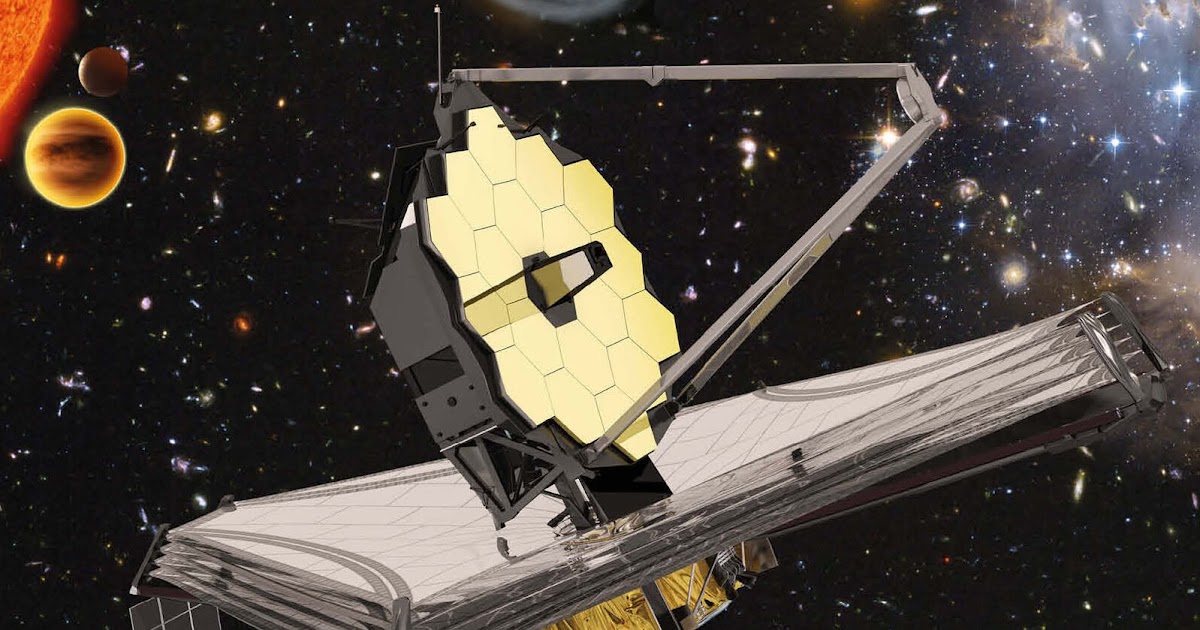
The James Webb Space Telescope (JWST) represents a monumental leap in space exploration and astronomy. Its journey began in the early 1990s when astronomers and engineers, even before the launch of the Hubble Space Telescope, foresaw the need for a more advanced instrument that could observe the universe in infrared light. This capability would allow scientists to peer through cosmic dust and gas…
The discovery of nutritional deficiencies and their link to chronic diseases has significantly shaped modern medicine and public health. In the early 20th century, scientists began identifying essential vitamins and minerals and their roles in preventing diseases. For instance, Casimir Funk coined the term “vitamin” in 1912 after discovering that certain diseases were caused by the lack of specif…
Abu Mansur al-Hasan ibn Nuh al-Qumri, a prominent 10th-century Persian physician, is best known for his medical compendium “Ghina Wa Muna” (Book of Wealth and Wishes). However, his contributions extend beyond this well-known work. Among his other significant medical texts is “Al-Tanwir,” a lesser-known manuscript believed to encompass various medical topics, though specific details remain scarce …
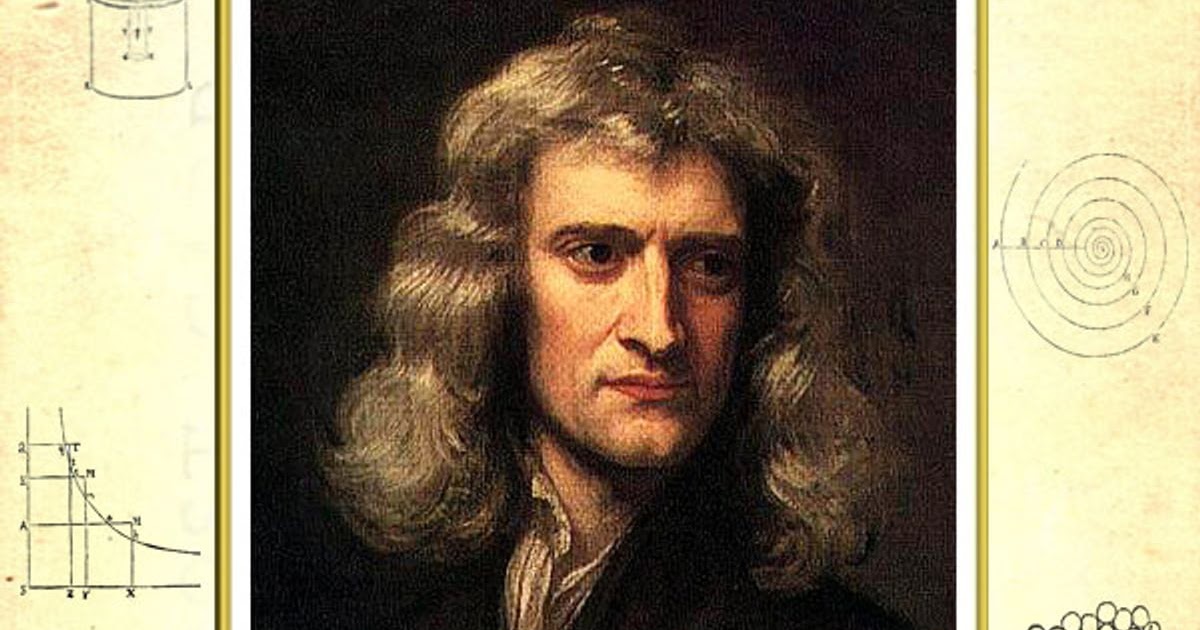
Isaac Newton's Philosophiæ Naturalis Principia Mathematica is widely regarded as one of the most important scientific works ever written. Often hailed as the greatest work in the history of the physical sciences, the Principia introduced a revolutionary vision of an orderly, harmonious universe governed by universal laws. Newton's demonstration that the motion of all bodies is controlled by the s…
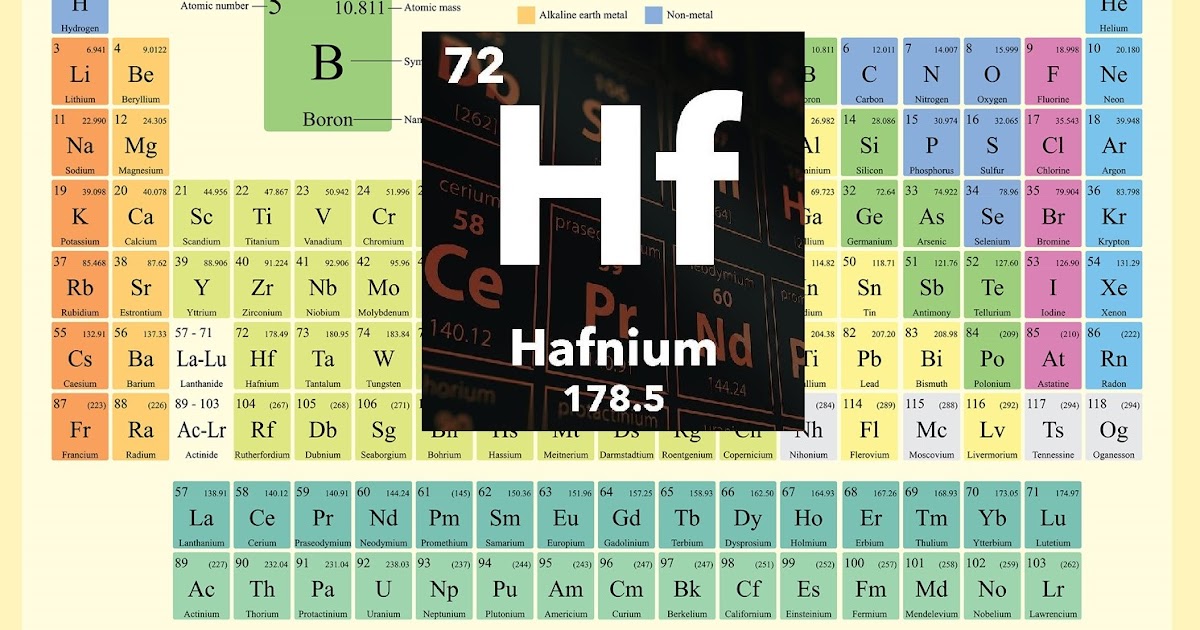
Hevesy George Charles von's discovery of hafnium in 1923, alongside Dirk Coster, was a milestone in chemistry, adding significant depth to our understanding of the periodic table. Hafnium, with the atomic number 72, was one of the last elements predicted by Dmitri Mendeleev's periodic table to be found in nature. Its discovery confirmed the accuracy of Mendeleev's predictions and filled a critica…
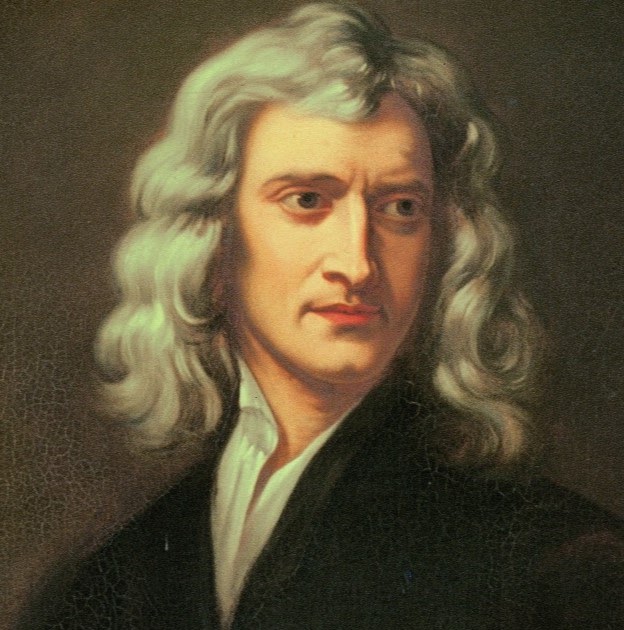
Sir Isaac Newton, President of the Royal Society, was an English mathematician, physicist, astronomer, alchemist, and natural philosopher, widely regarded as one of the greatest scientists in history. Born on December 25, 1642, Newton's contributions laid the foundations of classical mechanics and transformed scientific understanding during the Enlightenment. Newton's seminal work, Philosophiae N…
Black holes, fascinating cosmic phenomena, are regions in space where gravity is so strong that not even light can escape. This immense gravitational pull results from the black hole's density; it packs a vast amount of mass into a very small volume. Since light travels faster than any other known entity, the fact that it cannot escape a black hole means nothing else can either. This characterist…





 research.io