





Neuroscience News
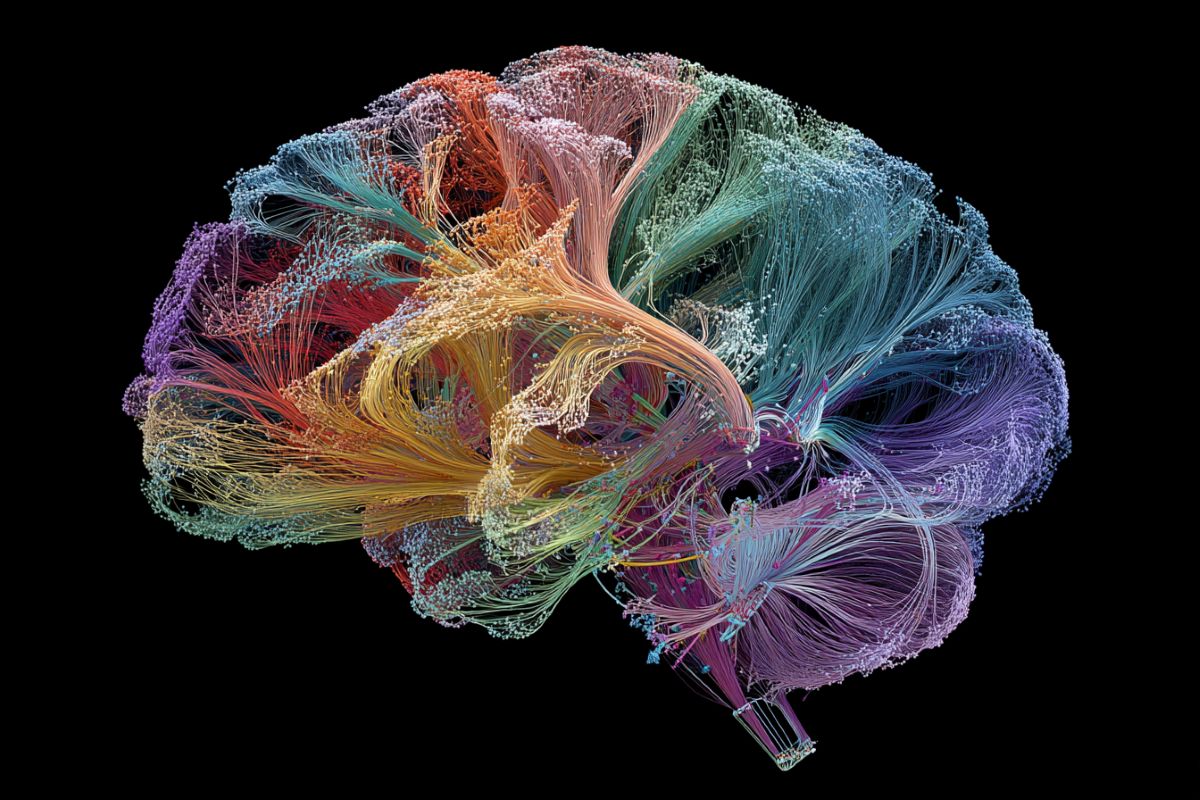
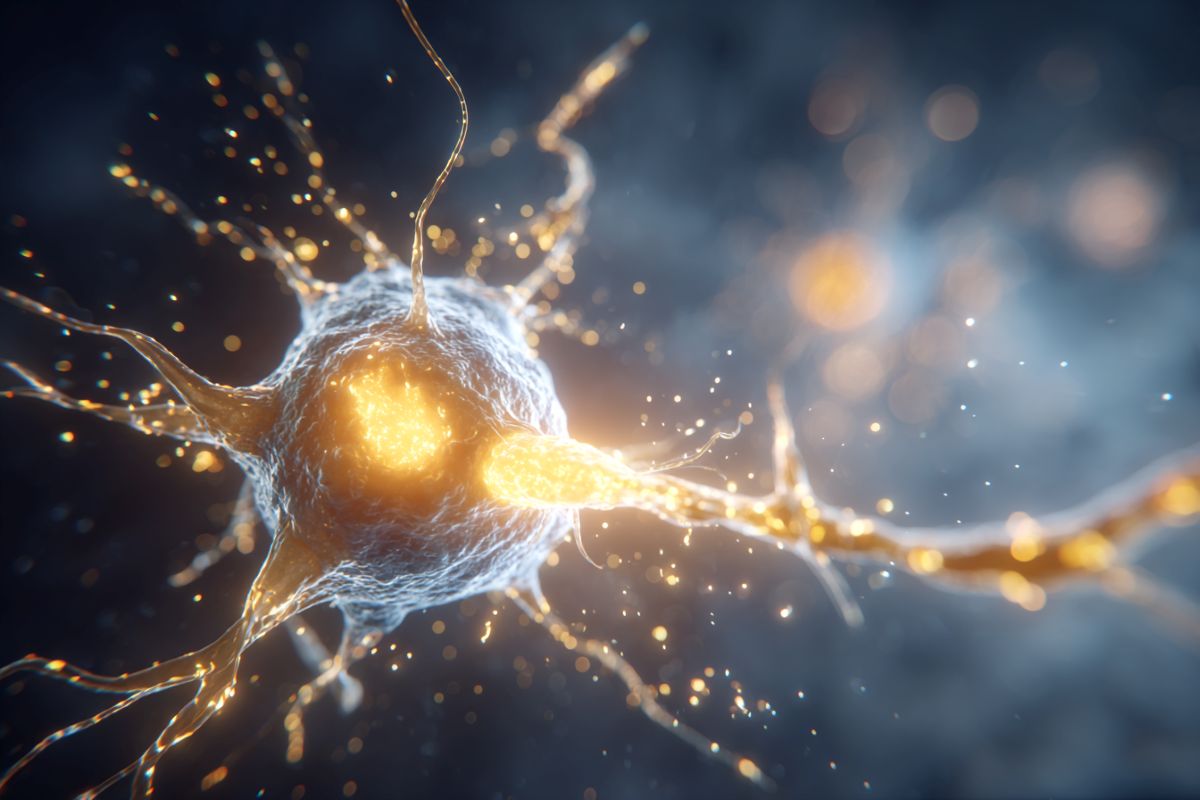
Researchers have identified the Cnpy1 protein as a vital survival factor for pheromone-detecting neurons. The study shows how these specialized cells co-opt "ER-stress" pathways to function, with Cnpy1 acting as a cellular stabilizer.
Total working hours, combining paid jobs and unpaid domestic labor, is the key driver of poor mental health and sleep deprivation in women. Researchers call for policy changes that account for "invisible work" to close the gender health gap.
Near-Death Experiences (NDEs) may be an evolved survival mechanism. The study suggests the brain creates structured, vivid "worlds" as an adaptive response to physiological collapse.
A new study is challenging the scientific status quo by arguing that consciousness may be a fundamental property of the universe. Using Integrated Information Theory, the study explores how subjective experience could exist in any highly integrated system.
A new study of 100,000+ associations reveals that the "exposome"—the total sum of our environmental exposures—is as influential as DNA in determining disease risk. Researchers found that cumulative exposures can explain up to 43% of certain heart disease markers.
A new study reveals that the brain "builds" spatial maps through a process of information summation during echolocation. Researchers found that expert echolocators improve their accuracy with every additional mouth click.
Researchers found that pigeons rewarded for any behavior sequence still refuse to settle on a single "best" path. This "edge of chaos" behavior suggests a deep-seated biological need for flexibility over efficiency.
A new study reveals that "valence bias"—how we interpret ambiguous situations—is a key predictor of depression and anxiety. The study highlights a critical "positivity shift" at age 10 that can determine a child's mental health trajectory.
research.ioSign up to keep scrolling
Create your feed subscriptions, save articles, keep scrolling.