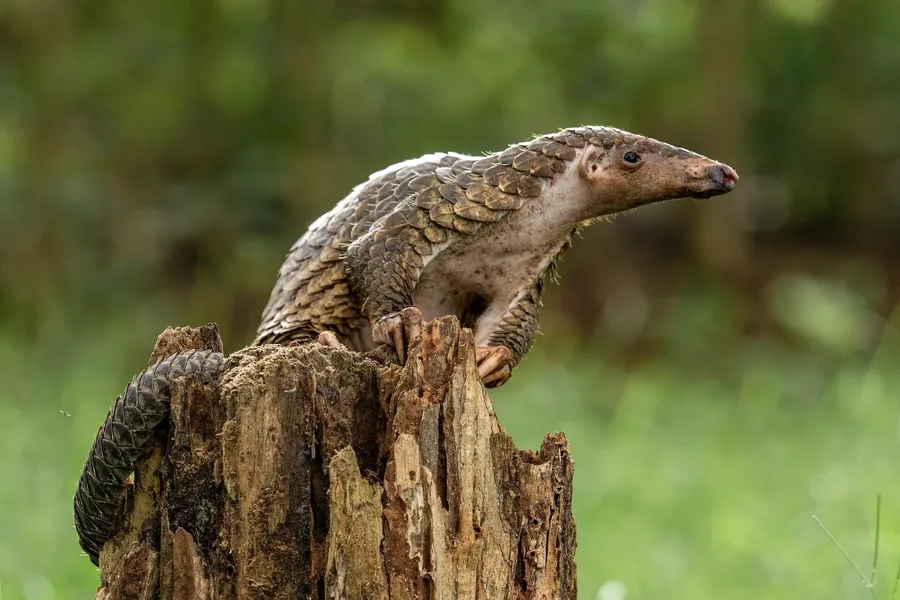
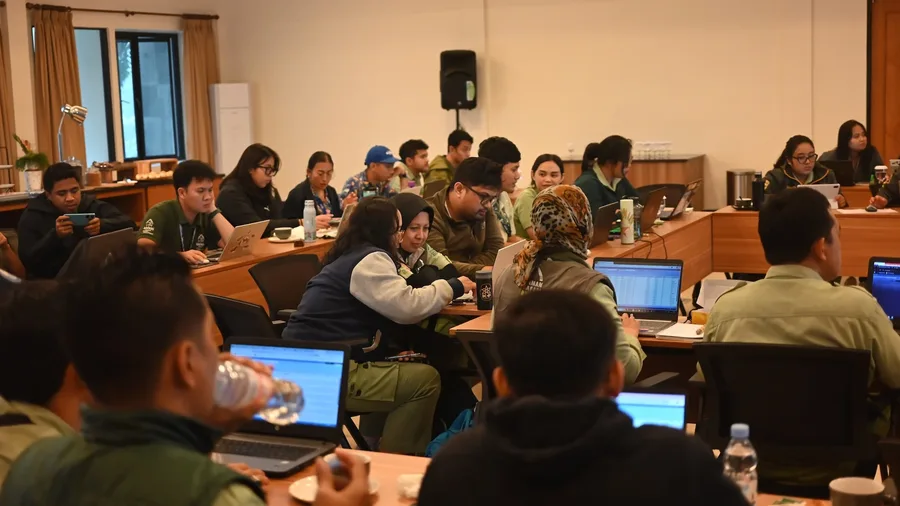
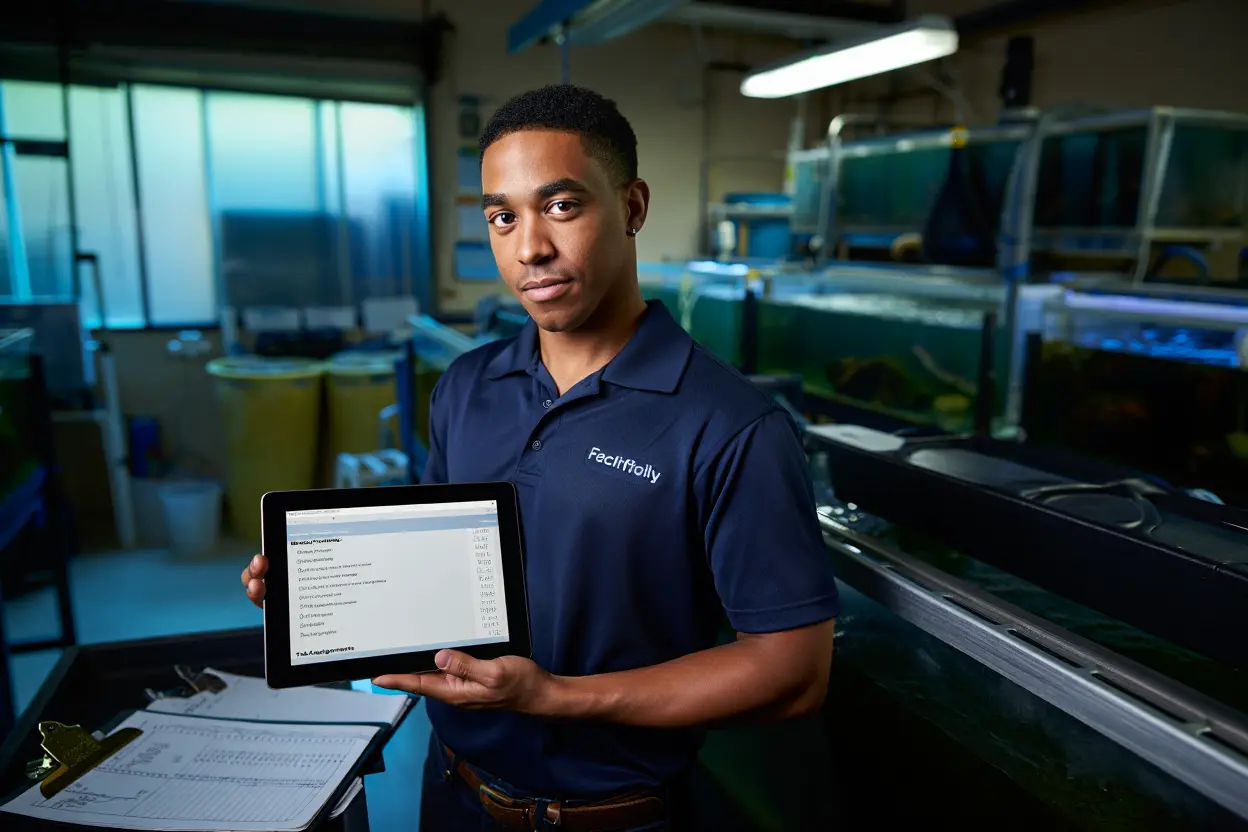
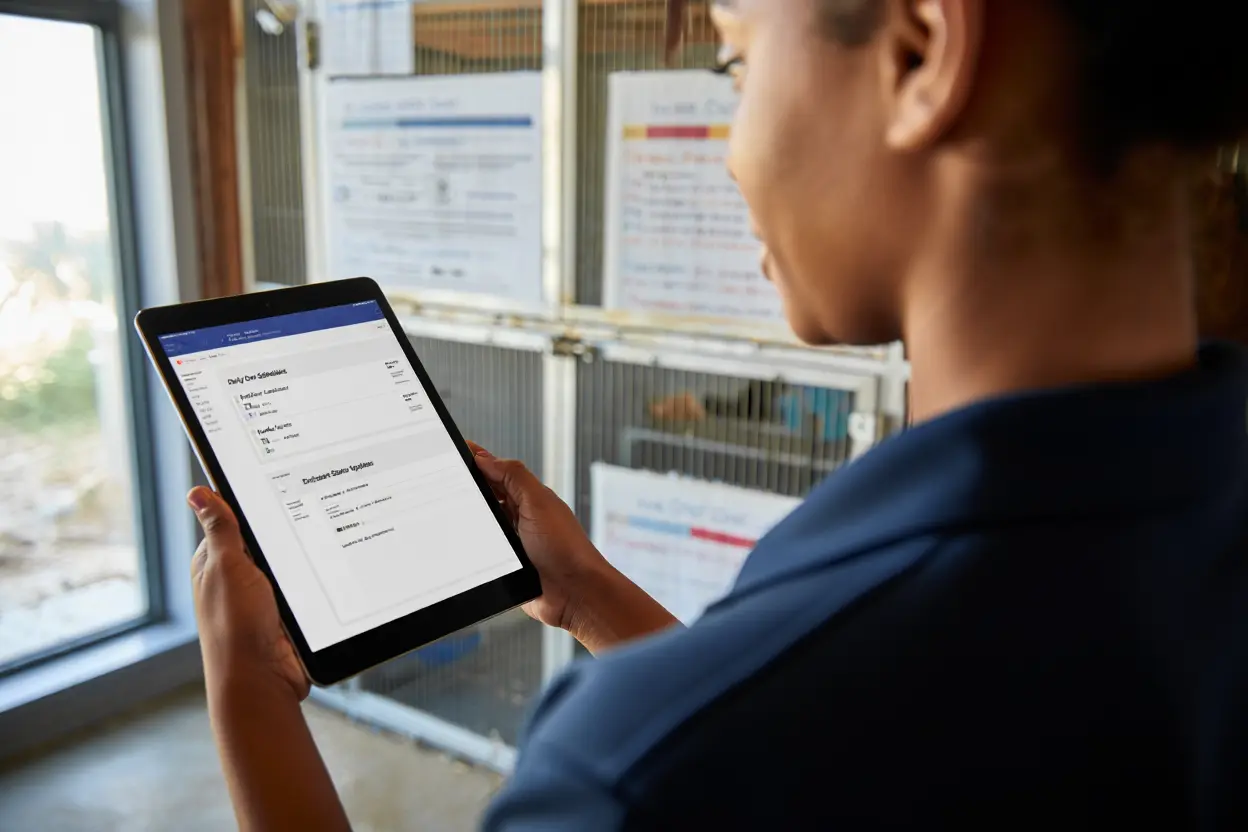
Madagascar’s first biosecure amphibian facility working to safeguard amphibians from extinction, is ready to bring its animal records into the Species360 Zoological Information Management System (ZIMS) and we're looking for a Species360 member to support them through our Conservation Connections program.
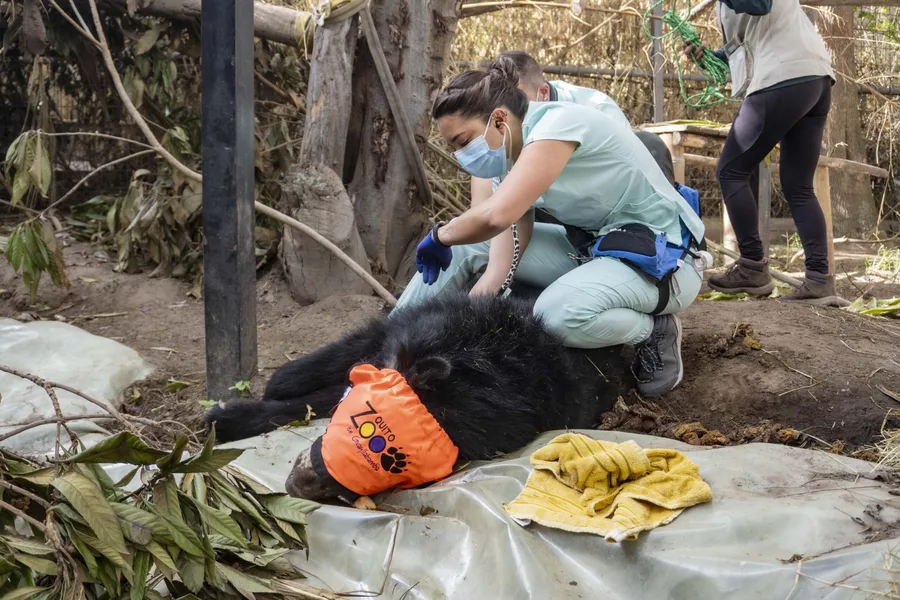
We're pleased to share the latest milestone in the ongoing modernization of ZIMS. The Rescue accession type is now available exclusively in the new ZIMS platform.
We're pleased to share the latest milestone in the ongoing modernization of ZIMS. The Rescue accession type is now available exclusively in the new ZIMS platform.
We’re pleased to welcome Nicole Ormaza to the Species360 team as a support advocate!
As a Support Advocate, Nicole will assist Species360 members with ZIMS questions and day-to-day support needs. A fluent speaker of both English and Spanish, she will primarily serve members across Latin America.
Blog / The Compliance Landscape for Zoological Institutions Is Expanding Zoological institutions operate within a regulatory environment that has grown considerably more complex over the past two decades and shows no sign of stabilising. The obligations that institutions must meet span multiple regulatory frameworks: national wildlife legislation, CITES permits and documentation requirements for …
Blog / The Strategic Importance of Connected Zoological Data The management of animals in professional care has become an increasingly networked activity. Institutions that once managed their collections in relative operational isolation are now participants in regional collection management plans, international studbooks, cooperative breeding programmes, and global conservation initiatives that …
Blog / The Institutional Memory Problem in Zoological Record Keeping Zoological institutions accumulate animal records over periods that frequently span multiple decades. For long-lived species, the medical history, reproductive record, and behavioural profile of a single individual may represent forty or fifty years of continuous documentation. That record is not merely an administrative artefac…
Blog / Why Inconsistency Is the Single Biggest Risk in Zoological Data Management The value of any data set is determined not by its volume but by its reliability. In the context of zoological record keeping, reliability depends on consistency: consistency in how data is categorised, how events are described, how identifiers are assigned, and […]
Blog / The Hidden Cost of Systems That Cannot Grow For zoological institutions, wildlife sanctuaries, and managed care facilities, the challenge of managing animal data is not simply a technical problem. It is an operational one with direct consequences for animal welfare, regulatory compliance, and institutional credibility. Many organisations that invested in record keeping infrastructure [R…
Blog / Why Wildlife Trade Data Matters Now Illegal wildlife trafficking is one of the world’s most damaging environmental crimes, placing pressure on species already facing habitat loss, climate change, and declining populations. Ensuring that wildlife trade remains legal, transparent, and sustainable depends on accurate data and strong international cooperation. This is the foundation of [……
Blog / At Zoo Amiens Métropole in France, animal care teams are using mobile-friendly ZIMS features to help record animal information directly from the field while continuing their daily care routines. Zoo Amiens Métropole has been a Species360 member for 28 years and currently cares for more than 700 animals representing 87 species. For Nicolas […]
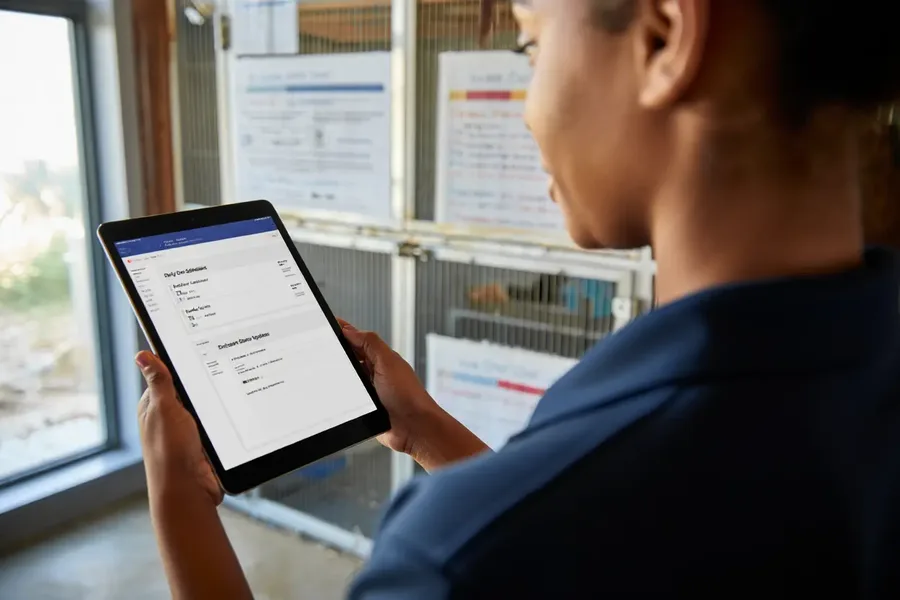
We have recently launched several new updates in ZIMS, including a new mobile-friendly workflow for adding and viewing rescue accessions, currently in beta testing.
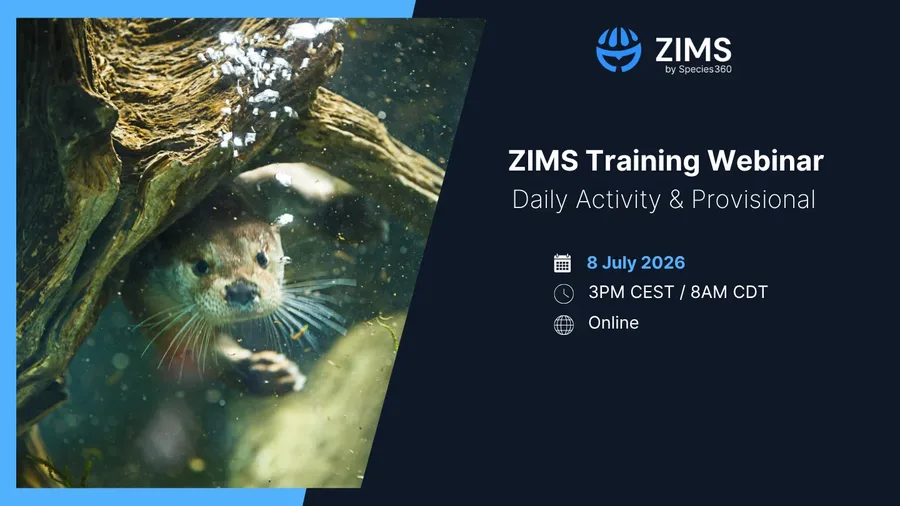
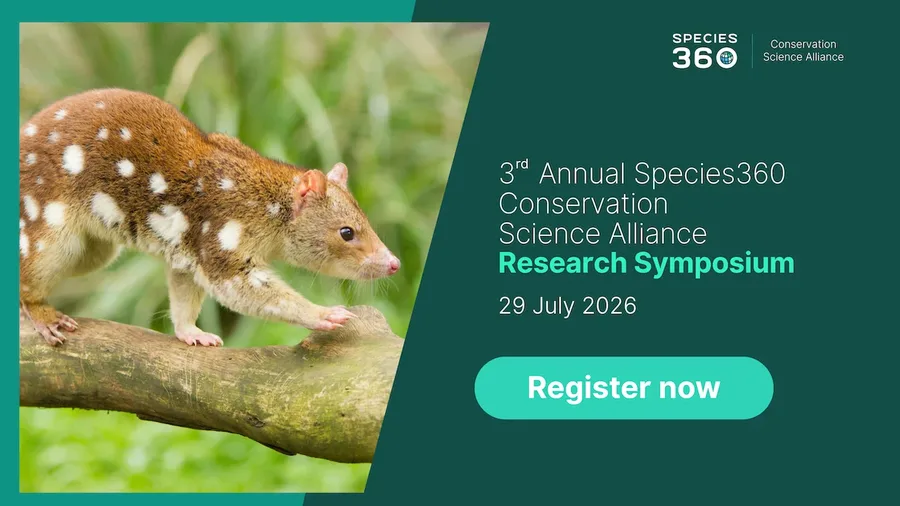
Join us for the third instalment of our highly anticipated research event on 29 July 2026. The free event will showcase how researchers are using ZIMS data.
Blog / The Reality Gap Between Systems and Field Execution Most operational systems in animal care are designed from an administrative perspective. They assume: Stable working environments Desk-based access to systems Time availability for documentation after tasks None of these assumptions hold on the ground. Keepers operate in dynamic, physically demanding environments. They move between [̷…
Blog / Human Error Is a System Output, Not an Individual Failure In animal care environments, errors are often treated as isolated incidents tied to individual performance. A missed feeding is attributed to oversight. A delayed medication is framed as a lapse in attention. An incomplete record is seen as poor discipline. This framing is […]
research.io
Sign up to keep scrolling
Create your feed subscriptions, save articles, keep scrolling.

 research.io