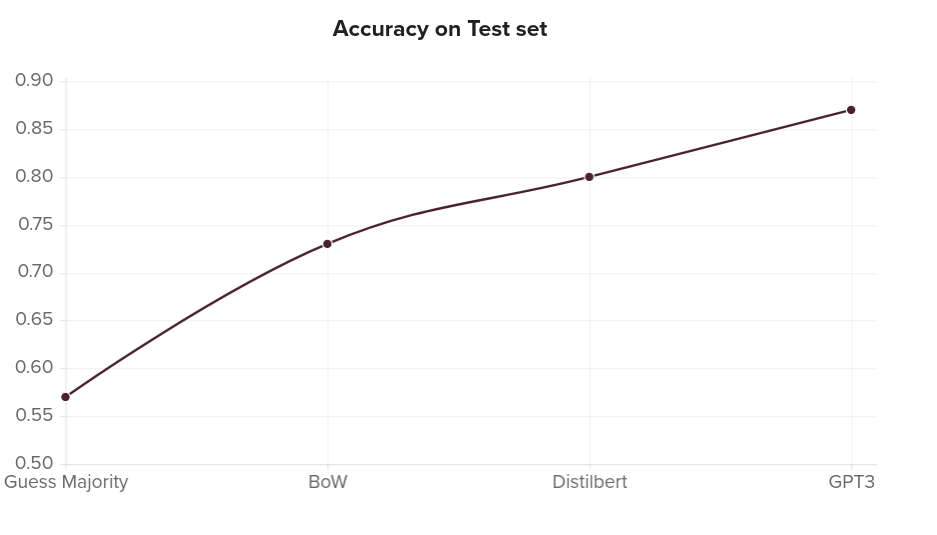
In this post we see if GPT is powerful enough to be able to accurately predict the winner of a headline A/B test! Along the way we explore multiple approaches an modeling languages and learn how to build a model that can predict the difference between two vectors.
Read MoreIn this post we take a look a how the mathematical idea of a convolution is used in probability. In probability a convolution…
In this post we see if GPT is powerful enough to be able to accurately
predict the winner of a headline A/B test! Along the way we explore
multiple approaches an modeling languages and learn how to build a model
that can predict the difference between two vectors.
In this post we take a look a how the mathematical idea of a convolution is
used in probability. In probability a convolution is a way to add two
random variables. Using a slightly ridiculous, mad-science, example we walk
through multiple way to compute a convolution and ultimate arrive at the
formula with a better understanding of this powerful concept!
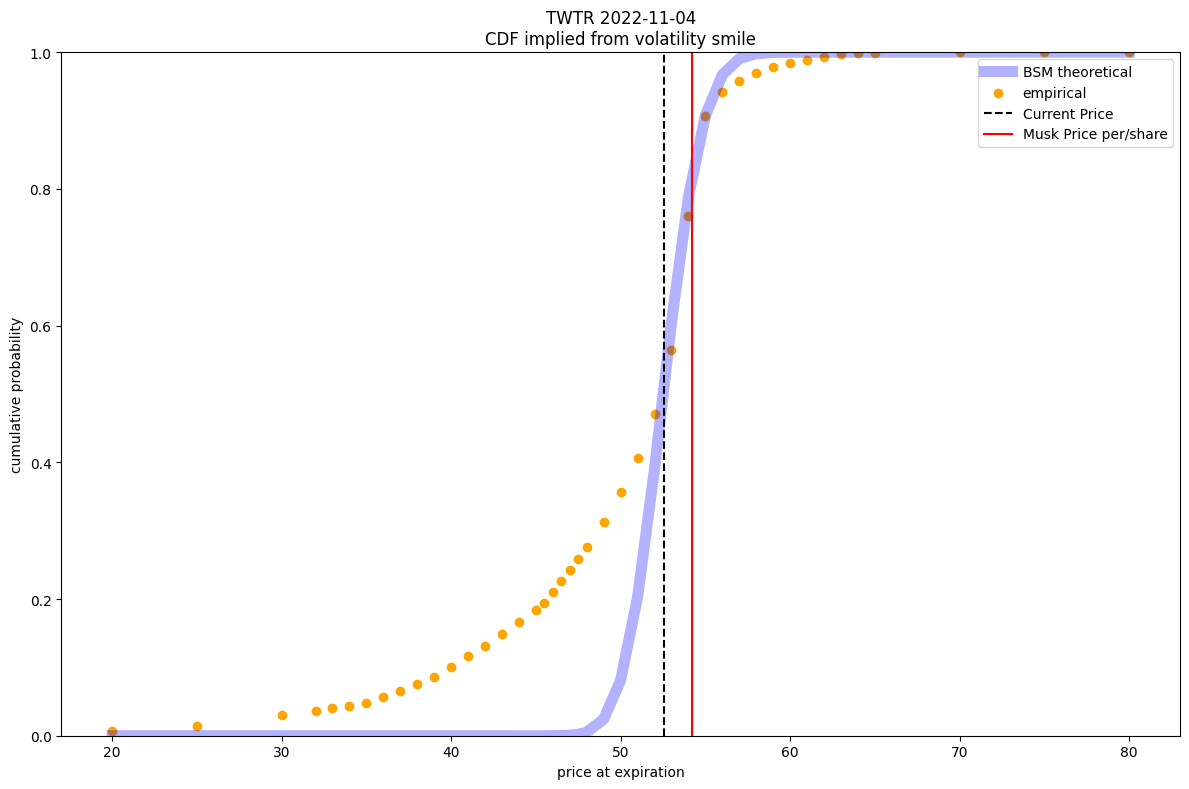
In this post we explore how we can use the Black-Scholes Merton model,
together with the volatility smile of real options prices to determine the
probability that Elon Musk will successfully purchase Twitter.
In this post we explore using censored data for an estimation problem. Our
example is 100 scientist asked if they believe the weather at a time in the
future will be lower or higher than specified number. We end up with a
continuous distribution representing the beliefs of the scientists.
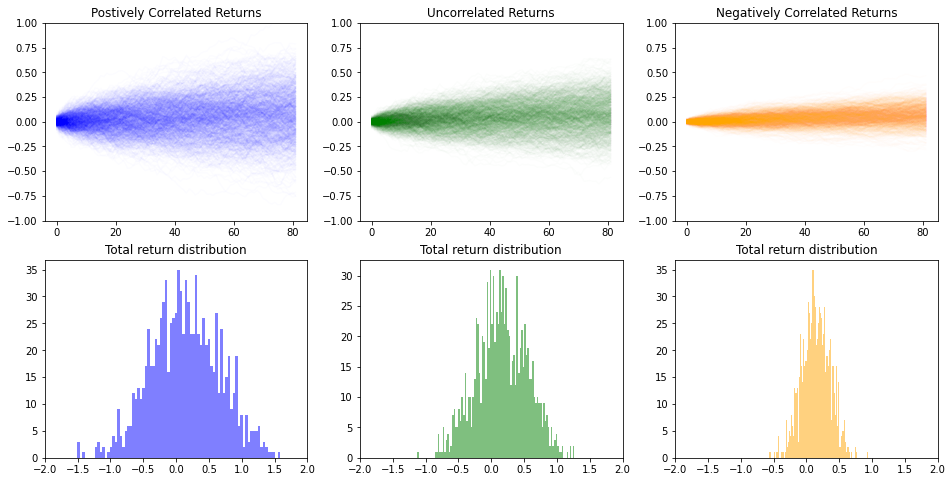
In this post we take a deep dive exploring the topic of Modern Portfolio
Theory. We slowly walk through modeling a single stock, multiple correlated
stocks and finally optimizing our portfolio. We’ll be making use of JAX to
build our model with allows for easy optimization with the techniques of
differentiable programming.
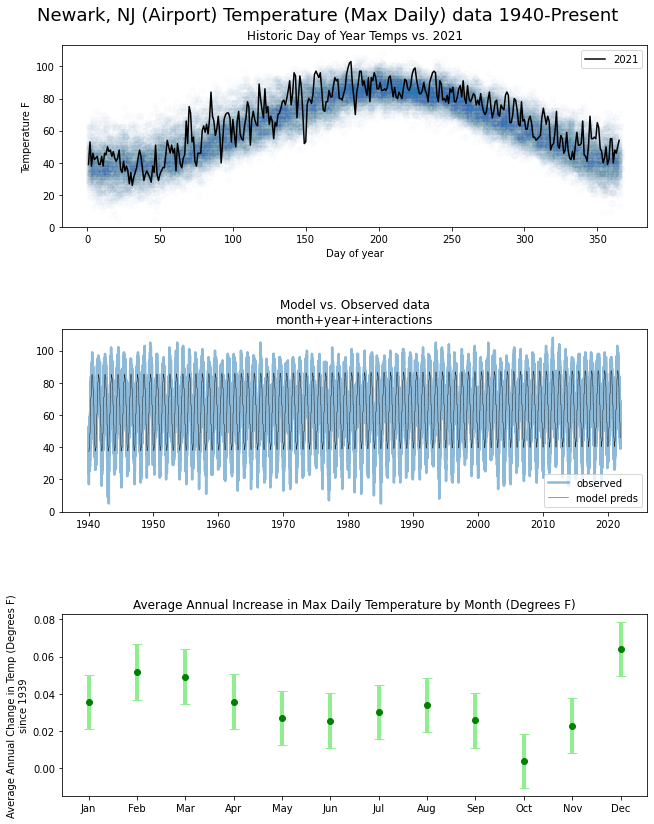
In this post we use statistics and historic weather data to help answer the
question “is it really getting warming in December in NJ?” Using
progressively more complex linear models we find some surprising results
about what’s happening to weather in the area.
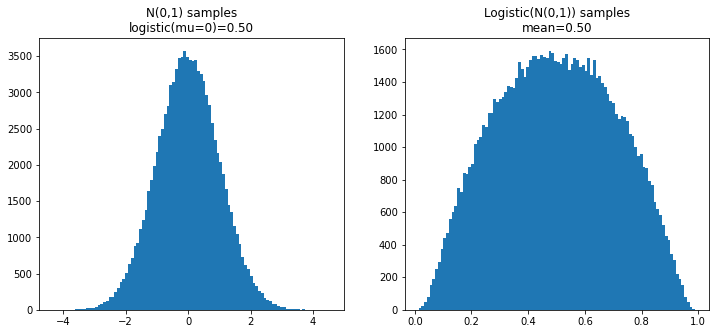
In this post we explore the very curious logit-normal distribution, which
appears frequently in statistics and yet has no analytical solutions to any
of its moments. We end with a discussion of Nietzsche and what Dionysian
statistics might mean. It’s a bit of an odd post that’s for sure.
Exploring how Frequentist and Bayesian methods differ when looking at the
common problem of predicting misfires in extra-dimensional alien
technologies. We explore the nice property that Bayesian statistics are
mathematically correct and then consider that sometimes being “technical
wrong” does work out.
In part 2 of our series exploring the relationship between Inference and
Prediction we explore modeling Click Through Rate as a Statistical modeling
problem so that we can more deeply understand the role of Inference in
modeling.
This post is the first in a three part series covering the difference
between prediction and inference in modeling data. Through this process we
will also explore the differences between Machine Learning and Statistics.
We start here with statistics, ultimately working towards a synthesis of
these two approaches to modeling
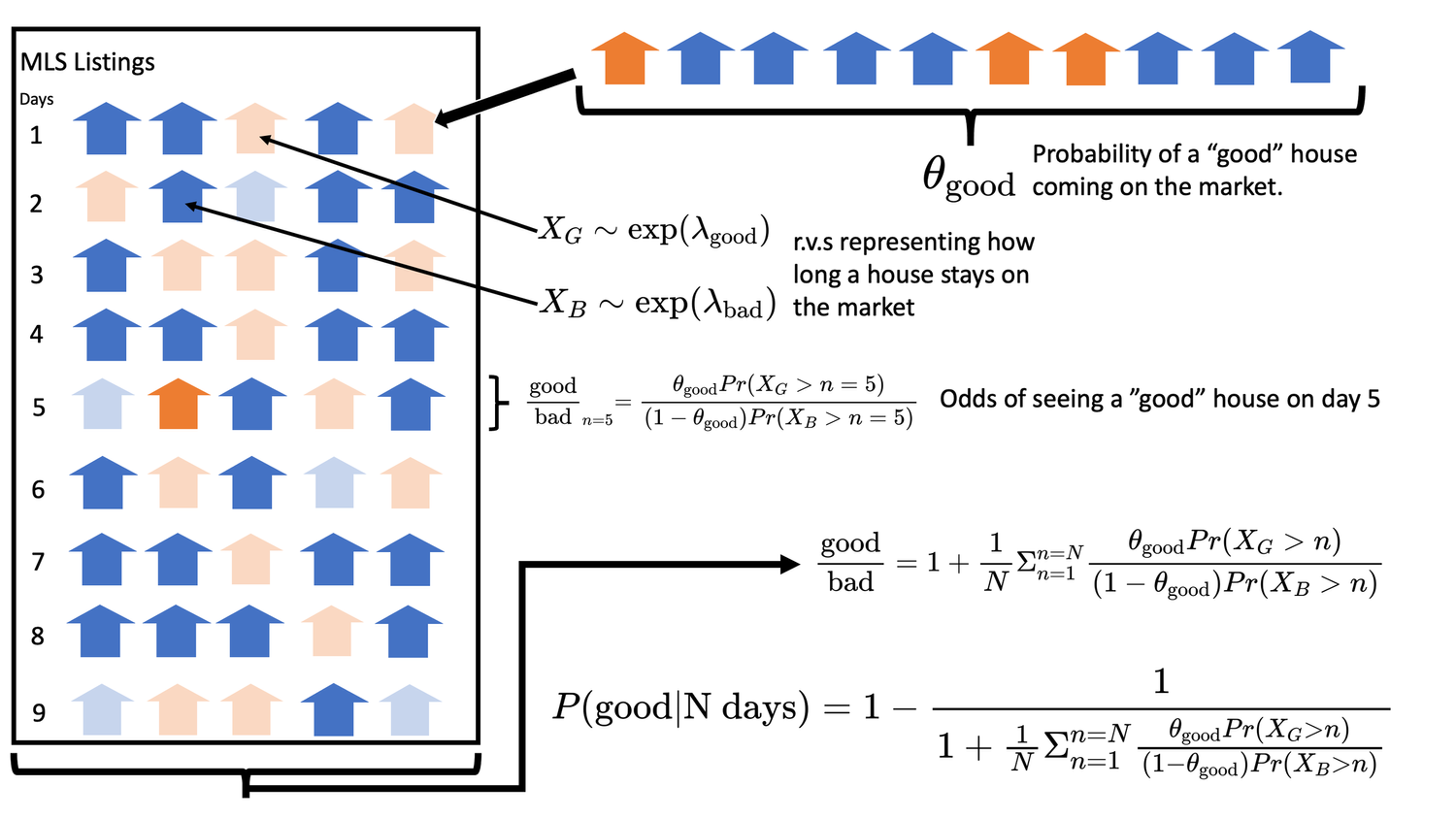
Survivorship bias is a very common topic when discussing statistics and
data science, but identifying survivorship bias is much easier than
modeling it! In this post we take a look at modeling survivorship bias in
MLS house listing using mathematics, Python and JAX and see just how
challenging of a task it is.
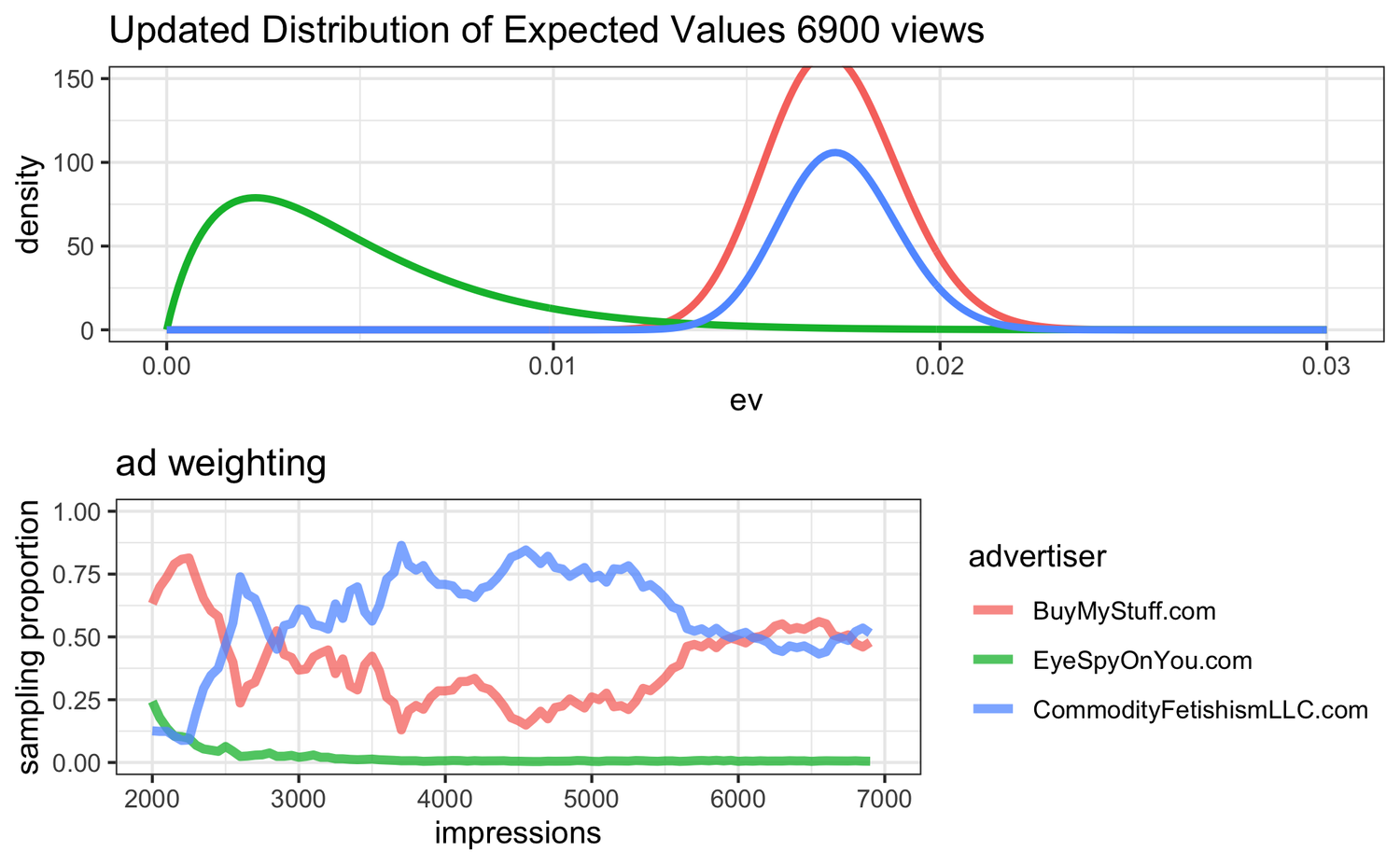
Thompson sampling is a technique to solve multi-armed bandit problems but
choosing actions based on the probability they offer the highest expected
reward. In this post we learn about this technique by implementing an ad
auction!
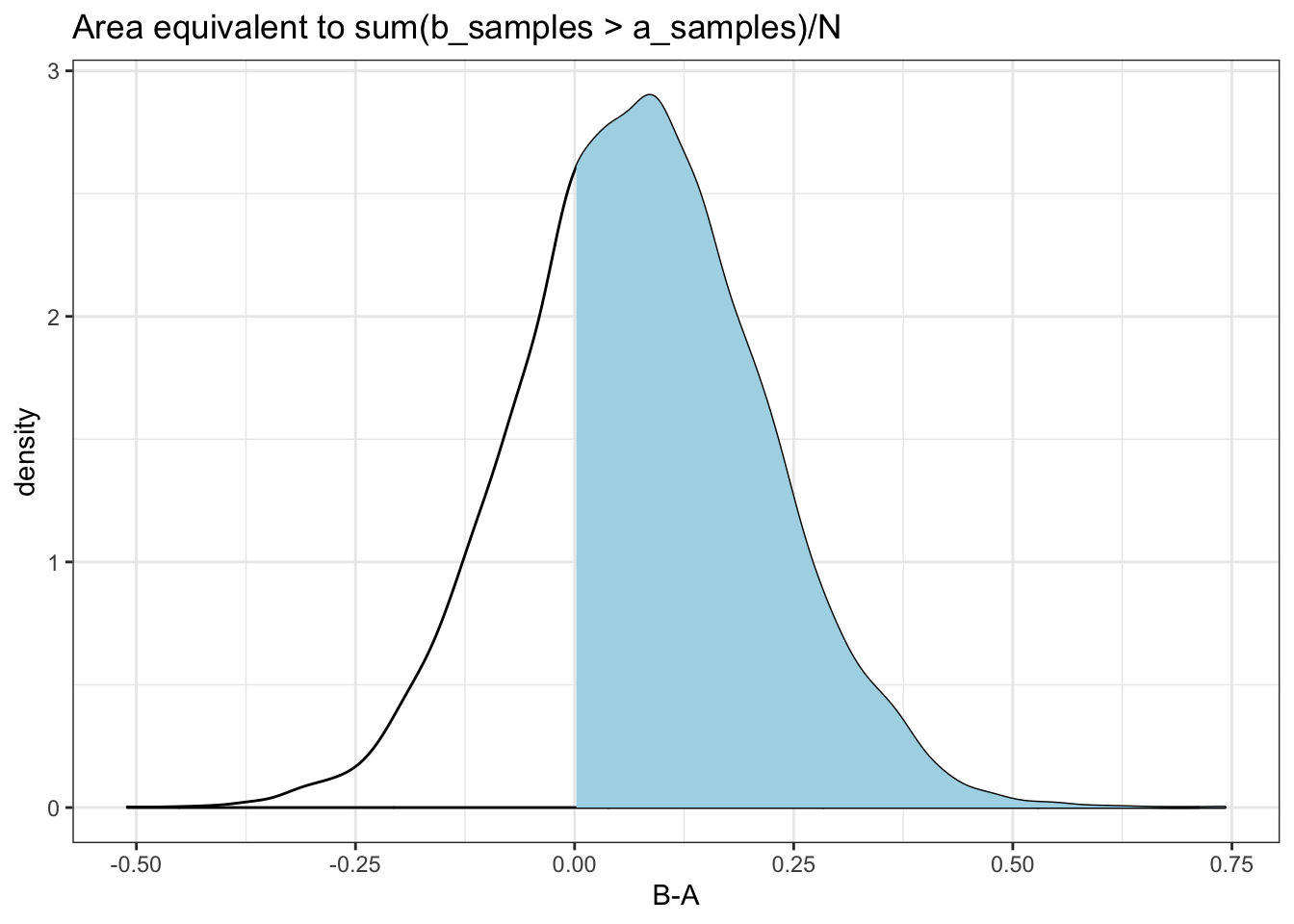
Bayesian statistics rely heavily on Monte-Carlo methods. A common question
that arises is “isn’t there an easier, analytical solution?” This post
explores a bit more why this is by breaking down the analysis of a Bayesian
A/B test and showing how tricky the analytical path is and exploring more
of the mathematical logic of even trivial MC methods.
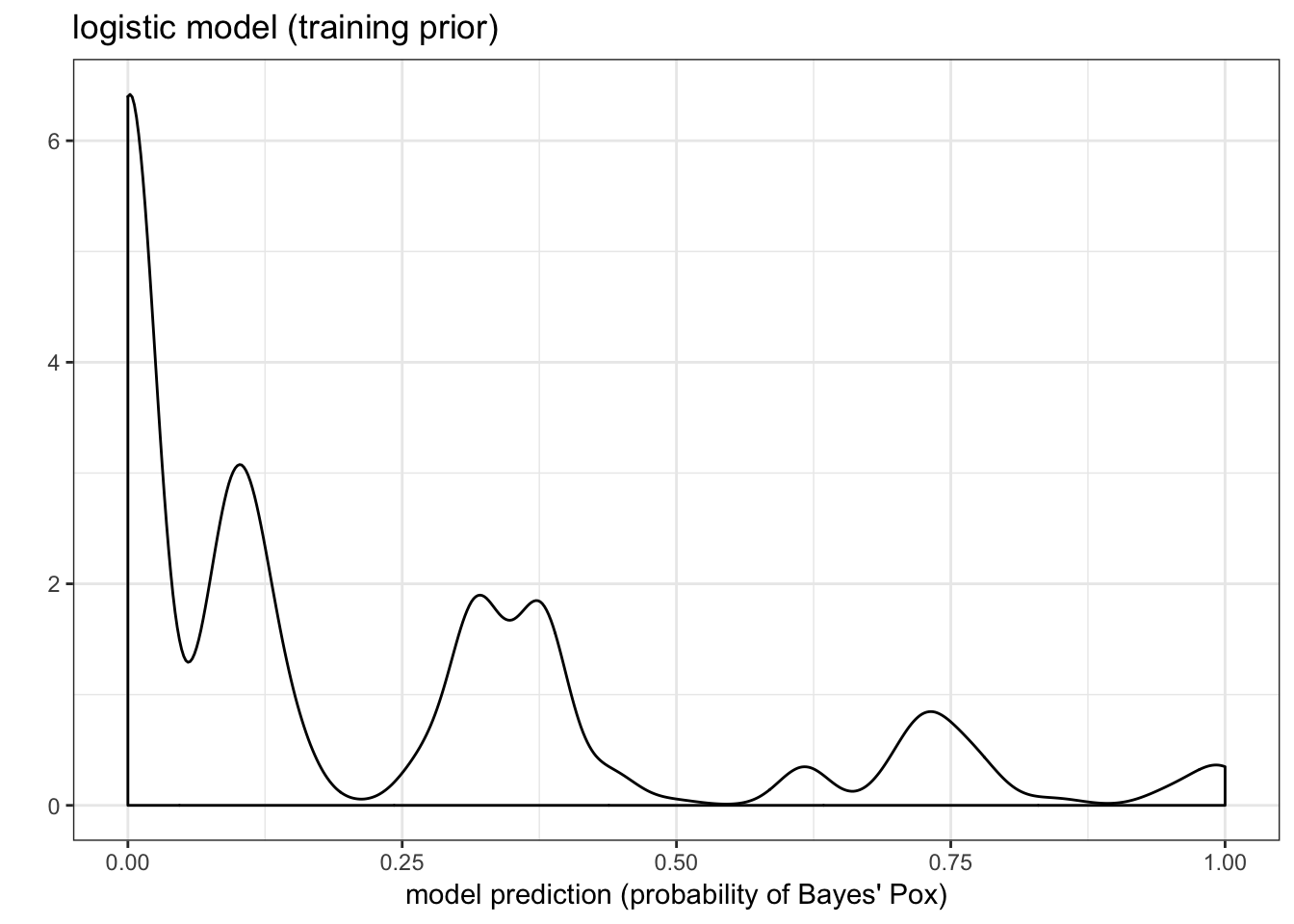
When you train a logistic model it learns the prior probability of the
target class from the ratio of positive to negative examples in the
training data. If the real world prior is not the same as your training
data, this can lead to unexpected predictions from your model. Read this
post to learn how to correct this even after the model has been trained!
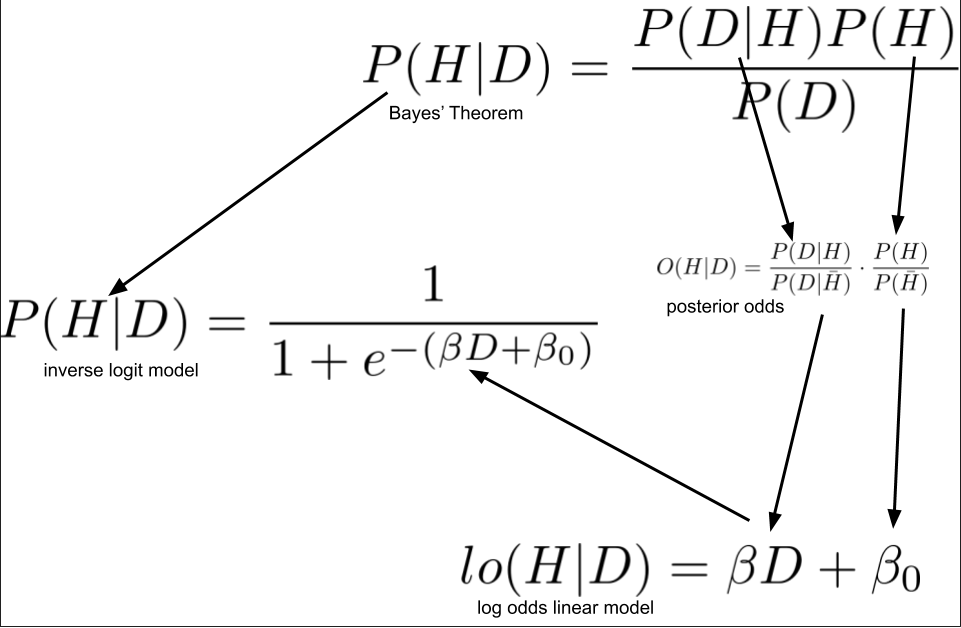
In this post we’ll explore how we can derive logistic regression from
Bayes’ Theorem. Starting with Bayes’ Theorem we’ll work our way to
computing the log odds of our problem and the arrive at the inverse logit
function. After reading this post you’ll have a much stronger intuition for
how logistic regression works!
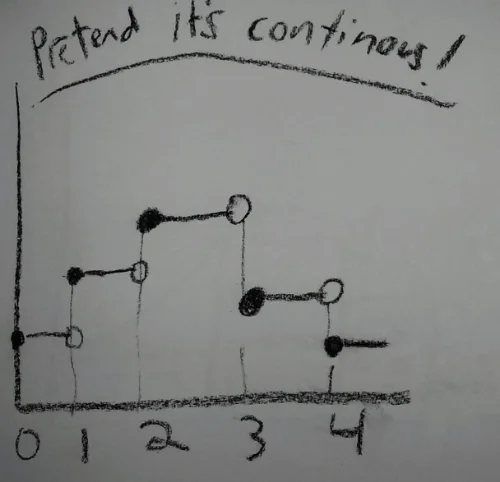
In our last post, we described an interesting Tea Party with rather strange rules governing the use of sugar. As a quick reminder the set up was:
Each table has two sugar bowls. The first contains 5 sugar cubes (each made of one teaspoon of sugar) and the second contains 5 teaspoons of infinitesimally small granules of sugar. The rules of the party state that each table must use all 5 cubes befor…





 research.io