Scientists have discovered something that seems almost impossible: under the right conditions, ordinary liquids can snap apart like solid objects. In experiments, researchers found that when certain liquids are stretched with enough force, they don’t just thin and flow—they suddenly fracture with a sharp break, much like metal under stress. This surprising behavior appears to be tied to viscosity…
Scientists have found a promising new way to manufacture one of industry’s toughest materials—tungsten carbide–cobalt—using advanced 3D printing. Normally, producing this ultra-hard material requires high-pressure processes that waste large amounts of expensive tungsten and cobalt. The new approach uses a hot-wire laser technique that softens the metals rather than fully melting them, allowing ma…
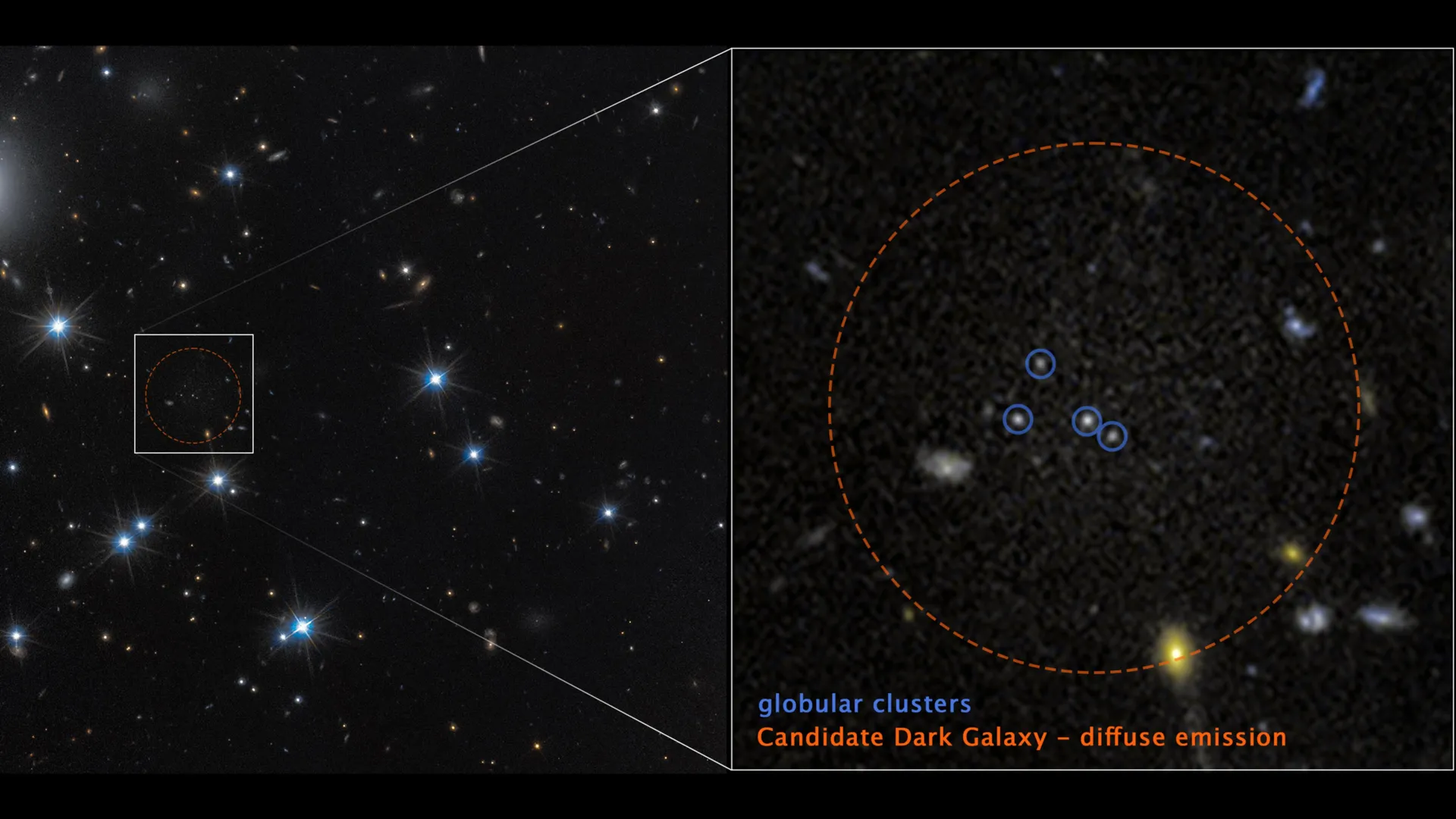
Astronomers have uncovered one of the most mysterious galaxies ever found — a dim, ghostly object called CDG-2 that is almost entirely made of dark matter. Located 300 million light-years away in the Perseus galaxy cluster, it was discovered in an unusual way: not by its stars, but by four tightly packed globular clusters acting like cosmic breadcrumbs.
New data from major dark-energy observatories suggest the universe may not expand forever after all. A Cornell physicist calculates that the cosmos is heading toward a dramatic reversal: after reaching its maximum size in about 11 billion years, it could begin collapsing, ultimately ending in a “big crunch” roughly 20 billion years from now.
Astronomers have produced the most detailed map yet of dark matter, revealing the invisible framework that shaped the Universe long before stars and galaxies formed. Using powerful new observations from NASA’s James Webb Space Telescope, the research shows how dark matter gathered ordinary matter into dense regions, setting the stage for galaxies like the Milky Way and eventually planets like Ear…
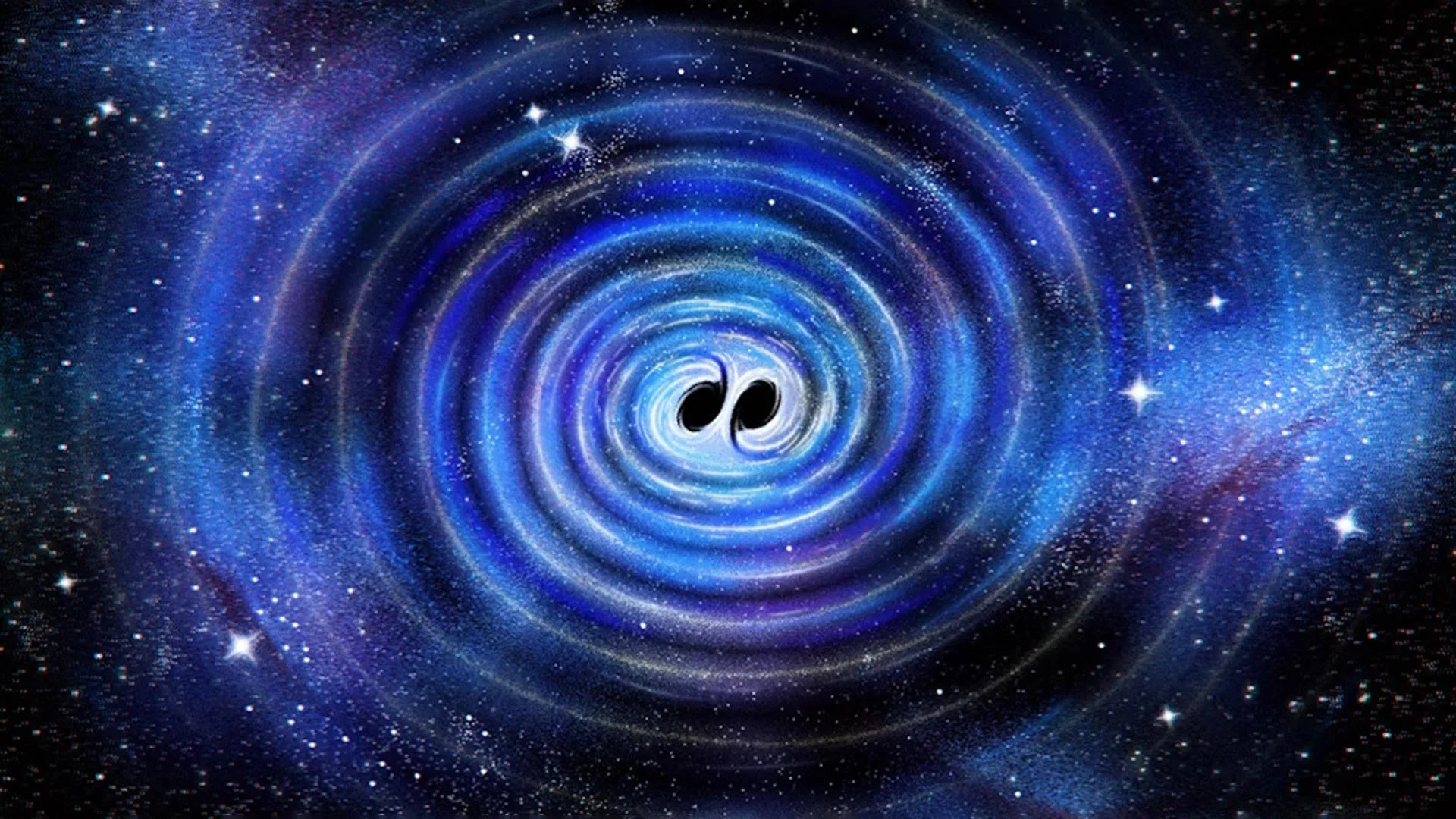
A newly detected gravitational wave, GW250114, is giving scientists their clearest look yet at a black hole collision—and a powerful way to test Einstein’s theory of gravity. Its clarity allowed scientists to measure multiple “tones” from the collision, all matching Einstein’s predictions. That confirmation is exciting—but so is the possibility that future signals won’t behave so neatly. Any devi…
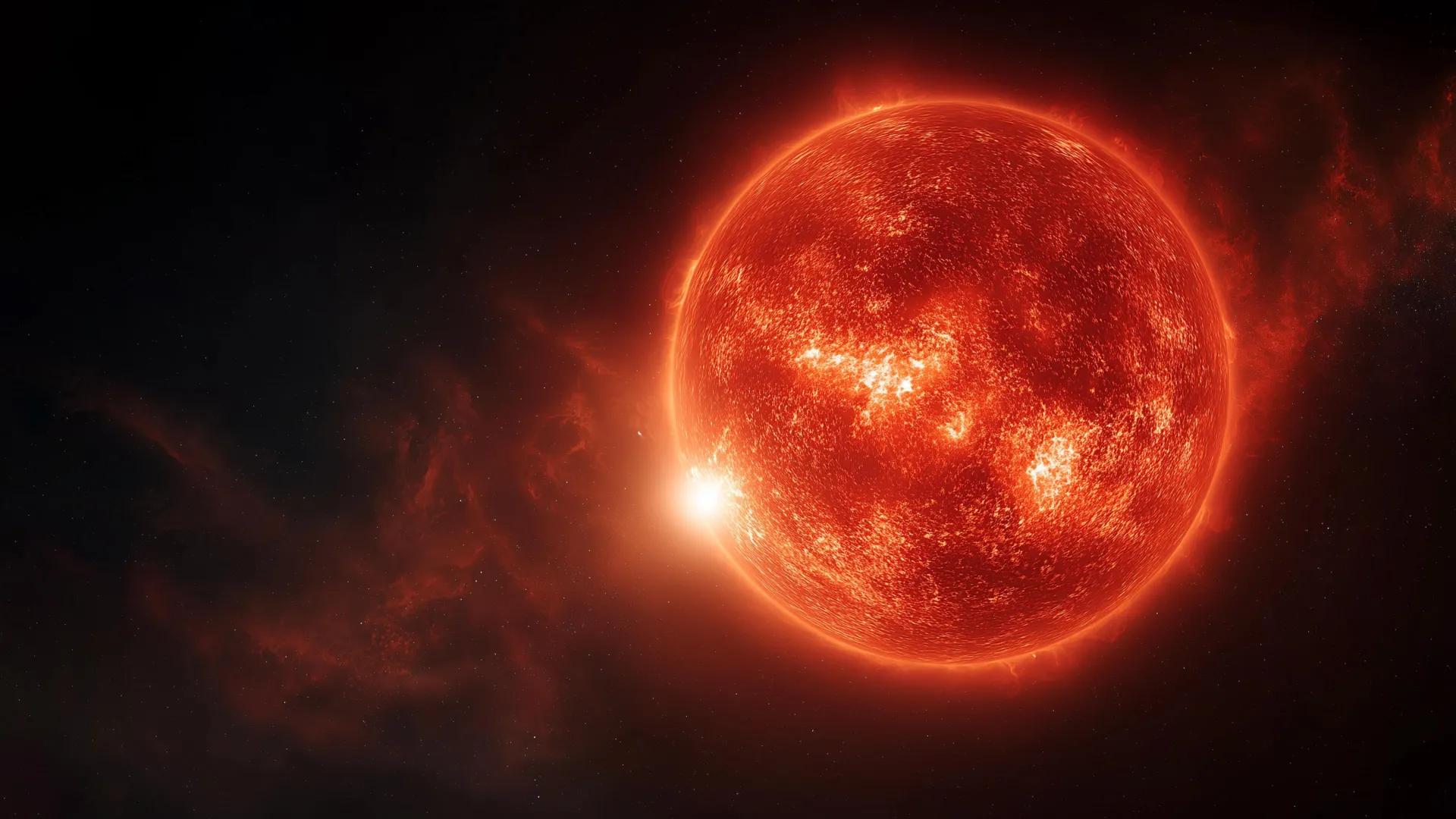
Scientists observing the red giant star R Doradus have found that starlight isn’t strong enough to drive its stellar winds, overturning a long-standing theory. The dust grains around the star are simply too small to be pushed outward by light alone. This raises new questions about how giant stars spread life-essential elements through space. Researchers now suspect dramatic stellar motions or pul…
A remarkably clean gravitational-wave detection has confirmed long-standing predictions about black holes, including Hawking’s area theorem and Einstein’s ringdown behavior. The findings also provide the strongest support yet that real black holes follow the Kerr model.
SQUIRE aims to detect exotic spin-dependent interactions using quantum sensors deployed in space, where speed and environmental conditions vastly improve sensitivity. Orbiting sensors tap into Earth’s enormous natural polarized spin source and benefit from low-noise periodic signal modulation. A robust prototype with advanced noise suppression and radiation-hardened engineering now meets the requ…
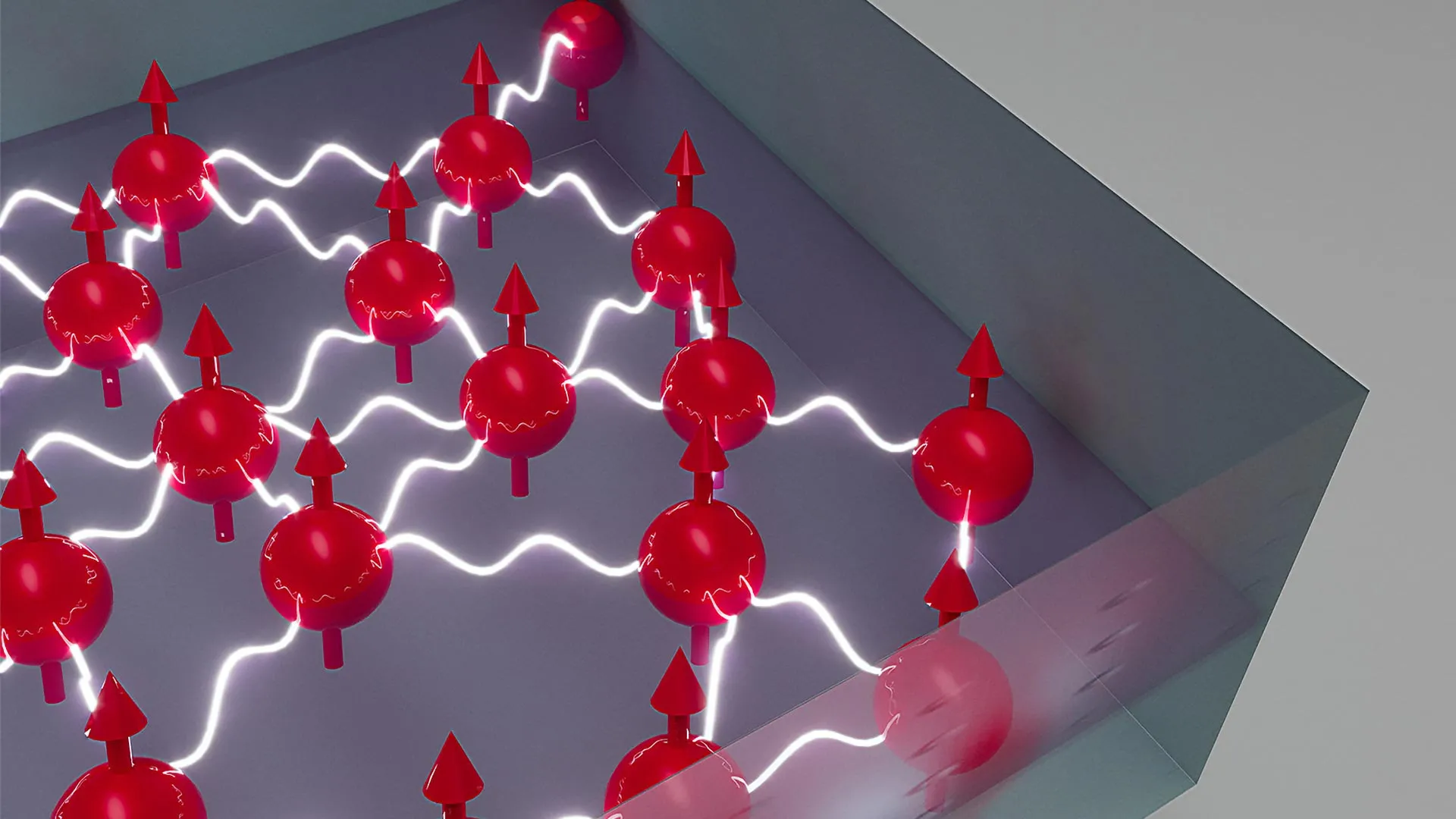
UC Santa Barbara physicists have engineered entangled spin systems in diamond that surpass classical sensing limits through quantum squeezing. Their breakthrough enables next-generation quantum sensors that are powerful, compact, and ready for real-world use.
Tohoku University researchers have found a way to make quantum sensors more sensitive by connecting superconducting qubits in optimized network patterns. These networks amplify faint signals possibly left by dark matter. The approach outperformed traditional methods even under realistic noise. Beyond physics, it could revolutionize radar, MRI, and navigation technologies.
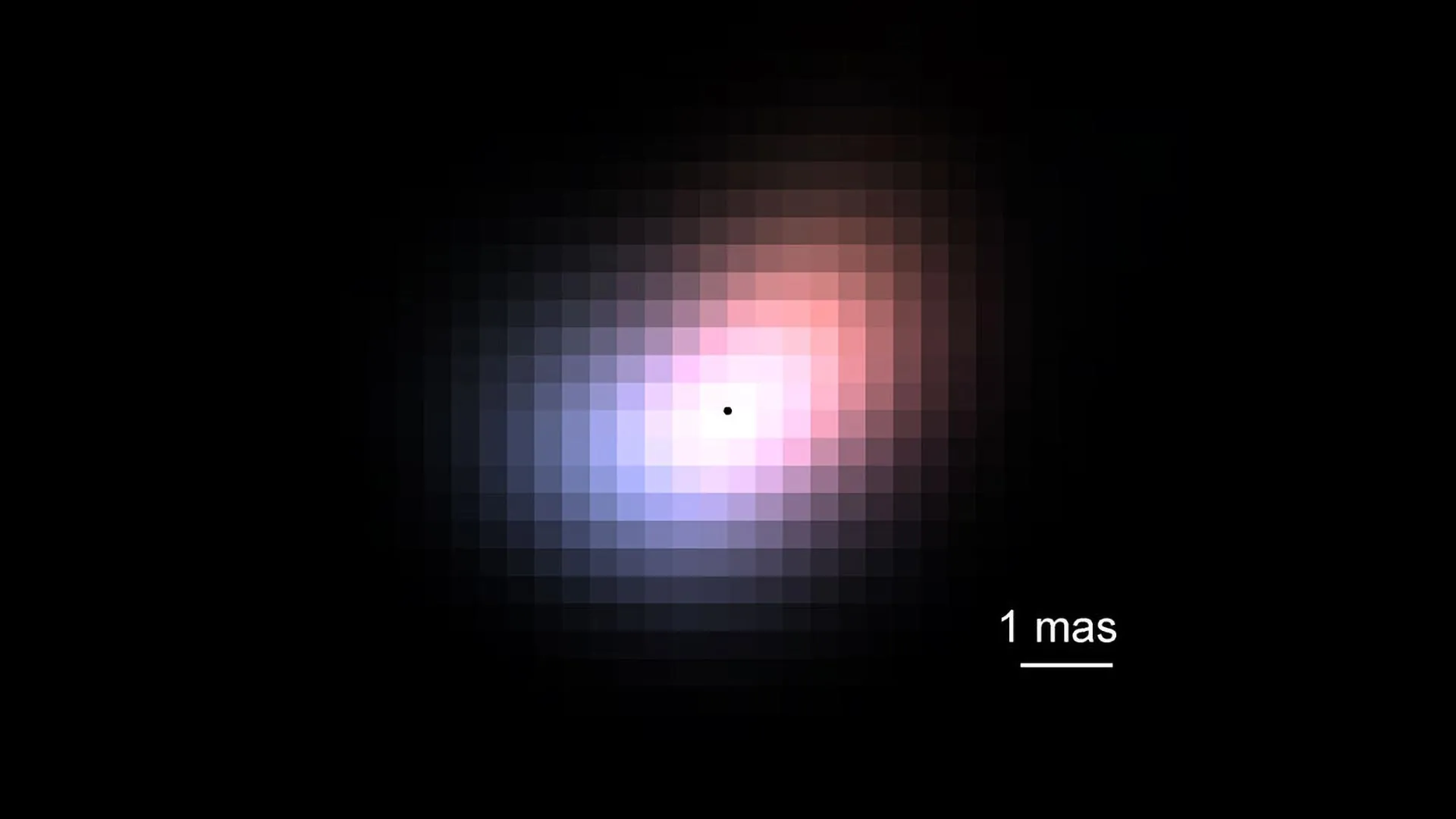
A UCLA-led team has achieved the sharpest-ever view of a distant star’s disk using a groundbreaking photonic lantern device on a single telescope—no multi-telescope array required. This technology splits incoming starlight into multiple channels, revealing previously hidden details of space objects.
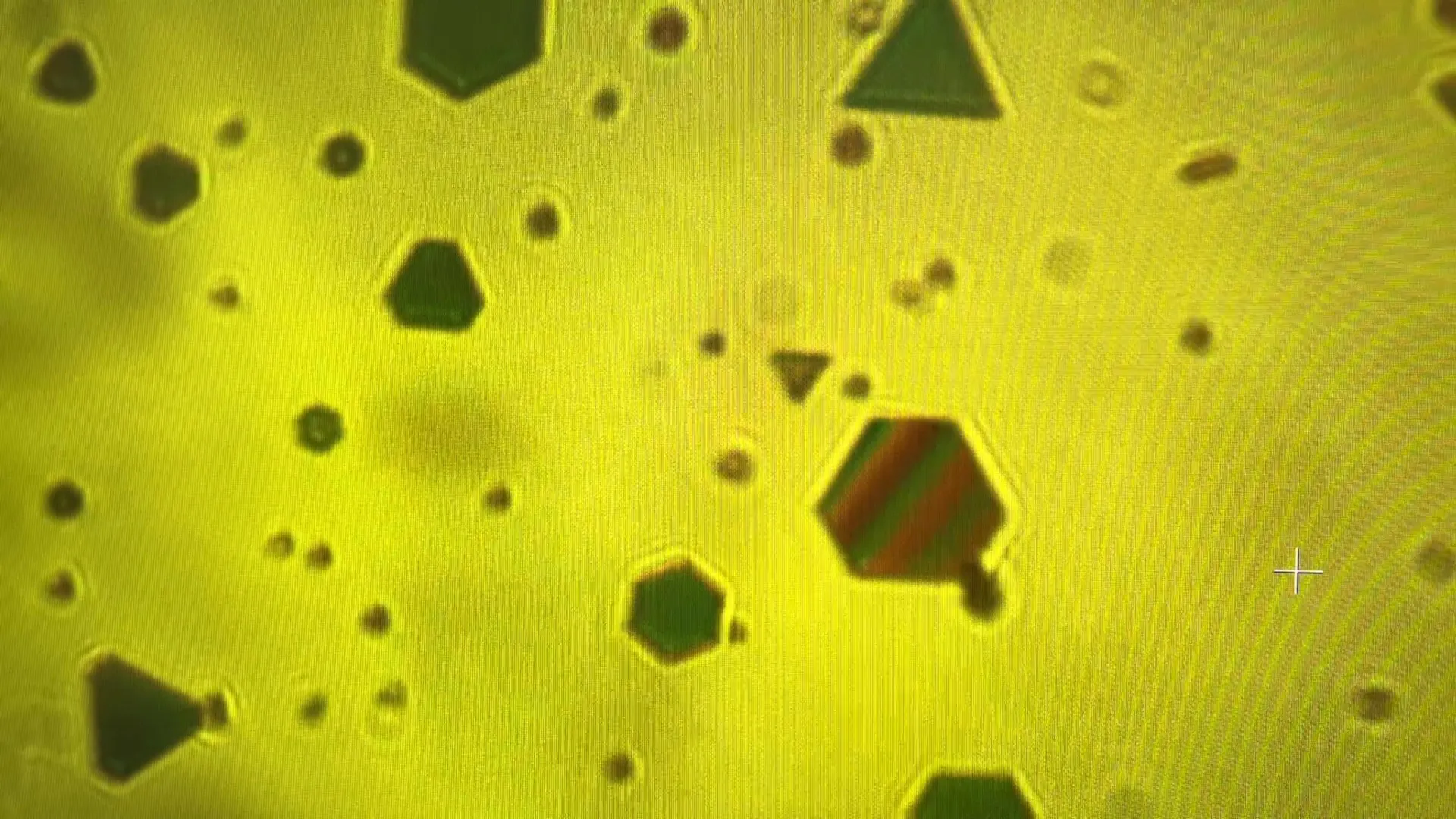
Chalmers researchers have developed a simple, light-based platform to study the mysterious “invisible glue” that binds materials at the nanoscale. Gold flakes floating in salt water reveal how quantum and electrostatic forces interact through vivid color changes. The technique could lead to new discoveries in physics, chemistry, and biology — from designing biosensors to understanding how galaxie…
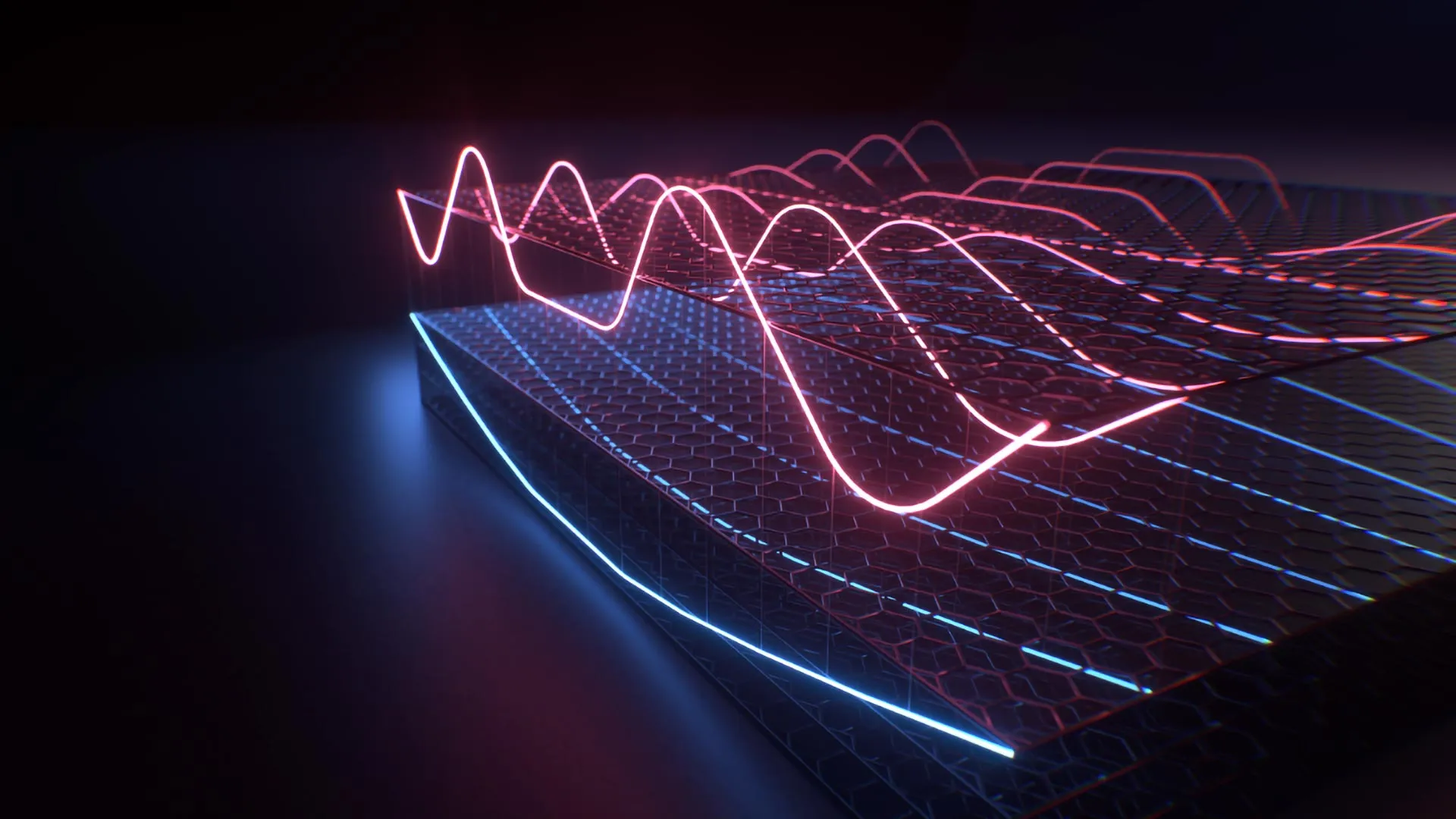
Researchers have found that 2D materials can self-form microscopic cavities that trap light and electrons, altering their quantum behavior. With a miniaturized terahertz spectroscope, the team observed standing light-matter waves without needing mirrors. This unexpected discovery offers a new method to manipulate exotic quantum states and design materials with tailored properties.
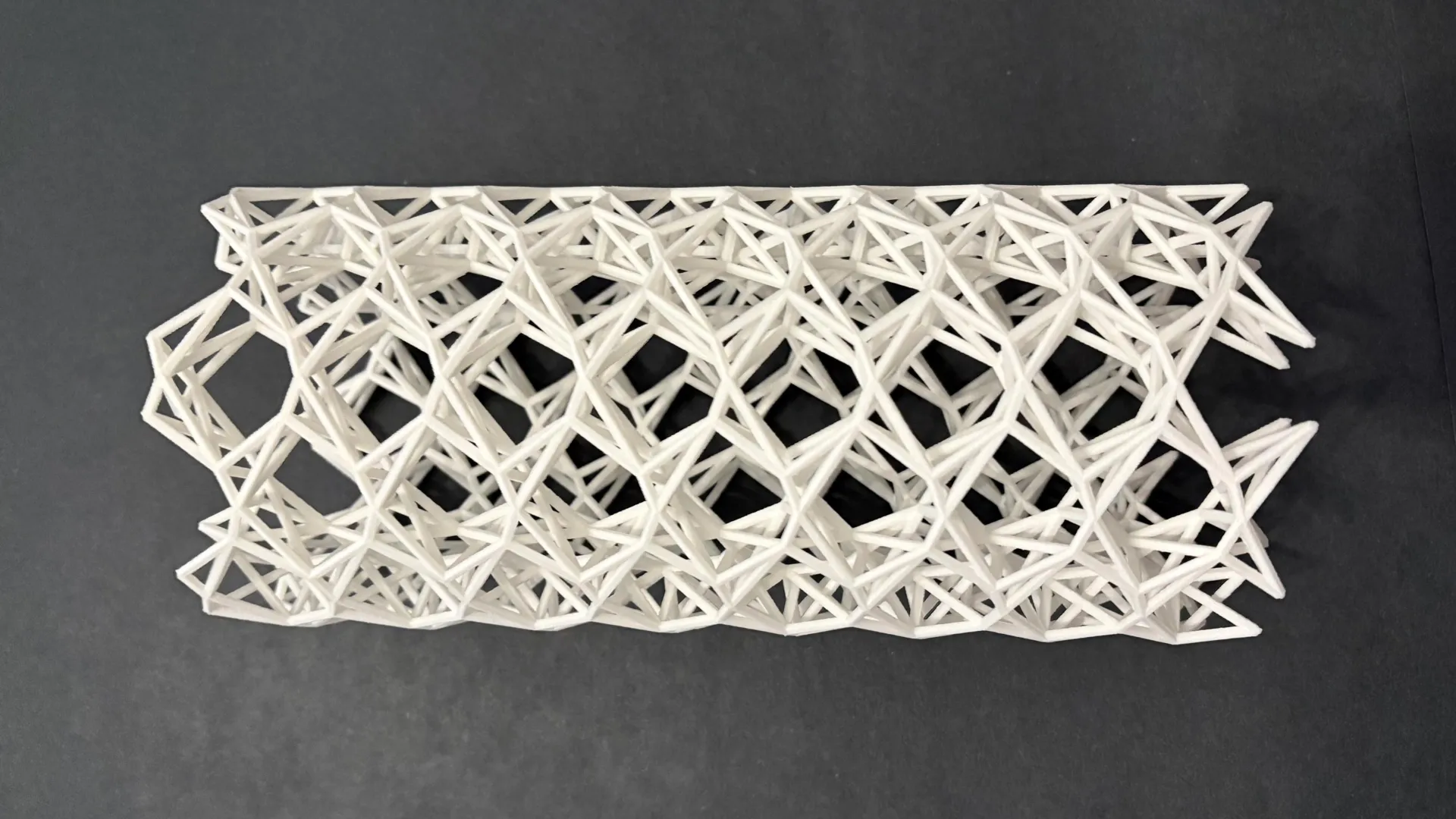
A collaboration between the University of Michigan and AFRL has resulted in 3D-printed metamaterials that can block vibrations using complex geometries. Inspired by nature and theoretical physics, these “kagome tubes” demonstrate how geometry can yield properties that chemistry alone cannot achieve. While the innovation could reshape structural design, researchers still face challenges in balanci…
New observations from the James Webb Space Telescope hint that the universe’s first stars might not have been ordinary fusion-powered suns, but enormous “supermassive dark stars” powered by dark matter annihilation. These colossal, luminous hydrogen-and-helium spheres may explain both the existence of unexpectedly bright early galaxies and the origin of the first supermassive black holes.
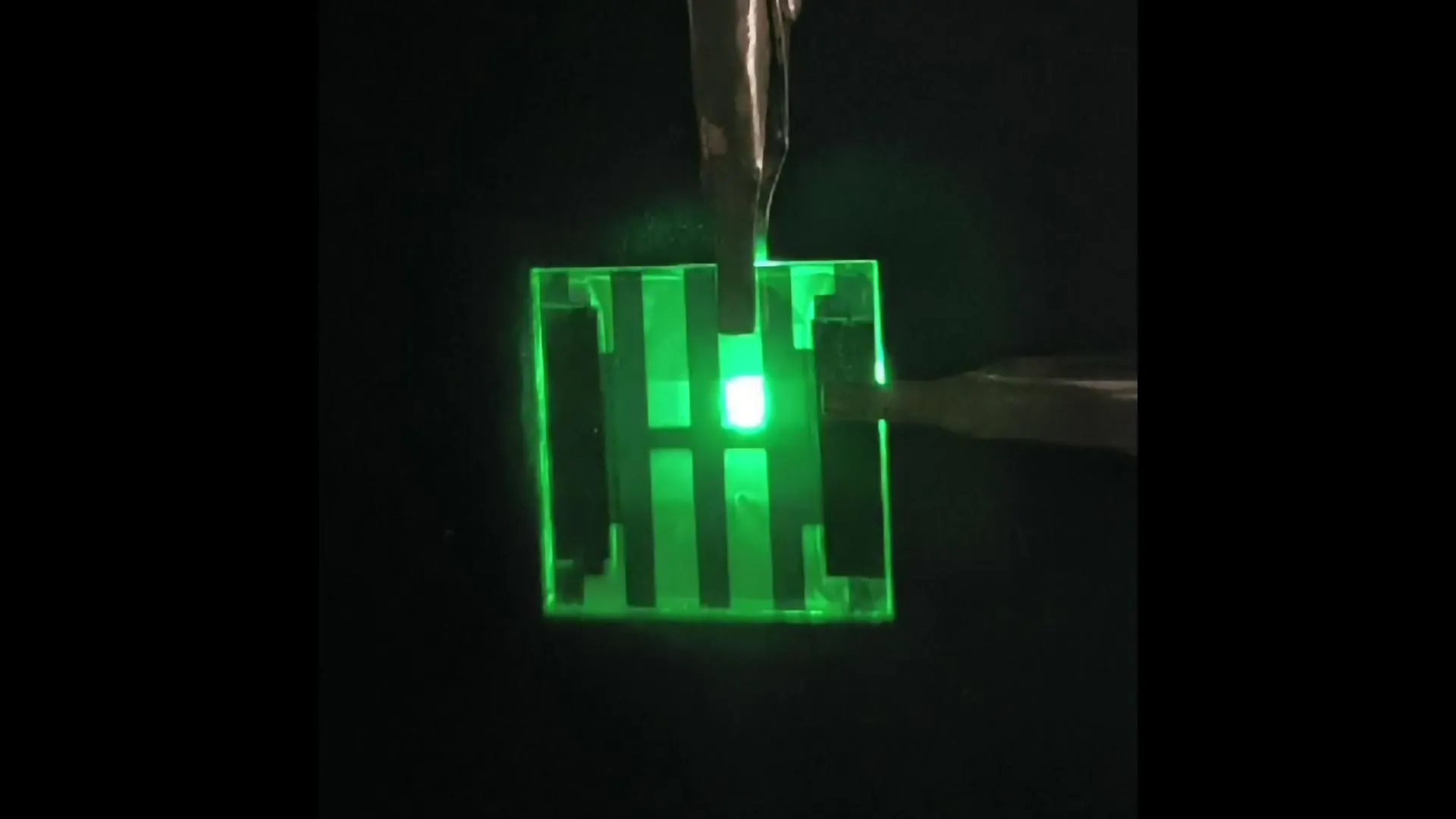
Scientists have developed an ultra-thin, paper-like LED that emits a warm, sunlike glow, promising to revolutionize how we light up our homes, devices, and workplaces. By engineering a balance of red, yellow-green, and blue quantum dots, the researchers achieved light quality remarkably close to natural sunlight, improving color accuracy and reducing eye strain.
A Penn State research team found that streetlights could double as affordable EV charging stations. After installing 23 units in Kansas City, they discovered these chargers were faster, cheaper, and more eco-friendly than traditional stations. Their AI-based framework also prioritized equity and scalability, making it adaptable for cities across the country.
Scientists at OIST have, for the first time, directly tracked the elusive “dark excitons” inside atomically thin materials. These quantum particles could revolutionize information technology, as they are more stable and resistant to environmental interference than current qubits.
Researchers have designed a new type of gravitational wave detector that operates in the milli-Hertz range, a region untouched by current observatories. Built with optical resonators and atomic clocks, the compact detectors can fit on a lab table yet probe signals from exotic binaries and ancient cosmic events. Unlike LIGO, they’re relatively immune to seismic noise and could start working long b…









 research.io