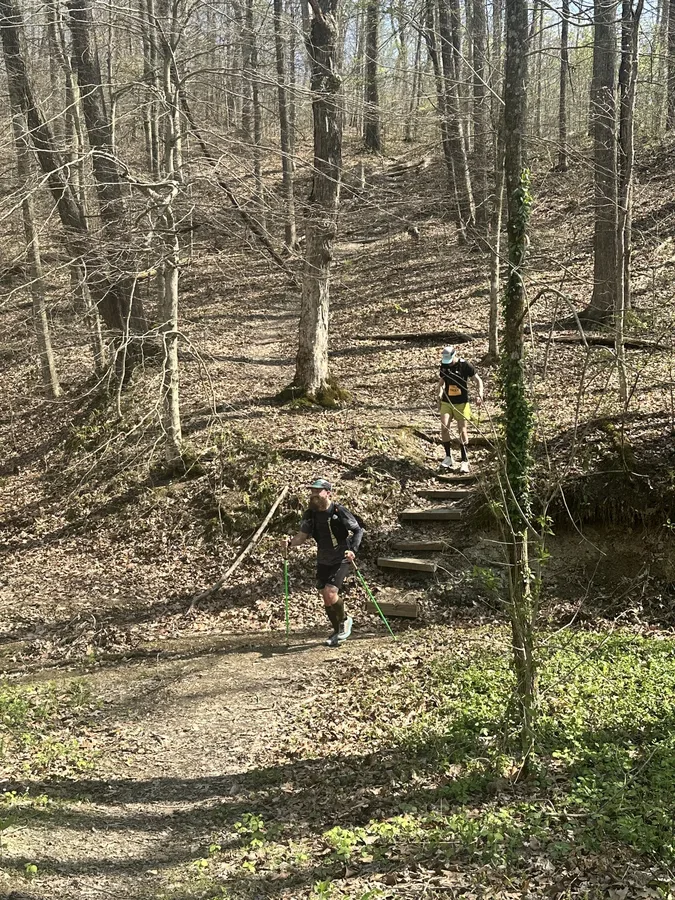
and it completely changed how I think about growth.
For starters, I’m not a lifelong runner. I dabbled a bit in my early 20’s,
but I didn’t start taking it seriously until a year and a half ago, at age
37.
Assistant Professor, Purdue University
Who am I?
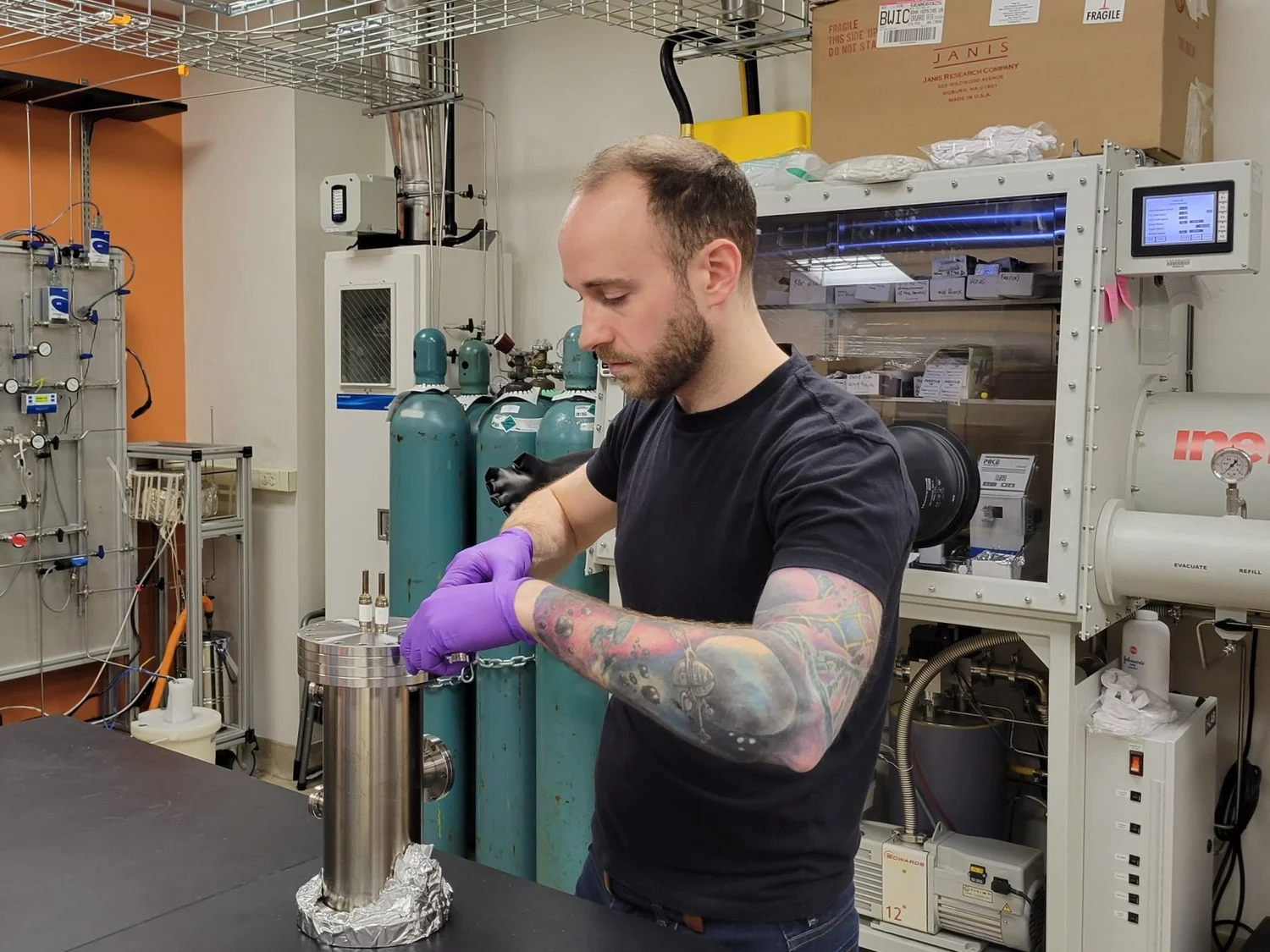
I'm an astrobiologist and Assistant Professor in the Earth, Atmospheric, and Planetary Sciences (EAPS) Department at Purdue University. The focus of my lab, the Laboratory for Origins and Astrobiology Research (LOAR) is to experimentally and theoretically explore the origin of life on Earth and the search for life on other worlds.
I will be hiring …
My Vision for the Laboratory for Origins and Astrobiology Research at Purdue - Part II: The Scientific Philosophy/Approach
There are many different approaches to scientific inquiry and experimentation. None are right or wrong, but your philosophy towards science will ultimately guide your lab’s research path - so it’s worth taking time to think about it.
What are some different approaches?
Lowest…
My Vision for the Laboratory for Origins and Astrobiology Research at Purdue - Part I: the Environment/Culture
What makes a research lab great?
This is the question I find myself asking as I prepare to open the Laboratory for Origins and Astrobiology Research (LOAR) in the fall of 2024.
My feeling is that it really comes down to creating an environment in which scientists can thrive.
All too ofte…
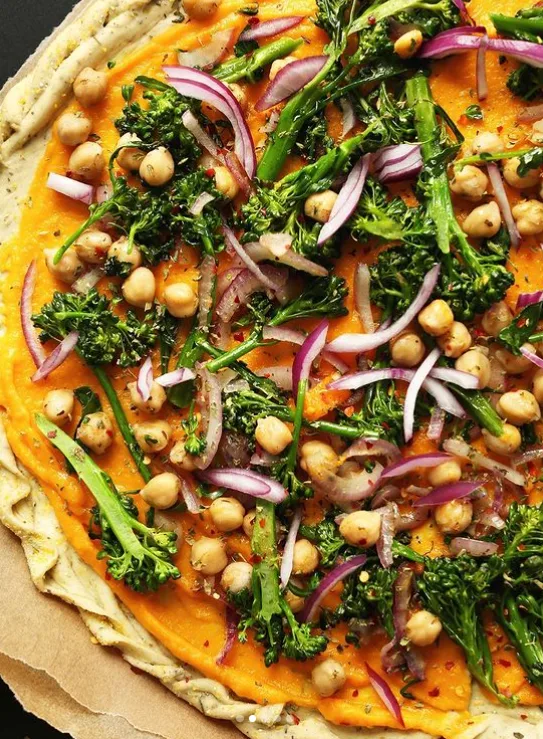
What I learned being vegan for the last decade
It’s been 10 years, and I still get asked about once a month why I chose to become vegan. Clearly people are interested!
“Why would anyone be vegan?! Haven’t you heard of cheese?"–they say. Well, here, I summarize my experience into 6 lessons that I’ve learned since I changed my diet.
Lesson 1: Becoming vegan made me enjoy cooking
In college, I basic…
My Experience on the Postdoc Market in Astrobiology/Astrophysics
I’m writing this as an autobiography. There may be some advice sprinkled in, but this isn’t an guide on how to successfully snatch a postdoc position. This is just my story, take it as you will.
Let’s start at the end of the story, like a Tarantino film. The happy ending: I was lucky enough to get 3 postdoc offers; one of which was …
How you can make your shadow travel faster than light
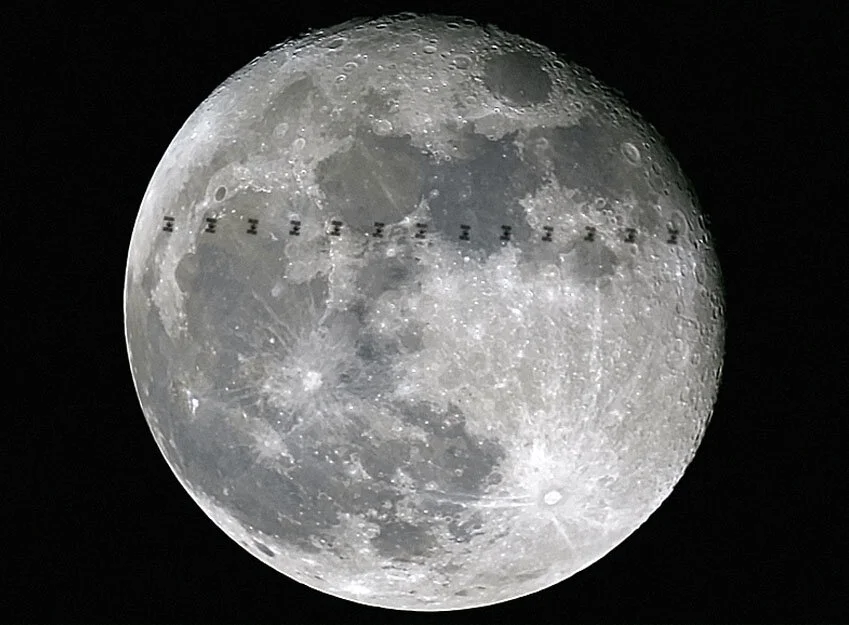
As physicists, we often say “nothing can travel faster than the speed of light.” You may have heard the words "cosmic speed limit" before and perhaps even know the value—approx. 300,000 km/s. So when I say your shadow can travel faster than light, I don't blame you if your skeptic senses are tingling. But humour me, because shadows are one thi…
Who am I?
I'm a PhD Candidate in theoretical astrophysics and astrobiology at the Origins Institute at McMaster University in Canada. I build numerical models based on chemical, geophysical, biological, and astrophysical data to try to understand one of the most fundamental mysteries in the cosmos: how did life begin?
Research Overview
One of the deepest questions intelligent beings can ponder is…
Addressing my unconscious bias
I recently took a few online implicit association tests (IATs). These tests were originally developed by researchers at Harvard to explore the roots of unconscious thinking, and were later offered to the public so that individuals can gain more awareness of their unconscious preferences and beliefs. There is an IAT for race, sexuality, weight, age, gender in science…
Has anybody, in their entire life, travelled an astronomical unit?
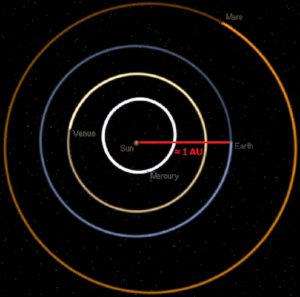
Just how far is an astronomical unit (AU)? Such an enormous distance is not easy to comprehend. I could say, well, it’s the average distance from the Earth to the Sun. But nobody can actually travel from the Earth to the Sun to get a feel for that distance (and even a future space explorer would never travel it in a straight line)…
PhD Students
Ishaan Madan graduated with a BA in Biochemistry in 2022 from Wheaton College, Massachusetts. He began his PhD in Fall 2024.
“I transitioned from a pre-med focus to space sciences and astrobiology, driven by a childhood fascination with space exploration missions and life beyond Earth. Beginning my research career with no prior experience, I gradually advanced to a role on NASA’s Dra…