Join us in celebrating Professor Masayoshi Tomizuka’s half-century achievements. This special occasion gathers alumni, colleagues, students, and friends from around the world to honor his contributions to the control of mechanical systems. Professor Tomizuka has mentored generations of researchers and engineers throughout his distinguished career. This event will serve as a wonderful opportunity …
The Executive Committee of the ASME Applied Mechanics Division is pleased to congratulate Professor David Steigmann, Professor of Mechanical Engineering at the University of California at Berkeley, as the recipient of the 2026 Warner T. Koiter Medal. This award, which includes a medal, a certificate, and an honorarium, will be presented at the AMD Honors and Awards… The post ME Professor David St…
Fallen pinecones lie scattered across wet grass. Shaken free by a powerful overnight storm, they are now soaked, their scales closed tight. A young girl splashing through forest puddles picks one up and carries it home. As it dries, she watches in fascination as the sealed scales gradually splay open. The pinecone changes shape through… The post Material Intelligence appeared first on UC Berkeley…
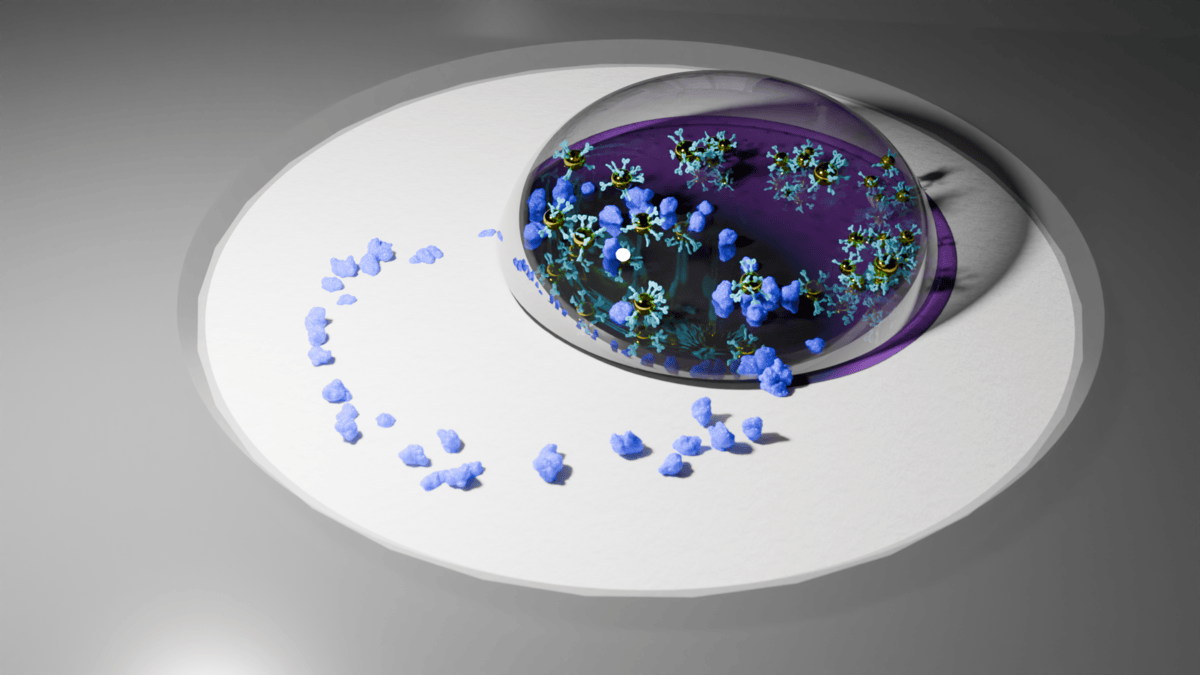
Look at any coffee stain, and you’ll see that the outline is much darker than the interior. This “coffee-ring effect” occurs when a droplet of liquid evaporates, pushing suspended particles toward the edge. If the particles are pigmented, as in coffee, the stain’s rim appears darker around the rim than its center. Now, Berkeley engineers… The post From drop to diagnosis appeared first on UC Berke…
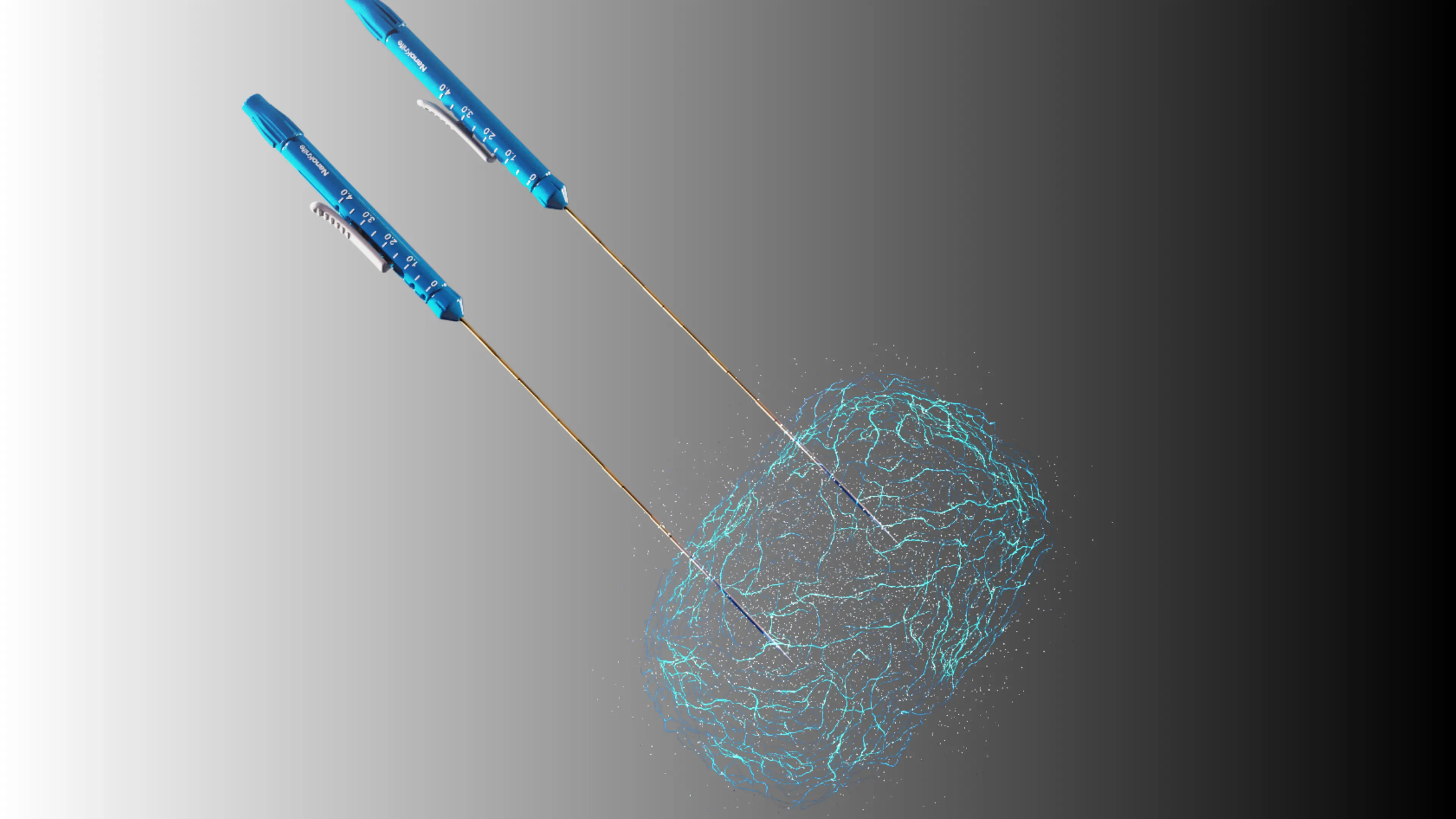
Non Thermal Irreversible Electroporation treatment, developed by Bioenginering and Mechanical Engineering professor Boris Rubinsky, is now the technology behind the Nanoknife. Licensed from Berkeley by AngioDynamics, the Nanoknife uses electric currents to quickly and easily reach remote tumors in prostate cancer. University College London Hospital was recently the first hospital to use the treat…
UC Berkeley’s College of Engineering is launching a new research center that will leverage blockchain and digital twin technologies in order to reimagine how physical assets are captured, valued, verified and exchanged in a digital world. Ripple’s University Blockchain Research Initiative (UBRI) is providing the foundational funding for the new Center for Digital Assets (CDA)… The post $1.3M gift…
A new technology created by UC Berkeley engineers uses the “coffee-ring effect,” paired with plasmonics and AI, for rapid diagnostics. The post From COVID to cancer, new at-home test spots disease with startling accuracy appeared first on UC Berkeley Mechanical Engineering .
UC Berkeley Professor Michael Gollner and his students are applying advanced wildfire simulation tools to help neighborhoods understand their specific wildfire risks. The post Wildfire season is here. UC Berkeley scholars are helping Bay Area communities prepare. appeared first on UC Berkeley Mechanical Engineering .
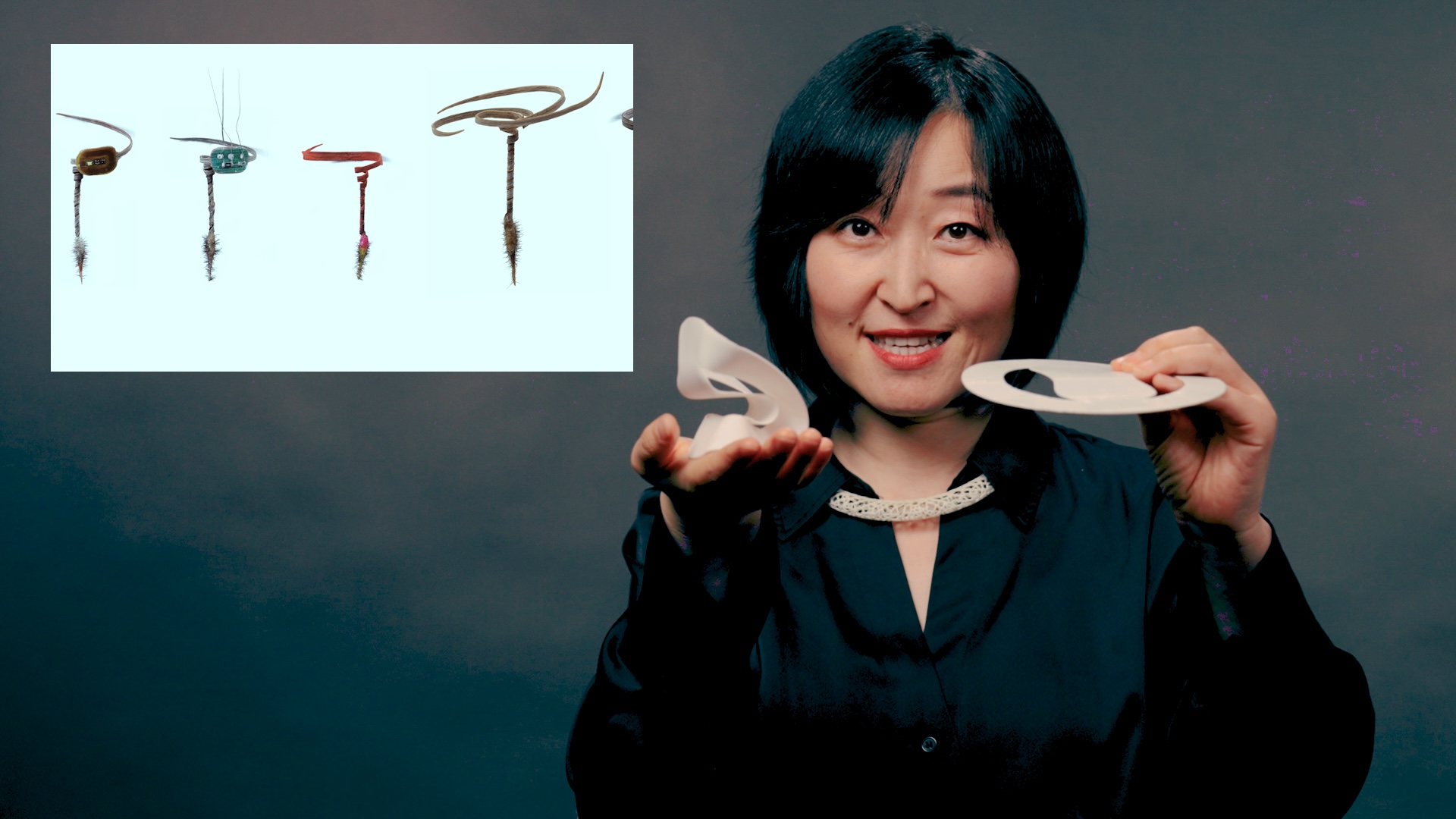
From self-folding chairs to self-planting seeds, UC Berkeley’s Morphing Matter Lab is transforming what’s possible in engineering design with their biomimetic materials. The post Inspired by nature, this engineering professor’s designs fold, move and morph appeared first on UC Berkeley Mechanical Engineering .
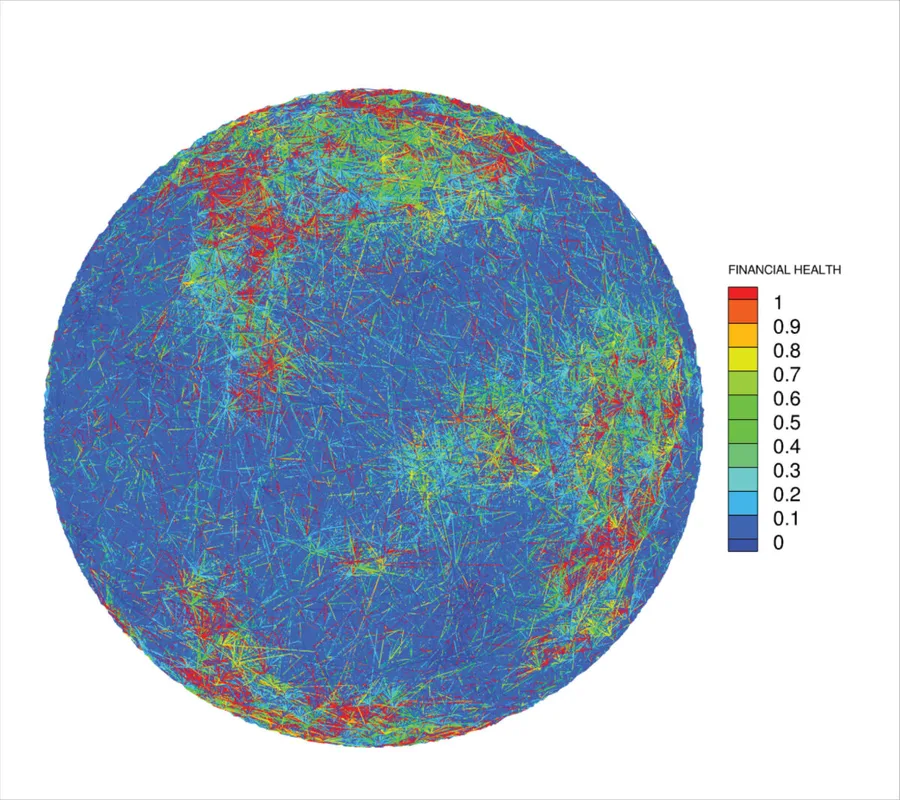
The IE School of Science & Technology (IE Sci-Tech) and the Mechanical Engineering Department of the University of California, Berkeley, are pleased to announce a strategic research collaboration under the IEX Research Xcelerator, aimed at advancing digital-twin modeling of global financial systems. The initiative supports IE School of Science & Technology’s mission to drive interdisciplinary… Th…
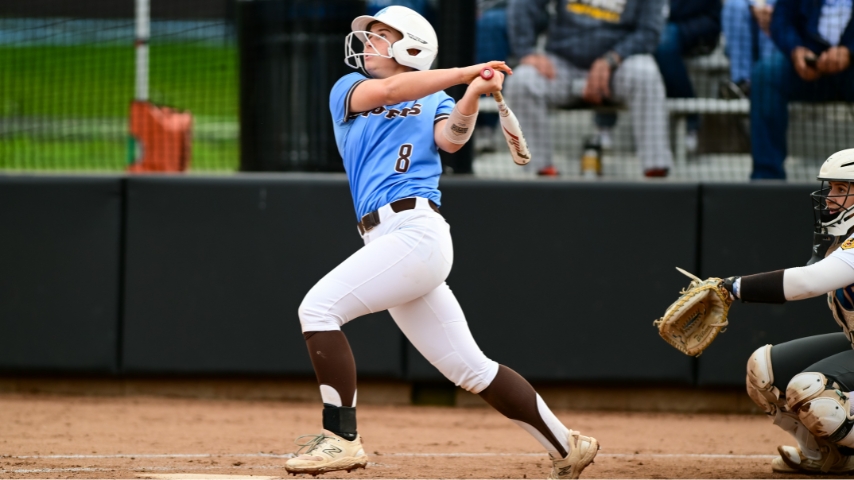
As artificial intelligence, autonomous cars, intelligent robots, and space exploration dominate social media, science and engineering are now in style. And the students with the unique capability to find solutions that save the earth, make life easier, and help explain the inexplicable, are cool, especially if they are also elite athletes competing at the collegiate… The post When Student Athlete…
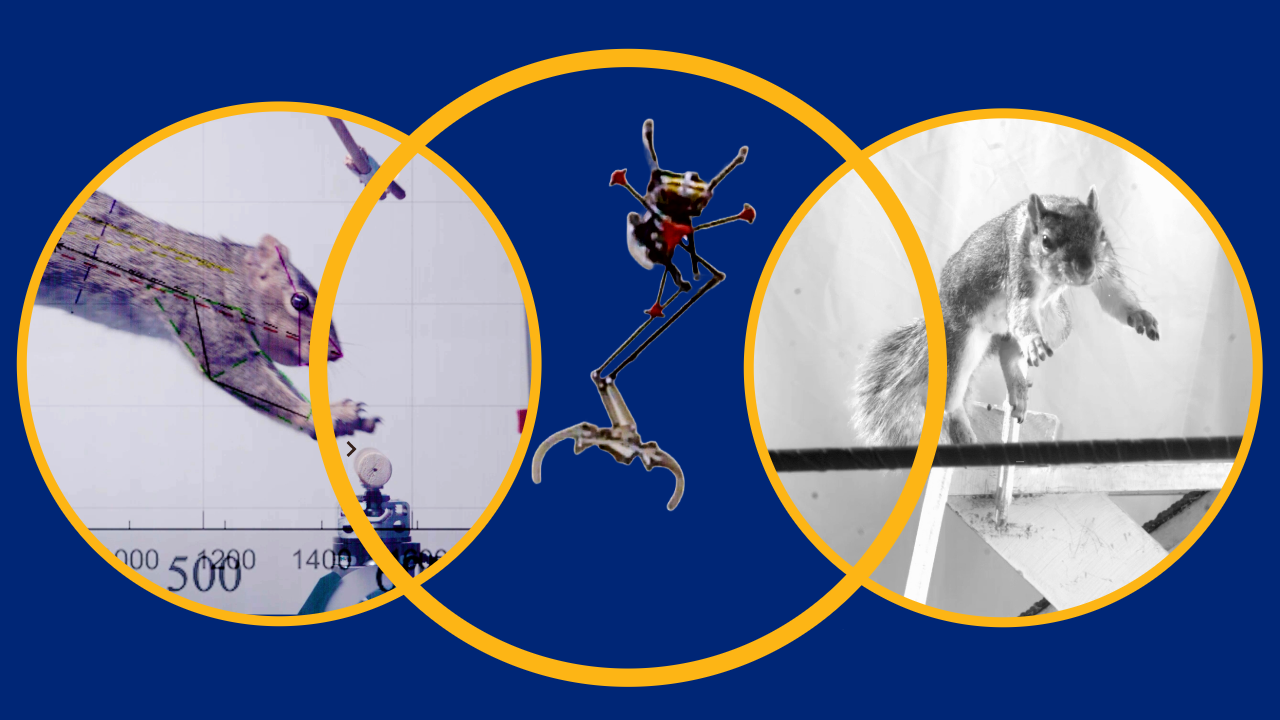
Engineers have designed robots that crawl, swim, fly and even slither like a snake, but no robot can hold a candle to a squirrel, which can parkour through a thicket of branches, leap across perilous gaps and execute pinpoint landings on the flimsiest of branches. The post No robot can match a squirrel’s ability to leap from limb to limb — until now appeared first on UC Berkeley Mechanical Engine…






 research.io