Thermodynamics News -- ScienceDaily
A long-standing law of thermodynamics turns out to have a loophole at the smallest scales. Researchers have shown that quantum engines made of correlated particles can exceed the traditional efficiency limit set by Carnot nearly 200 years ago. By tapping into quantum correlations, these engines can produce extra work beyond what heat alone allows. This could reshape how scientists design future n…
Researchers at TU Wien have discovered a quantum system where energy and mass move with perfect efficiency. In an ultracold gas of atoms confined to a single line, countless collisions occur—but nothing slows down. Instead of diffusing like heat in metal, motion travels cleanly and undiminished, much like a Newton’s cradle. The finding reveals a striking form of transport that breaks the usual ru…
Inside high-energy proton collisions, quarks and gluons briefly form a dense, boiling state before cooling into ordinary particles. Researchers expected this transition to change how disordered the system is, but LHC data tell a different story. A newly improved collision model matches experiments better than older ones and reveals that the “entropy” remains unchanged throughout the process. This…
Scientists have developed molecular devices that can switch roles, behaving as memory, logic, or learning elements within the same structure. The breakthrough comes from precise chemical design that lets electrons and ions reorganize dynamically. Unlike conventional electronics, these devices do not just imitate intelligence but physically encode it. This approach could reshape how future AI hard…
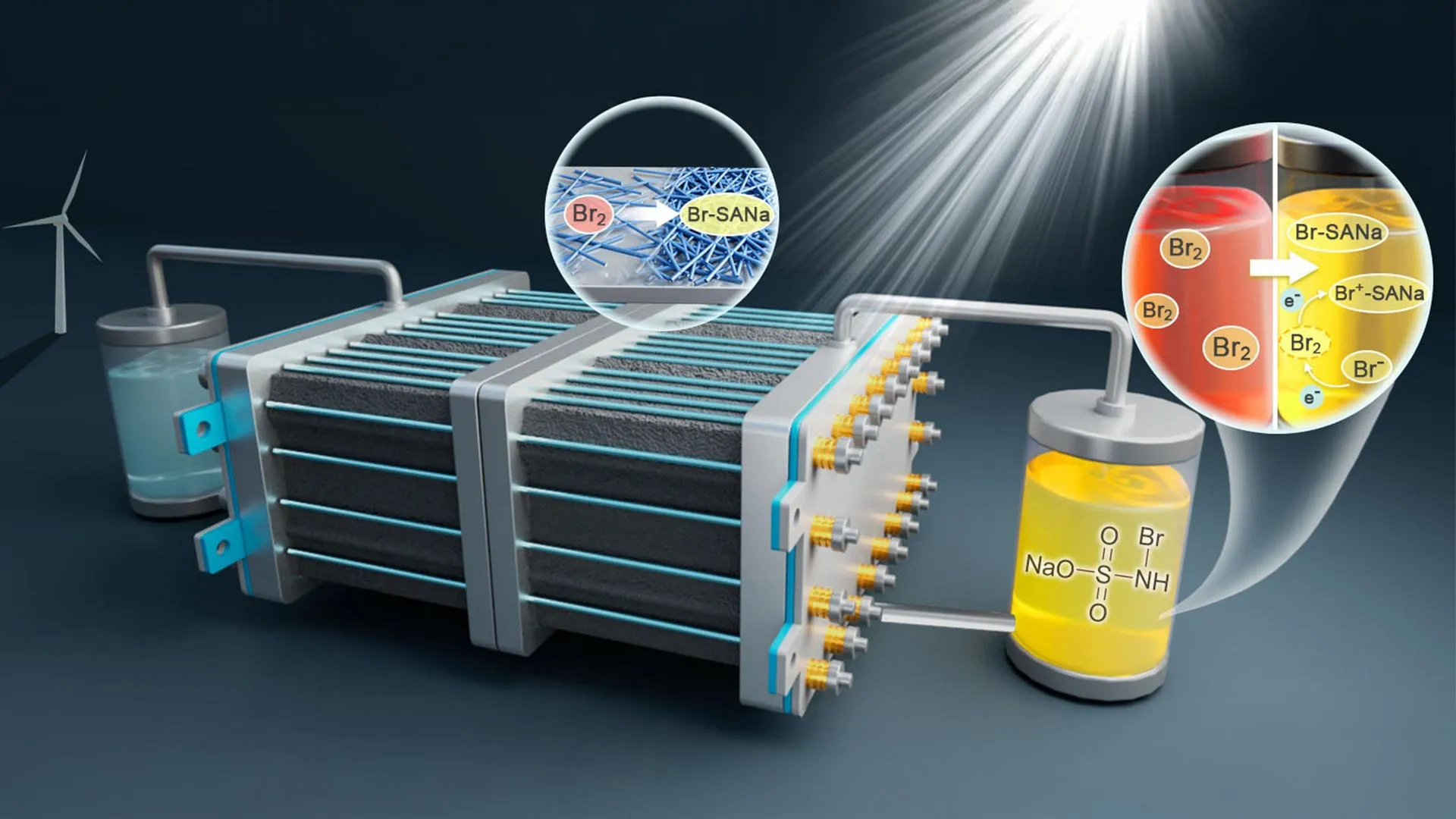
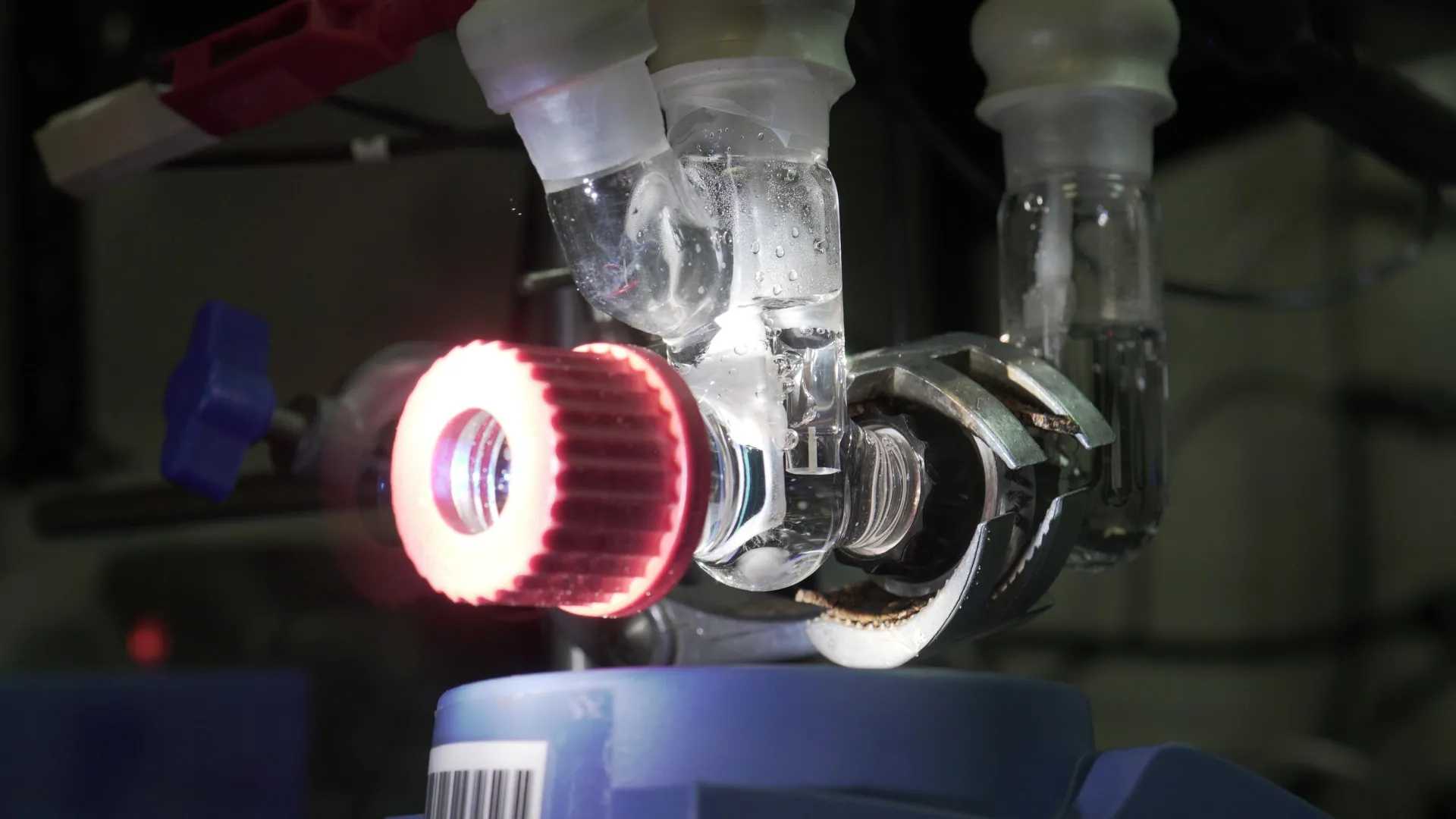
A new advance in bromine-based flow batteries could remove one of the biggest obstacles to long-lasting, affordable energy storage. Scientists developed a way to chemically capture corrosive bromine during battery operation, keeping its concentration extremely low while boosting energy density through a two-electron reaction. This approach sharply reduces damage to battery components and allows t…
Black holes are among the most extreme objects in the universe, and now scientists can model them more accurately than ever before. By combining Einstein’s gravity with realistic behavior of light and matter, researchers have built simulations that closely match real astronomical observations. These models reveal how matter forms chaotic, glowing disks and launches powerful outflows as it falls i…
Superconductors promise loss-free electricity, but most only work at extreme cold. Hydrogen-rich materials changed that—yet their inner workings remained hidden because they only exist under enormous pressure. Now, researchers have directly measured the superconducting state of hydrogen sulfide using a novel tunneling method, confirming how its electrons pair so efficiently. The discovery brings …
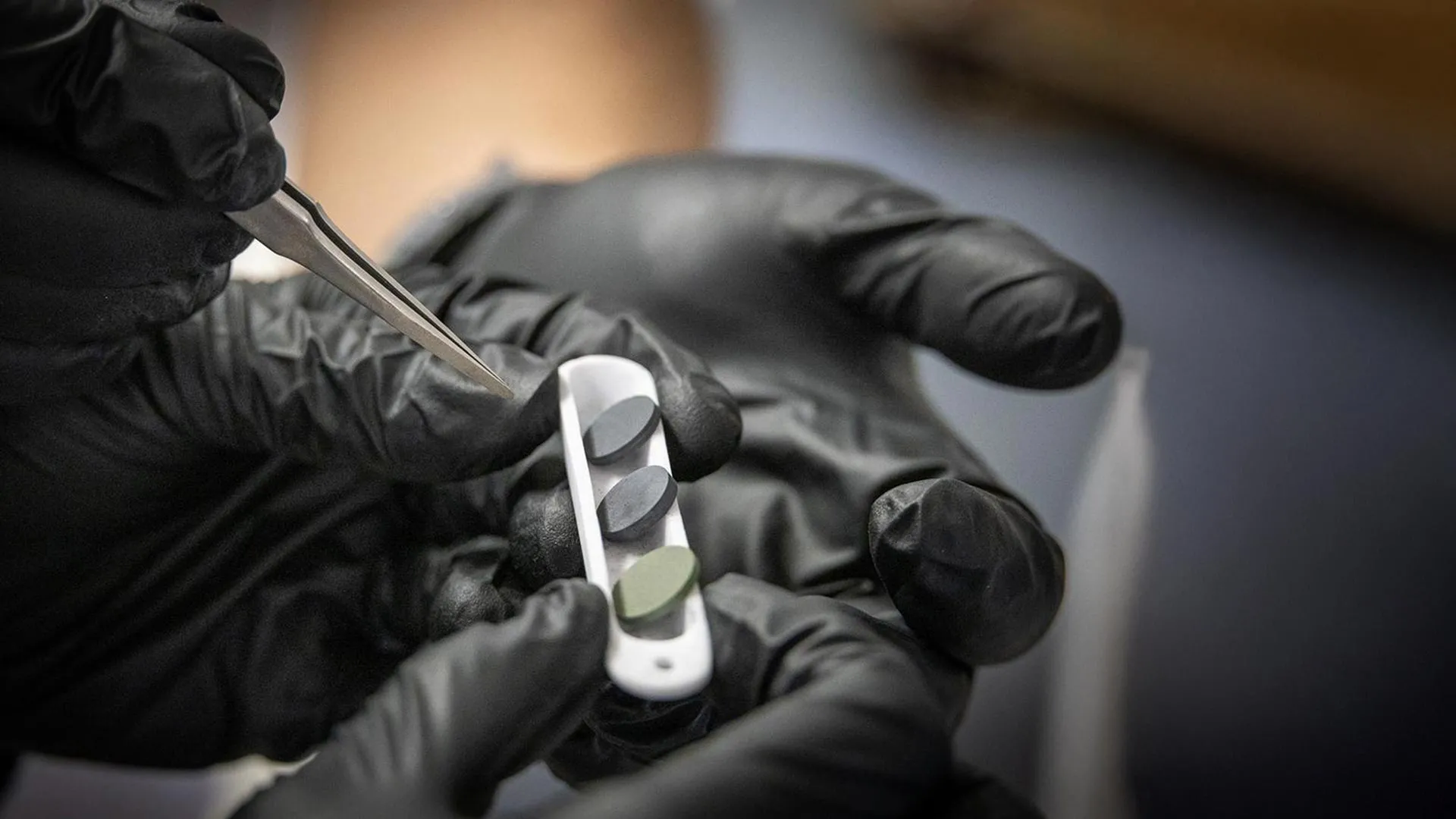
Penn State researchers created seven new high-entropy oxides by removing oxygen during synthesis, enabling metals that normally destabilize to form rock-salt ceramics. Machine learning helped identify promising compositions, and advanced imaging confirmed their stability. The method offers a flexible framework for creating materials once thought impossible to synthesize.
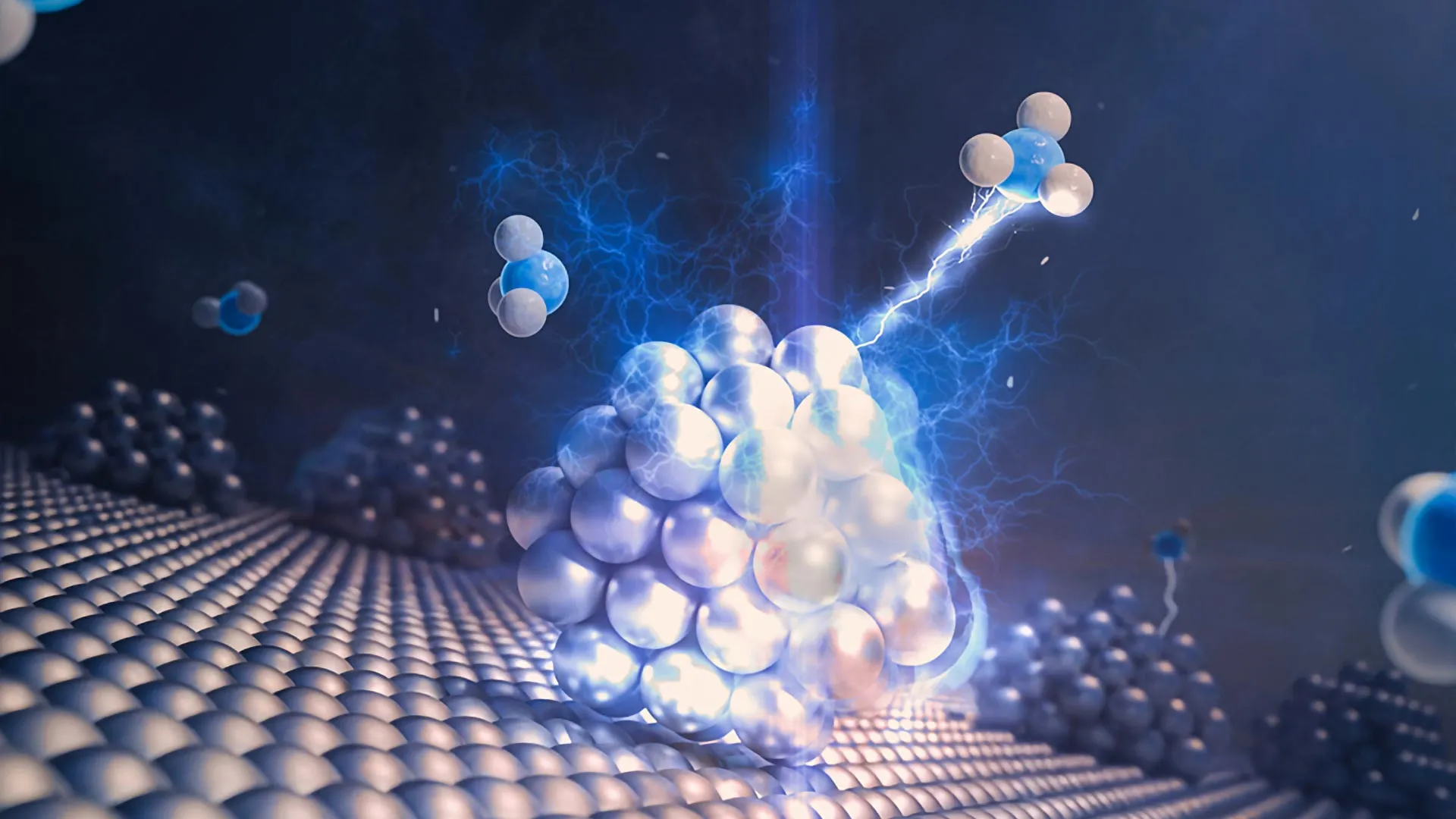
Scientists have directly measured the minuscule electron sharing that makes precious-metal catalysts so effective. Their new technique, IET, reveals how molecules bind and react on metal surfaces with unprecedented clarity. The insights promise faster discovery of advanced catalysts for energy, chemicals, and manufacturing.
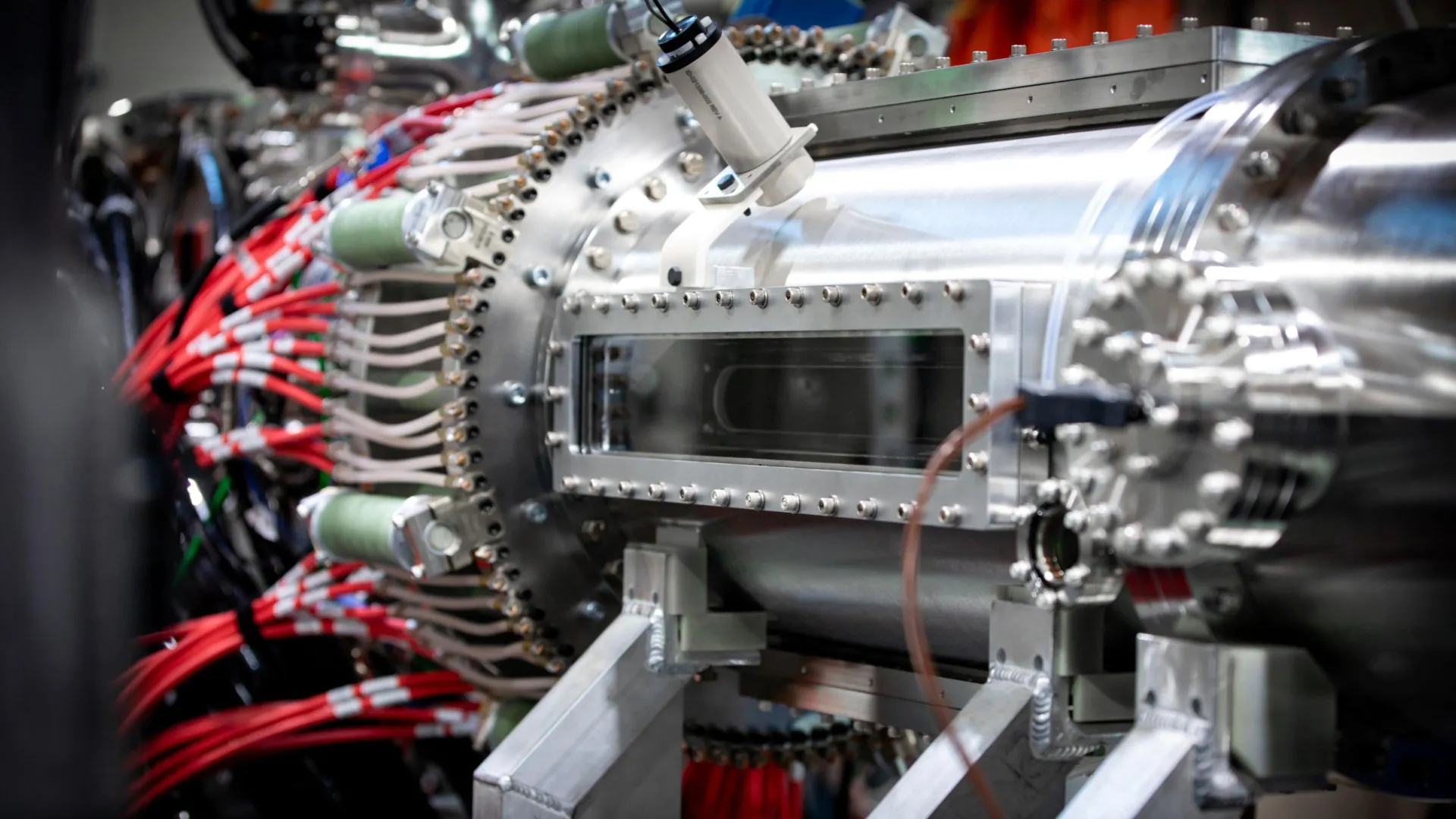
Operating a new device named the Fusion Z-pinch Experiment 3, or FuZE-3, Zap Energy has now achieved plasmas with electron pressures as high as 830 megapascals (MPa), or 1.6 gigapascals (GPa) total, comparable to the pressures found deep below Earth’s crust.
Scientists built a tiny clock from single-electron jumps to probe the true energy cost of quantum timekeeping. They discovered that reading the clock’s output requires vastly more energy than the clock uses to function. This measurement process also drives the irreversibility that defines time’s forward direction. The insight could push researchers to rethink how quantum devices handle informatio…
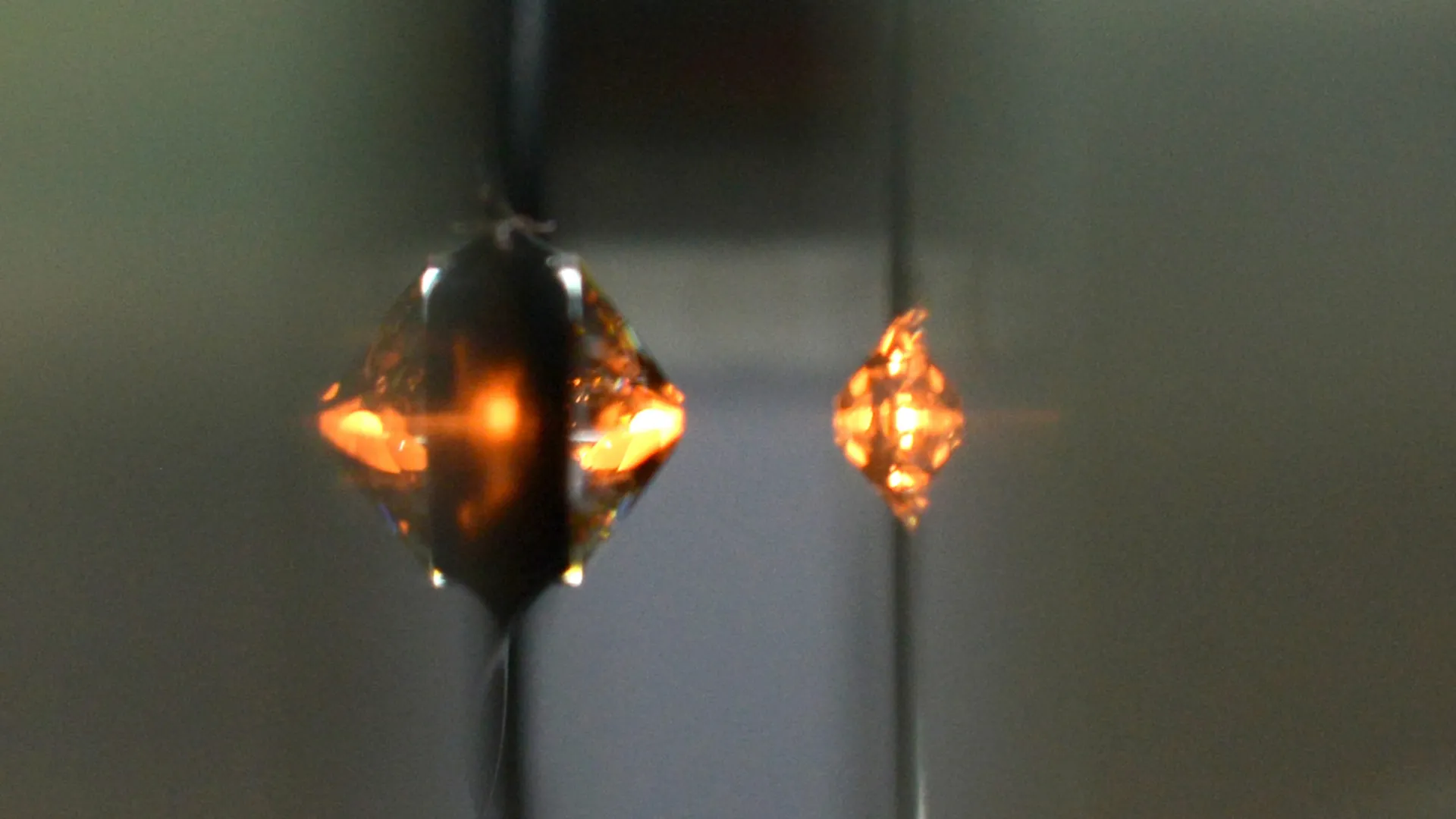
Researchers at KRISS observed water’s rapid freeze–melt cycles under ultrahigh pressure and discovered Ice XXI, the first new ice phase found in decades. Using advanced high-pressure tech and microsecond XFEL imaging, they uncovered complex crystallization pathways never seen before. Ice XXI’s structure resembles the high-pressure ice found inside Jupiter and Saturn’s moons, hinting at planetary …
Astronomers are rethinking one of cosmology’s biggest mysteries: dark energy. New findings show that evolving dark energy models, tied to ultra-light axion particles, may better fit the universe’s expansion history than Einstein’s constant model. The results suggest dark energy’s density could be slowly declining, altering the fate of the cosmos and fueling excitement that we may be witnessing th…
Cambridge researchers have engineered a solar-powered “artificial leaf” that mimics photosynthesis to make valuable chemicals sustainably. Their biohybrid device combines organic semiconductors and enzymes to convert CO₂ and sunlight into formate with high efficiency. It’s durable, non-toxic, and runs without fossil fuels—paving the way for a greener chemical industry.
Penn State scientists have devised a new method to predict superconducting materials that could work at higher temperatures. Their model bridges classical superconductivity theory with quantum mechanics through zentropy theory. This breakthrough could guide the discovery of powerful, resistance-free materials for real-world use and transform energy technology.
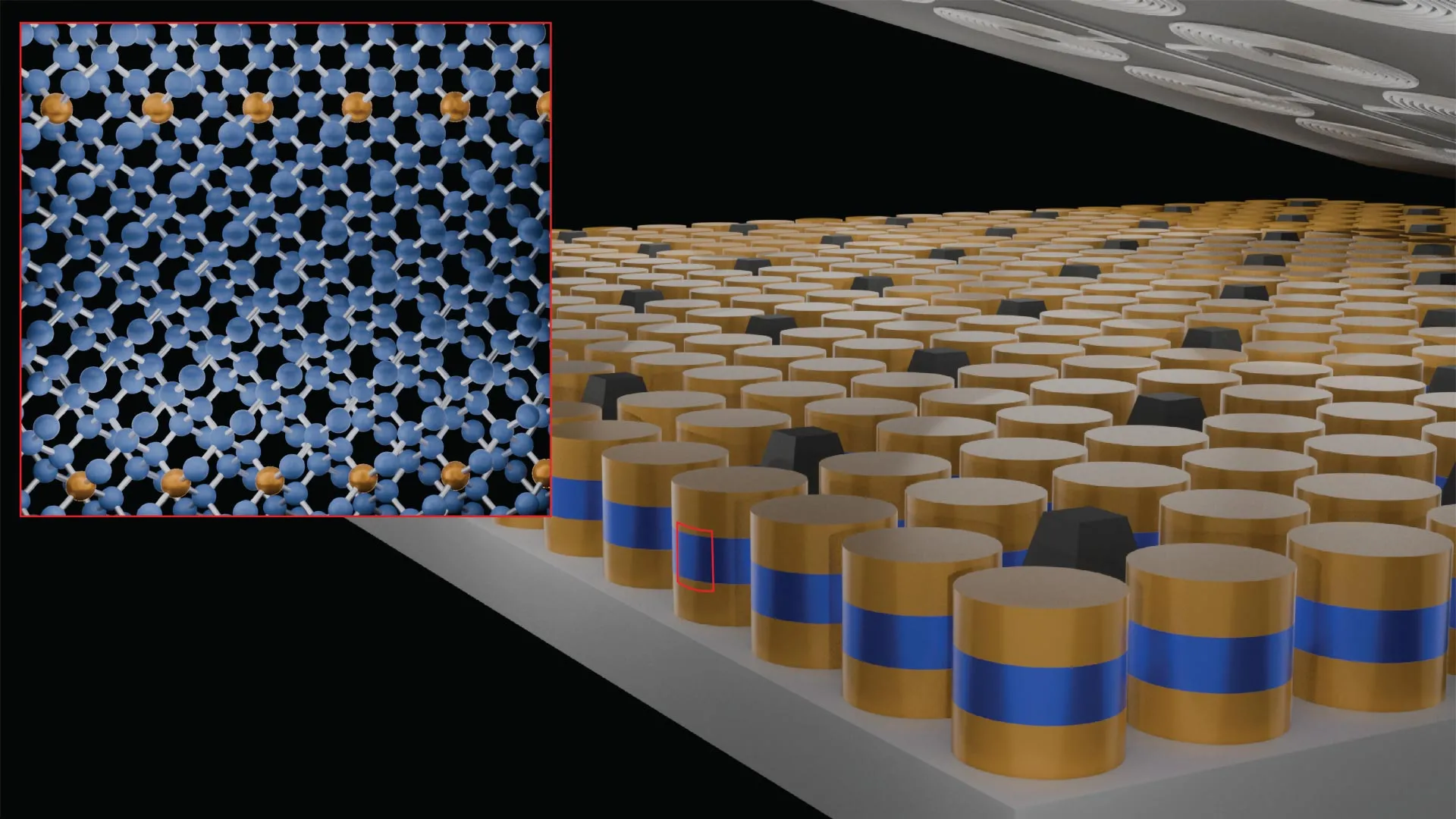
Researchers have made germanium superconducting for the first time, a feat that could transform computing and quantum technologies. Using molecular beam epitaxy to embed gallium atoms precisely, the team stabilized the crystal structure to carry current without resistance. The discovery paves the way for scalable, energy-efficient quantum devices and cryogenic electronics.
Rice University researchers have captured the temperature profile of quark-gluon plasma, the ultra-hot state of matter from the dawn of the universe. By analyzing rare electron-positron emissions from atomic collisions, they determined precise temperatures at different phases of the plasma’s evolution. The results not only confirm theoretical predictions but also refine the “QCD phase diagram,” w…
A team of researchers has designed a theoretical model for a topological quantum battery capable of long-distance energy transfer and immunity to dissipation. By exploiting topological properties in photonic waveguides, they showed that energy loss can not only be prevented but briefly enhance charging power. This breakthrough may lead to efficient nanoscale batteries and pave the way for practic…
Scientists from the Indian Institute of Science (IISc) and Caltech have finally solved a decades-old mystery about how photosynthesis really begins. They discovered why energy inside plants flows down only one of two possible routes — a design that lets nature move sunlight with astonishing precision. Using advanced computer simulations, the researchers showed that one branch has a much higher en…
research.ioSign up to keep scrolling
Create your feed subscriptions, save articles, keep scrolling.