MIT McGovern Institute
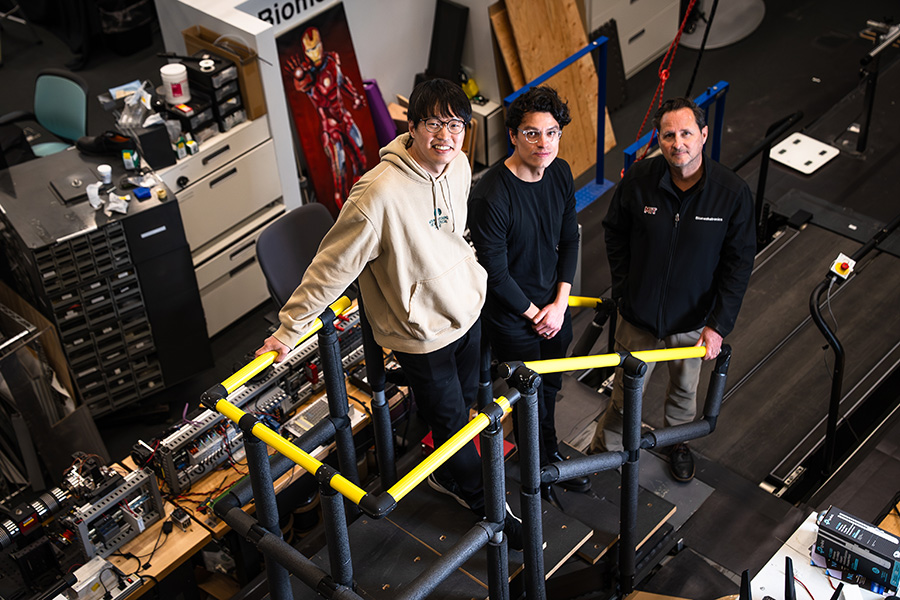
Michale Fee, the Glen V. and Phyllis F. Dorflinger Professor of Neuroscience and head of the Department of Brain and Cognitive Sciences, and Fan Wang, a professor of brain and cognitive sciences, have been elected to join the National Academy of Sciences (NAS). Fee and Wang, who are also investigators at the McGovern Institute for […] The post Michale Fee and Fan Wang Elected to the National Acad…
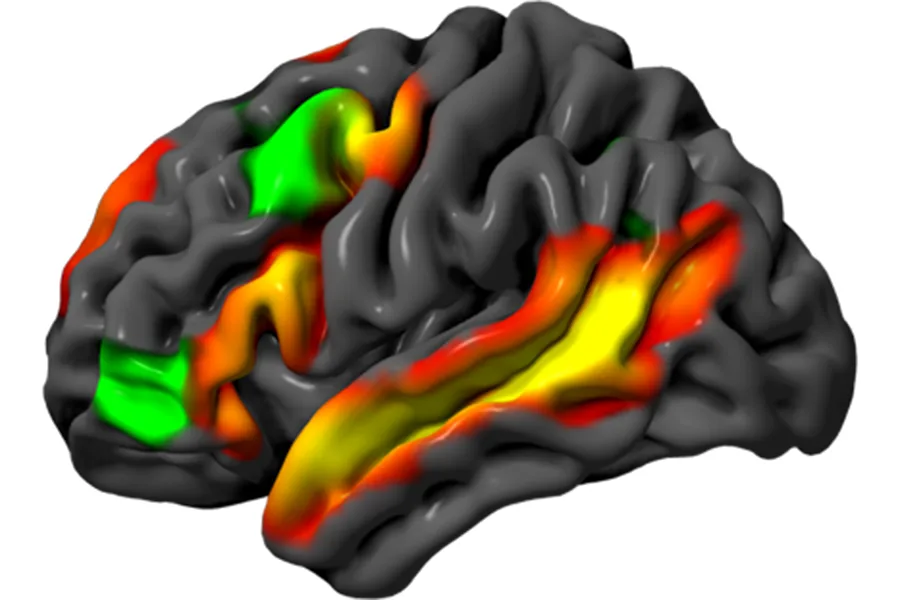
This story also appears in our Spring 2026 BrainScan newsletter. *** Schizophrenia, a complex and variable psychiatric disorder, changes people’s perceptions of reality. People with schizophrenia may hear, see, or sense things that aren’t there, and they often hold firm to mistaken ideas about the world despite strong evidence to the contrary. As if these […] The post A different reality appeared…
<
As people age, their immune system function declines. T cell populations become smaller and can’t react to pathogens as quickly, making people more susceptible to a variety of infections. To try to overcome that decline, researchers at MIT and the Broad Institute have found a way to temporarily program cells in the liver to improve […] The post New study suggests a way to rejuvenate the immune sy…
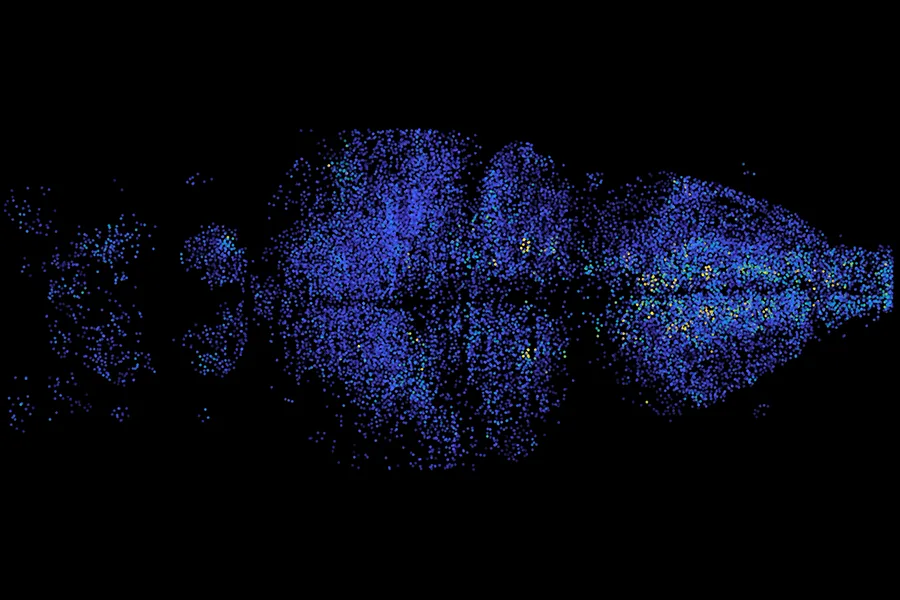
This story also appears in the Winter 2026 issue of BrainScan. *** Neuroscientists today have the most spectacular views of brains that the field has ever seen. Modern microscopes can reveal extraordinary levels of detail, offering scientists another piece of the vast and intricate puzzle of how neurons interconnect. A comprehensive wiring diagram of the […] The post All the connections appeared…
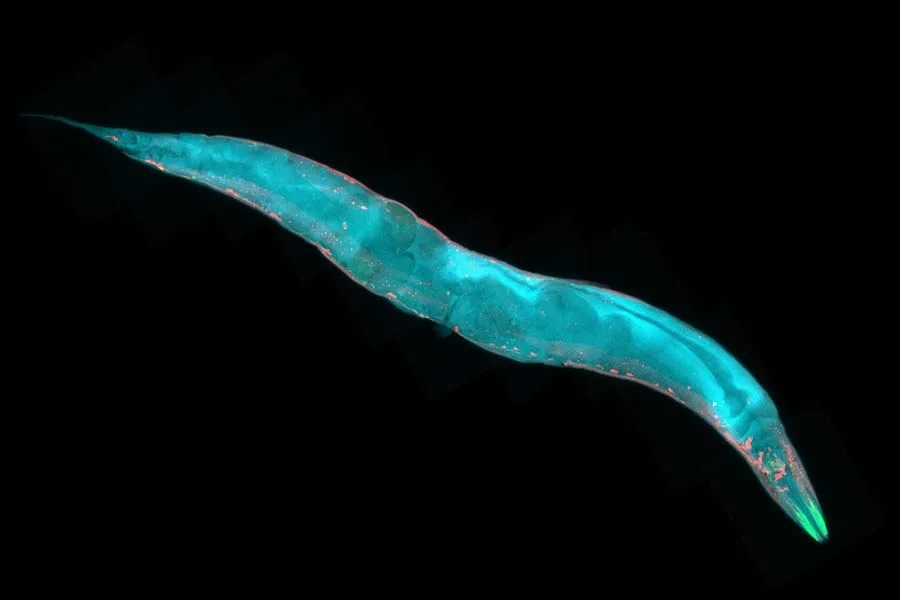
For decades, scientists with big questions about biology have found answers in a tiny worm. That worm–a millimeter-long creature called Caenorhabditis elegans–has helped researchers uncover fundamental features of how cells and organisms work. The impact of that work is enormous: Discoveries made using C. elegans have been recognized with four Nobel prizes and have led […] The post Celebrating wo…
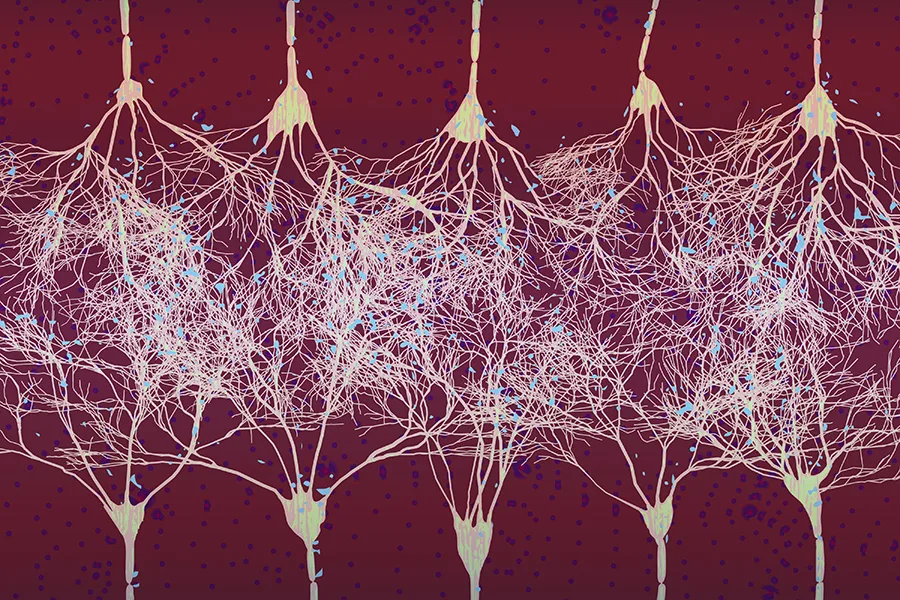
On this day, December 10th, nearly 120 years ago, Santiago Ramón y Cajal received a Nobel Prize for capturing and interpreting the very first images of the brain’s most essential components — neurons. “Many scientists consider Cajal the progenitor of neuroscience because he was the first to really see the brain for what it was: […] The post Who discovered neurons? appeared first on MIT McGovern I…
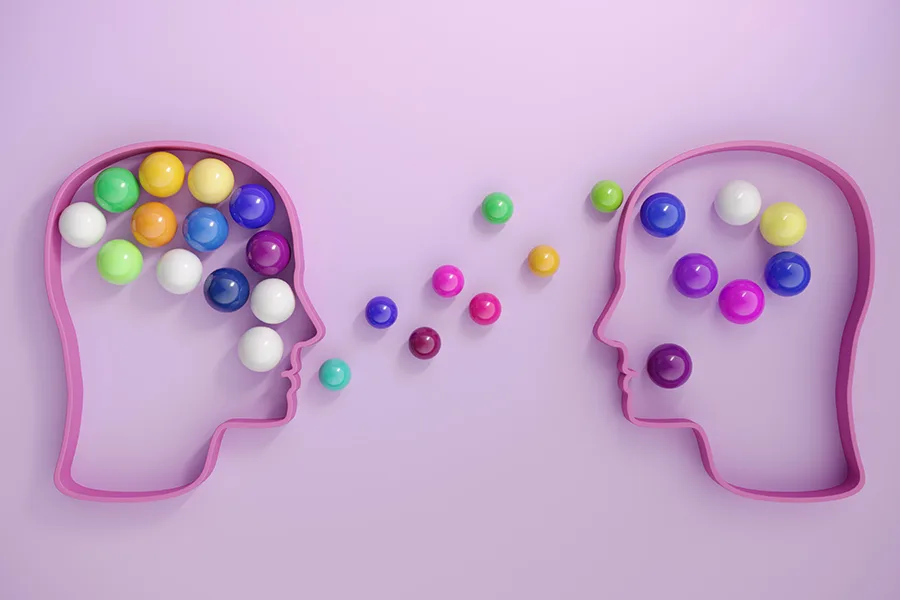
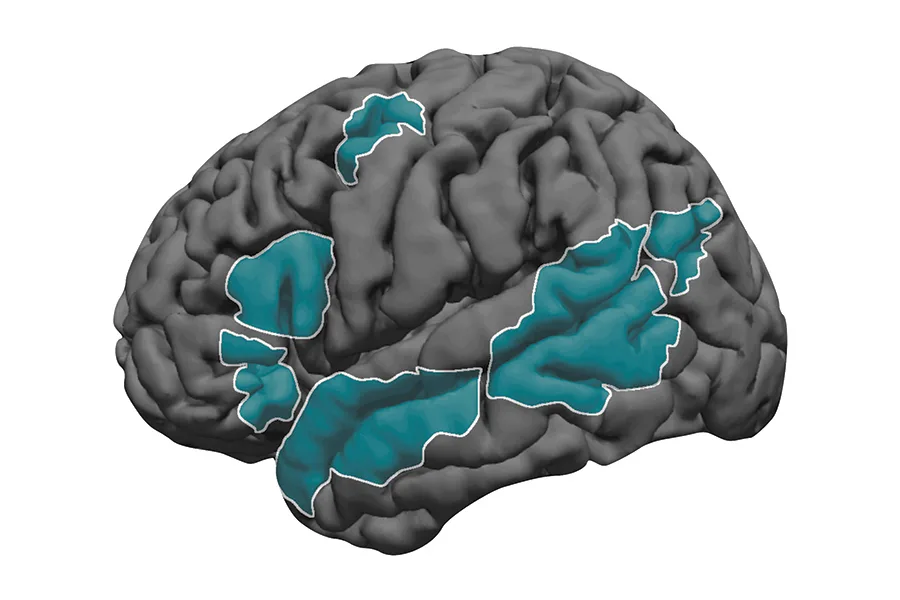
In everyday conversation, it’s critical to understand not just the words that are spoken, but the context in which they are said. If it’s pouring rain and someone remarks on the “lovely weather,” you won’t understand their meaning unless you realize that they’re being sarcastic. Making inferences about what someone really means when it doesn’t […] The post When it comes to language, context matte…
This winter, may our connections spark new possibilities for the year ahead. What makes us who we are? How do billions of neurons working together become our thoughts, feelings, and memories? How do they spark imagination and creativity? By tracing these connections, mapping how each neuron links to another, McGovern scientists are carving a path […] The post Season’s Greetings from the McGovern …
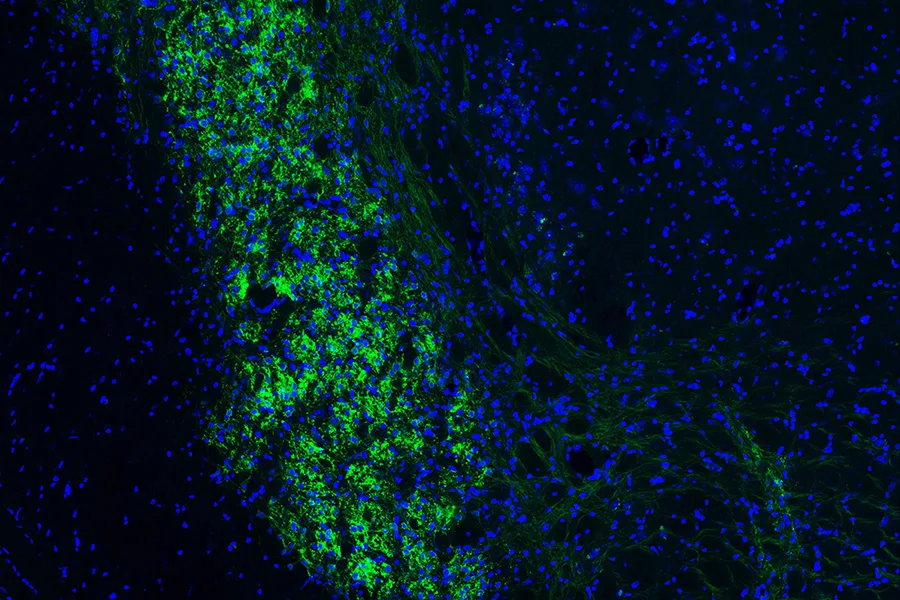
When it comes to brain function, neurons get a lot of the glory. But healthy brains depend on the cooperation of many kinds of cells. The most abundant of the brain’s non-neuronal cells are astrocytes, star-shaped cells with a lot of responsibilities. Astrocytes help shape neural circuits, participate in information processing, and provide nutrient and […] The post Astrocyte diversity across spac…
research.ioSign up to keep scrolling
Create your feed subscriptions, save articles, keep scrolling.