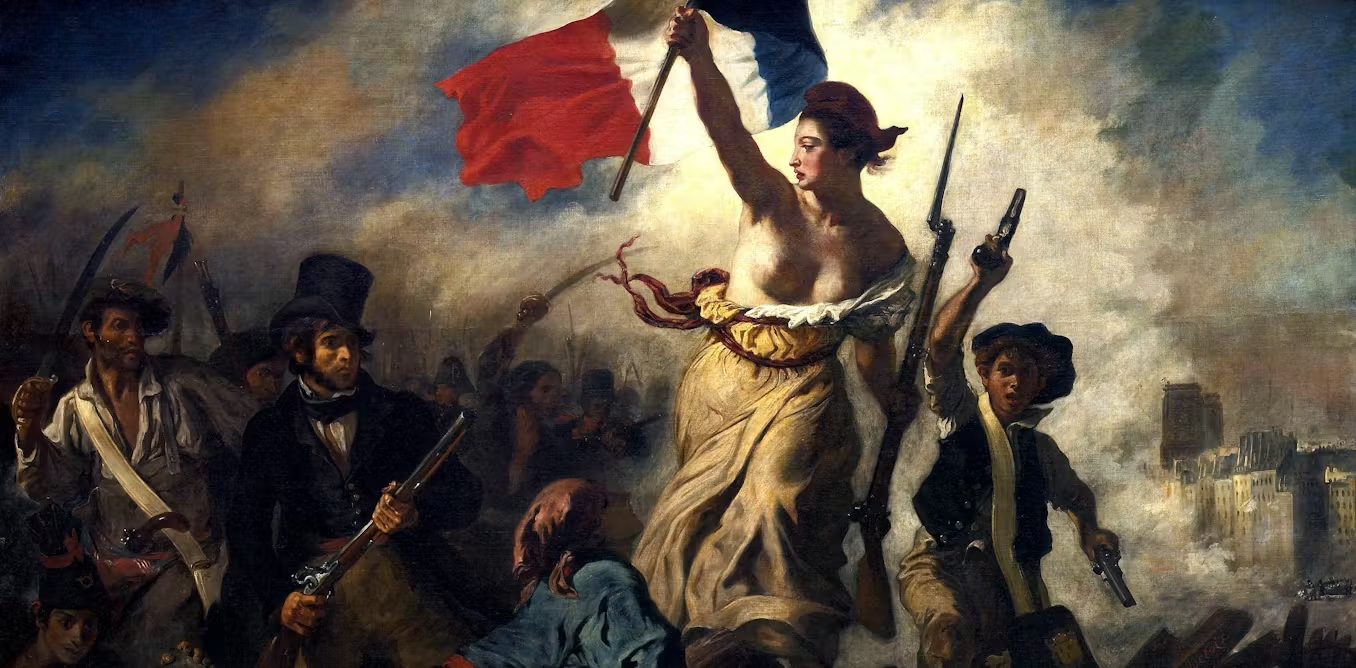
Friday essay: John Keane on demagogues, despots and the rise of ‘phantom democracies’John Keane·...·University of Sydney4d agoThe strange alliance between demagogues and despots ought to puzzle and worry every thinking person, and it needs to be understood.
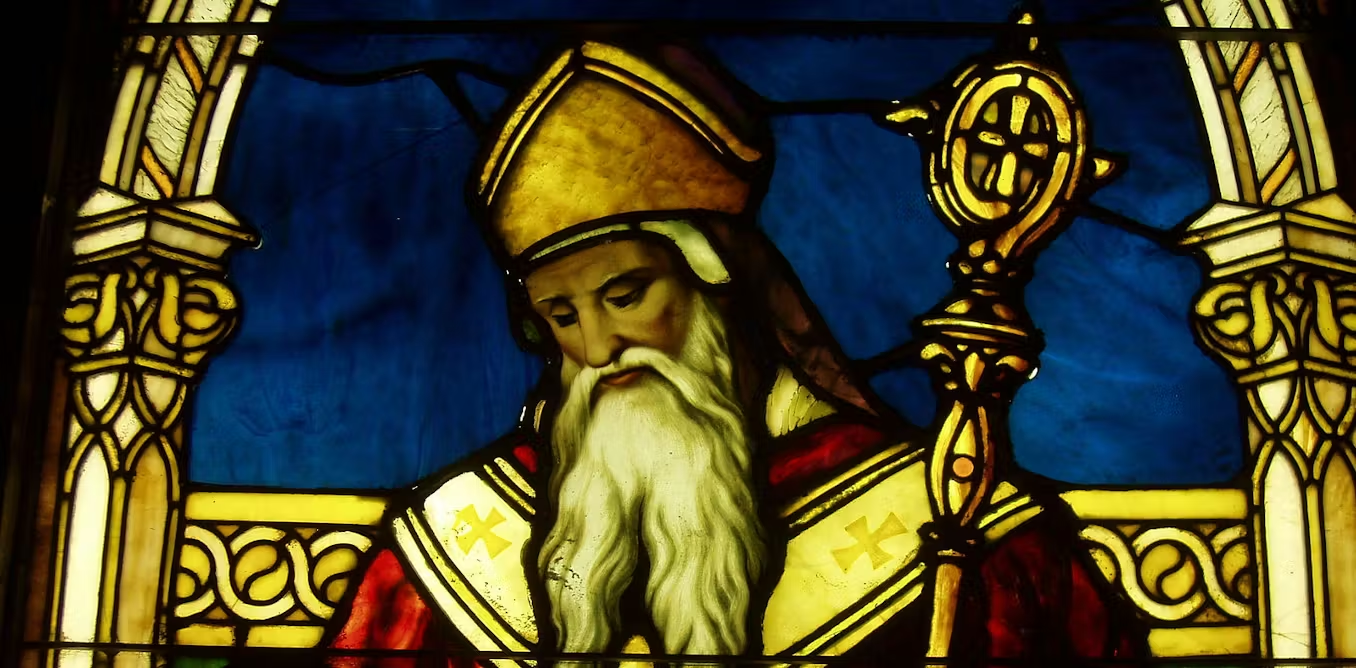
St. Augustine was no stranger to culture wars – and has something to say about today’sMichael Lamb·...·Wake Forest University14d agoAugustine had divisive opinions – and didn’t mind sharing them. But his writing also has lessons about talking to people who don’t see eye to eye.
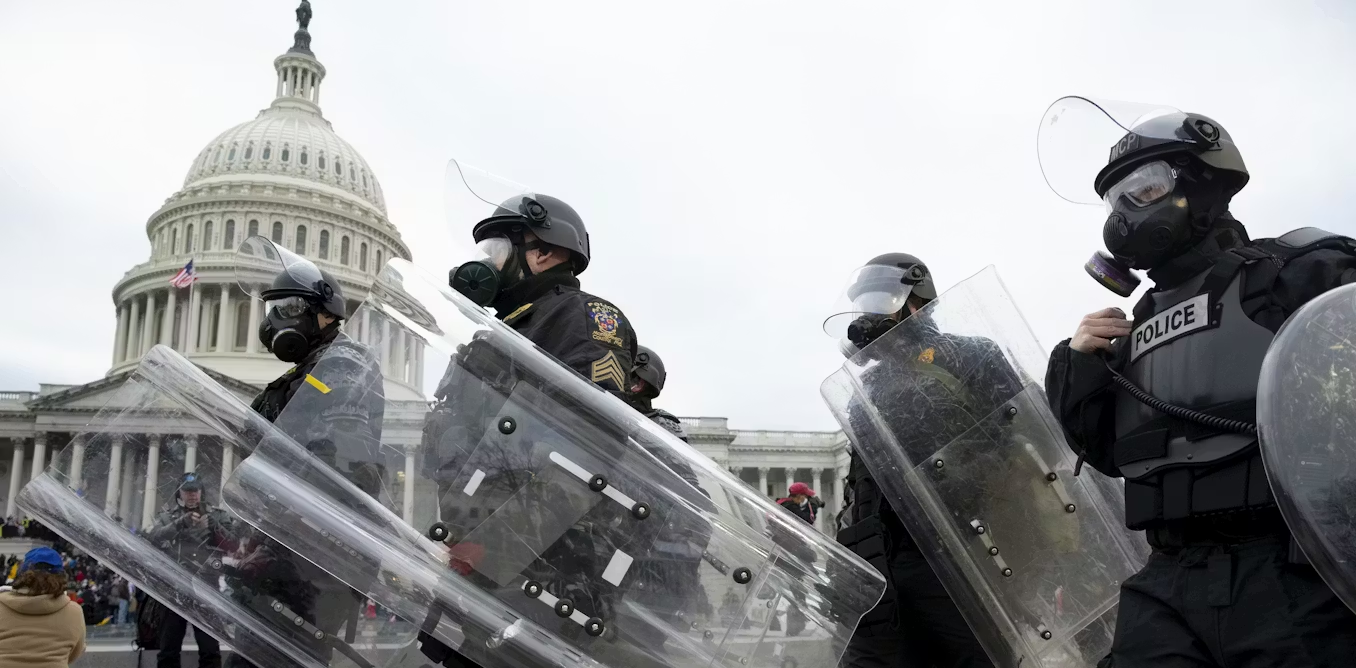
Is political violence ever justifiable?Gwilym David Blunt·...·University of London14d agoA political philosopher on why denying the right to resistance poses a far greater threat to a society than embracing it.philosophypolitical-philosophy
It’s no surprise liberal democracy is giving way to authoritarianismBen Whitham·...·University of London14d agoThe turn towards neofascism is a natural result of so-called western liberal democracy.political-sciencesocial-science
Why spite could destroy liberal democracySimon McCarthy-Jones·...·Trinity College Dublin14d agoSome people may be spiteful to pull others down, while others act this way to get ahead.political-sciencesocial-science
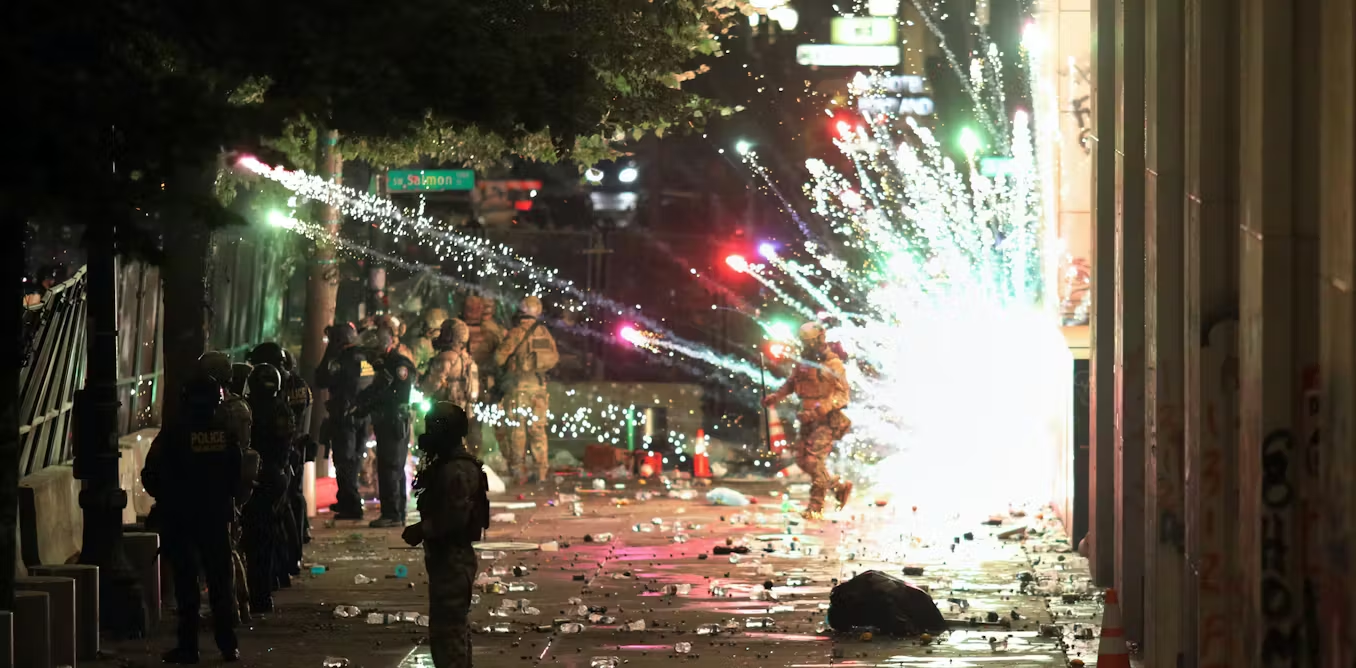
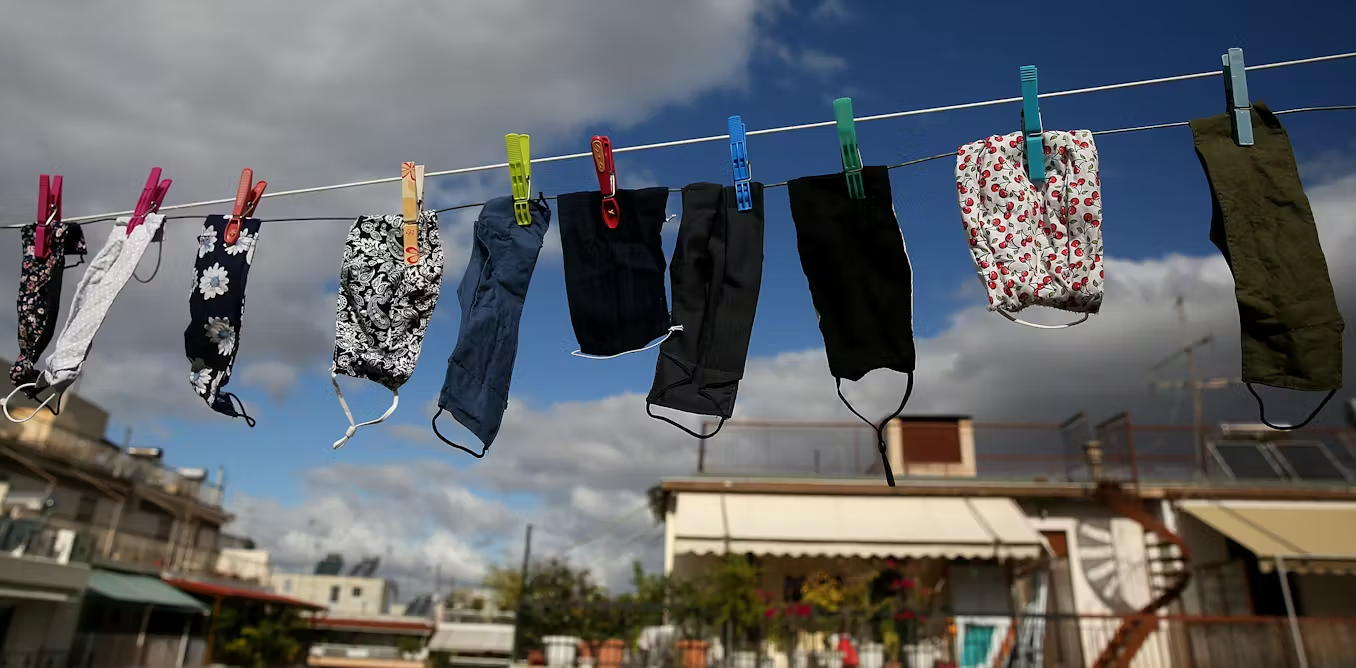
Coronavirus: it feels like we are sliding into a period of unrest, but political philosophy offers hopeVittorio Bufacchi·...·University College Cork14d agoThomas Hobbes described a dark place called the ‘state of nature’. But he also showed us how to avoid falling into it.philosophypolitical-philosophy
An antidemocratic philosophy called ‘neoreaction’ is creeping into GOP politicsGeorge Michael·...·Westfield State University14d agoThe explicitly anti-democratic movement seems to have the ear of a major GOP donor – along with at least two GOP front-runners for the US Senate.political-sciencesocial-science
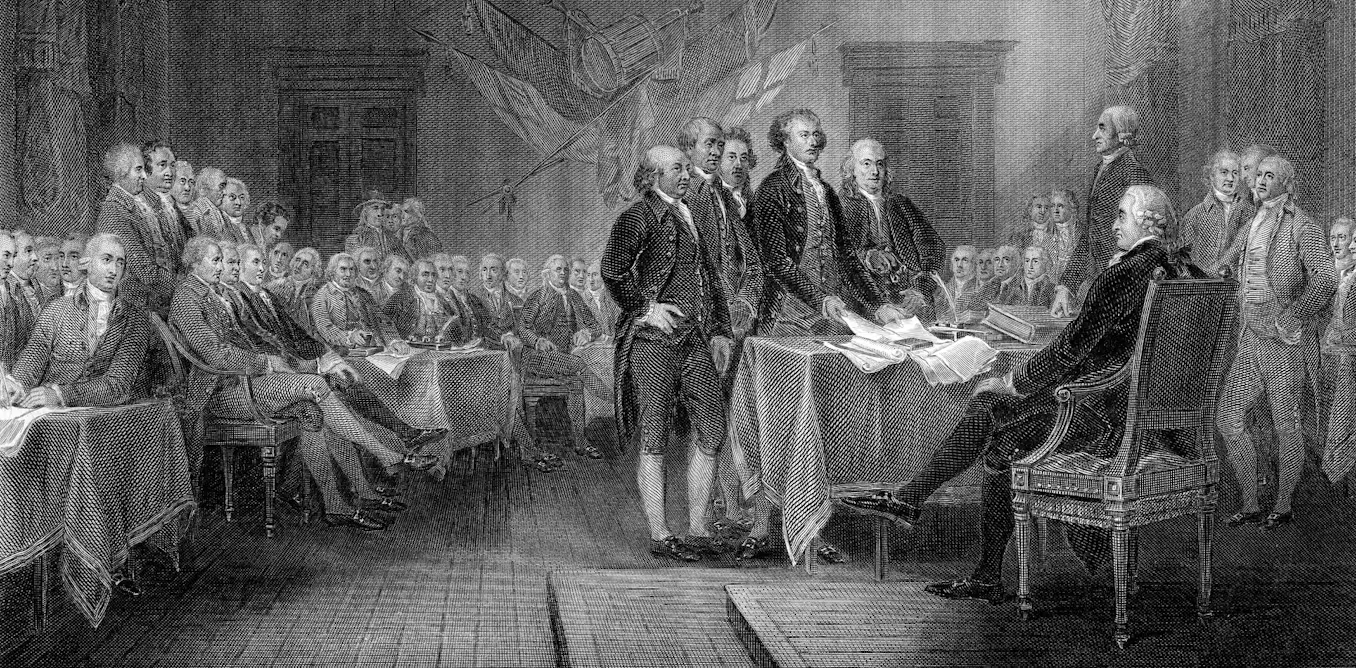
The US has always had ‘big government’ – even in the Colonial eraJoseph P. Tomain·...·University of Cincinnati14d ago
Why lockdowns don’t necessarily infringe on freedomAnnelien de Dijn·...·Utrecht University; Independent Social Research Foundation14d ago
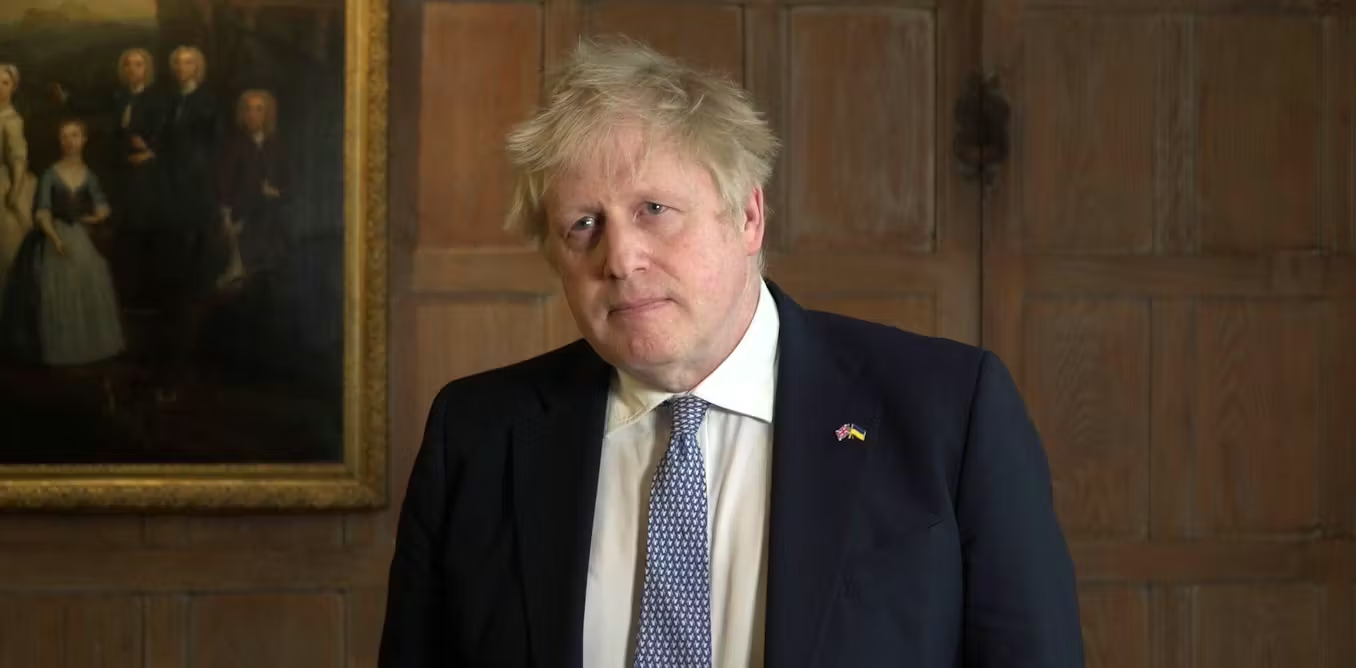
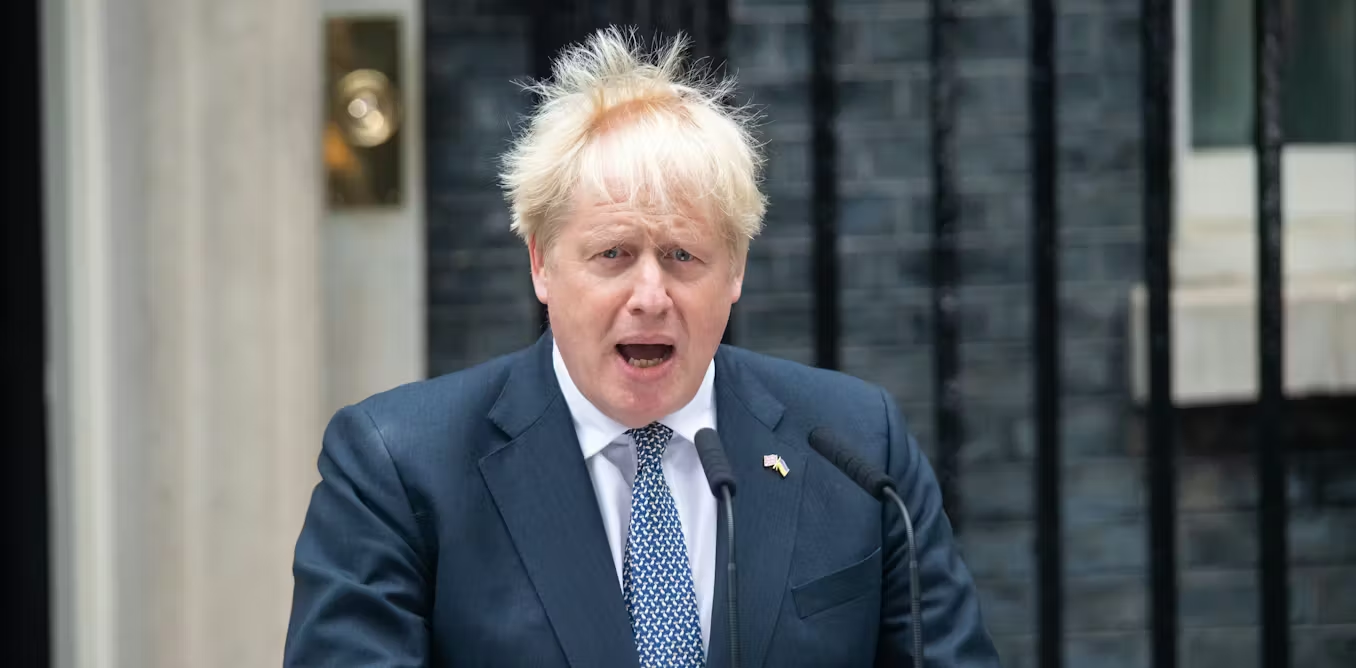
Is Boris Johnson lying? A philosopher on why it’s so hard to tellSorin Baiasu·...·Keele University14d agoThe prime minister accepts he broke the law but the question now becomes, did he mislead parliament about it?ethicsphilosophy
How philosophy 101 could help break the deadlock over drug testing job seekersAlison Ritter·...·UNSW Sydney14d agoWe need to look at what’s behind arguments for and against drug testing welfare recipients to avoid repeating the same debate, over and over.ethicsphilosophy
Liberalism is in crisis. A new book traces how we got here, but lets neoliberal ideologues off the hookJane Goodall·...·Western Sydney University14d agoRussell Blackford’s How We Became Post-Liberal purports to offer a detached, historical account of why liberalism is in trouble.
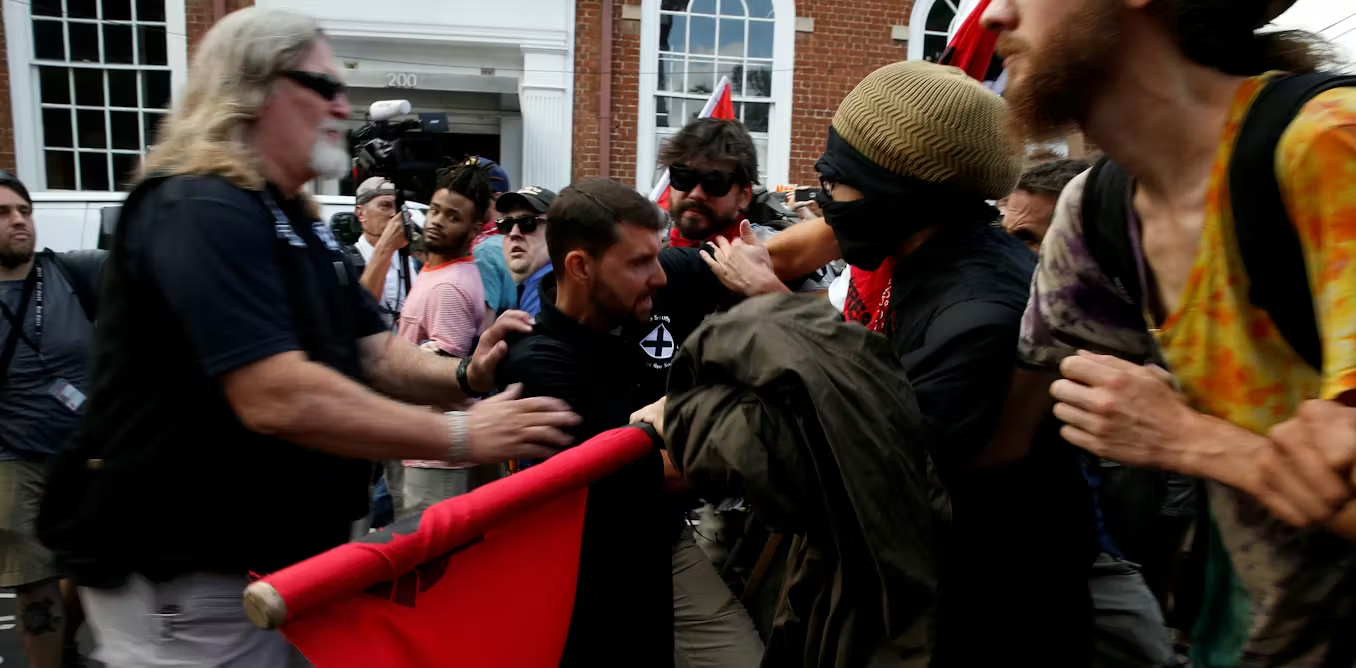
After Charlottesville, how we define tolerance becomes a key questionBenjamin Kerr·...·University of Washington14d agoOur society is now intolerant of those who are intolerant of others; they can be legally penalised. But is that in itself a failure of tolerance?social-sciencesociology
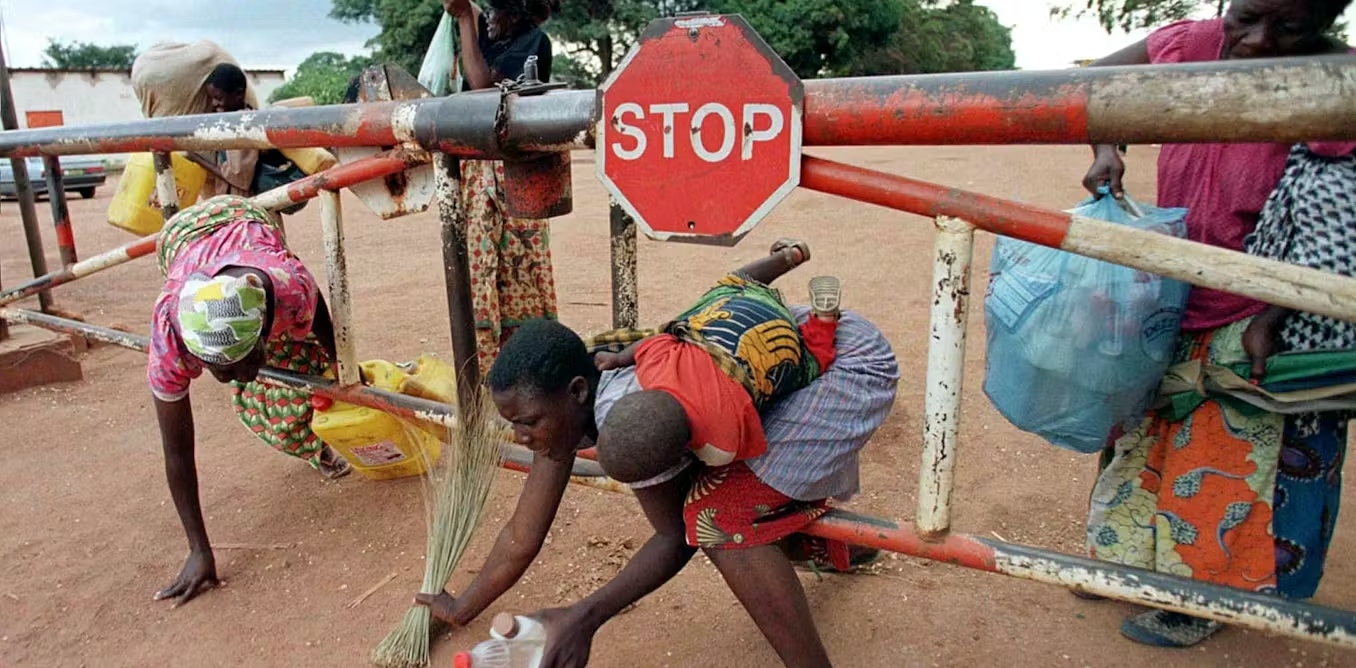
Could an African passport bring to life the dreams of Nkrumah, Senghor and Touré?Uchenna Okeja·...·Rhodes University14d agoThe introduction of an African passport has the capacity to bring about increased migration of Africans within Africa.political-sciencesocial-science
Why Norman Geras’s essay ‘Our Morals’ should be essential reading for politics students – not a subversive threatStephen De Wijze·...·University of Manchester14d agoThe University of Reading wrongly judged that Geras’ essay, which discusses political violence, might fall foul of the government’s Prevent strategy.political-sciencesocial-science
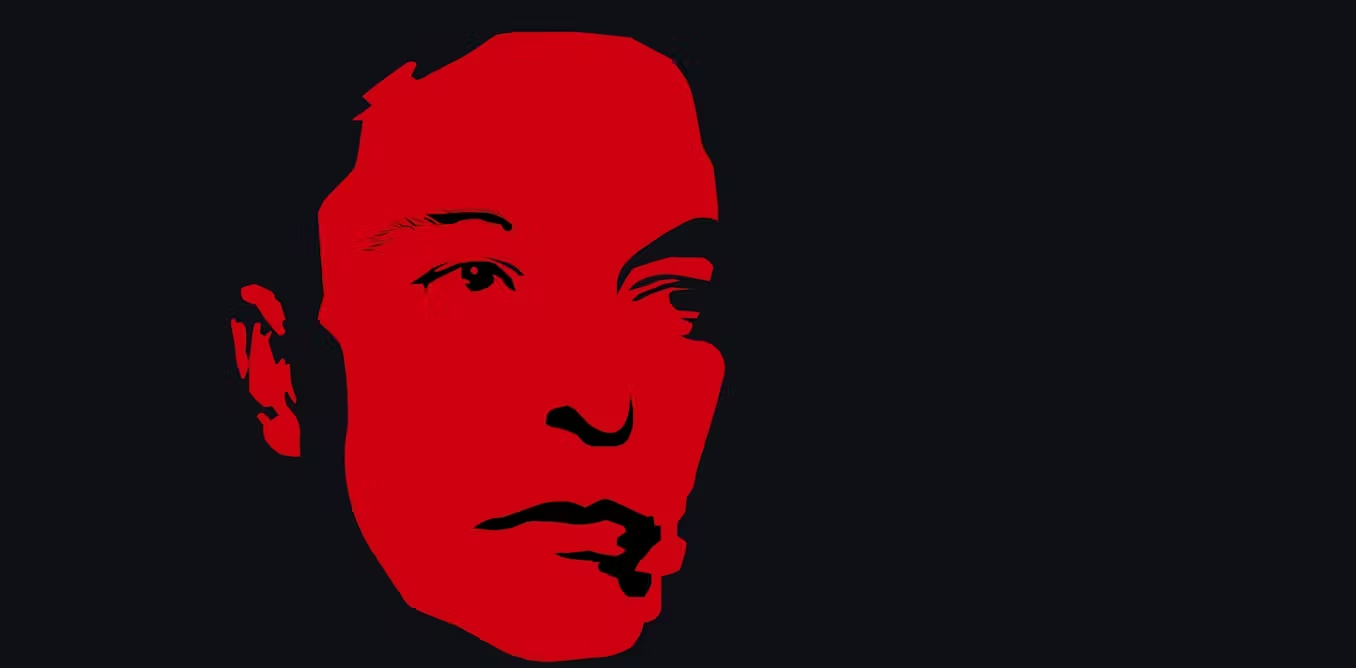
Elon Musk and the narratives of decadence that link all anti-democratic movementsFelix Schilk·...·University of Tübingen14d agoIdeas about softness and weakness, hardship and strength, have been central to reactionary politics since the beginning of human history.political-sciencesocial-science
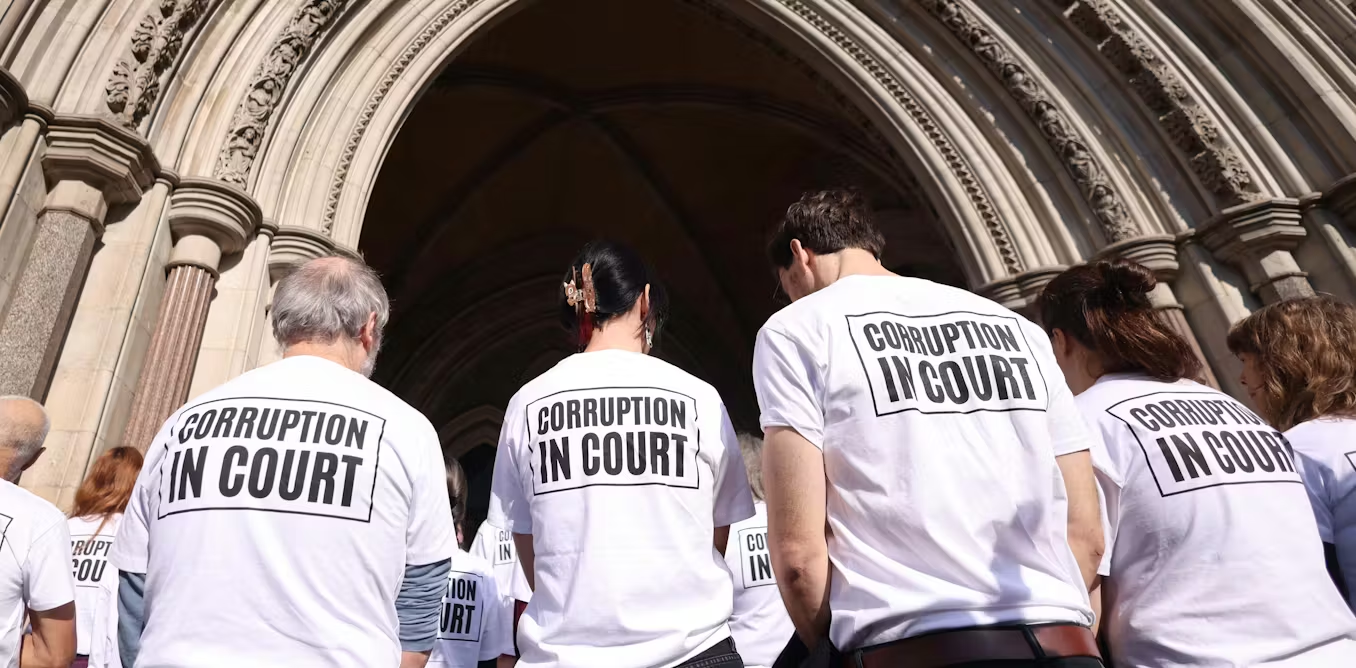
Let juries judge disruptive protesters like Just Stop Oil on their integrity – expert viewSteven Cammiss·...·University of Birmingham14d agoRather than expressions of remorse, evidence of integrity should mitigate protester sentences.lawpublic-policy
Fascism lurks behind the dangerous conflation of the terms ‘partisan’ and ‘political’Lawrence Torcello·...·Rochester Institute of Technology14d agoWhen everything is seen as political – indictments, Supreme Court decisions, scientific findings – a democracy may be on its way to fascism.political-sciencesocial-science
What ethical standards should we hold politicians to? A philosopher explains two different approachesJoshua Hobbs·...·University of Leeds14d agoethicsphilosophy
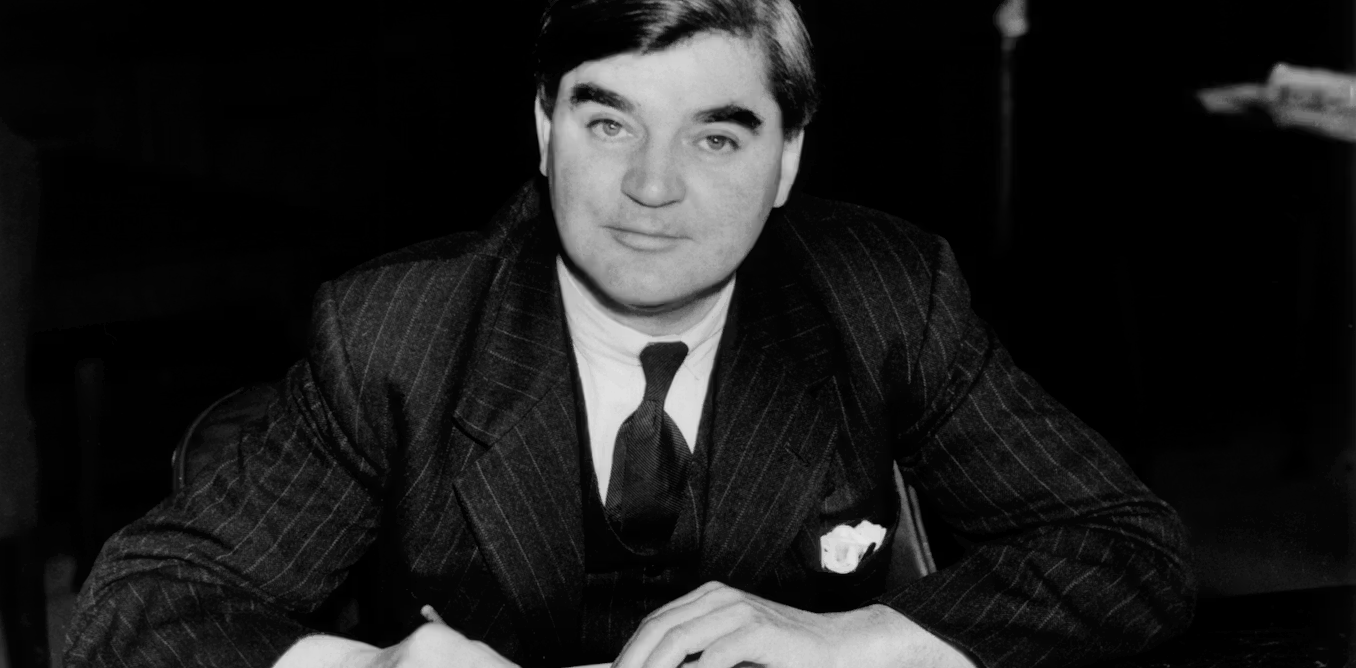
Aneurin Bevan’s writings still have lessons for contemporary politics – and far beyond the NHSNye Davies·...·Cardiff University14d ago




 research.io