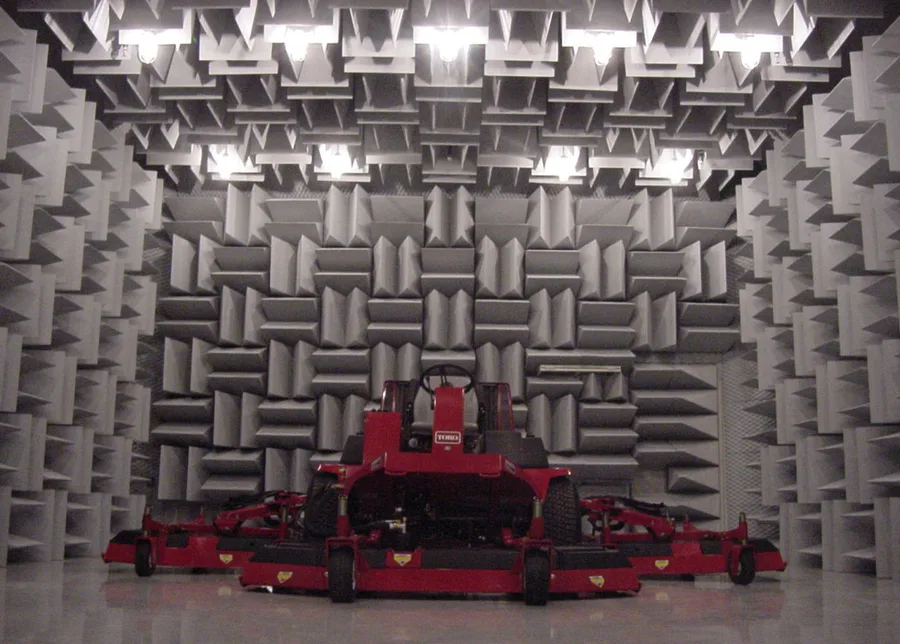
Anechoic chambers are specialized rooms designed to eliminate sound reflections through acoustic absorbers, allowing precise acoustic measurements under free-field conditions. Essential for standardized sound power assessments, these chambers follow stringent ISO standards. Alternatives like sound intensity methods, acoustic test boxes, and portable arrays offer cost-effective solutions when full…
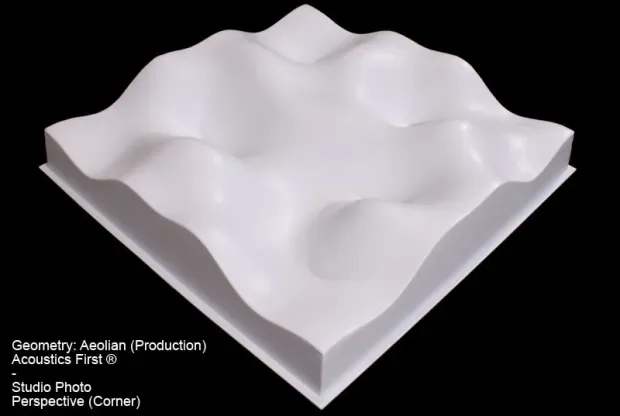
July 1st marked the official commencement of our 30th year in business at Acoustics First! As we enter this milestone year, we are also approaching a significant product anniversary this July: the 10th production year of the Aeolian Sound Diffuser™. Engineered to address critical acoustic anomalies without compromising sound energy, this mathematical design remains a […]
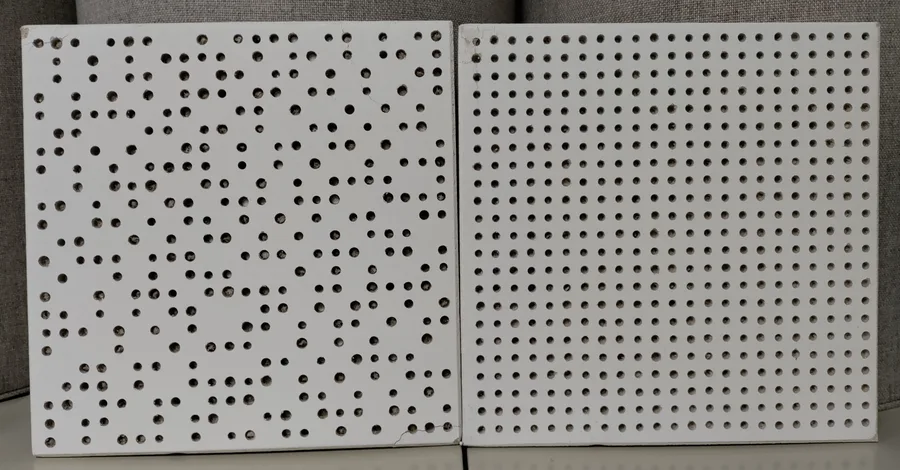
For decades, perforated acoustic panels have played an important role in shaping the sound of recording studios, broadcast facilities, civic buildings, and public spaces. While the iconic Armstrong® 1B perforated mineral fiber tile represented the standard for practical noise control throughout much of the twentieth century, modern acoustic engineering has transformed what perforated panels can […
In New Harmony, Indiana, there is a former Odd Fellows Lodge repurposed as a private residence—the main hall doubles as an event and performance space. Measuring 80 by 40 feet with a 14-foot ceiling, the room features a mezzanine, raised stage, large windows, and an extensive collection of artwork. While visually striking, the space presented […]
People with Autism Spectrum Disorder (ASD) frequently report different sensory experiences, especially with sound. Many experience hypersensitivity (overreaction to stimuli like noise or light) or hyposensitivity (reduced response, requiring stronger input). Unlike most individuals, they may not adapt to constant background noise, which can remain overwhelming. Tools like noise-canceling headphon…
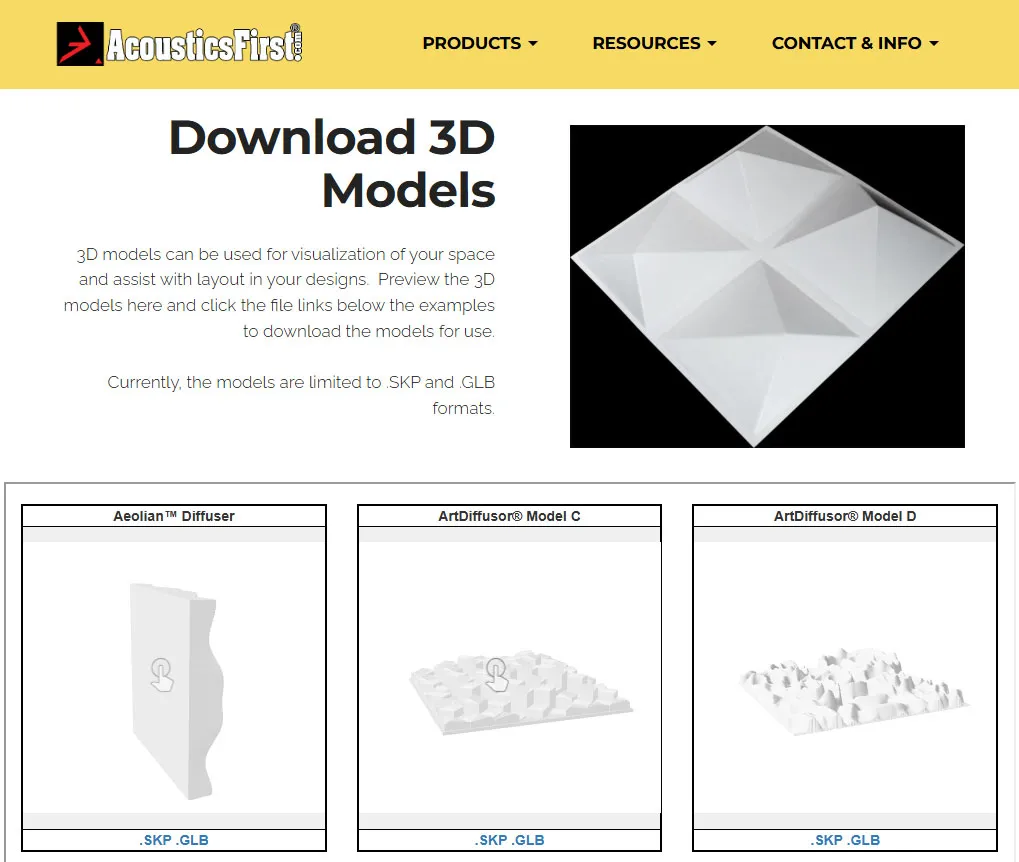
For those users who like to design visually, Acoustics First® has released a new 3D model repository at:
Currently, the 3D models are available in .SKP and .GLB format for:
More models are coming soon. The repository is available at https://acousticsfirst.com/acousticsfirst-3d-model.htm or it is linked from any of the diffuser pages listed above.
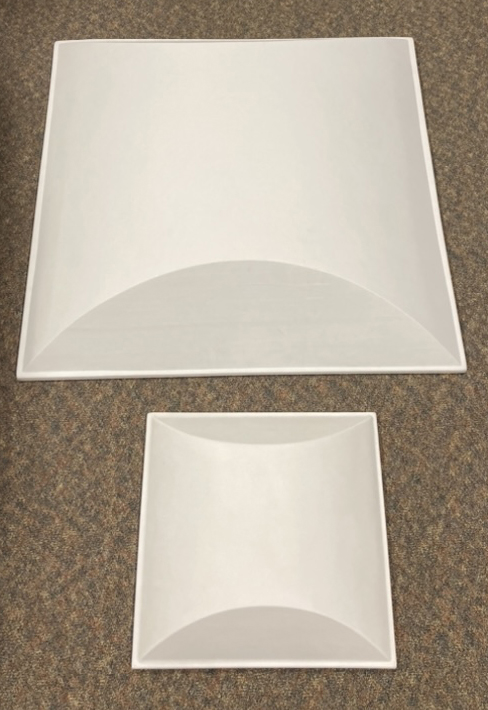
A couple common form factors in acoustics are based on building material sizes. Ceiling grids are a common place to install acoustic devices, and you will find that many are built to either work in a 2’x2′, 2’x4′, or 4’x4′ ceiling grid installation. This makes sense, but did you know that these devices also perform differently in some cases due to their dimensions? This is especially true with ac…
If you’ve spent any time around acoustic treatment—especially sound diffusion—you’ve probably noticed something odd: sometimes the product is called a “diffuser“, and other times it’s a “diffusor“. For newcomers, this can feel like a secret code or a subtle technical distinction – But the truth is much simpler. Many trace the dual spelling back to […]
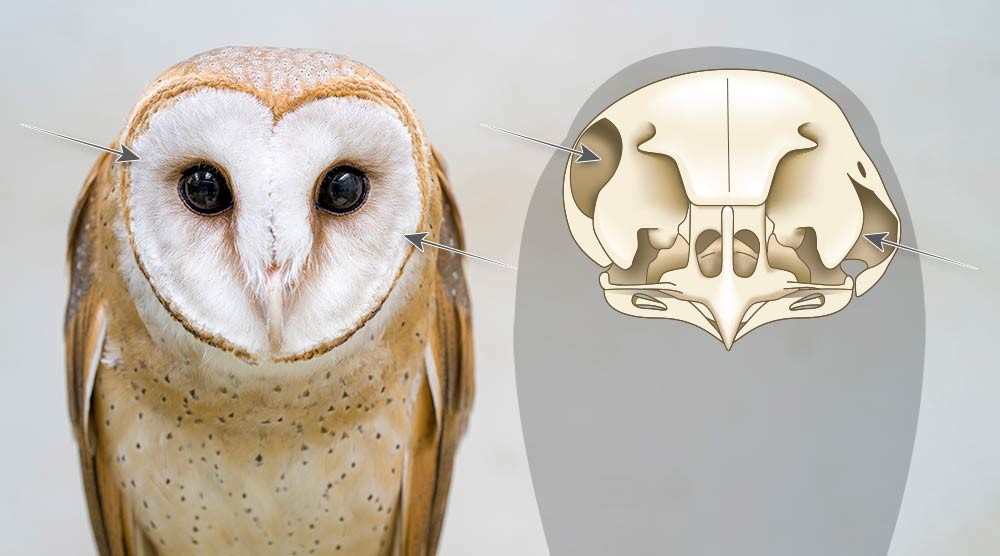
Today we thought we’d take a break from the usual Acoustics First blog topics and talk about owls and the fascinating way in which they experience acoustics. Owls possess some of the sharpest hearing in the animal kingdom. But what makes their hearing so exceptional and how does it differ from our own? The secret […]
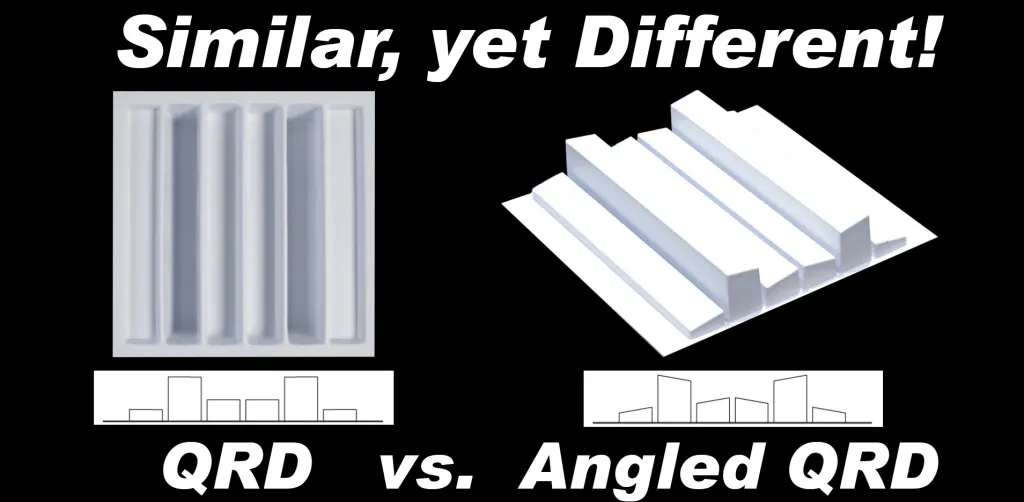
In this installment of “Similar, yet Different,” we explore the similarities and subtle differences between a classic, standard 1D QRD and a modern, angled 1D QRD. While being based on the same mathematic function for their design, there are a couple subtle differences in the performance of these devices. Quick review. A Quadratic Residue Diffuser […]
Acoustics First® has maximized the idea of adaptable designs. One of the most common modular architectural elements is the 2′ x 2′ ceiling grid. While standard, fiber ceiling tiles have their uses, specialized acoustic environments require higher-performing materials – for both absorption and diffusion. While Acoustics First® excels with its Sonora® and Cloudscape® Ceiling tiles…
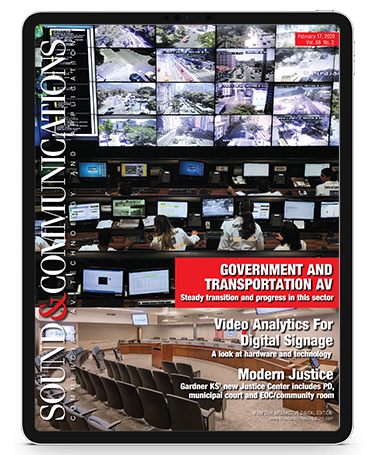
On this Throwback Thursday, we look back at a popular Sound and Communications article about why sound diffusion is so much more complex a phenomenon than sound absorption. In this article, we discuss some of the different variables associated with the quantification of diffusion – magnitude, phase, frequency, direction, etc. When comparing its properties against […]
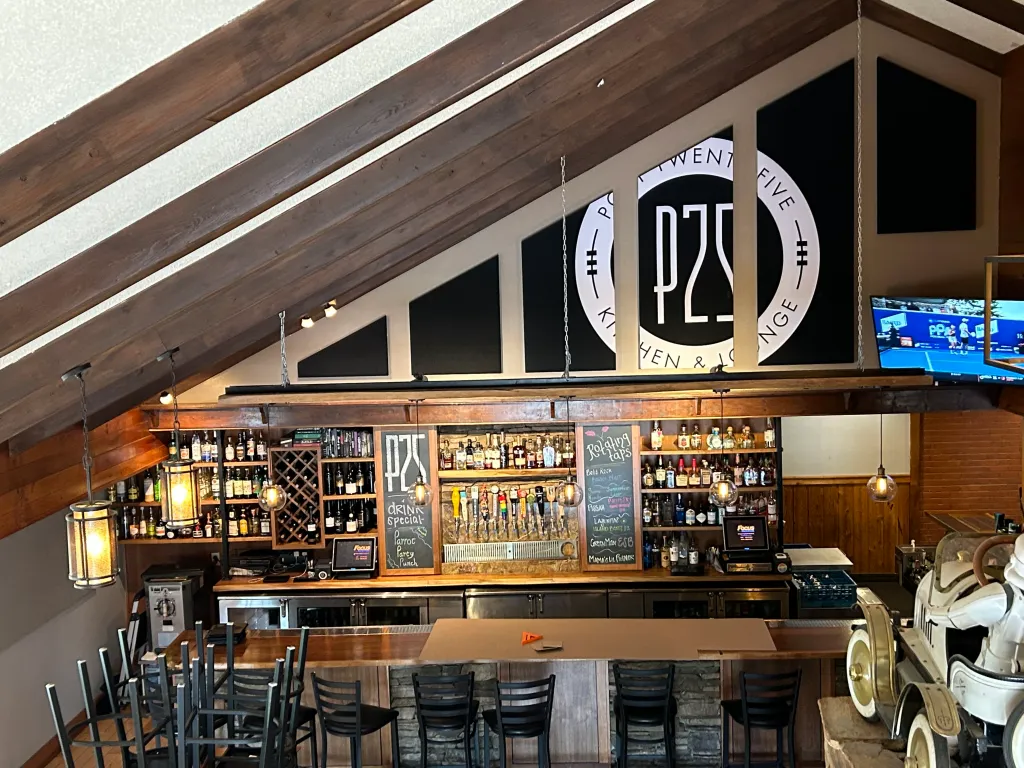
When evaluating a restaurant, guests will often look at four factors: food quality, service, price point and atmosphere.  The first three are fairly obvious in terms of how they influence the customers satisfaction, but the link between atmosphere and guest satisfaction is a bit murky.   Atmosphere is a sort of “catch-all” term for the […]
In June of 2015, Acoustics First® posted about our experiment which allowed people to hear the effects of sound diffusers in a small space. The experiment consisted of treating a small office with varying numbers of our new (at the time) Art Diffusor® Model D sound diffusers, then providing various sonic stimuli and capturing and […]
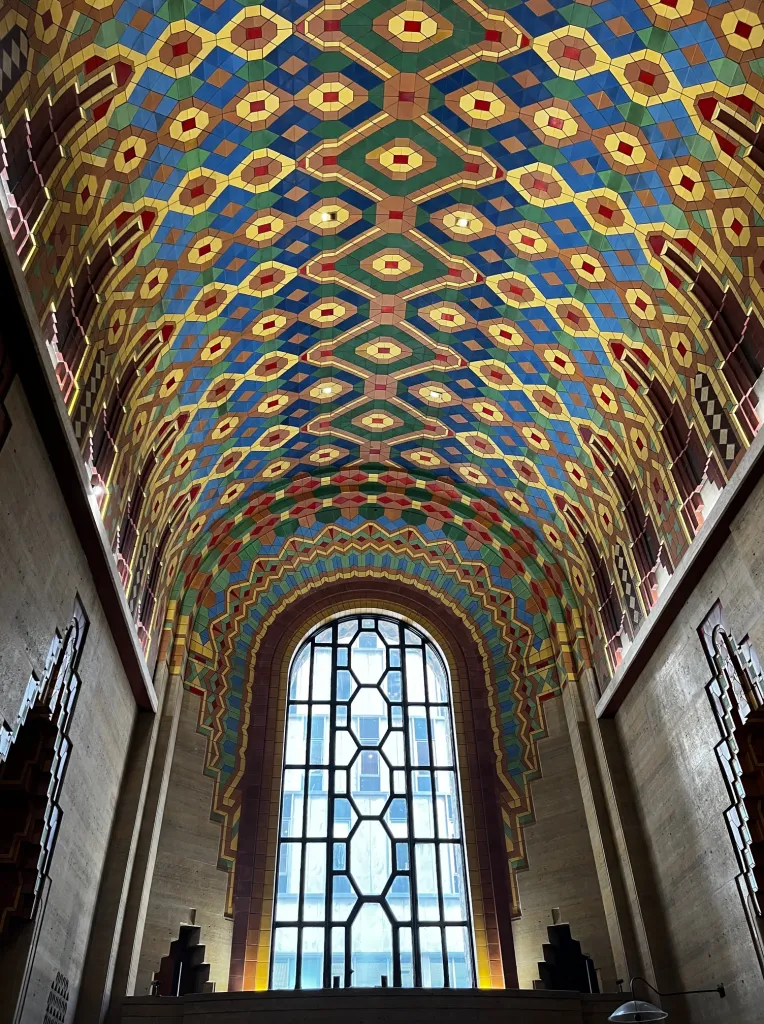
The bank wanted the building be a “show-piece” and communicate its principles of “security” and “fidelity” (remember, this was at a time before the FDIC), to impress customers and convince them to store their valuables at their bank.  Incredibly, the building was completed in just one year; construction began in 1928 and finished just before […]
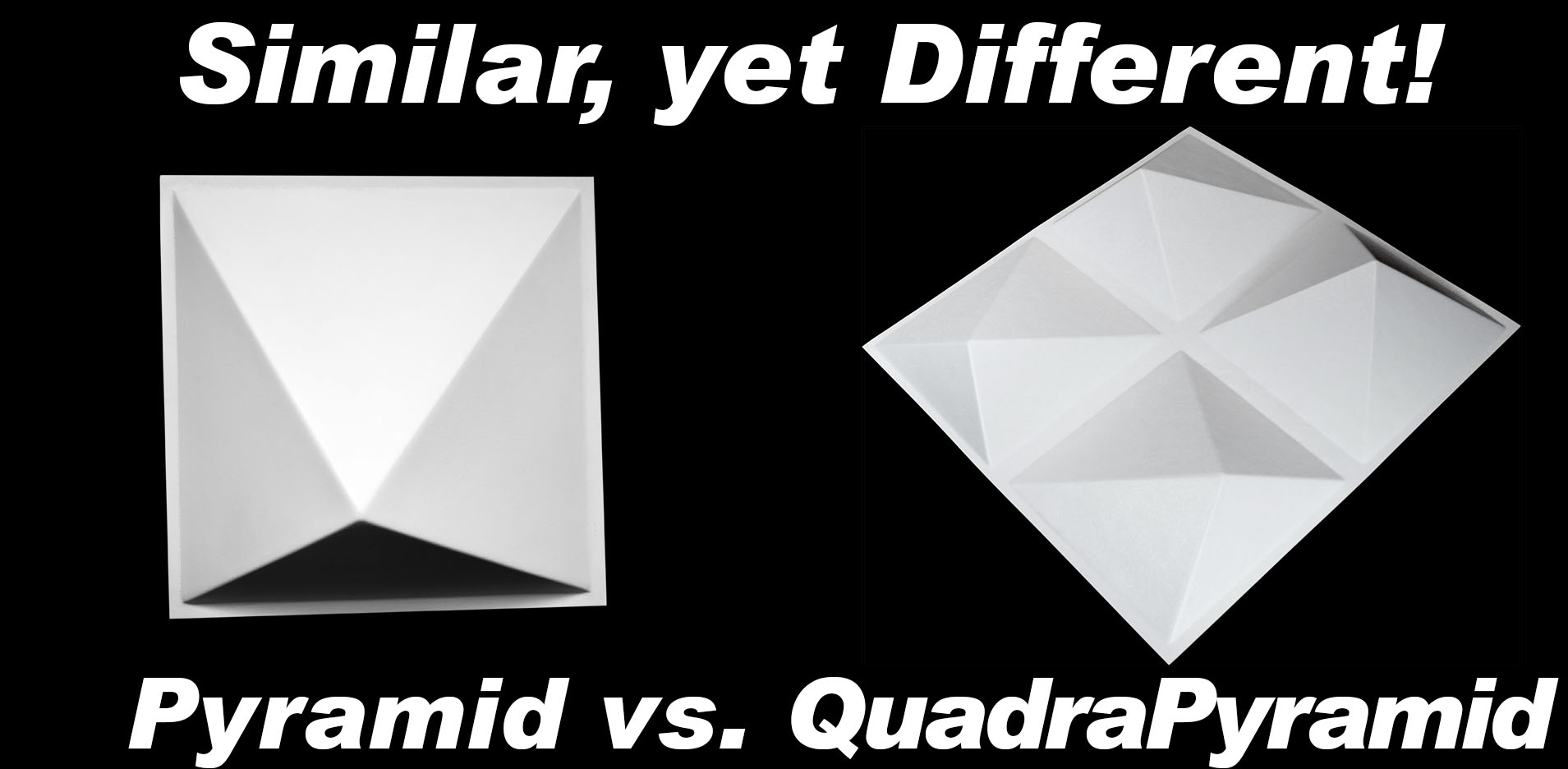
Based on the golden-ratio, offset pyramid… both the Acoustics First® Pyramids and QuadraPyramids have a great deal in common. They are asymmetric in their scattering, which reduces lobing. They have different sized surfaces of different angles, which impose different polar radiation patterns at different frequencies. Both allow for redirection, while allowing much of the signal […]
Poor classroom acoustics has long been the invisible problem that has the farthest reaching implications for learning. Excessive noise and reverberation degrade speech intelligibility, resulting in reduced understanding and therefore reduced learning. In many classrooms in the United States, the speech intelligibility rating is 75% or less. That means, in speech intelligibility tests, listeners w…
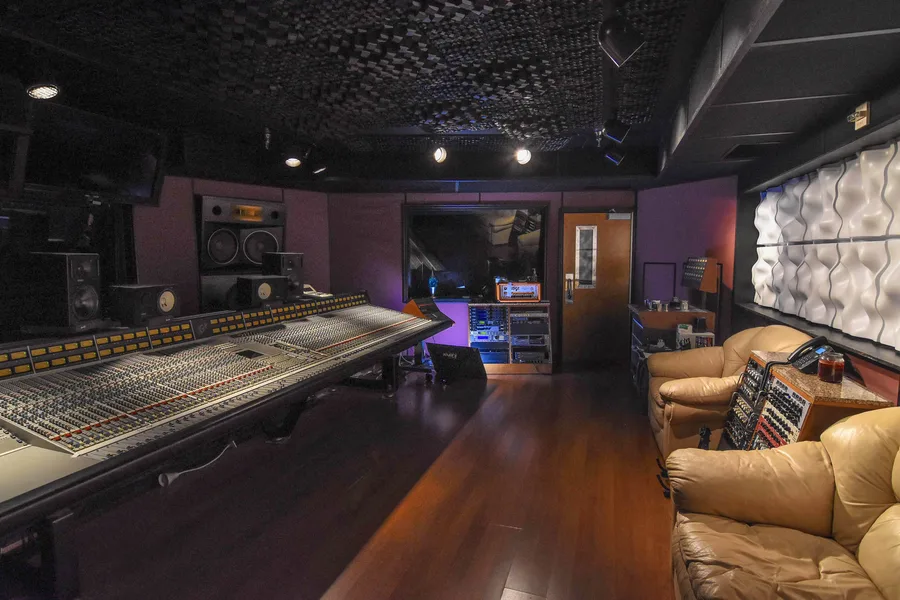
With the ability to measure and analyze every detail of an acoustic environment, sometimes we forget about the basic fact that it should sound the way we want it to sound. There are scenarios where objective measurement is important, desired, and even required. If there is a physical safety concern that may damage hearing ( […]
The Mary Magdalen Mission Center has an oval-shaped sanctuary that was experiencing extremely poor speech and music clarity. Their Worship services are traditional leaning (spoken word, piano and congregational singing) with the occasional contemporary music service. Parabolic Focusing – A primary feature of the sanctuary are 4 large curved walls (two at the front […]
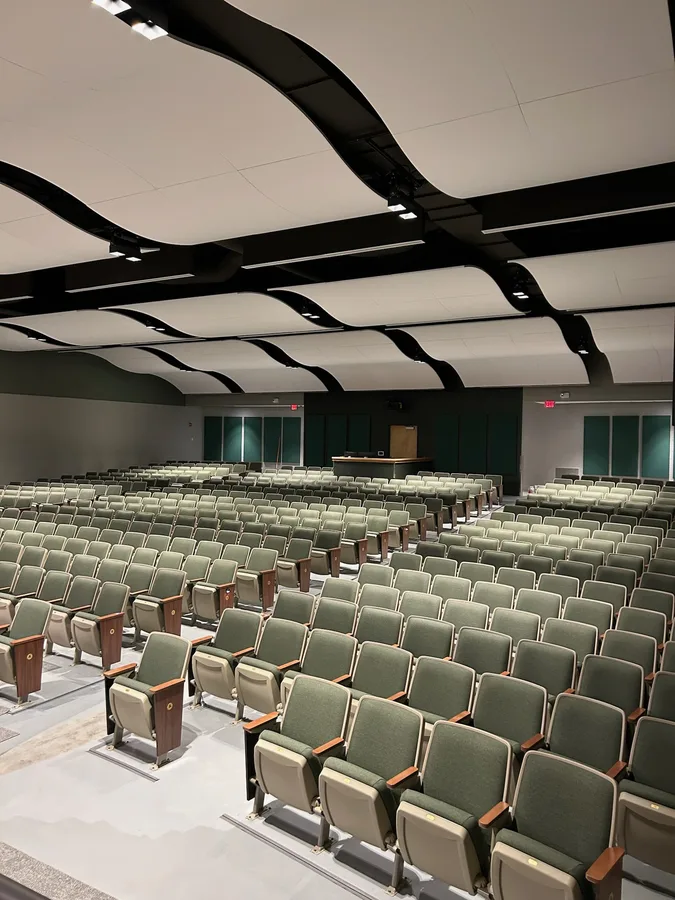
One of the more recent additions to our line of sound absorbing ceiling treatments is the Sonora Wave Cloud. This product can be an ideal choice for architects and specifiers who may be exploring options for large spaces which may require more expansive acoustic treatment while maintaining a certain design aesthetic. The curved shape of […]



 research.io