Bonn/Germany, April 14, 2026. This summer, the concert series “Notes and Neurons: Music for Brain Health” hits the road. In a series of six concerts, Bonn’s Medicine Faculty, the University Hospital Bonn, the Max Planck Institute for Empirical Aesthetics, DZNE, and UKBonn Musik e.V. will combine top-notch live performances with insights into the effects of music on the human brain and its potenti…
Study Quantifies Major Potential for Dementia Prevention
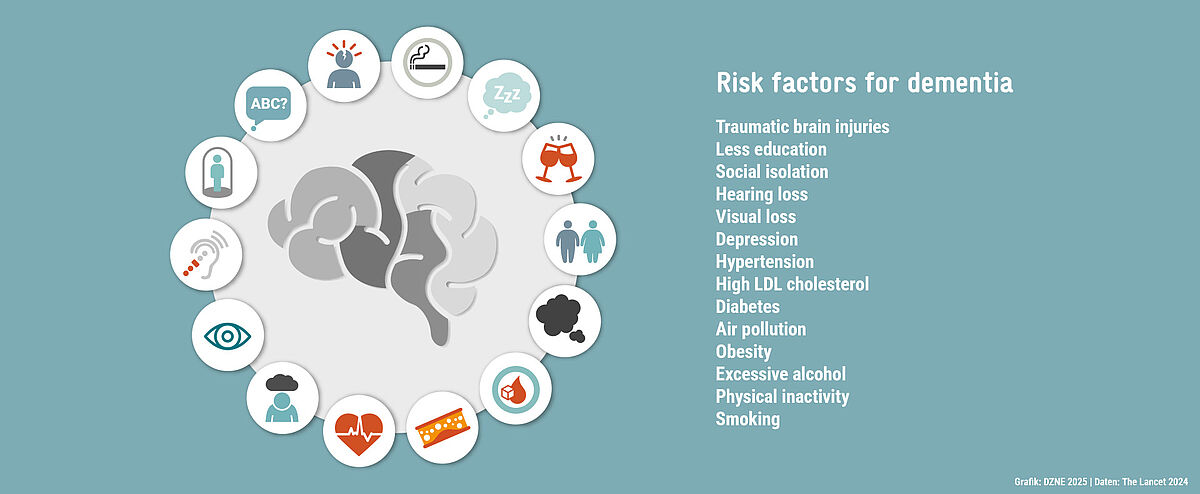
Greifswald/Boston, 9 December 2025. Around 36 percent of dementia cases in Germany are linked to risk factors that are, in principle, modifiable. These are the findings of a new study conducted by researchers from DZNE’s Rostock/Greifswald site and Harvard Medical School. The study is based on current data from the German Ageing Survey 2023…
“With this award, we honor a true pioneer in Alzheimer’s research,” said Professor Gabor Petzold, acting Chairman of DZNE. “Lecanemab has opened new avenues in treatment. The drug targets a central mechanism of Alzheimer’s disease and can slow down its progression when administered at an early stage. This is a major advance – because conventional therapies can only alleviate symptoms, but do not …
Boost for Brain Research in Berlin
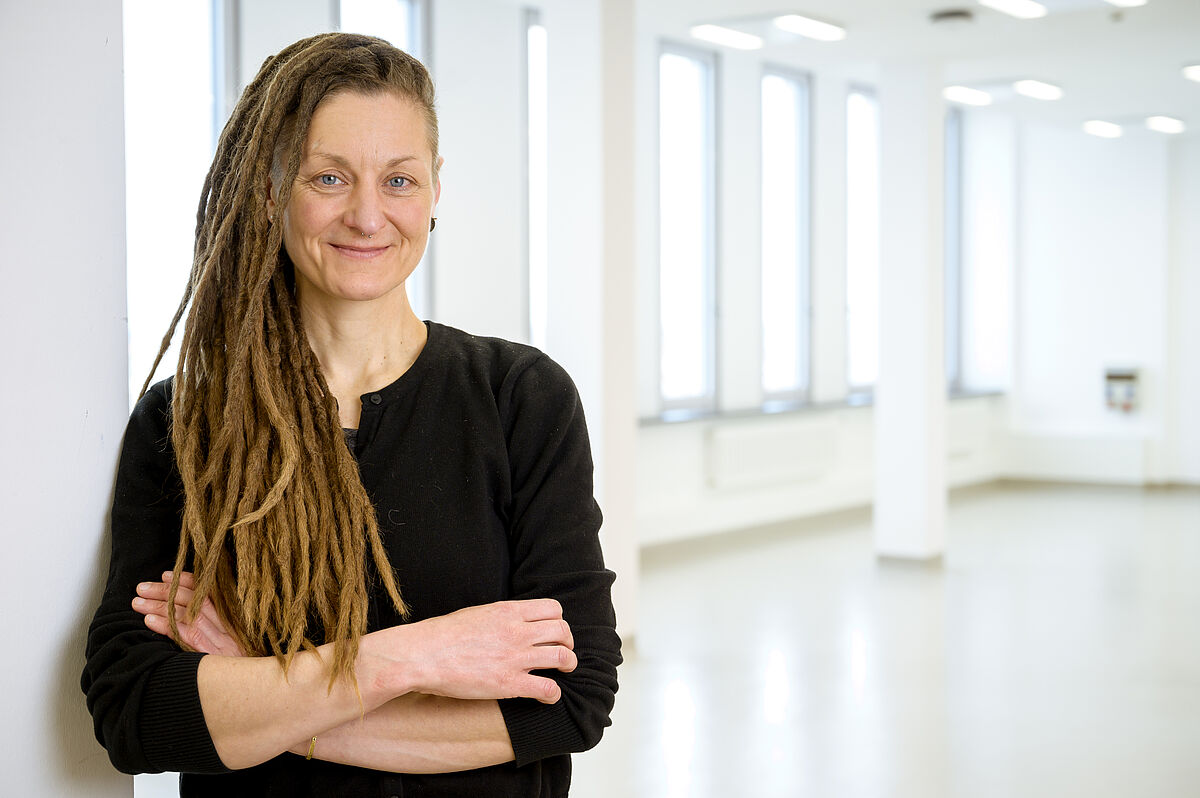
Berlin, September 29, 2025. Neuroscientist Dr. Susanne Wegmann will be appointed to a joint professorship at Charité – Universitätsmedizin Berlin and the DZNE on October 1. The appointment follows the so-called “Jülich Model”, which allows professorships to be shared across institutions and thus strengthens excellent research and translation on a structural leve…
Monthly talk about brain health and research
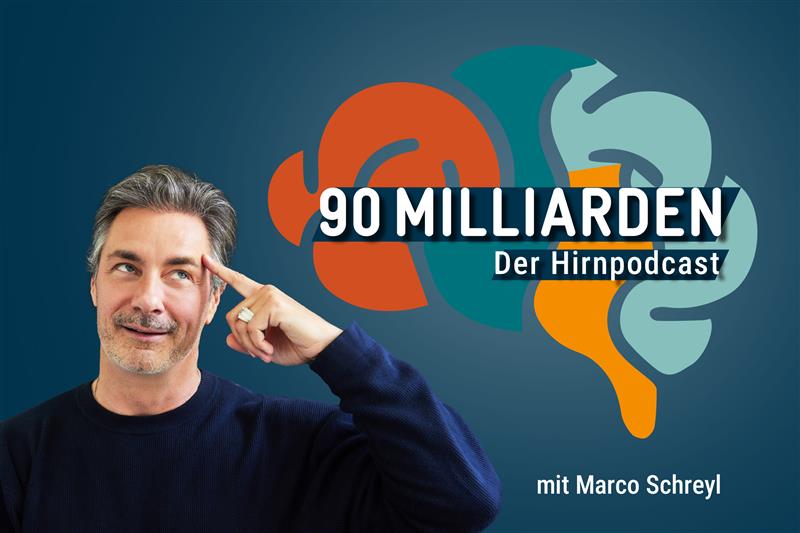
Bonn, September 15, 2025. On the occasion of the “Dementia Awareness Week” in Germany, DZNE is launching a new monthly podcast with radio and TV host Marco Schreyl starting September 23.
In this podcast, Marco Schreyl talks to experts from science and practice – and to people who are affected (either directly or indirectly) by dementia or other neurode…
Swedish scientist receives “Hartwig Piepenbrock-DZNE Prize”
Bonn/Osnabrück (Germany), Stockholm (Sweden); June 26, 2025. This year’s “Hartwig Piepenbrock-DZNE Prize”, endowed with 60,000 euros, goes to Swedish medical scientist Lars Lannfelt for his pioneering contributions to the understanding of Alzheimer’s disease and to the development of the drug “Lecanemab”. This medicine, used to treat Alz…
Bonn/Germany, April 15, 2025. The European Commission has granted authorization of the Alzheimer’s drug “Lecanemab” (brand name: Leqembi). The novel medicine is indicated for the treatment of early Alzheimer's and can slow down the progression of the disease. Lecanemab is an engineered antibody that targets so-called amyloid proteins, which accumulate in the brain in Alzheimer’s disease.
Prof. Dr…
Project for improving routine medical care: DZNE collaborates with doctors’ offices and companies to test a new approach to advance early diagnosis of dementia.
New insights into immune cells in the context of neurodegeneration
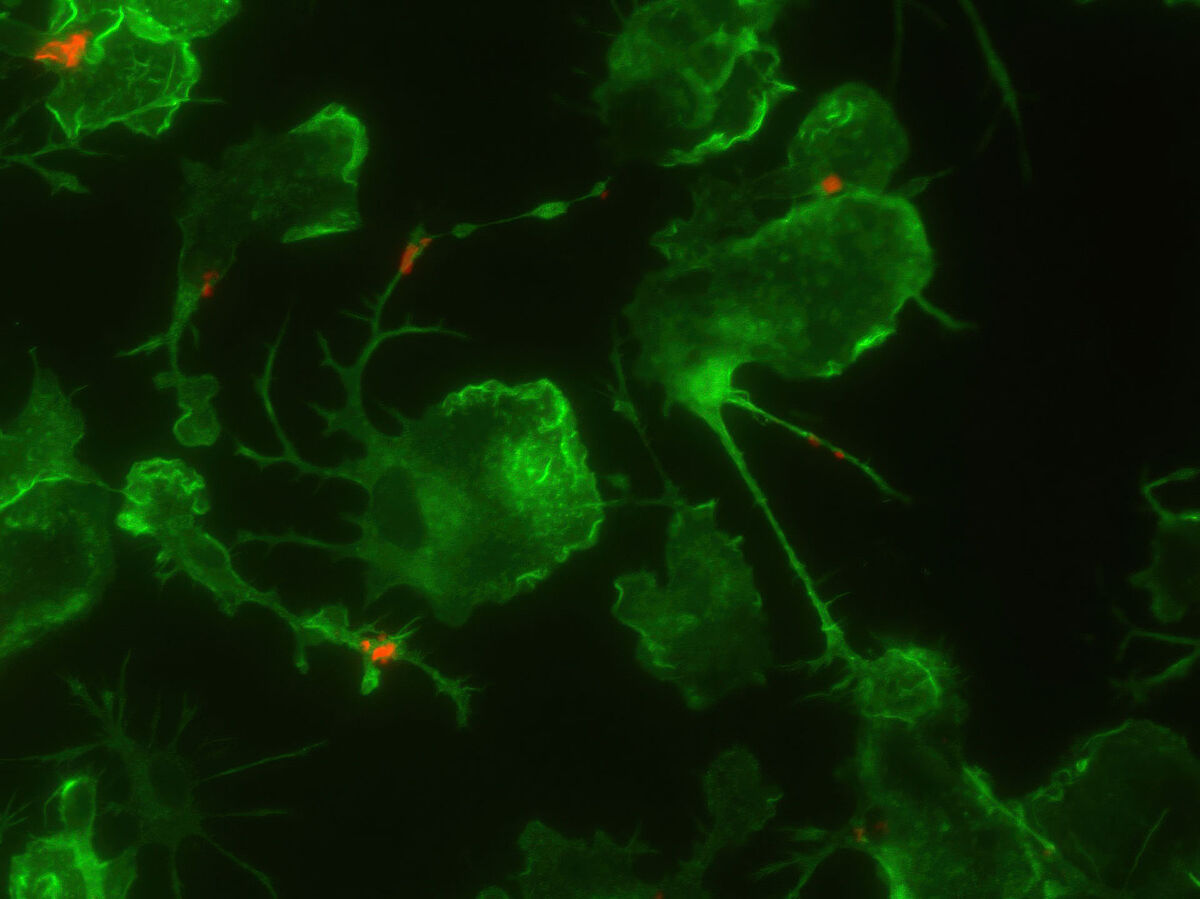
Bonn/Germany, February 4, 2025. Scientists from DZNE, University Hospital Bonn (UKB) and the University of Bonn provide new evidence that preventing brain inflammation is a promising approach for the treatment of Alzheimer’s disease. Their findings, based on studies in cell culture, mice and tissue samples from patients, may contr…
Research underscores involvement of the brain’s immune system
Munich/Germany, December 6, 2024. In the journal Science Translational Medicine, scientists from DZNE and LMU Hospital report on new insights into the mechanisms of “Niemann-Pick type C” (NPC), a rare neurodegenerative disease associated with dementia that can manifest as early as childhood. Their findings, based on studies in mice, ce…
Research project aims to contribute to good medical care in Germany
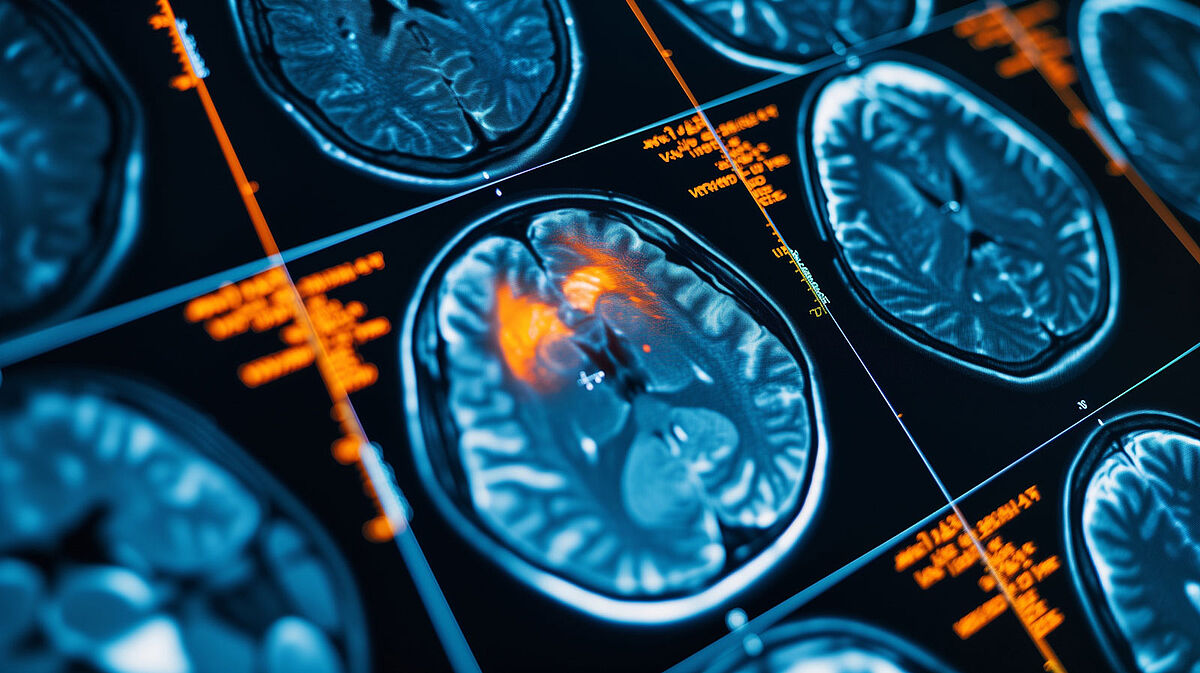
Rostock/Germany, November 29, 2024. In Germany, a recently launched study under the auspices of DZNE is investigating whether patients with “dementia of unclear etiology” benefit from examination of their brains using amyloid positron emission tomography (amyloid PET). Should this form of diagnostics contribute significantly to a…
diagnosticsmedicineneurodegeneration
research.io
Sign up to keep scrolling
Create your feed subscriptions, save articles, keep scrolling.





 research.io