This is a guest post by Sarah Hiddleston
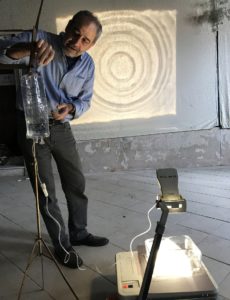
“We are points of order in a disordered universe. This is an expression of how we feel about being ruled by physics in all our emotions and reactions. It’s how we interpret, describe and live our lives within this system.”
Artist or scientist? These are the words of curator Caroline Wiseman, whose brainchild “Alive in the Universe” found a home at the worl…
This is a guest post by Lea Gagnon, an Editorial Development Advisor in Nature Research
Welcome to the first of a series of tips from the Nature Research Academies to help researchers navigate the academic landscape. In this competitive landscape where no research is complete without publication, researchers are pressured to publish scientific articles. However, writing a paper in academic Englis…
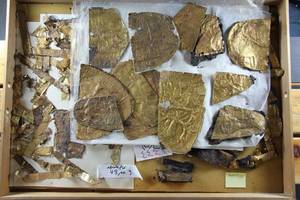
Tutankhamun’s tomb is the gift that keeps on giving, it seems, as archaeologists continue to uncover new “treasures” after examining, for the first time, embossed gold applications on artifacts recovered from the famed tomb.
The objects, along with the tomb itself, were previously unearthed by English archaeologist Howard Carter in 1922 and, for decades, had been stowed away in the Egyptian Museu…
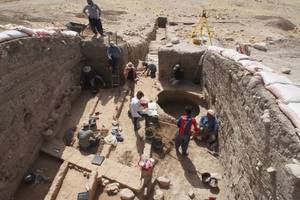
University of Tübingen archaeologists unearthed 93 clay tablets adorned with cuneiform pictograms, an early Sumerian writing system, in the Kurdish region of northern Iraq. The archive dates back to 1250 BCE.
The tablets were dug out of Bassetki, an ancient Bronze-age site which was only discovered in 2013, and whose location lay along busy trade routes from Mesopotamia to Anatolia and Syria.
“Ba…
Scientists in Qatar have taken research into organ development one more step into the future by expanding the potential for creating personalized blood and heart tissue in the lab.
The scientists, under the lead of Arash Rafii Tabrizi at Weill Cornell Medicine – Qatar, have postulated that endothelial cells, which line the walls of blood vessels, are a vehicle for organ development. “Different or…
An investigation of the genome and phenome of a green alga called Chloroidium sp. UTEX 3007 has revealed, for the first time, certain adaptive traits that help algae acclimate to desert environments.
But what sets apart this new species, which scientists at the New York University Abu Dhabi (NYUAD) have discovered and sequenced, from other types of green algae?
Nature Middle East talks to Kourosh…
The World Health Organisation (WHO) has announced that the number of suspected cholera cases in war-battered Yemen this year hit the half a million mark.
According to the same report, released this week, around 2,000 people died since April’s outbreak. The international organisation says that the deadly waterborne disease infects an estimated 5,000 people per day, and is still spreading fast.
Yem…
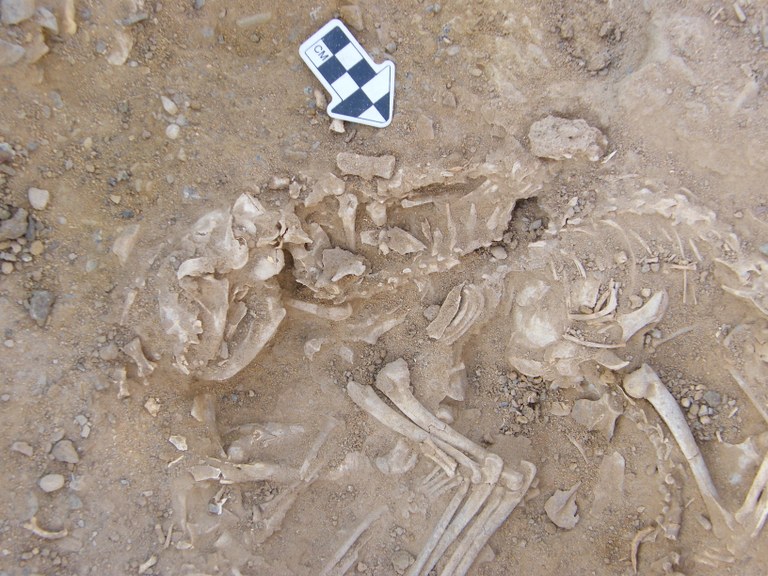
A new study reveals some fascinating insights into the origin story of the cat, arguably the internet’s most favorite creature and a cherished companion to countless humans.
Paleogeneticist Claudio Ottoni and his peers from KU Leuven and the Royal Belgian Institute of Natural Sciences have been collecting DNA from several archaeological sites in an attempt to track down the origins and trace the …
It turns out that, in the Middle East, getting access to prescription medications for serious ailments, in the absence of supervision, can sometimes be as easy as picking up an over-the-counter medicine for a headache or the common cold, or so claims a new review published in Pharmacology Research & Perspectives.
In theory, the regulations separating access to either brand of medication is there.…
A survey of the seas by the King Abdullah University of Science and Technology (KAUST), Saudi Arabia, has enabled scientists to come up with a predictive model of how planktonic heterotrophic prokaryotes – simple marine organisms that process most organic matter in the ocean – are affected by global warming. Read more Continue reading →
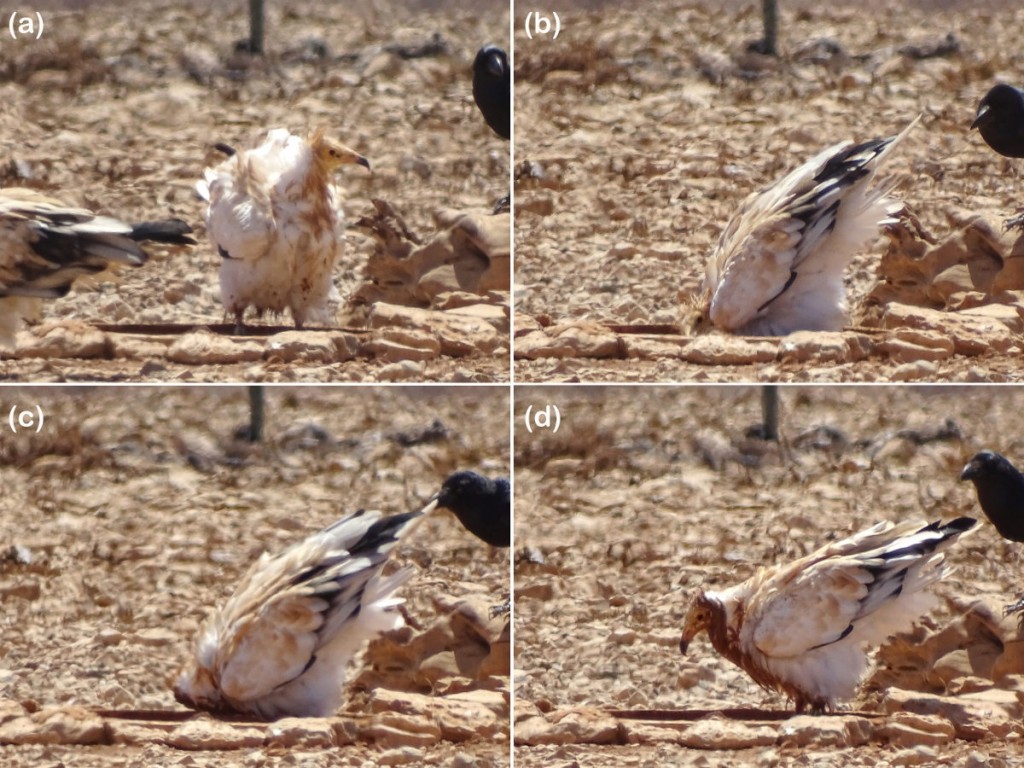
Scientists have discovered that Egyptian vultures engage in a peculiar “mudding” ritual that is one among a set of unique behaviors that not only distinguish the vultures from other birds of prey, but also, quite frankly, make them look a little “weird” in comparison. Read more Continue reading →
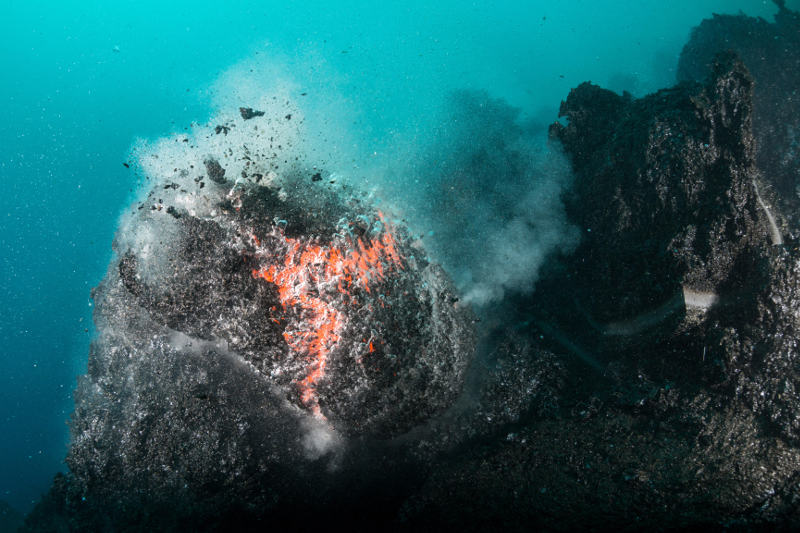
In order to stack nanoclusters of oxygen-rich zinc peroxide in a way that allows it to be used for cancer therapy, researchers simulate a natural phenomenon, which usually results from underwater volcanic eruptions, inside the lab. Read more Continue reading →
Scientists have devised a new method to create biocompatible, artificial molecular recognition systems with potential use in drug delivery, sensing and bioseparation –– they say it’s the “greenest” strategy described to date. Read more Continue reading →
Women scientists from nine different countries in the Arab world, under the leadership of institutions such as the Dubai-based agricultural research centre known as ICBA, Bill & Melinda Gates Foundation and the Islamic Development Bank, have gathered in the UAE to spotlight the major challenges and hurdles that they usually face working in different research fields. Read more Continue reading →
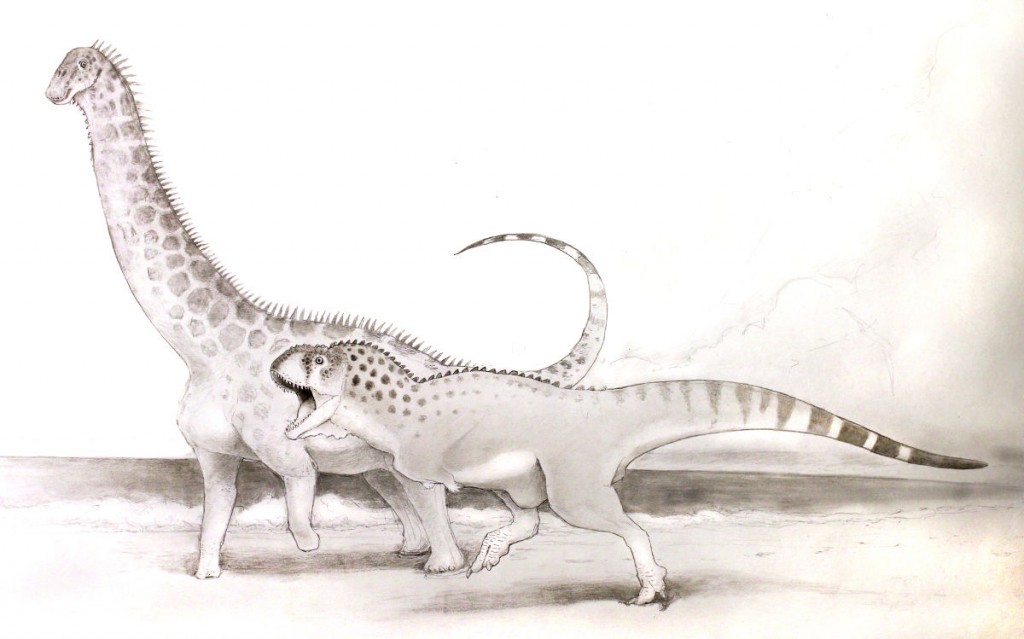
Scientists have discovered remains of one of the last dinosaurs on Earth, in Morocco. About 66 or 67 million years old, Chenanisaurus barbaricus comes from the very end of the prehistoric animals’ reign. Read more Continue reading →
Digital artist and director Markos Kay, who visited the Middle East for the first time last month to exhibit a new film called ‘Quantum Fluctuations: Experiments in Flux’ at the Imagine Science Film Festival in Abu Dhabi, pioneers at visualising the unvisualisable. Read more Continue reading →
More evidence is confirming that the choice of language used in scientific literature can influence access to it, and how visible its authors are – including in the Arab world. Read more Continue reading →
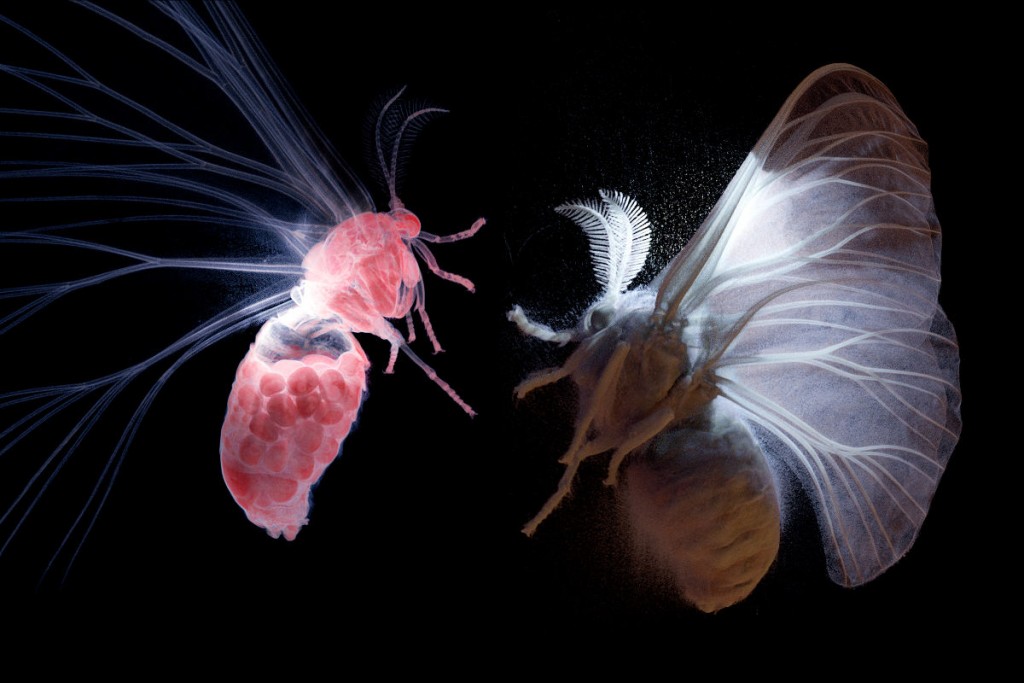
In one film, “The Death of an Insect”, three animators, filmmakers, and game creators turned science communicators have given a group of dead insects one last dance. Read more Continue reading →
Using two dimensional oxide anodes with a controlled number of atomic layers is an effective way to prolong the cycle life of Na (sodium) ion batteries, scientists from Saudi Arabia have revealed in a new research. The advancement carries great potential for grid storage. Read more Continue reading →
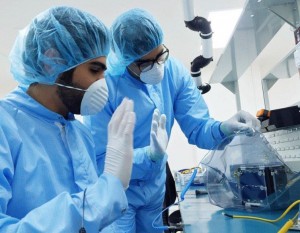
The United Arab Emirates first ever nanosatellite, Nayif-1, was launched a few hours earlier – it was among 104 satellites propelled into outer space on board the PSLV-C37 rocket from Satish Dhawan Space Centre in India. Read more Continue reading →












 research.io