Biology – Quanta Magazine
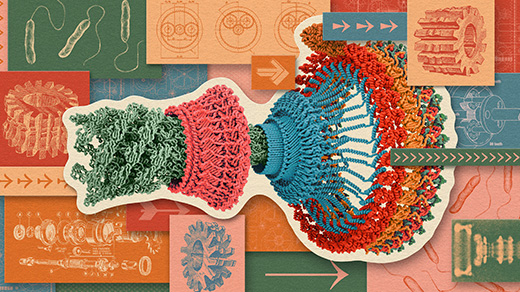
The bacterial flagellar motor is finally understood after 50 years. In its workings, columnist Natalie Wolchover finds the essence of life. The post What Physical ‘Life Force’ Turns Biology’s Wheels? first appeared on Quanta Magazine
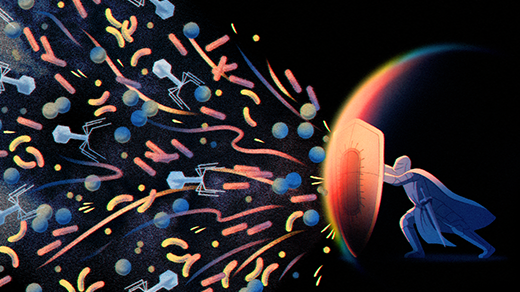
Dozens of new discoveries reveal that defenses evolved by bacteria and viruses billions of years ago still define our own innate immune system. The post The Ancient Weapons Active in Your Immune System Today first appeared on Quanta Magazine
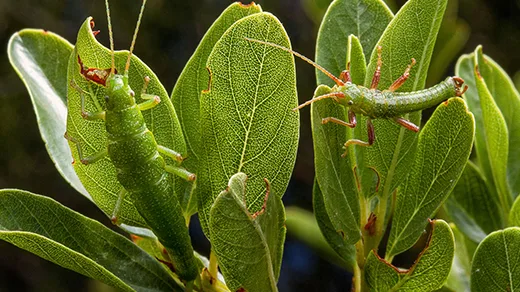
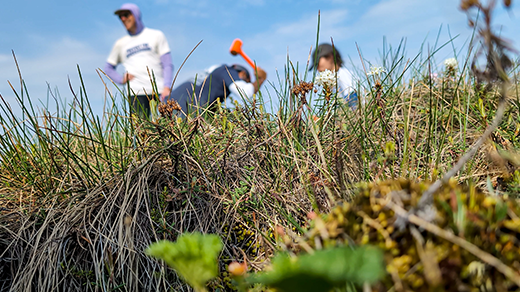
Introduction This story was supported by the Pulitzer Center. One Tuesday in June 2025, a white Chevy Suburban set off down the northernmost highway in North America. The sun of Alaska’s polar summer hadn’t set in 40 days, and it wouldn’t set again for another 35. But for Michael Van Nuland, the biologist in the driver’s seat, time was already running out. The SUV, packed with four days of fieldw…
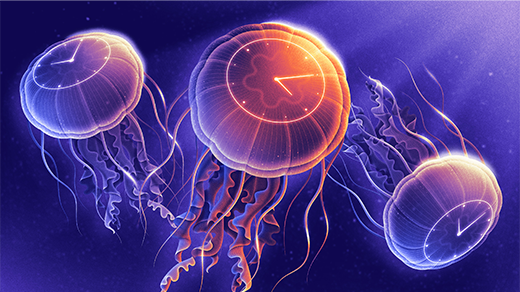
Introduction The passage of the sun across the sky — dawn, day, dusk, night — drives the clock of life. Some species wake with the sun and sleep with the moon. Others do the opposite, and a few keep odd hours. These naturally driven, 24-hour biological cycles are known as circadian rhythms, and they do more than cue bedtime: They regulate hormones, metabolism, DNA repair, and more. When life fall…
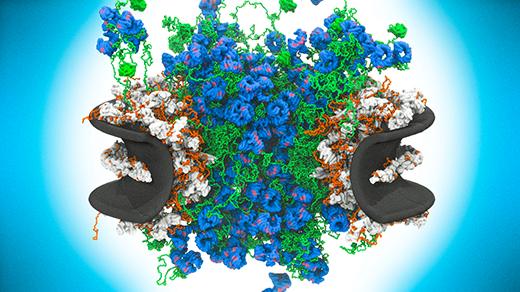
Introduction At the dawn of complex life, evolution created a container for DNA, its most treasured item. A few billion years later, 20th-century microscopists looked at this container — the nucleus — up close and saw that it was covered in tiny openings. At the time, they didn’t know what to make of these structures, but as microscopy improved, something grand came into focus: what we now call “…
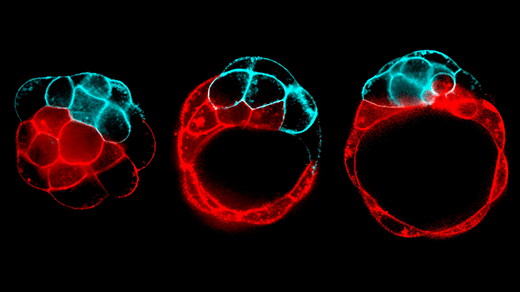
Jean-Léon Maître There’s a moment, just before the tight mass of cells that is a developing mouse embryo implants itself in the womb, that it all comes apart. Hundreds of tiny fluid-filled bubbles expand between each of the orb’s few dozen cells. The bubbles grow and press outward on cell membranes — and then, in a moment of fracture, pry them apart. Thin protein strands tether the cells together…
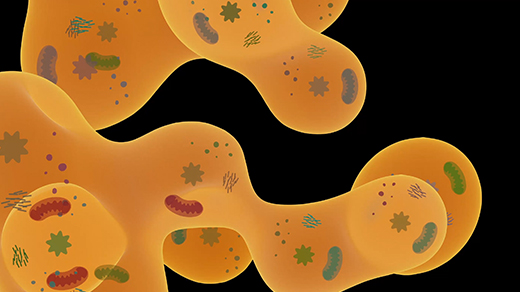
Introduction It’s a familiar image, reprinted in countless biology textbooks: an illustration of a typical cell, halved like a grapefruit to reveal its innards. Strands of endoplasmic reticulum encircle a nucleus that floats in the center like a raft. RNA molecules wait patiently at ribosomes to deliver recipes for making proteins. A few vacuoles and Golgi bodies bob about. A mostly deserted cyto…
Modern scientists aren’t content with predicting how life evolves. They want to shape it. The post The New Quest to Control Evolution first appeared on Quanta Magazine
Paradoxically, natural selection can sometimes seem to block organisms from evolving useful adaptations. But a new study of “fitness landscapes” and antibiotic resistance in bacteria shows that life still finds a way. The post Evolving Bacteria Can Evade Barriers to ‘Peak’ Fitness first appeared on Quanta Magazine
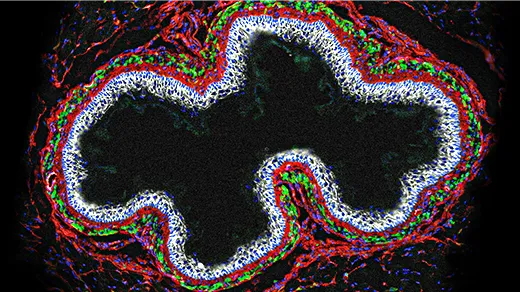
Sitting alongside the neurons in your enteric nervous system are underappreciated glial cells, which play key roles in digestion and disease that scientists are only just starting to understand. The post In the Gut’s ‘Second Brain,’ Key Agents of Health Emerge first appeared on Quanta Magazine
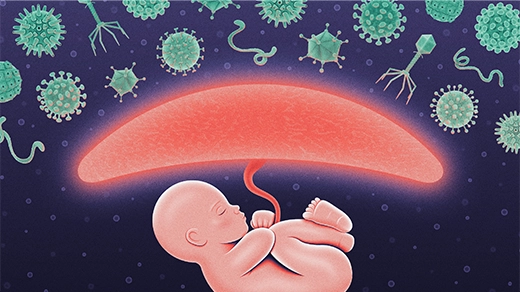
Cells in the placenta have an unusual trick for activating gentle immune defenses and keeping them turned on when no infection is present. It involves crafting and deploying a fake virus. The post During Pregnancy, a Fake ‘Infection’ Protects the Fetus first appeared on Quanta Magazine
The discovery that the brain has different systems for representing small and large numbers provokes new questions about memory, attention and mathematics. The post Why the Human Brain Perceives Small Numbers Better first appeared on Quanta Magazine
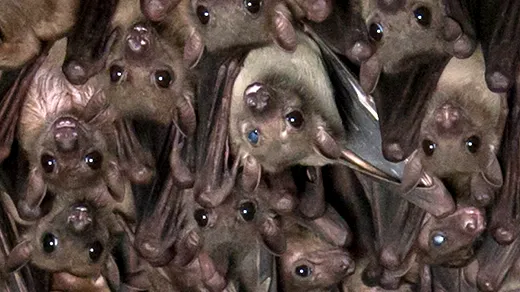
New research in social bats raises the intriguing possibility that evolution can reprogram the brain’s “place cells,” which are typically associated with location, to encode all kinds of environmental information. The post Bats Use the Same Brain Cells to Map Physical and Social Worlds first appeared on Quanta Magazine
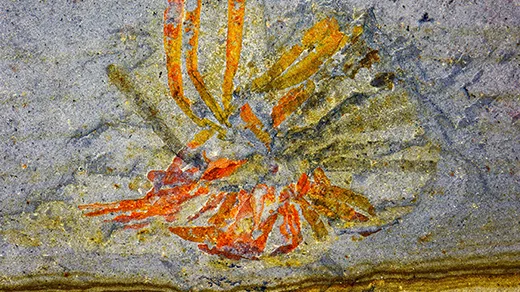
A new analysis of ancient sediments fills a gap in the fossil record — revealing a massive dynasty of ancient eukaryotes, which may have reigned for 800 million years and shaped the history of life of Earth. The post Fossilized Molecules Reveal a Lost World of Ancient Life first appeared on Quanta Magazine
For decades, researchers have debated whether brain cells called astrocytes can signal like neurons. Researchers recently published the best evidence yet that some astrocytes are part of the electrical conversation. The post These Cells Spark Electricity in the Brain. They’re Not Neurons. first appeared on Quanta Magazine
For decades, Carrie Partch has led pioneering structural research on the protein clockwork that keeps time for our circadian rhythm. Is time still on her side? The post In Our Cellular Clocks, She’s Found a Lifetime of Discoveries first appeared on Quanta Magazine
Katalin Karikó and Drew Weissman have been awarded the 2023 Nobel Prize in Physiology or Medicine for discoveries leading to mRNA vaccines, such as those that protect against Covid-19. The post Nobel Prize Awarded to mRNA Vaccine Scientists first appeared on Quanta Magazine
Exposure to a virus isn’t an all-or-nothing proposition. The concept of “infectious dose” suggests ways to keep ourselves safer from harm. The post How Many Microbes Does It Take to Make You Sick? first appeared on Quanta Magazine
Under a microscope, cells in a worm embryo deliberately eliminated one-third of their genome — an uncompromising tactic that may combat harmful genetic parasites. The post To Defend the Genome, These Cells Destroy Their Own DNA first appeared on Quanta Magazine
research.ioSign up to keep scrolling
Create your feed subscriptions, save articles, keep scrolling.