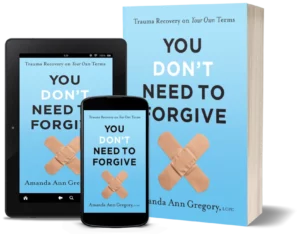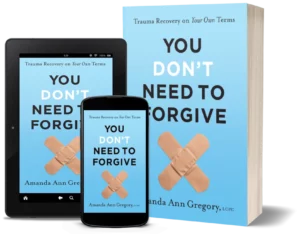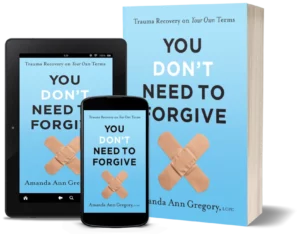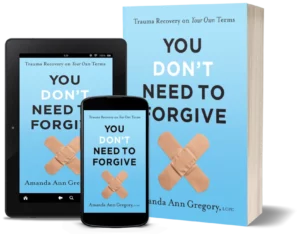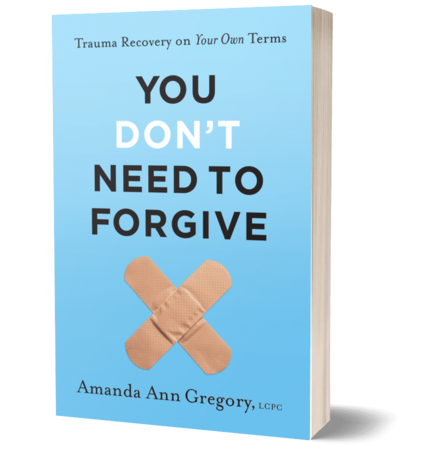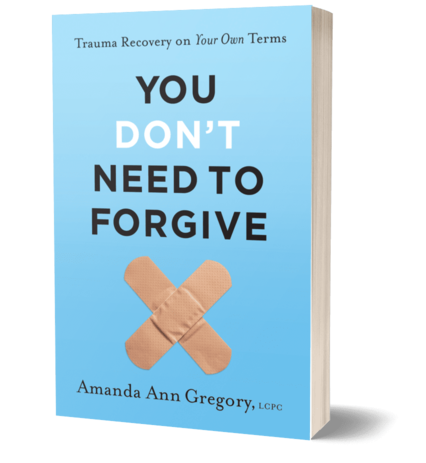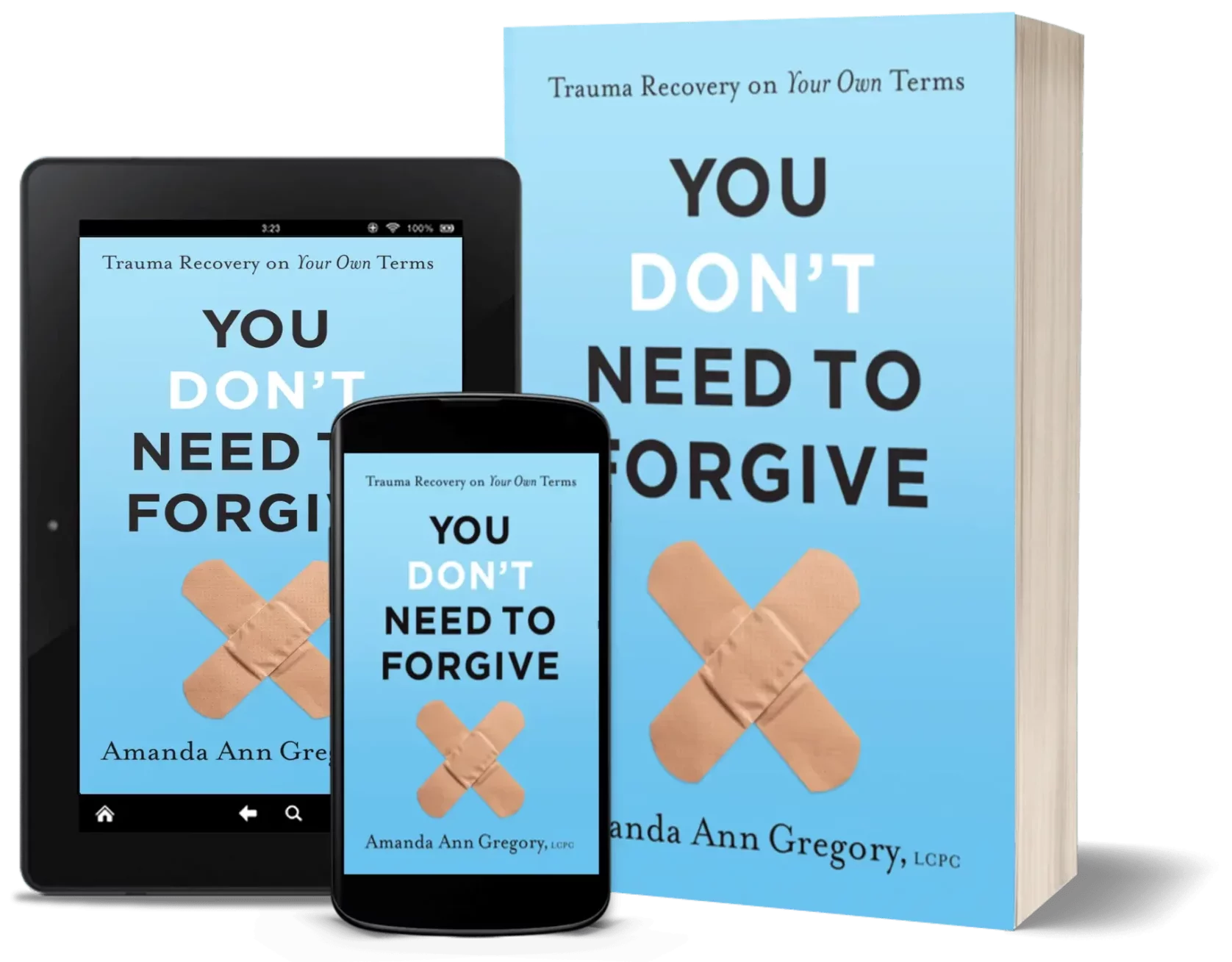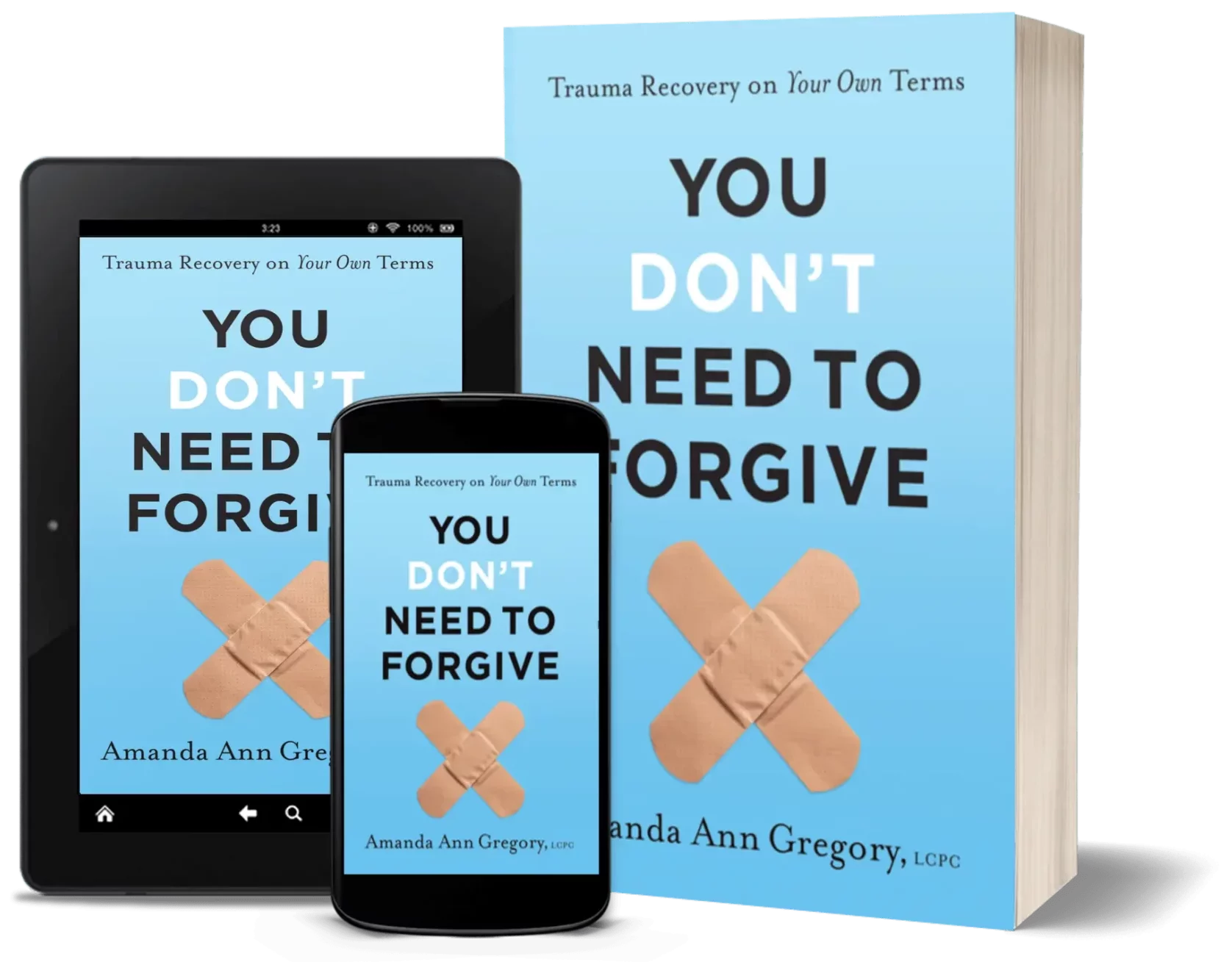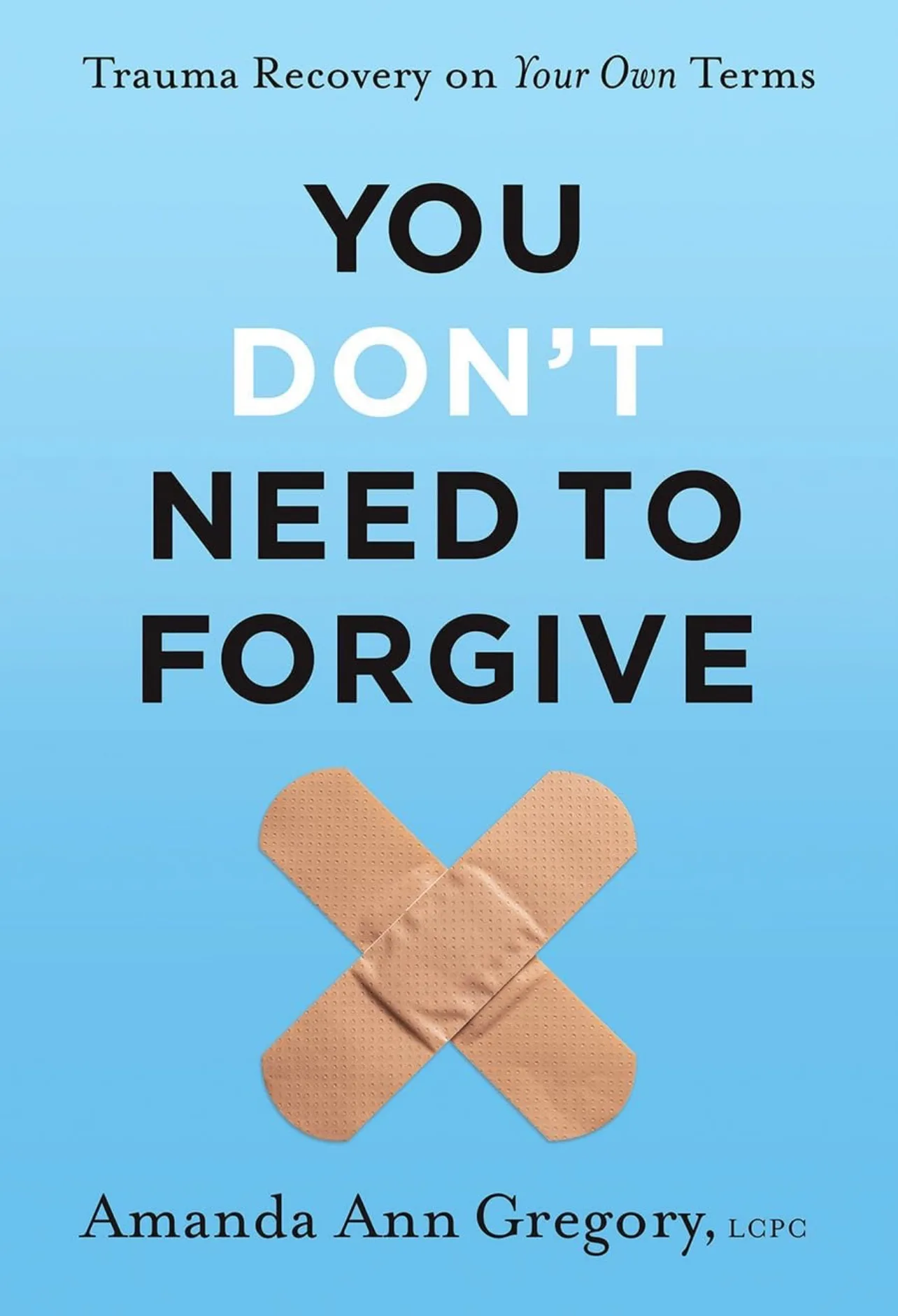
Feeling pressured to forgive their offenders is a common reason trauma survivors avoid mental health services and support. Those who force, pressure, or encourage trauma survivors to forgive can unknowingly cause harm and sabotage their recovery. And such harm is entirely unnecessary–especially when research shows there is no consensus among psychologists, psychiatrists, and other professionals a…
Amanda Ann Gregory
Everyone is talking about family estrangement, and for good reason. More people are reporting that they are choosing estrangement, as a national survey of adults in the United States found that 27% were estranged from at least one family member, which amounts to 67 million people. i Given such a high prevalence, there has been an increased focus on ways to end or prevent family estrangement, but …
psychologysocial-psychology
It’s common for trauma therapy and chosen family estrangement to go hand-in-hand. Some trauma survivors begin therapy already estranged from family; others choose estrangement during or after treatment. Estrangement may be brief, longer term, or permanent. Regardless of duration, trauma therapists frequently work with survivors who choose estrangement so frequently that anti-estrangement advocate…
behavioral-sciencecognitive-psychologypsychology
Family estrangement is often misunderstood and stigmatized, leaving many who’ve chosen it hesitant to share their experiences with others. When they can talk, they choose safe and capable people to engage with. Would you like to be one of these people? If so, consider the following guidance. Do Not Focus on Your Beliefs Avoid saying: - “But they’re your family.” - “Family is everything.” - “You o…
Many of us were taught as children to say “I’m sorry” whenever we upset someone. As adults, this phrase often doesn’t convey a genuine or effective apology. While writing my book You Don’t Need to Forgive, I discovered that many people apologize when it’s unnecessary or inappropriate, leading to forced or insincere apologies. Are there situations where you shouldn’t apologize? Absolutely. There a…
You’ve made a mistake that negatively impacted someone, and you’d like to apologize. How can you provide the best apology? While writing my book, You Don’t Need to Forgive, I discovered that many people don’t know how to apologize, which negatively impacts their ability to repair ruptures in their relationships. If you want your apology to […] The post Avoid These 5 Common Apology Pitfalls appear…
The phrase “forgive and forget” is a common slogan and recommendation. But does it make sense for trauma survivors? While researching for my book, You Don’t Need to Forgive: Trauma Recovery on Your Own Terms, I discovered that many trauma survivors, including myself, have been encouraged to forgive their offenders and to forget their offenses. […] The post Why “Forgive and Forget” is Bad Advice f…
emotionpsychologytrauma-recovery

Amanda Ann Gregory (she/her), a practicing trauma psychotherapist, is renowned for her work in complex trauma recovery. Her unique perspective as both a clinician and a trauma survivor allows her the ability to genuinely understand the needs of survivors, a perspective she shares in her book You Don’t Need to Forgive: Trauma Recovery on Your Own Terms. Her writing, featured in notable publication…
psychologypsychotherapytrauma
Are you a complex trauma survivor? If so, have you considered attending a support group? I didn’t until I researched effective trauma recovery methods for my book, You Don’t Need to Forgive: Trauma Recovery on Your Own Terms, and found support groups to be effective. Disclaimer: None of the groups on this list are therapy […] The post 6 Support Groups for Complex Trauma Survivors appeared first o…
psychologytrauma
Forgiveness is not required for your well-being. It’s always optional. Have you heard these phrases? Forgiveness will set you free. You only hurt yourself when you don’t forgive. You need to forgive if you want to move on. Chances are, you’ve heard these phrases many times. In my research for my book, You Don’t Need to […] The post You Don’t Need to Forgive appeared first on Amanda Ann Gregory .
emotionpsychology
“I can’t forgive him. I’ve tried for years, but I just can’t,” said Craig, referring to his father, who neglected him throughout his childhood. “I know it’s because I’m a bad person. Good people forgive, and bad people don’t.” Craig struggled with deep-seated shame stemming from child abuse. His father’s lack of attention, love, and […] The post How Shame Obstructs Forgiveness in Trauma Recovery…
cognitive-psychologyemotionpsychology
“How ironic that it was the act of not forgiving that finally freed me to forgive,” writes Nancy Richards a survivor of child abuse, who eventually forgave her mother.[i] While researching for my book, You Don’t Need to Forgive, I discovered that there are many reasons why people struggle to forgive their offenders. One of […] The post Can’t Forgive? Try Embracing Unforgiveness appeared first on …
If you loved The Body Keeps the Score, give these recent (2024-2025) books on complex trauma and CPTSD a try. Kaytlyn Gillis, LCSW Do you blame yourself for being abandoned or neglected as a child, or suffer from poor self-esteem, anxiety, or depression as a result? Do you have deep feelings of shame, defectiveness, […] The post Beyond The Body Keeps the Score: Recent Books on Complex Trauma ap…
developmental-psychologypsychology
Anger isn’t a villain, and forgiveness isn’t a hero. Anger and forgiveness are often pitted against each other as archrivals. In my research for my book, You Don’t Need to Forgive: Trauma Recovery on Your Own Terms, I discovered that in this contest, forgiveness is cast as the hero, while anger is cast as the villain. However, this […] The post Why Anger and Forgiveness Aren’t Enemies appeared fi…
emotionpsychology
research.ioSign up to keep scrolling
Create your feed subscriptions, save articles, keep scrolling.
Already have an account?