Digital Science
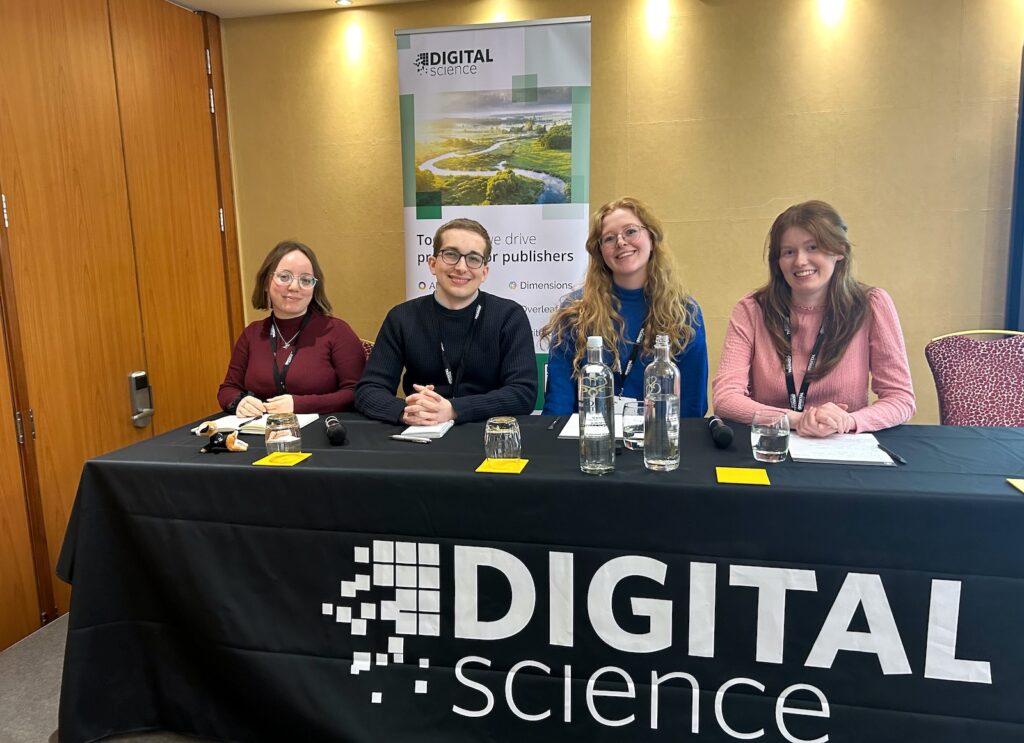
Digital Science’s UK Publisher Day 2026 brought together publishers, industry and technology partners to explore the evolving role of publishers at a time when the way we conduct and interact with research is changing. Across keynotes, panels, lightning talks and case studies, participants at every stage of their careers – from early career professionals to established leaders in scholarly publis…
Can AI extract citations from conference posters posted on social media? Results from an experimental study by researchers at Digital Science suggested that Gemini 2.0 flash can extract citation data from images on X (previously Twitter) with a 92% accuracy, and they were able to link 63% (with a great potential to increase this percentage) in the Dimensions database. Conference posters often con…
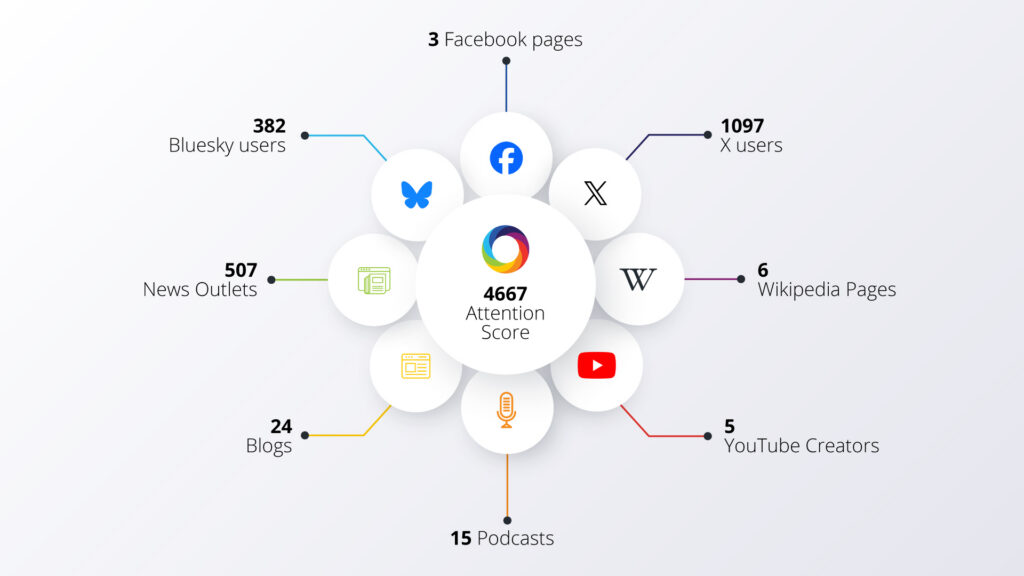
Thousands of papers and studies are published daily. How do you know whether your research has made any waves in the field? How is actual “impact” or “influence” measured, and what metrics matter? By number of citations or Altmetric score? Virality on social media? Longest title of 2025? And finally, are these measurements good, bad or simply delightful? These questions (and more) are ones that o…
The ISMPP European Meeting is a specialized annual conference focused on standards of medical publications and scientific communication. It is designed for publication planners, medical writers, and industry leaders from pharma, agencies, and journals to collaborate on best practices, such as integrating AI tools and enhancing patient involvement in research. In the world of publications, we are …
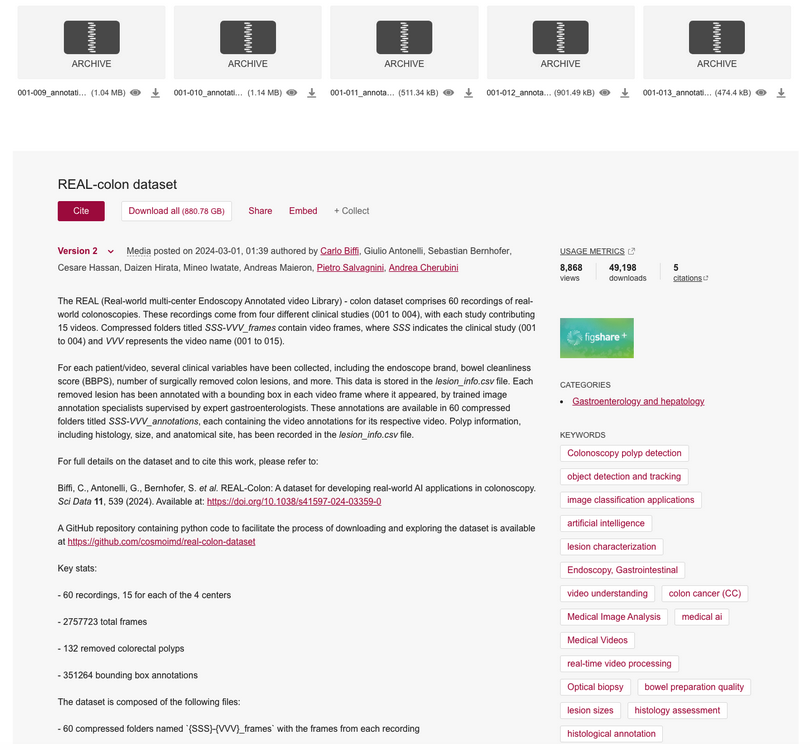
What if the binding constraint on the next wave of scientific AI is not compute, not talent, and not architecture but the data underneath it all? I suspect for many reading this, the instinctive response is that data is obviously important. But the gap between acknowledging its importance and actually investing in the infrastructure to make it usable is, as the past decade has taught us, rather w…
Retrospective storytelling alone cannot be used to evidence research impact. And that is one core point underlined in the 2029 Research Excellence Framework (REF); in fact it highlights that impact is assessed on whether reach and significance can be clearly evidenced and traced back to the research question itself, and whether institutions can demonstrate a clear, credible connection between res…
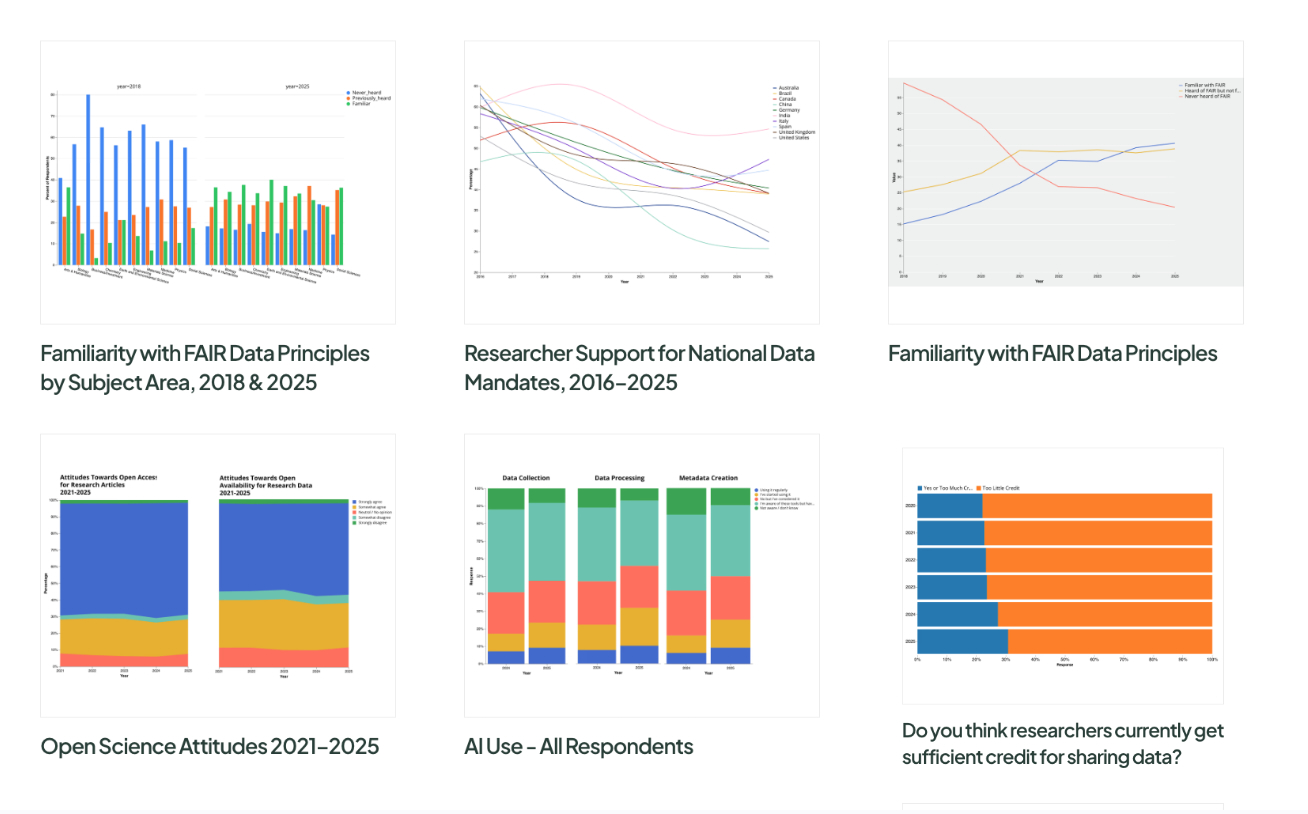
In this guest post, FigureTwo Founder and CEO Jeff Lang offers an important update since winning the Digital Science Catalyst Grant, and shares reimagined versions of key figures from the State of Open Data 2025 report. In December, we were honoured to be named Digital Science Catalyst Grant winners, joining an esteemed alumni of startups working to improve technology across the scholarly landsca…
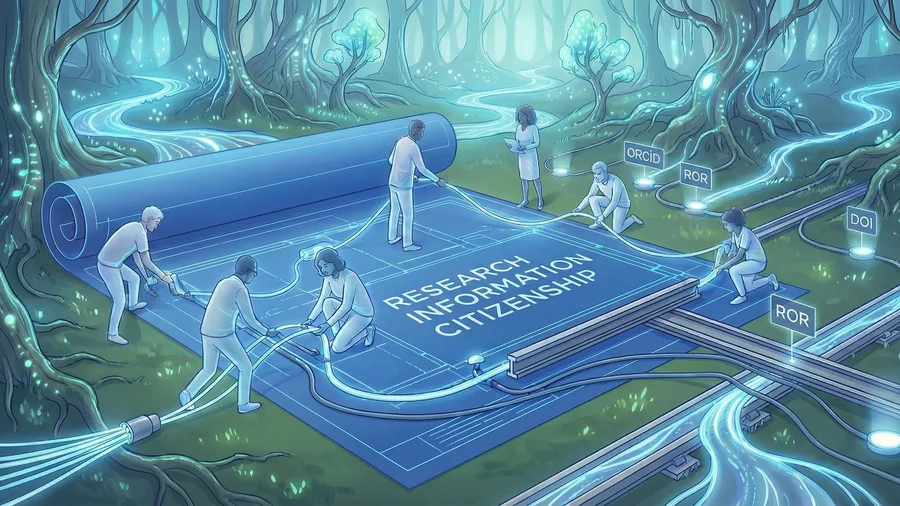
Over the past decade, the research community has become increasingly comfortable using the language of openness. We talk about open science, open infrastructure, open metadata and open knowledge graphs. But openness, like citizenship, is not something that can be claimed by declaration alone. It is something that must be earned, maintained, and continually renewed. Research information citizenshi…
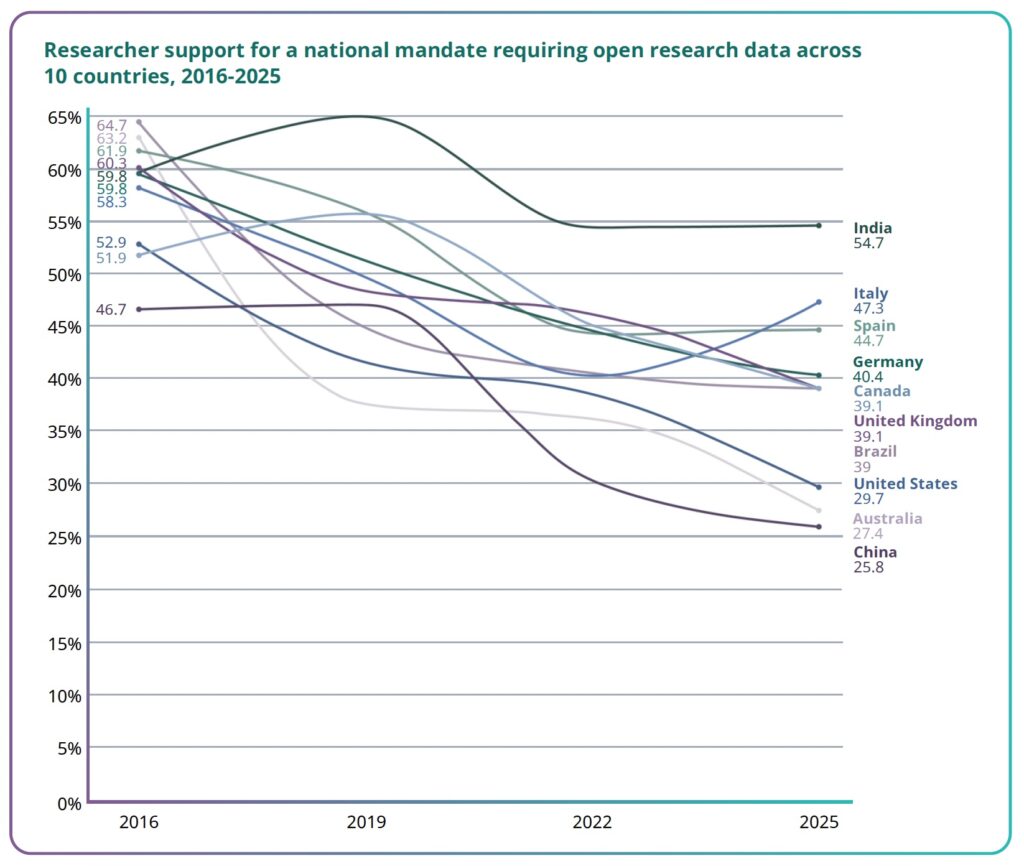
Ten years into the open data era, we have achieved something of genuine significance: we have won the argument. In 2016, “open academic data” still required evangelism. The hardest part was persuading colleagues that data sharing mattered at all. Today, that conversation has fundamentally shifted. The majority of researchers now accept that sharing data is valuable, and this matters enormously, f…
The best way for humankind to benefit from research is to prioritize machines over people when sharing data. Here’s why. We push out the lines that academic research needs to be Findable, Accessible, Interoperable and Re-usable (FAIR) for humans and machines. This suggests humans and machines should get equal priority when it comes to FAIR. This is not the case, we should prioritize the machines.…
This article distills key insights from the expert roundtable, “AI in Literature Reviews: Practical Strategies and Future Directions,” held in Boston on June 25 where a range of R&D professionals joined this roundtable, bringing perspectives from across the pharmaceutical and biotechnology landscape. Attendees included senior scientists, clinical development leads, and research informatics specia…
A panel of experts explores publication success, new measures of impact, and how digital transformation and AI are reshaping the game. The post How experts are redefining research visibility beyond traditional metrics appeared first on Digital Science .
Discover SRAD, Digital Science’s new program launched in July 2025, designed to streamline research analytics, offer real‑time data insights, and empower scientists to drive innovation across the open research ecosystem. The post Introducing SRAD appeared first on Digital Science .
How do we know if Open Access research is having its intended impact? The post Access vs Engagement – is OA enough? appeared first on Digital Science .
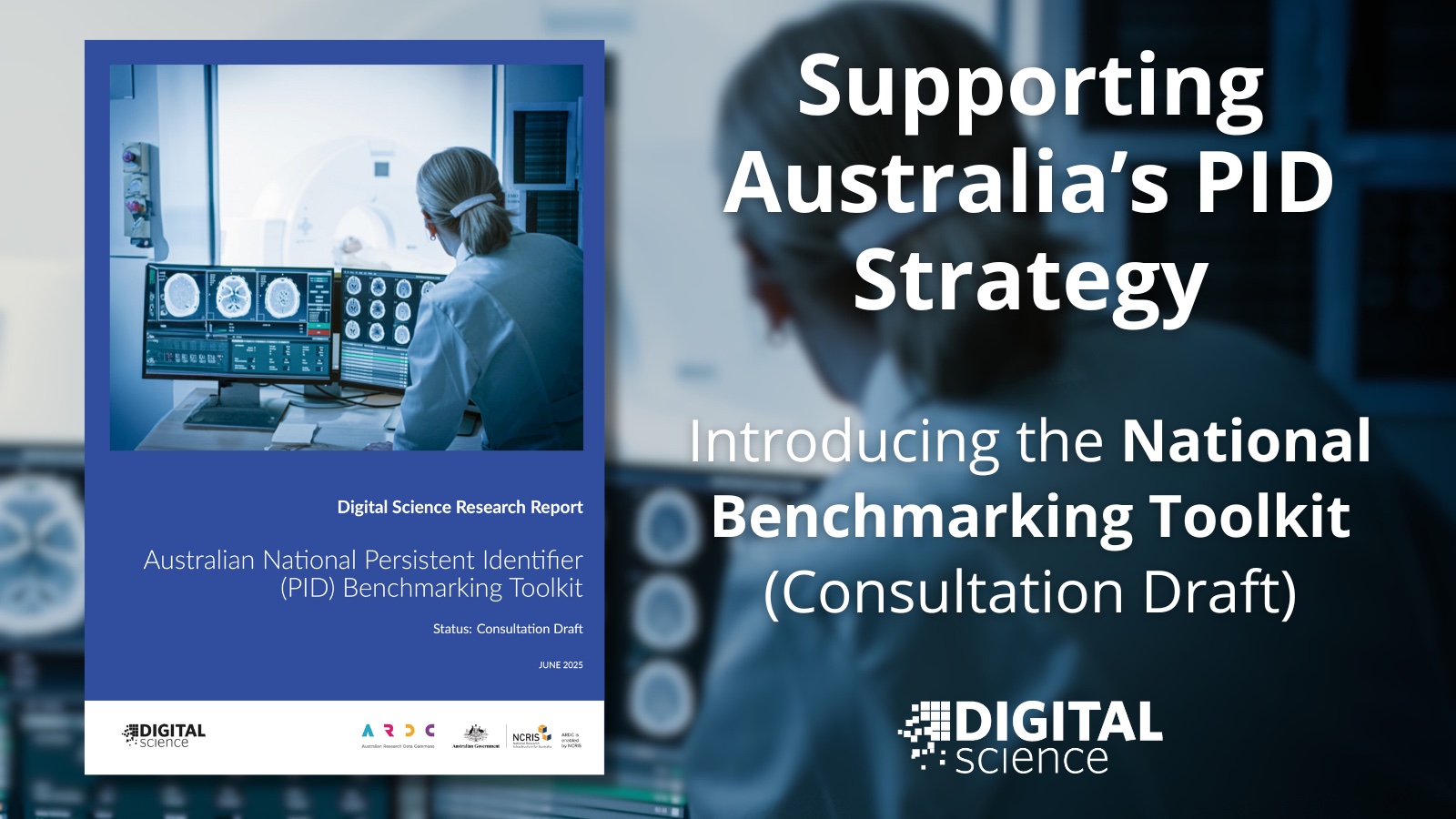
It's now out for consultation - the Australian National Persistent Identifier (PID) Benchmarking Toolkit has been released as a draft. The post Supporting Australia’s PID Strategy: Introducing the National Benchmarking Toolkit (Consultation Draft) appeared first on Digital Science .
The role of scientific research has featured heavily at SXSW London 2025. Mark Hahnel suggests we need more basic research in order to compete. The post AI needs new facts – the value of novel scientific research appeared first on Digital Science .
Using Dimensions, Emily Alagha examines the rapidly growing FemTech health technology sector - and reveals where major opportunities remain. The post Tracking the FemTech research boom: What data tells us about innovation & gaps appeared first on Digital Science .
At Digital Science, we recognize that the journey toward AI adoption is as unique as the organizations and individuals we support. From bench researchers to medical affairs professionals to research offices, our approach is grounded in collaboration and deep understanding. The post AI-powered solutions to transform your research appeared first on Digital Science .
How is AI being used in the research ecosystem? We asked AI itself for some answers. The post How does Digital Science use AI? We ask ChatGPT appeared first on Digital Science .
research.ioSign up to keep scrolling
Create your feed subscriptions, save articles, keep scrolling.