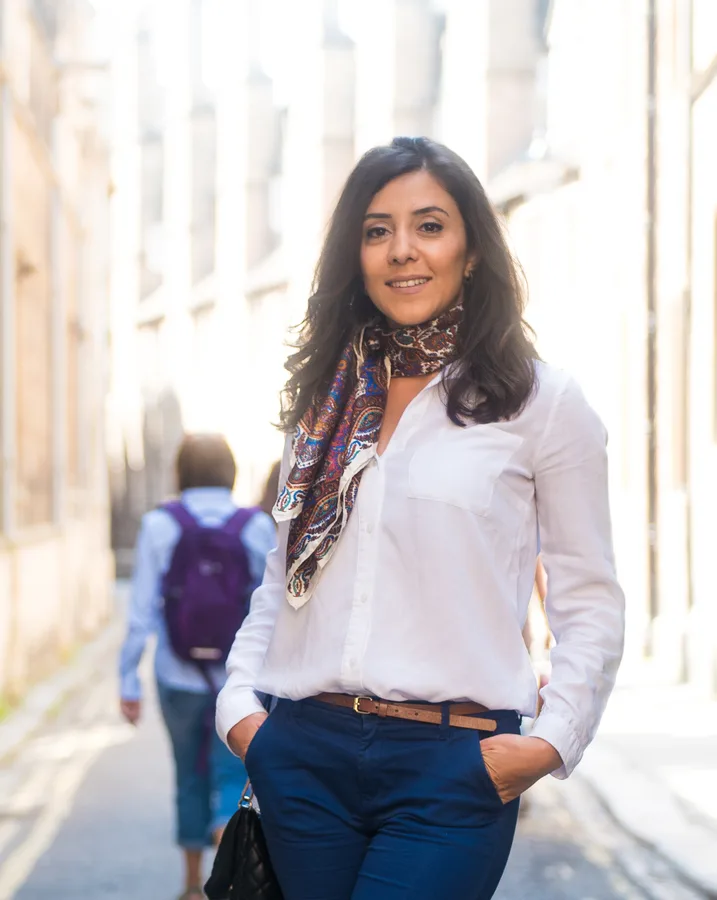
Ghina M. Halabi is an astrophysicist and social entrepreneur, whose work lies at the intersection of science, entrepreneurship and education. During her PhD and postdoctoral work, her research was on internal structure and evolution of stars. Now, working at Cambridge Judge Business School Entrepreneurship Centre, she creates and leads impactful opportunities for scientists and academics to thriv…
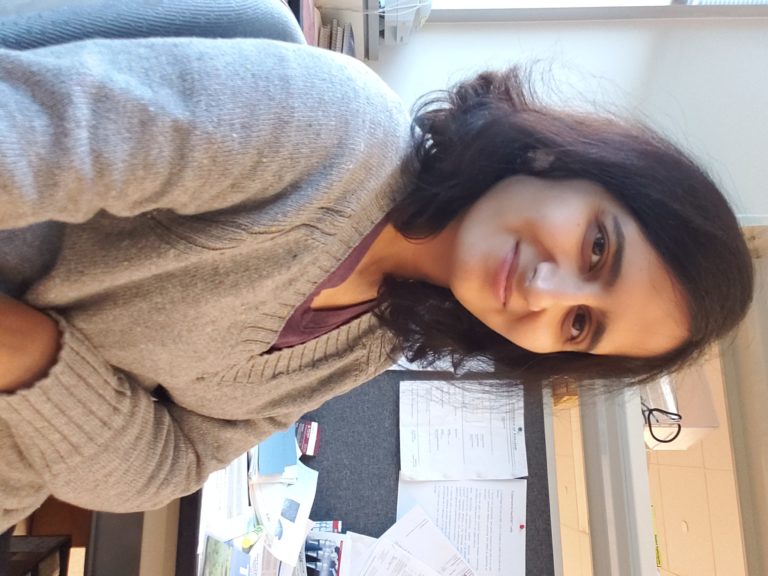
A doctorate — the highest level of education — is generally thought of as a launchpad for great career opportunities. Yet, a PhD hardly prepares one for jobs, says Pragati Agnihotri, a scientist in the American biotech corporation Advanced Bioscience Laboratories, Rockville, Maryland. Here are a few things she learnt first-hand that might offer guidance to future PhDs and postdocs in their career…
Science stories are equal to success stories. Right? Wrong. In thinking of scientists as successful people, we often assume that their career paths are straightforward, meticulously planned, and yield positive outcomes. However, things don’t always go as planned. Behind every small success, there’s probably a string of failures — work that did not make it to the curriculum vitae, rejected papers,…
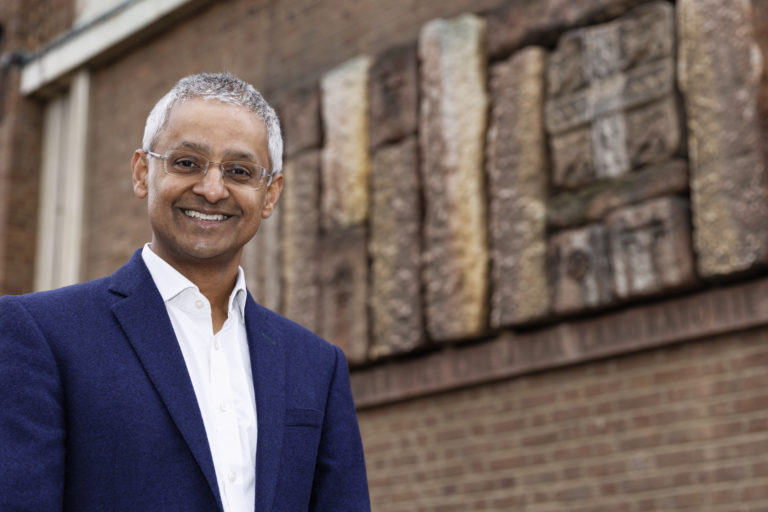
Indian-born British chemist Shankar Balasubramanian recently won the Millennium Technology Prize, instituted by the Technology Academy Finland, for development of revolutionary DNA sequencing techniques. Vanita Srivastava caught up with him to understand the award winning genetic sequencing work that has widely impacted the fields of genomics, medicine and biology.
[Shankar Balasubramanian is a H…
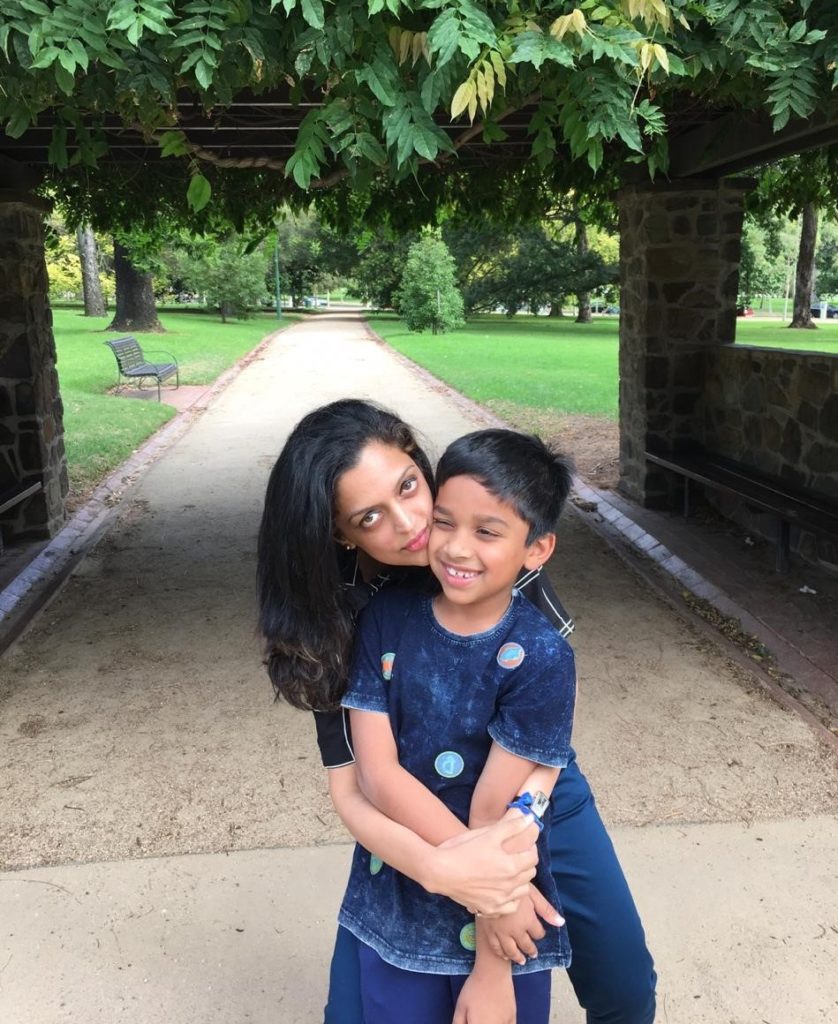
Karishma S Kaushik, an Assistant Professor and Ramalingaswami Fellow at the Institute of Bioinformatics and Biotechnology in Savitribai Phule Pune University turned the pandemic into an opportune time to spur children’s interest in science, including her own son’s.
My phone pinged in the middle of the session. It was a message from my almost 10-year-old son. “Spelling mistake in slide 36. Instead…
The British cosmologist Stephen Hawking (1942–2018) was probably the most recognizable scientist of the last 50 years. Many of his greatest contributions were in the study of black holes. In particular, he discovered in 1974 that black holes emit what came to be known as Hawking radiation — which shows that black holes are not truly black and appears to contradict quantum mechanics.
His public pe…
Contributed by the following authors (in alphabetical order): Dr Claudia Antolini, Dr Clara Barker, Dr Kathryn Boast, Dr Izzy Jayasinghe, Dr Caroline Müllenbroich, Dr Clara Nellist … Read more Continue reading →
In 1934, Pavel Cherenkov discovered that when charged particles surpass the speed of light in matter, they generate an electromagnetic shockwave. A well-known analogue for this phenomenon is a sonic boom – shockwaves of sound generated when jet planes surpass the speed of sound in air. This new understanding of light–matter interactions led Cherenkov to share the 1958 Nobel Prize in Physics with …
H-index is an author-level metric that measures both productivity and citation impact of an author’s publications across the global scientific community. It is calculated by counting the number of publications in which an author has been cited by other authors. H-index 100 means each of the latest 100 of the author’s papers have been cited at least 100 times. Read more Continue reading →
Another ‘ahead of print’ issue was out. I was anxiously scanning it for my article. There it was! The next obvious thing to do would be to announce this exciting news on all possible social media channels, ‘humbly’ displaying my scientific and literary skills, proud of my name leading the decorated list of authors. Read more Continue reading →
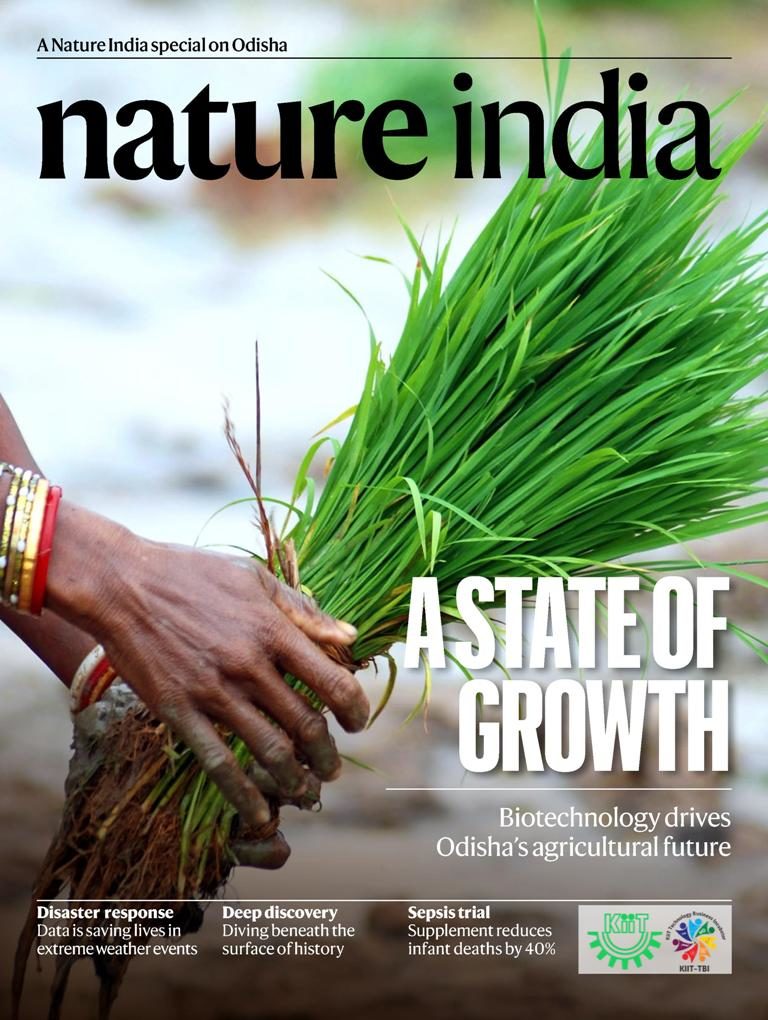
A state known for its heritage, culture and disaster management, and as an emerging hub of scholarship and research, Odisha is making its mark. This special issue captures the aspirations of and challenges for the eastern Indian state in becoming the next national science hub. Read more Continue reading →
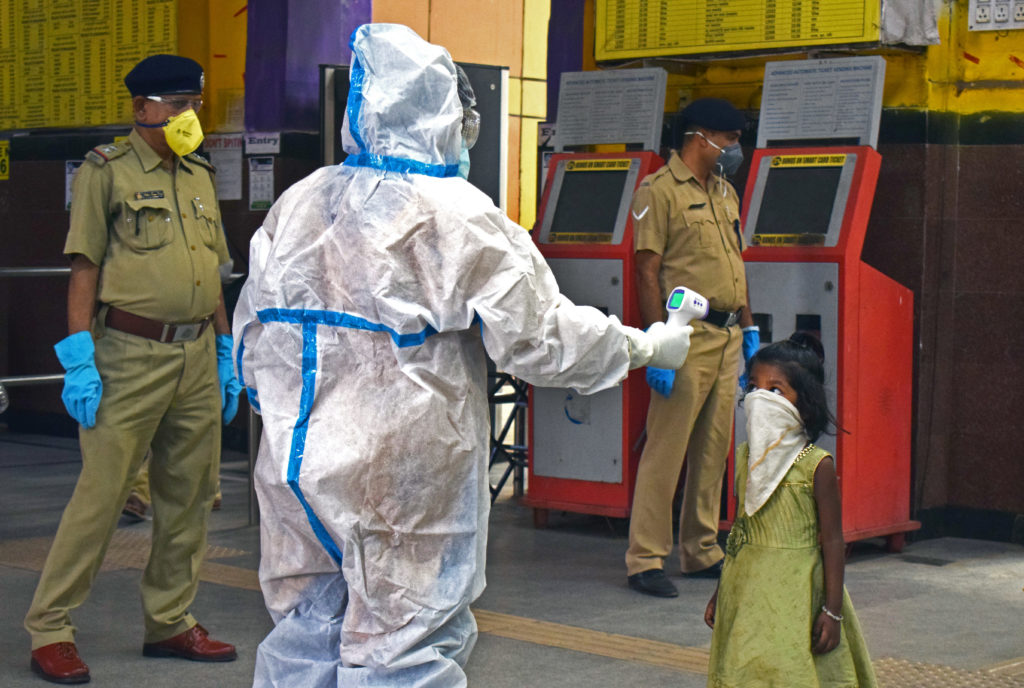
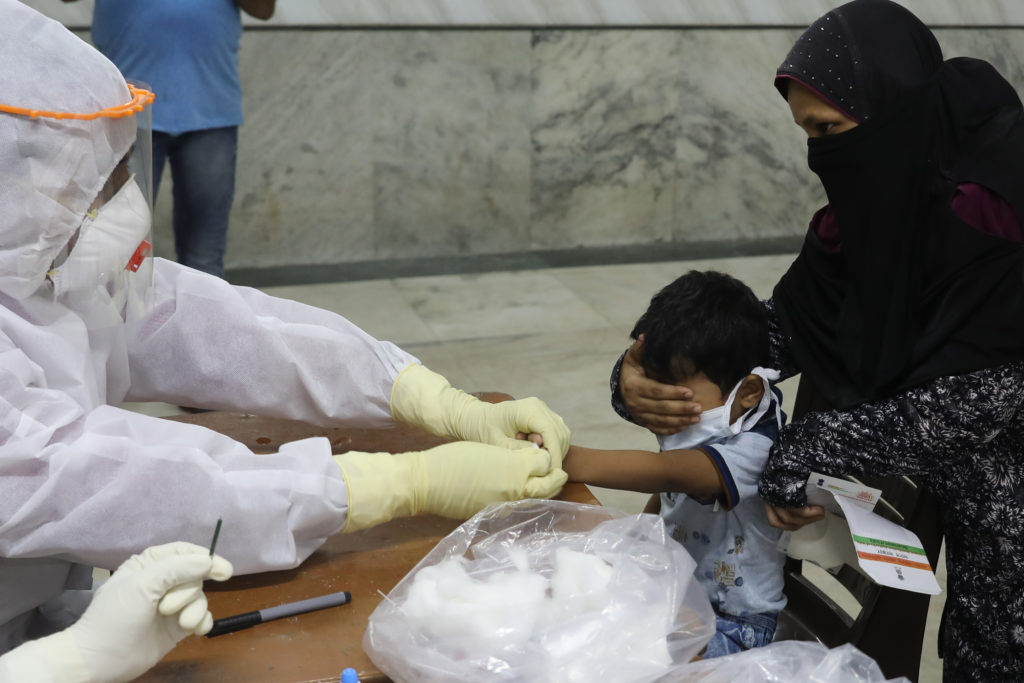
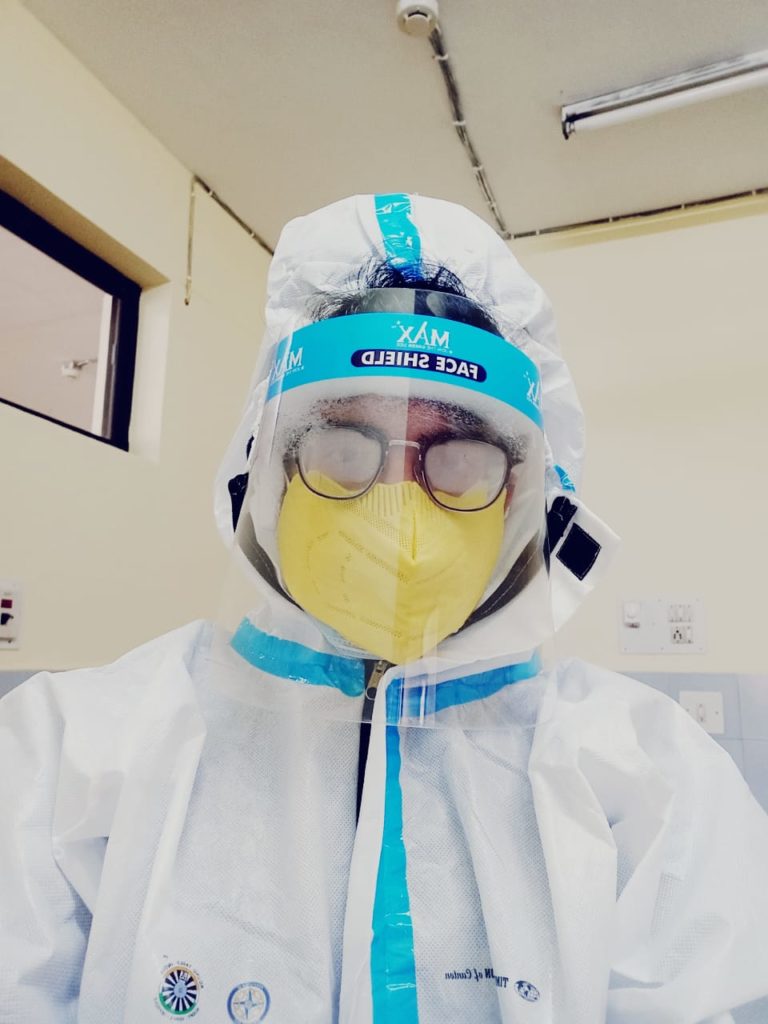
Very early on it became clear that the COVID-19 pandemic was not just a challenge for scientists and medical professionals. Almost a year into the coronavirus’s rampage across the world, there’s no doubt about the long-term impact that SARS-CoV-2 will continue to have on every facet of human life — from healthcare to education, social interaction, businesses, environmental concerns, and political…
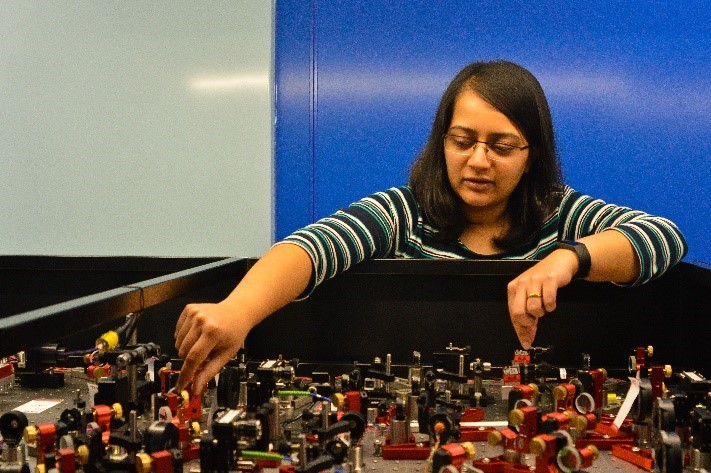
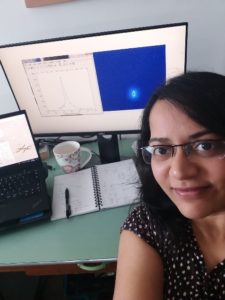
During the COVID-19 lockdown which led to the closure of many labs around the world, Amruta Gadge, a postdoctoral researcher in the Quantum Systems and Devices group at the University of Sussex*, made headlines for remotely setting up a Bose–Einstein condensate from her living room. Gadge, an alumna of the University of Pune, tells us how she achieved that. Read more Continue reading →
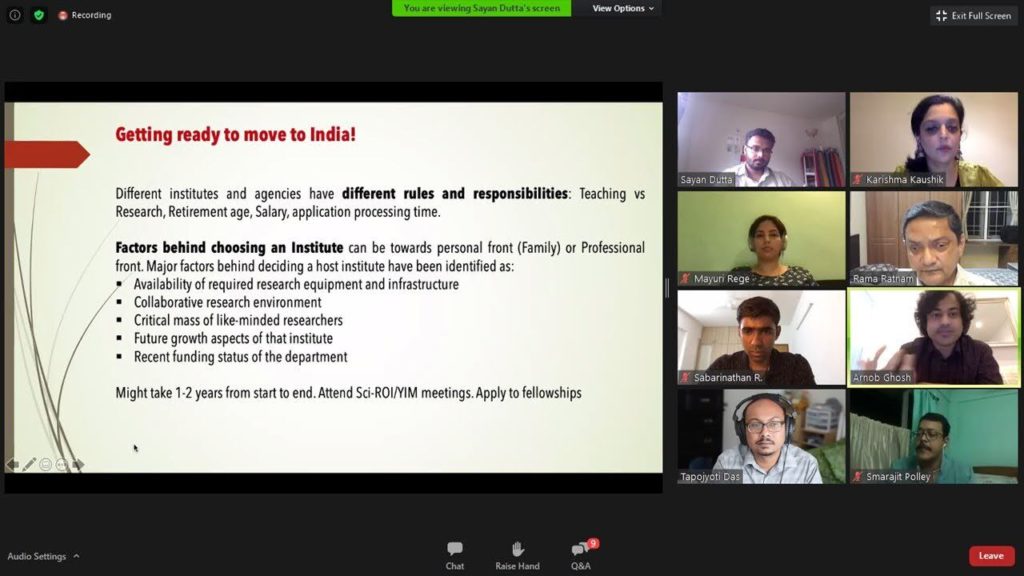
As the global economy took a hit with the coronavirus pandemic, and science job opportunities seemed up in the air, more than 400 diaspora Indian scientists, engineers and entrepreneurs got together in early September 2020 to make sense of what this ‘new normal’ might look like. Read more Continue reading →
During the COVID-19 lockdown which led to the closure of many labs around the world, Dr. Amruta Gadge, a postdoctoral researcher in the Quantum Systems and Devices group at the University of Sussex*, made headlines for remotely setting up a Bose–Einstein condensate from her living room. Here, she tells us her story. Read more Continue reading →
As coronavirus restrictions have been easing over the past few months, increasing numbers of researchers are starting to return to labs and begin experimental work again. Nature Reviews Physics organised a photo competition, inviting submissions of photos which depict lab-life in the era of COVID-19. Read more Continue reading →



 research.io