MND Research Blog
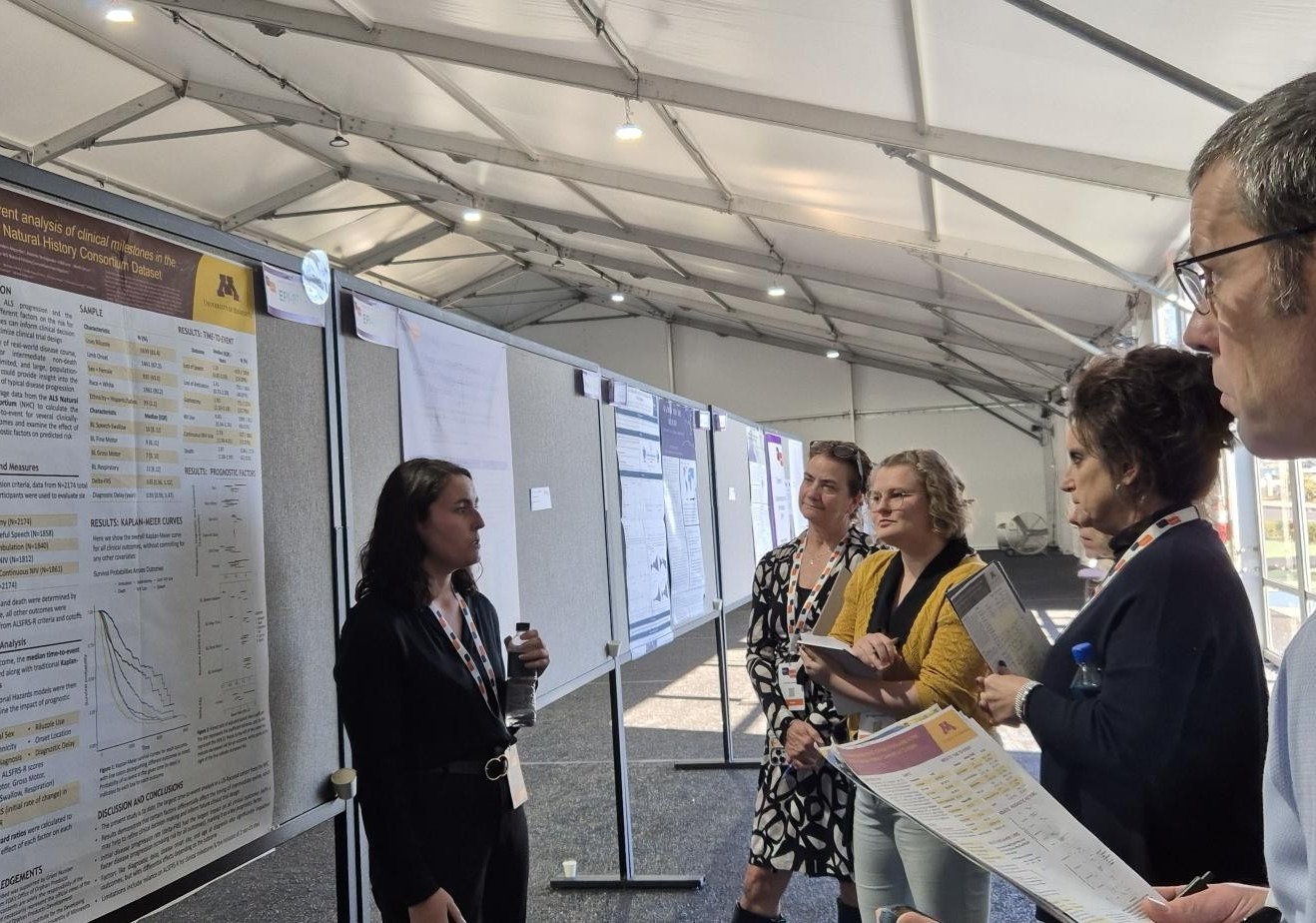
Every year, hundreds of research projects from around the world are showcased at the International Symposium, reflecting the sheer amount of research going on in ALS/MND. With so much research underway, not everyone can have a platform presentation, and so posters are an ideal way for researchers to present, share and discuss their work. Each symposium also features poster prizes for outstanding …
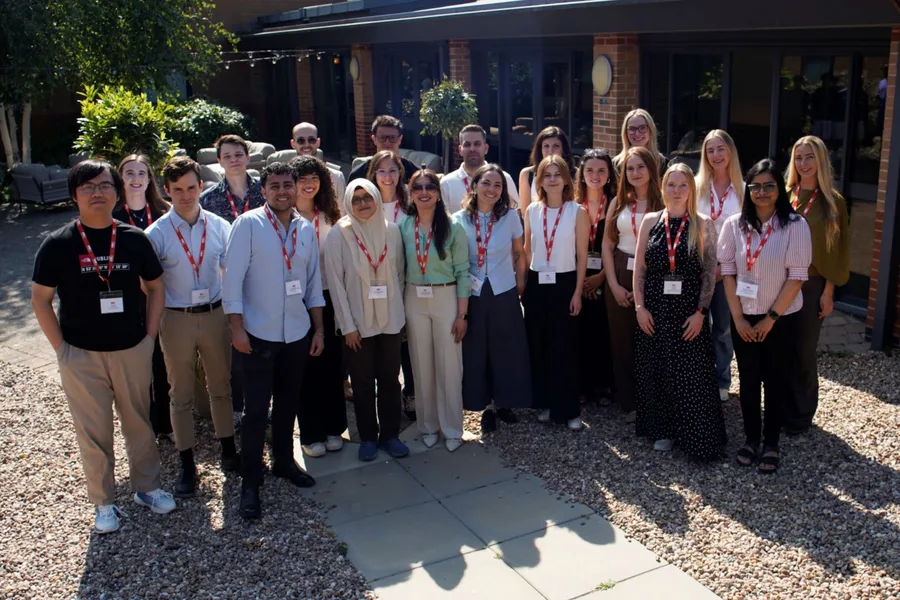
Each year at the International Symposium, we recognise early career researchers whose work is making exceptional contributions to understanding and treating MND. This prestigious award acknowledges that even at the start of their careers, these researchers are helping drive progress towards better care, better treatments and, one day, a cure. The judging process begins at the abstract submission …
Primary Lateral Sclerosis (PLS) is a type of MND that progress slowly over many years. It is estimated that around 3 in 100 people diagnosed with MND have PLS and is therefore considered a rare form of the disease. PLS commonly begins with symptoms affecting the movement and communication. People with PLS develop muscle stiffness, difficulties with walking and balance, and slurred speech. Just li…
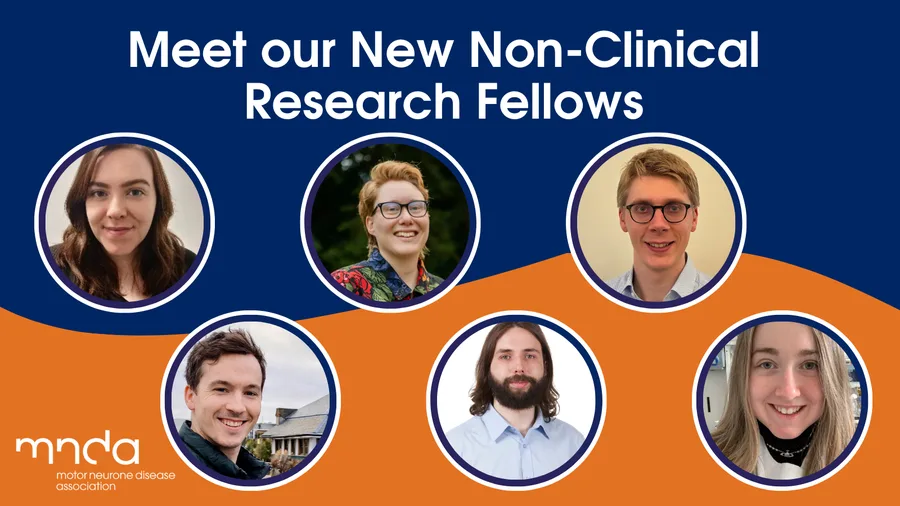
This year, we are welcoming our 11th cohort of Non-Clinical Research Fellows to our incredible team of more than 320 scientists involved in research grants funded by the MND Association. Six researchers have been awarded Non-Clinical Fellowships, which are grants designed to nurture the best Post-Doctoral researchers and develop the MND research leaders of the future. Fellowships are awarded at t…
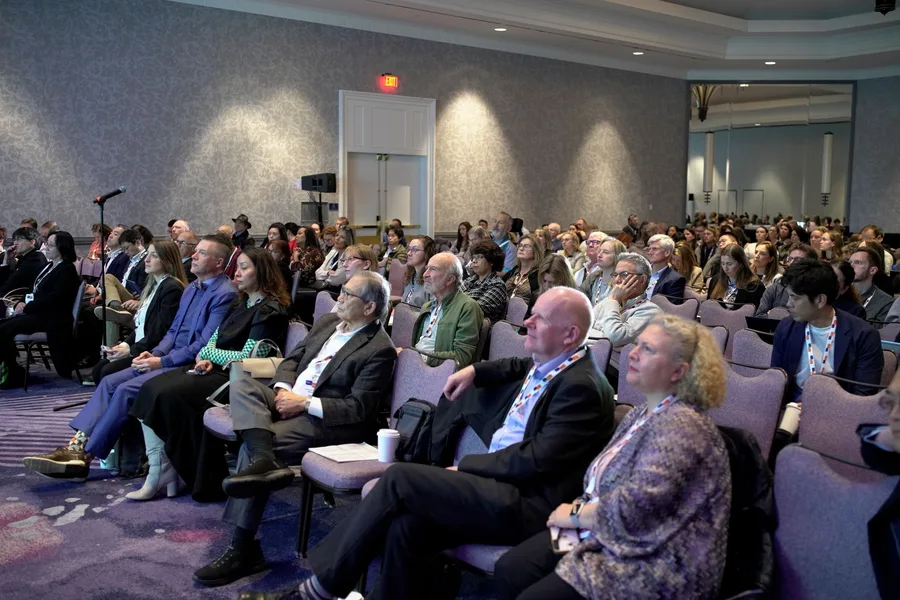
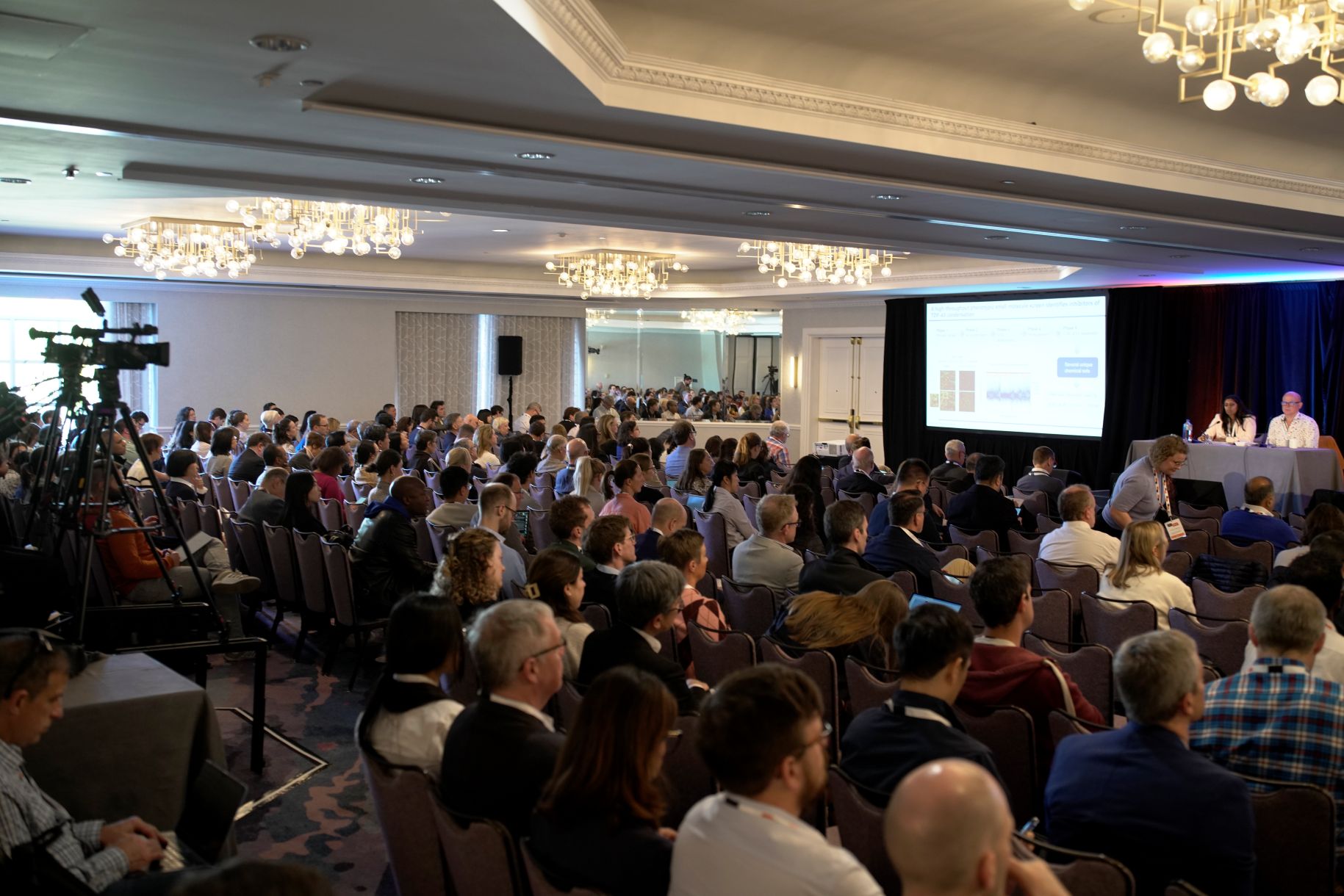
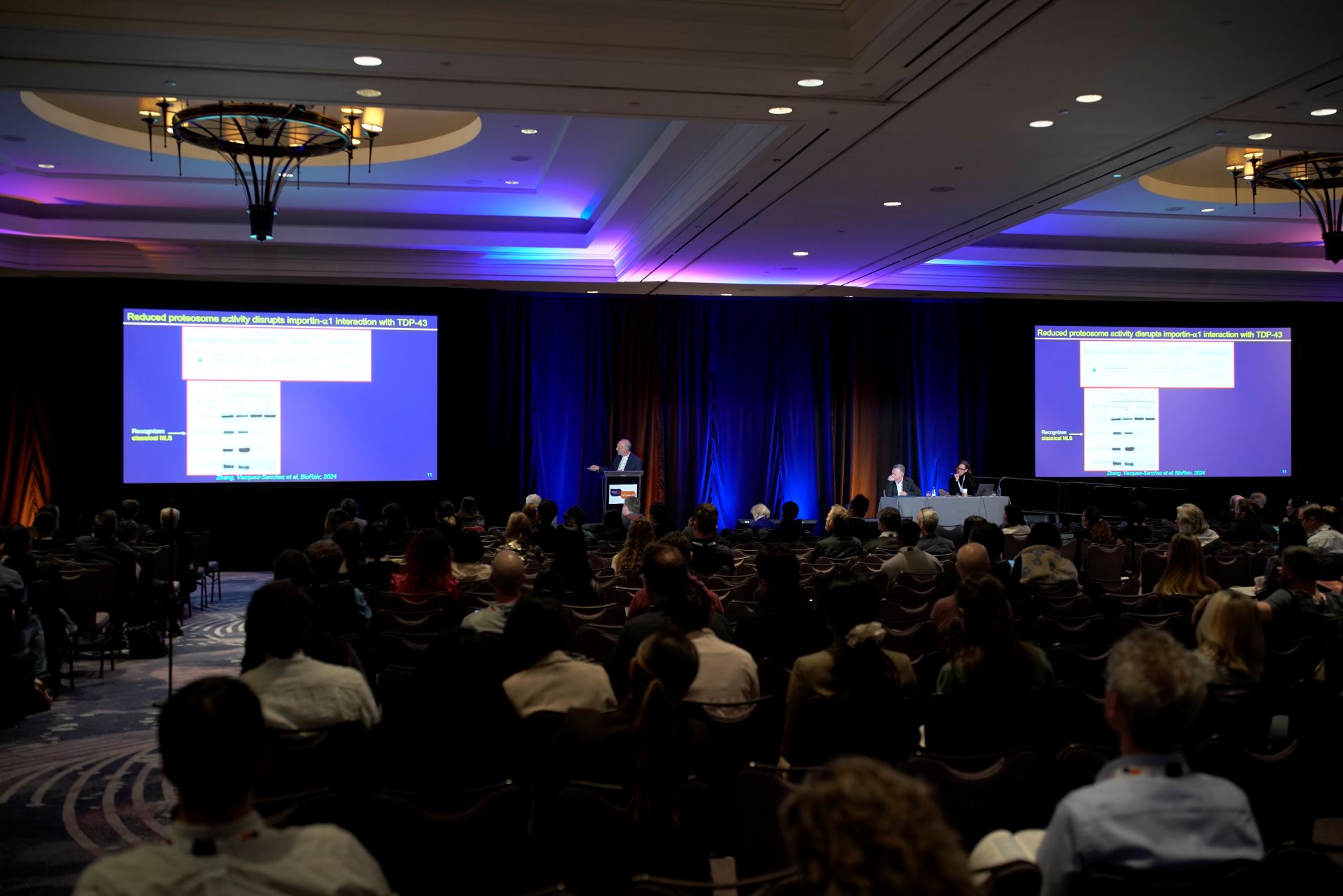
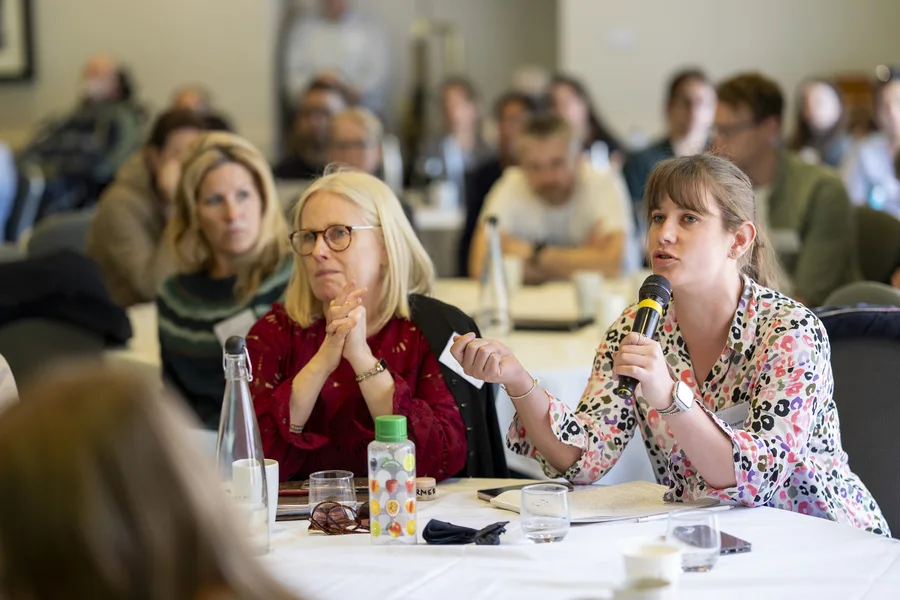
The International Symposium on ALS/MND has closed its doors once again after three insightful, inspiring and hopeful days! After being postponed in 2020 due to the COVID-19 pandemic, we finally made it to the beautiful city of San Diego to bring the global MND community together to share the latest updates in MND research. This December, we were joined by over 1150 delegates both in-person and vi…
The International Symposium on ALS/MND has closed its doors after three insightful, inspiring and hopeful days! This year’s event in San Diego really has showcased the breadth of research happening around the world and reminded us all how many amazing scientists are dedicating themselves to adding more pieces to the puzzle and finding effective treatments. We’ve heard more than 100 talks and seen…
In the session on therapeutic strategies and treatment approaches, we’ve heard seven talks about new therapies being developed and new ways to find possible treatments. One talk was given by Dr Irina Antonijevic from biotech company Trace Neuroscience. Trace Neuroscience aims to develop new gene therapies by focusing on a protein called UNC13A which becomes faulty in people with MND. UNC13A plays…
The Preclinical and Prodromal ALS session focused on early diagnosis of MND and the use of biomarkers to reveal early signs of the disease. A key approach to this type of research is to use a lot of data, with information collected from people over time. Crucially, this includes information gathered from people before symptoms appeared. This can be a powerful tool when looking for changes. Jesper…
Following the mid-morning break, which was filled with the smell of freshly brewed coffee, we attended a session on biomarkers. Biomarkers are measurable indicators of biological changes that can confirm the presence of disease and be used to monitor disease progression or response to drug treatments. Read more about biomarkers here. Seven talks in this session each focused on different MND bioma…
We’ve just heard some really interesting talks in the Cognitive and Psychological Assessment and Support session. Professor Sharon Abrahams opened, and explained that around half of people with MND experience changes in thinking and behaviour. Prof Abrahams highlighted the importance of testing for thinking and behaviour changes in MND, and described the Edinburgh Cognitive and Behavioural ALS sc…
Reading Time: < 1 minute The clinical trials session is always the most anticipated and well attended session of the Symposium. This year was no different! Professor Merit Cudkowicz shared updates on a drug called Prime C. The post Exploring new treatments through clinical trials appeared first on MND Research Blog .
Reading Time: 2 minutes This morning kicked off with a session about genes and phenotypes. The six talks focused on trends in the development of MND in different groups of people and The post Estimating disease risk in families carrying changes in C9orf72 gene appeared first on MND Research Blog .
Reading Time: 2 minutes In this year’s opening session of the International Symposium on ALS/MND, we’ve just heard the Stephen Hawking Memorial Lecture. The lecture brings expertise from outside The post Mini Brains and Space: Unlocking the Secrets of Brain Development and Aging appeared first on MND Research Blog .
Reading Time: 6 minutes The global MND research community is once again preparing for one of the most anticipated events of the year—the 36th International Symposium on ALS/MND. This annual The post Finding new treatments for MND appeared first on MND Research Blog .
Reading Time: 7 minutes Our DNA contains genes, which are the instructions to make proteins , and proteins are the building blocks of our cells. Changes to the instructions in genes can affect not only what proteins are made, but how proteins are made. Understanding the changes in genes and proteins that are linked to MND can help us to understand what goes wrong in MND and why. The post Understa…
Reading Time: 6 minutes MND doesn’t just affect movement – it can also impact thinking and behaviour. Research has suggested that around a third of people with MND also develop changes to their thinking and learning, language and communication and behaviour and emotions. For some people with MND, these changes may be a sign of a type of dementia, known as frontotemporal dementia (FTD). The post I…
Reading Time: 7 minutes MND affect cells in the brain and spinal cord, including motor neurons, which connect the brain to the muscles. This makes it challenging to study the disease in people with MND, because researchers cannot take biopsies of cells from brains or spinal cords in the same way that can be done for some other diseases. Therefore, researchers must find other ways of studying MND,…
Reading Time: 4 minutes What do Weetabix, dinosaurs, and the MND Association have in common? They were all present at New Scientist Live, held in London on 18-20 October! The post Inspiring a New Generation of Scientists at New Scientist Live 2025 appeared first on MND Research Blog .
Reading Time: 5 minutes In our previous blog, we took a walk through the early stages of the research journey, learning how researchers discover new things about MND and The post The MND Research Journey: Beyond the Lab Bench appeared first on MND Research Blog .
research.ioSign up to keep scrolling
Create your feed subscriptions, save articles, keep scrolling.