Scientists have discovered a strange black “devil flower” in Thailand that lives mostly underground, steals nutrients from fungi, and looks strikingly unlike a typical plant. The newly named Thismia daemona is known from fewer than 50 individuals and may already be critically endangered.
Scientists have figured out how two famously poisonous plants create chemicals with surprising medical potential. After tracking thousands of genes in wolfsbane and larkspur, they identified six enzymes needed to build a complex compound called atisinium. The team recreated the process inside tobacco plants, offering a sustainable way to produce and test these rare molecules in larger amounts.
An AI analysis of 1.2 million satellite images shows that floating algae blooms are spreading across the global ocean. The rapid growth of massive seaweed mats could reshape marine habitats while bringing foul-smelling decay, ecological damage, and economic losses to coastlines.
More than 150 years after Darwin’s finches helped reshape biology, Galápagos plants are exposing another evolutionary surprise. Giant daisies repeatedly developed similar heat-tolerant leaf shapes, but each lineage used a different combination of genes. Researchers also found major genetic differences among isolated populations, suggesting new species may be forming right now.
Bumblebees naturally have short lives, but extreme heat and human activity are making survival harder. Pesticides can poison bees or destroy the flowers they depend on, while habitat loss leaves them with fewer safe places to live and feed. Protecting native plants and using fewer chemicals could help these vital pollinators recover.
A next-generation pesticide designed to kill crop pests may also be interfering with the reproductive health of bumblebees. Researchers discovered that low-dose exposure to sulfoxaflor changed gene activity, especially in tissues involved in reproduction, raising concerns about long-term impacts on bee populations. Because pollinators are essential for about one-third of the world's food producti…
Scientists exploring ancient seafloor rocks in Morocco discovered mysterious wrinkle patterns where they were never expected to occur. These structures are normally linked to microbial mats in shallow, sunlit waters, yet the rocks formed hundreds of feet below the surface in darkness. Evidence indicates that chemosynthetic microbes created the wrinkles, revealing that deep-ocean microbial ecosyst…
A new study reveals that goldfish can do far more than survive in the wild—they can fundamentally reshape freshwater ecosystems. Researchers found they cloud water, damage food webs, and hurt native fish populations, sometimes triggering major ecological shifts.
Scientists have discovered a “ballista spider” that builds a spring-powered silk trap designed specifically to catch aggressive green tree ants. The ant unknowingly triggers the mechanism itself, launching into the spider’s web in one of nature’s most extraordinary hunting strategies.
Beneath our feet lies a vast hidden fungal superhighway that helps sustain much of life on Earth—and scientists have now mapped it for the first time. Researchers estimate that these underground networks stretch an astonishing 110 quadrillion kilometers, move about 4 billion tons of carbon dioxide into soils each year, and play a major role in supporting plants and regulating the climate.
Millipedes may have been crawling across Earth's landscapes nearly 460 million years ago, long before vertebrates ventured onto land. A new study finally completes their evolutionary family tree, revealing surprising clues about these ancient ecosystem engineers and their early chemical defenses.
Scientists at UBC Okanagan have uncovered how plants produce mitraphylline, a rare natural compound with promising anti cancer potential. The team identified two enzymes that work together to build the molecule’s unusual twisted structure, solving a mystery that had puzzled researchers for years. Because mitraphylline appears only in tiny amounts in tropical plants like kratom and cat’s claw, the…
Scientists revisiting mysterious 540-million-year-old microfossils from Brazil have overturned a major idea about early animal life. What were once thought to be trails left behind by tiny worm-like creatures are now believed to be fossilized communities of bacteria and algae — some with remarkably preserved cells and organic material still intact.
A bizarre rainforest insect is rewriting what scientists thought they knew about camouflage. A katydid spotted glowing hot pink in Panama stunned researchers when it slowly transformed into green in just 11 days, perfectly mirroring the life cycle of tropical leaves that emerge pink before maturing. What once seemed like a rare genetic oddity now appears to be a clever survival trick, allowing th…
A vivid green pitviper hiding in Sichuan’s misty mountains has been revealed as a completely new species. Scientists had overlooked it for decades, assuming it was a common snake—until DNA analysis proved otherwise. Named after Laozi, it features striking differences between males and females, including bold stripes and eye colors. The discovery highlights just how many unknown species may still …
Scientists chasing thunderstorms in a retrofitted minivan finally captured something never seen before in nature: faint electrical glows shimmering from treetops during a storm. These “corona discharges,” long suspected but never observed outside a lab, appeared as tiny UV flashes at the tips of leaves. The discovery could reshape how we understand forests, since these bursts may help clean the a…
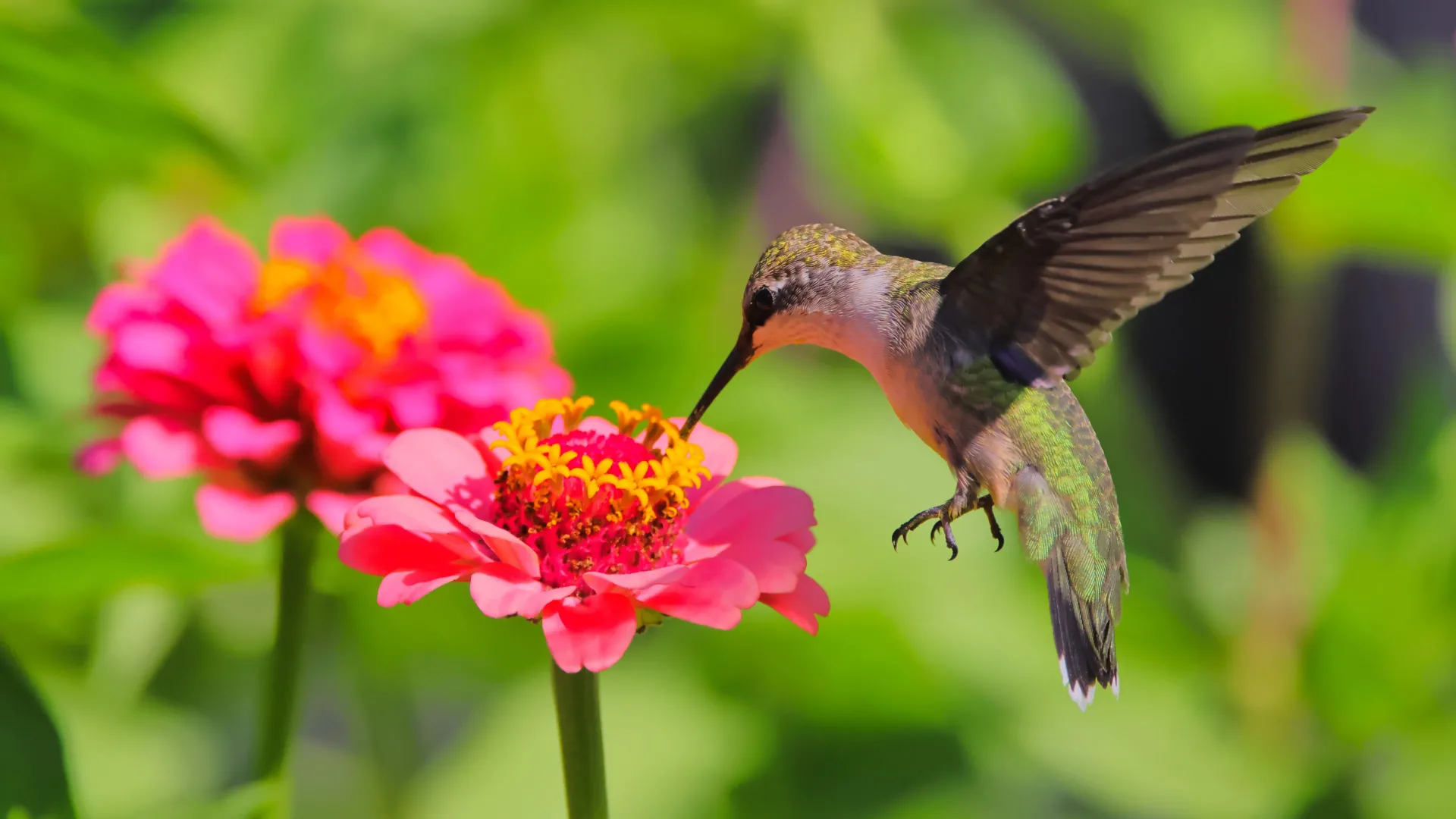
Flower nectar often contains small amounts of alcohol, meaning pollinators like hummingbirds are drinking it all day long. Despite consuming human-equivalent amounts, they show no signs of intoxication—suggesting a surprising evolutionary tolerance.
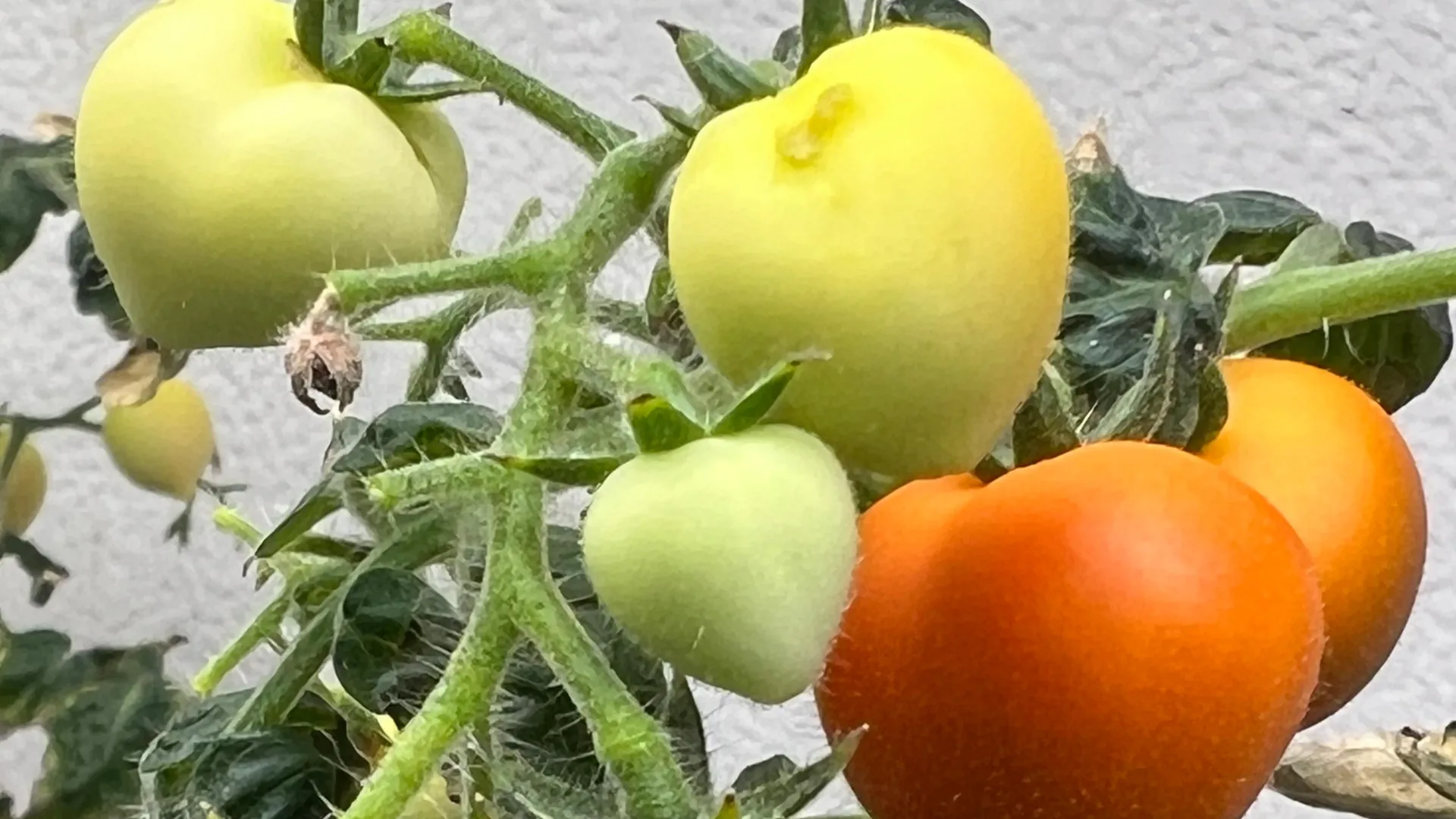
Scientists studying crops irrigated with treated wastewater discovered that trace pharmaceuticals often collect in plant leaves. Tomatoes, carrots, and lettuce absorbed medications such as antidepressants and seizure drugs during the experiment. However, the edible portions of tomatoes and carrots contained much lower levels than the leaves. The findings help researchers understand how crops proc…
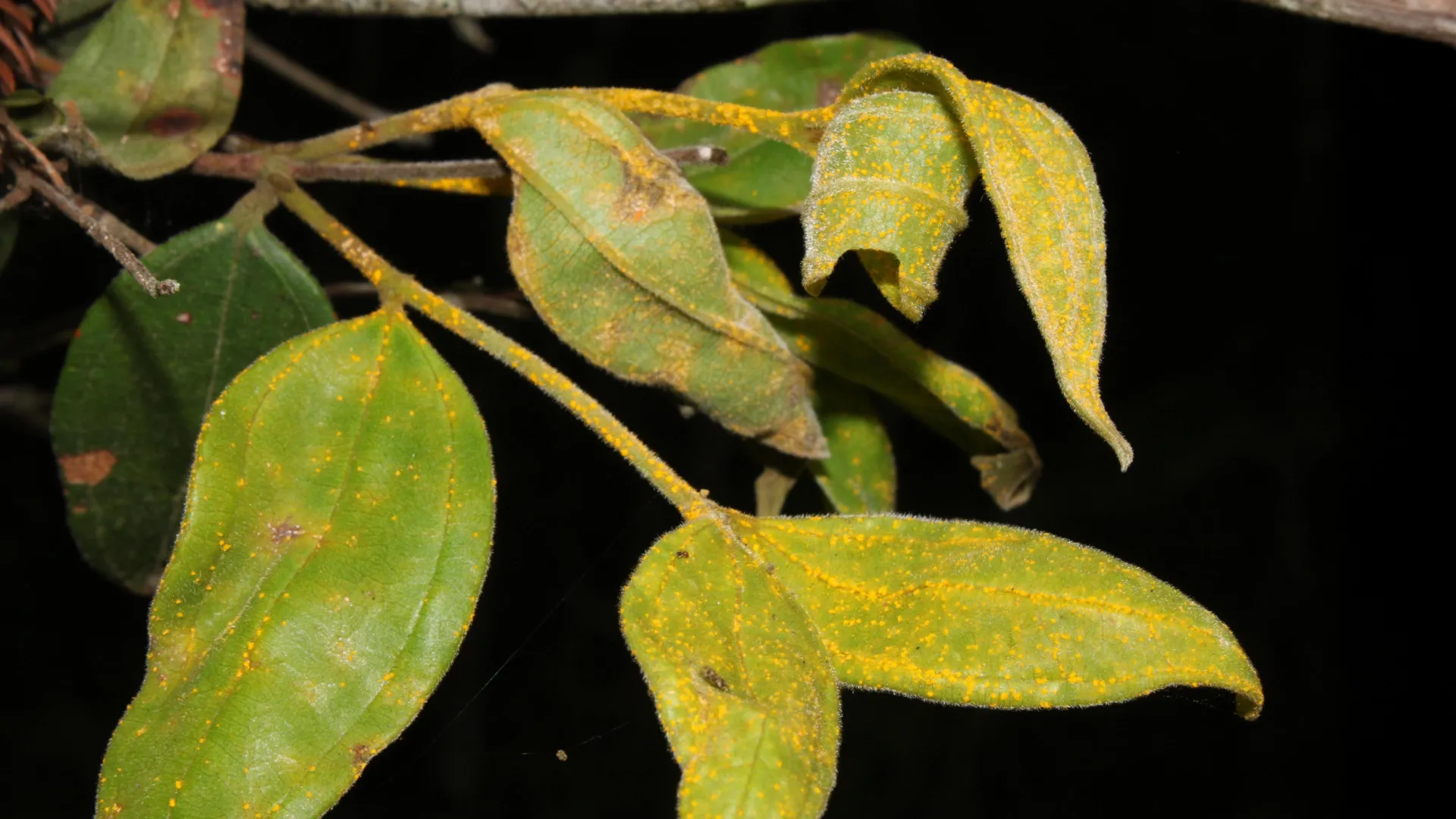
A newly identified Australian tree has been dubbed the “zombie” tree because it’s alive but unable to reproduce. Myrtle rust repeatedly kills its young growth, stopping the species from flowering or making seeds. Scientists are scrambling to grow disease-free seedlings in protected locations. Their hope is that a future generation may evolve resistance and bring the species back from the brink.
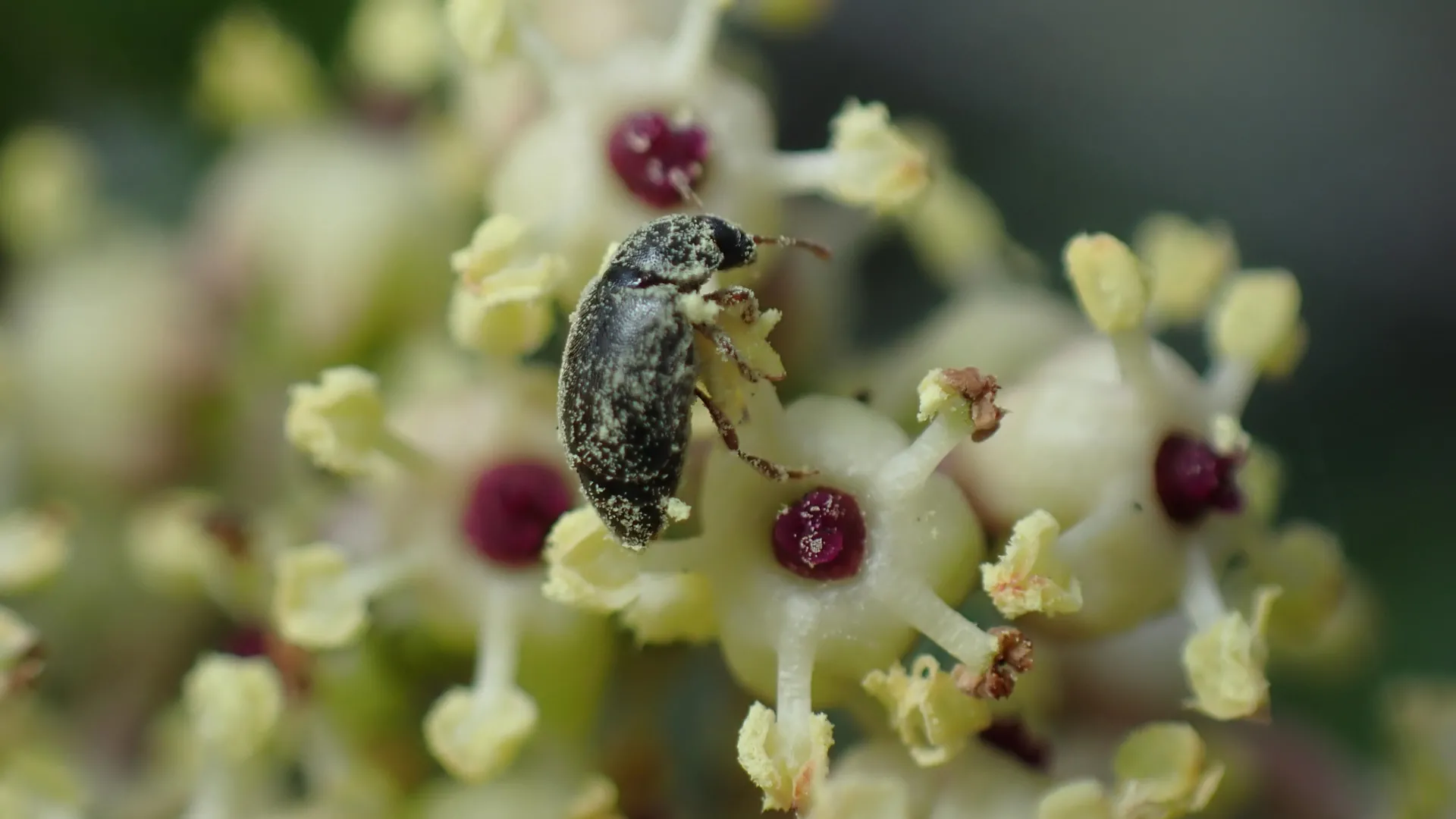
A study from Kobe University has uncovered a surprising partnership between Japanese red elder plants and Heterhelus beetles. The beetles pollinate the flowers but also lay eggs inside the developing fruit. The plant responds by dropping many of those fruits, yet the larvae survive by escaping into the soil. The discovery suggests that fruit drop is not punishment but a compromise that keeps the …

 research.io