
astrobites

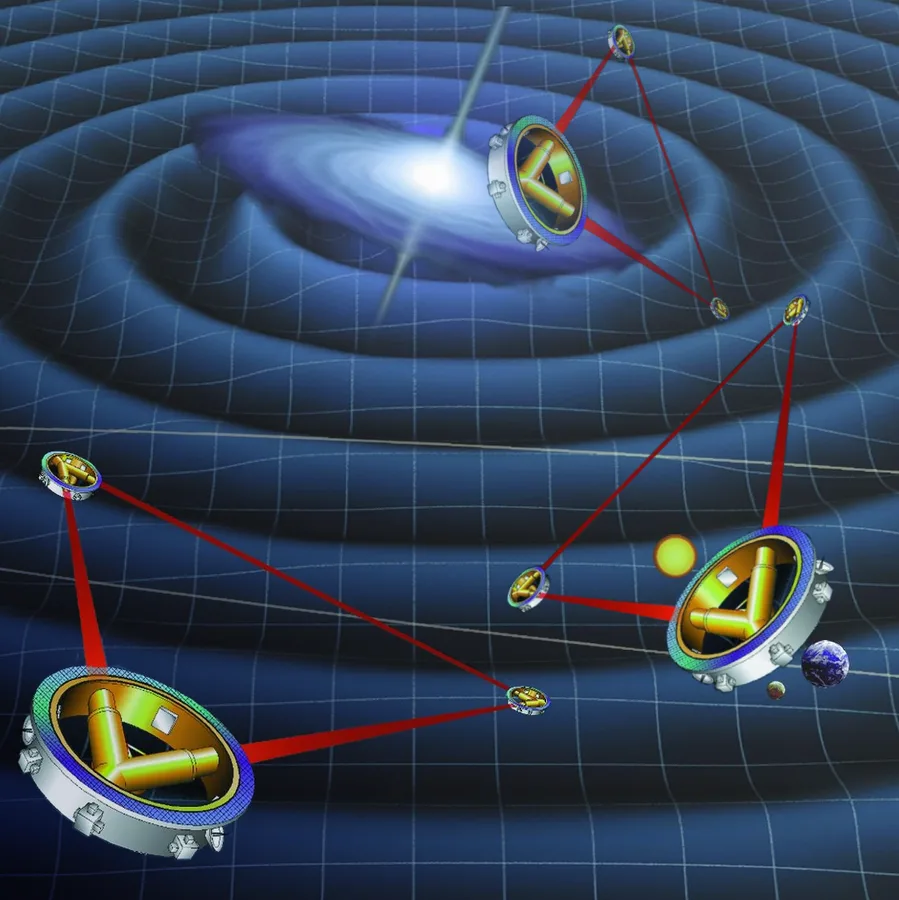
By measuring both the positions of stars and the times when pulsar pulses reach us, we might identify gravitational waves emitted by exotic processes right after the Big Bang.

By measuring both the positions of stars and the times when pulsar pulses reach us, we might identify gravitational waves emitted by exotic processes right after the Big Bang.
Literally and figuratively, Australia is closing its eyes to the future of astronomy. Where does that leave its next generation of students?
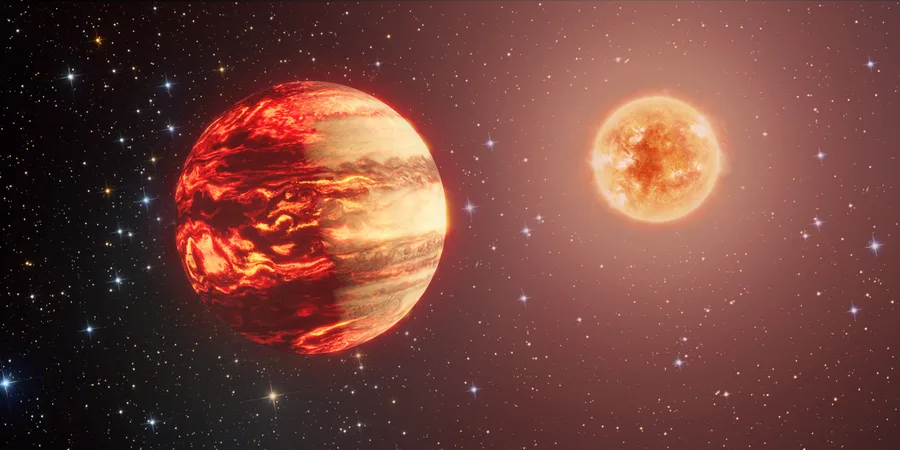
The geologic carbon cycle has been an important tool for balancing carbon dioxide and stabilizing the climate of Earth over billions of years. The authors of today’s bite explore why dry planets may be missing this critical climate-stabilizing thermostat.
Get out of galaxies fast! The hitchhiker's guide to galactic winds and their newfound polycyclic passengers.

9 in 10 artificially intelligent astrophysicists recommend careful use of AI in science... Let's find out more!
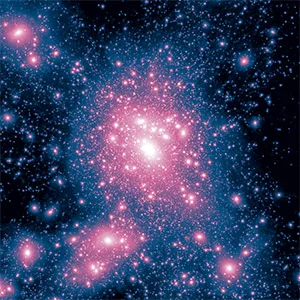
In today's bite, we look at some newly observed systems in the Virgo cluster. These observations provide clues to understanding how some of the most dense galaxies known to us form.
It can be that recycling, however necessary and advantageous, is not the most exciting topic you could think of. What if, in real sci-fi fashion, we do recycling in space?
Recently the world has been entertained and inspired by Project Hail Mary and the Artemis II mission, so let's compare some real and fictional space missions over the decades.
Most gravitational-wave models throw away uncertainty, which could make Einstein's theory look wrong when it isn't. Today’s authors show when this could happen and how to take care of the problem.
For Earth Week 2026, we're focusing on how astronomers can build more sustainable instruments. Dr. Laurane Fréour is working on just that!
Using low frequency radio observations of the galaxy NGC 2276 with the uGMRT and LOFAR telescopes, the authors discover that the galaxy has a trail of gas about 100 kiloparsecs long! As the galaxy moves through the local ionised medium, the pressure exerted on it removes gas from it's disk.
Stars have spots that can mess with our planetary atmosphere observations. Using JWST, today’s authors take advantage of the unique TOI-3884 system to directly probe one of these regions.
The distribution of post-starburst regions within galaxies is linked to diverse quenching pathways that are likely driven by mergers. Guest author, Emmy Wisz, explains how different star formation histories could be the key to understanding quenching mechanisms.
Another day, another interesting LIGO-Virgo-KAGRA detection! Find out why the extreme parameters of GW231123 create problems for gravitational wave modelers and may have some new information about black hole formation!
Ever been confused by a plot online or in a paper? This post decodes the secret language of astrophysics plots so you can finally read the universe like a pro.
The president’s budget requests for NASA and the NSF were released last week. We summarizes the major cuts and their impacts while providing resources to help fight back against this attack on science.
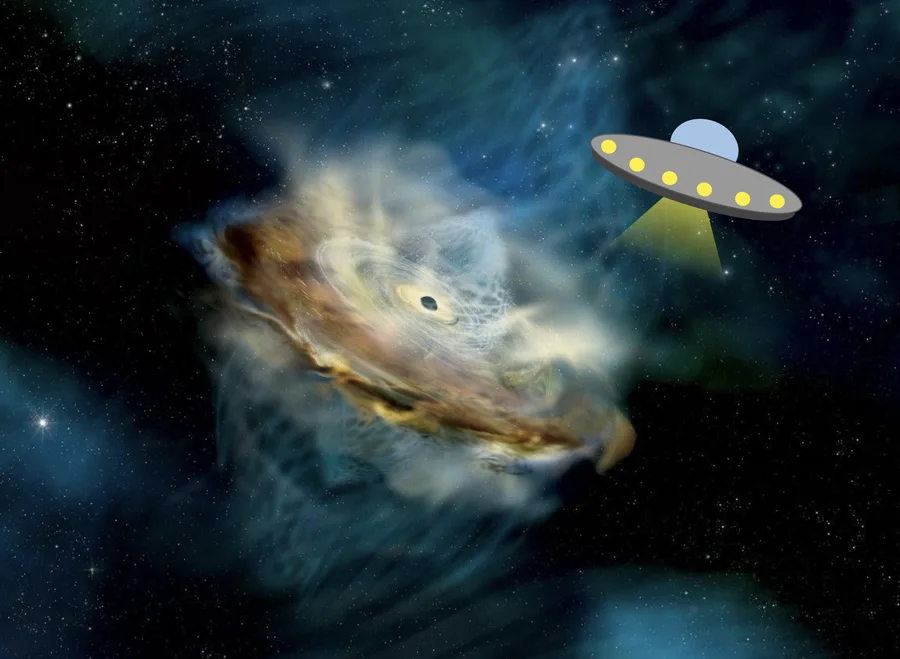
The authors of today’s featured paper investigated how a decades-long stakeout of a sample of blazars uncovered new insights into a serious case of cosmic “jet-lag”.
research.ioSign up to keep scrolling
Create your feed subscriptions, save articles, keep scrolling.