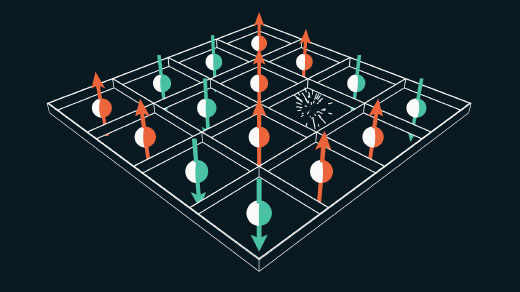
condensed matter physics – Quanta Magazine
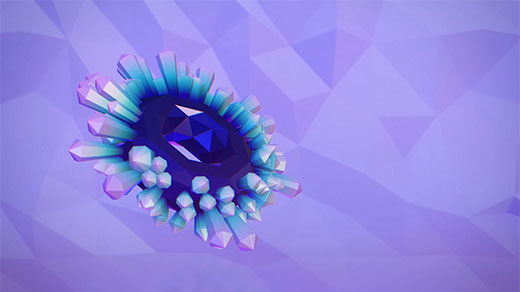
So-called topological quantum computing would avoid many of the problems that stand in the way of full-scale quantum computers. But high-profile missteps have led some experts to question whether the field is fooling itself. The post Major Quantum Computing Strategy Suffers Serious Setbacks first appeared on Quanta Magazine

quantum-computingtechnology

Like a perpetual motion machine, a time crystal forever cycles between states without consuming energy. Physicists claim to have built this new phase of matter inside a quantum computer. The post Eternal Change for No Energy: A Time Crystal Finally Made Real first appeared on Quanta Magazine

physicsquantum-physics

Superconductivity has been discovered in graphene devices without any twists, suggesting the form of superconductivity in the material might be mundane after all. The post Graphene Superconductors May Be Less Exotic Than Physicists Hoped first appeared on Quanta Magazine

condensed-matterphysics

The zoo of spontaneously emerging particlelike entities known as quasiparticles has grown quickly and become more and more exotic. Here are a few of the most curious and potentially useful examples. The post The Near-Magical Mystery of Quasiparticles first appeared on Quanta Magazine

condensed-matterphysics

An unexpected superconductor was beginning to look like a fluke, but a new theory and a second discovery have revealed that emergent quasiparticles may be behind the effect. The post A New Twist Reveals Superconductivity’s Secrets first appeared on Quanta Magazine

physicssuperconductors

In 2020, researchers reported that they had created a room-temperature superconductor. That paper has now been retracted. The post Room-Temperature Superconductivity Claim Falls Apart [Update] first appeared on Quanta Magazine

materialssuperconductors

Researchers have shown how to effectively transform one material into another using a finely shaped laser pulse. The post Alchemy Arrives in a Burst of Light first appeared on Quanta Magazine

opticsphysics

Push or crush a new class of materials, and they’ll undergo record-breaking temperature changes. The post The Shape-Shifting Squeeze Coolers first appeared on Quanta Magazine

materialsmetamaterials

At the molecular level, glass looks like a liquid. But an artificial neural network has picked up on hidden structure in its molecules that may explain why glass is rigid like a solid. The post Why Is Glass Rigid? Signs of Its Secret Structure Emerge. first appeared on Quanta Magazine

glassmaterials

One hundred years after it was proposed, the Ising model is used to understand everything from magnets to brains. The post The Cartoon Picture of Magnets That Has Transformed Science first appeared on Quanta Magazine

condensed-matterphysics

Glass is anything that’s rigid like a crystal, yet made of disordered molecules like a liquid. To understand why it exists, researchers are attempting to create the perfect, still-hypothetical “ideal glass.” The post Ideal Glass Would Explain Why Glass Exists at All first appeared on Quanta Magazine

glassmaterials

As the founding director of a new institute for fundamental research in Rwanda, the physicist Omololu Akin-Ojo hopes to stem the brain drain of Africa’s brightest minds. The post The Man Making Rwanda Into a Hub for Physics first appeared on Quanta Magazine

condensed-matterphysics

Snow crystals come in two main types. The “pope” of snowflake physics has a new theory that explains why. The post Toward a Grand Unified Theory of Snowflakes first appeared on Quanta Magazine

condensed-matterphysics

While studying materials made from DNA-coated nanoparticles, researchers found a new form of this matter: lattices in which smaller particles roam like electrons in metallic bonds. The post Strange Metal-like Bonds Discovered in Customized Crystals first appeared on Quanta Magazine

materialsnanomaterials

A new theoretical model may help explain the shocking onset of superconductivity in stacked, twisted carbon sheets. The post What’s the Magic Behind Graphene’s ‘Magic’ Angle? first appeared on Quanta Magazine

materialsnanomaterialsphysicssuperconductors
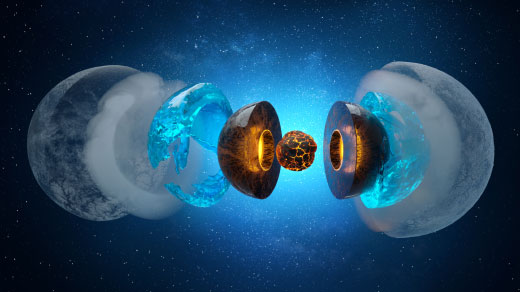
A new experiment confirms the existence of “superionic ice,” a bizarre form of water that might comprise the bulk of giant icy planets throughout the universe. The post Black, Hot Ice May Be Nature’s Most Common Form of Water first appeared on Quanta Magazine

astronomyplanetary-science

Mathematicians have found that materials conduct electricity when electrons follow a universal mathematical pattern. The post Universal Pattern Explains Why Materials Conduct first appeared on Quanta Magazine

conductorsmaterials

People have known about magnets since ancient times, but the physics of ferromagnetism remains a mystery. Now a familiar puzzle is getting physicists closer to the answer. The post A Child’s Puzzle Has Helped Unlock the Secrets of Magnetism first appeared on Quanta Magazine

condensed-matterphysics

Throughout nature, throngs of relatively simple elements can self-organize into behaviors that seem unexpectedly complex. Scientists are beginning to understand why and how these phenomena emerge without a central organizing entity. The post How Complex Wholes Emerge From Simple Parts first appeared on Quanta Magazine

biologyecology
research.ioresearch.io

Sign up to keep scrolling

Create your feed subscriptions, save articles, keep scrolling.

Already have an account?