Imagine trying to cope with a pandemic like COVID-19 in a world where microscopic life was unknown. Prior to the 17th century, people were limited by what they could see with their own two eyes. But then a Dutch cloth merchant changed everything.
His name was Antonie van Leeuwenhoek, and he lived from 1632 to 1723. Although untrained in science, Leeuwenhoek became the greatest lens-maker of his d…
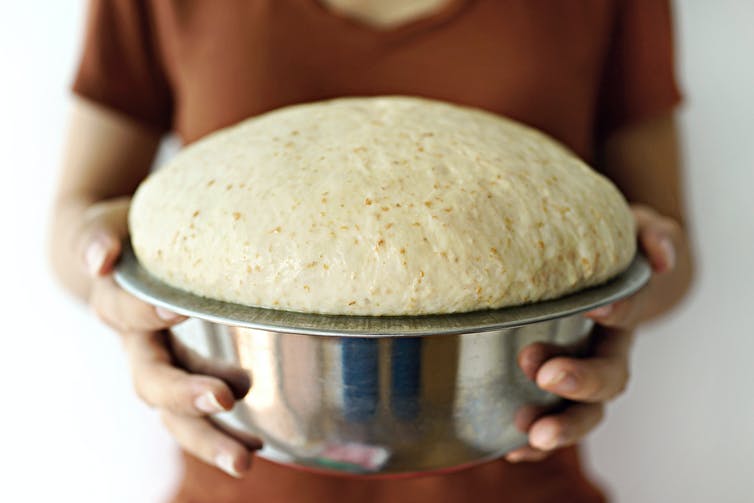
With people confined to their homes, there is more interest in home-baked bread than ever before. And that means a lot of people are making friends with yeast for the first time. I am a professor of hospitality management and a former chef, and I teach in my university’s fermentation science program.
As friends and colleagues struggle for success in using yeast in their baking – and occasionally …
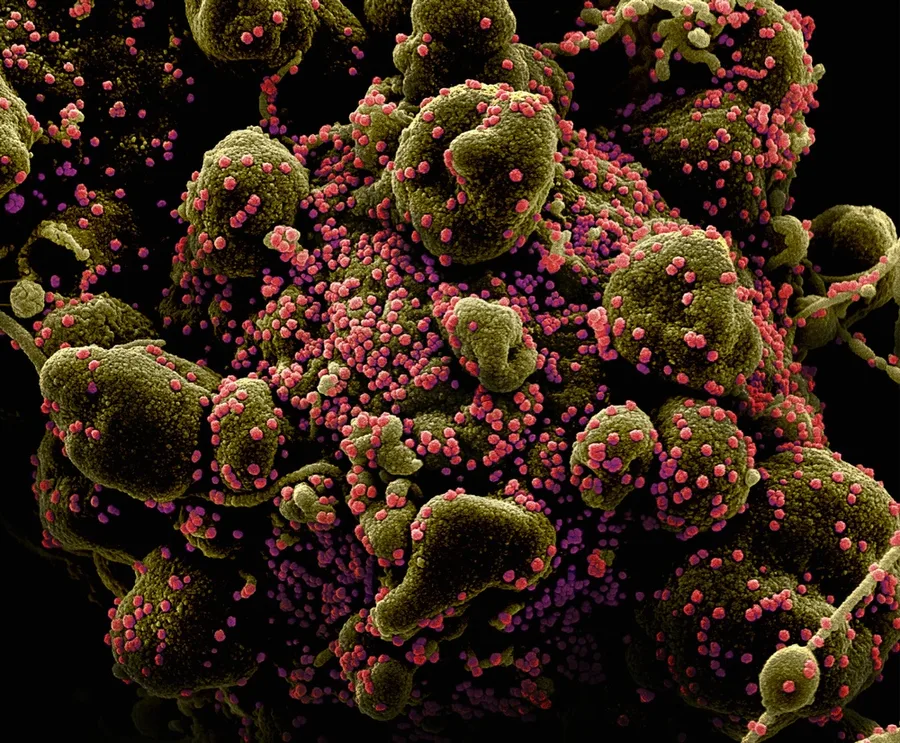
COVID-19 is caused by a coronavirus called SARS-CoV-2. Coronaviruses belong to a group of viruses that infect animals, from peacocks to whales. They’re named for the bulb-tipped spikes that project from the virus’s surface and give the appearance of a corona surrounding it.
A coronavirus infection usually plays out one of two ways: as an infection in the lungs that includes some cases of what peo…
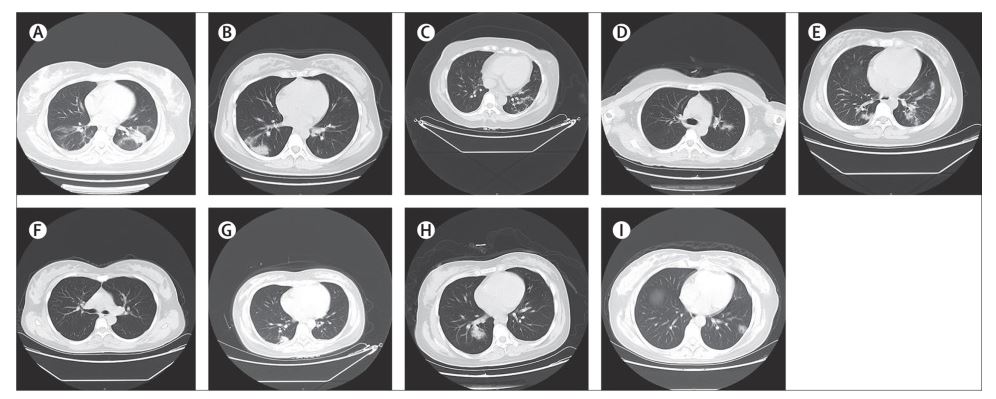
After a newborn (born to a mother infected with the 2019 novel coronavirus disease (COVID-19) testing positive for COVID-19 infection within 36 hours of birth, there were concerns about whether the virus could be contracted in the womb. A new study finds that COVID-19 does not pass to the child while in the womb. The women in the small study were from Wuhan, China, in the third trimester of pregn…
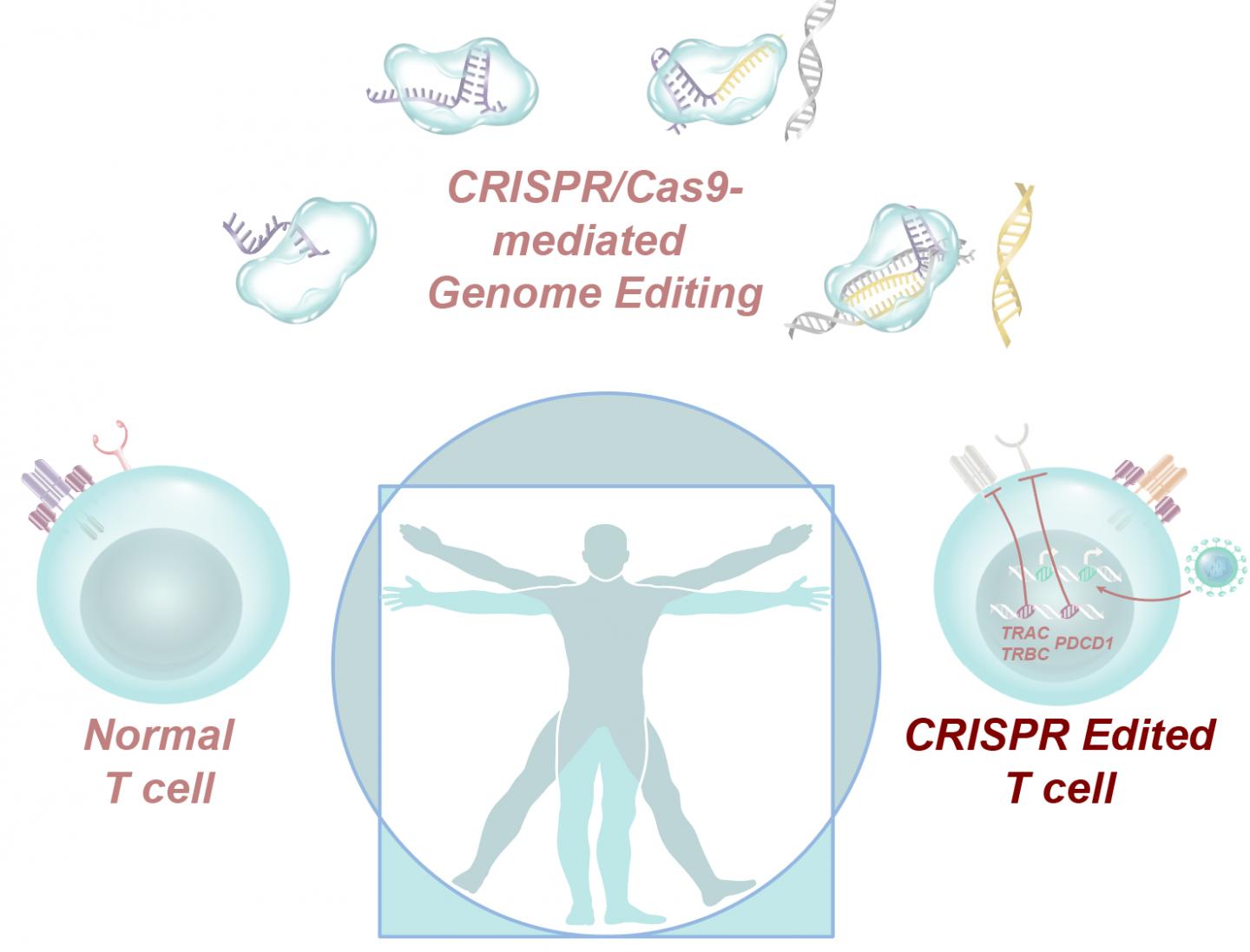
In the first-ever (sanctioned) investigational use of multiple edits to the human genome, a study found that cells edited in three specific ways and then removed from patients and brought back into the lab setting were able to kill cancer months after their original manufacturing and infusion.
This is the first U.S. clinical trial to test the gene editing approach in humans, and the publication o…