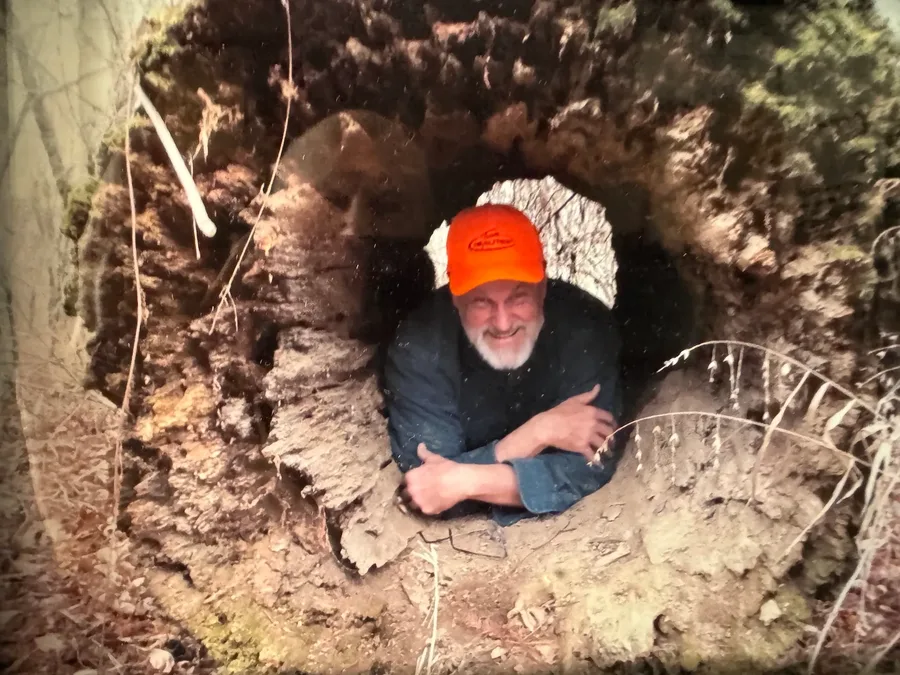
Gary Williamson and his friends have found more Champion Trees – the largest of their species – than anyone. And at age 82, he’s still searching. The post A Nature Conservancy Volunteer’s Hunt for Champion Trees appeared first on Cool Green Science .
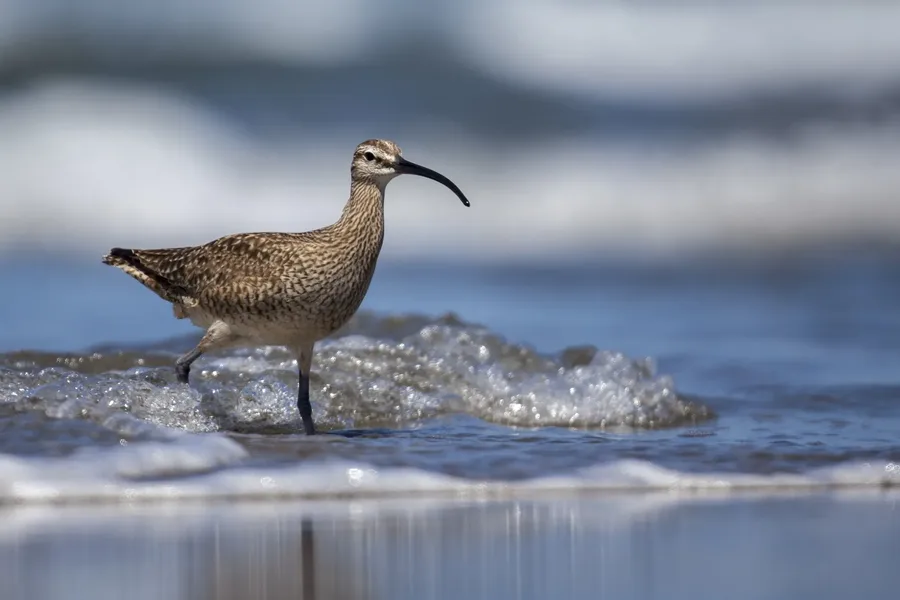
As whimbrels arrive on the Virginia coast each year, they tell a story about a growing effort to understand how birds connect ecosystems across an entire hemisphere. The post Following Whimbrels Across the Hemisphere appeared first on Cool Green Science .
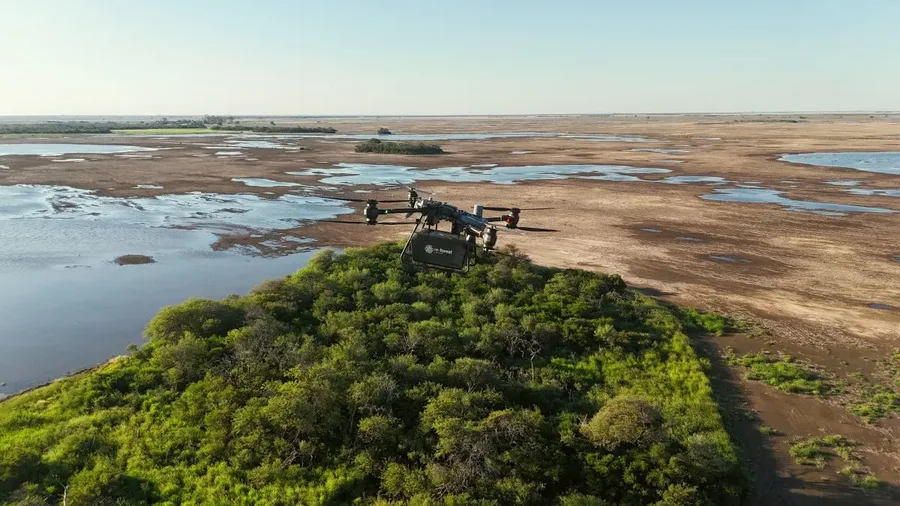
From the air, 8,000 native trees were seeded by TNC Argentina and the startup ReForest Latam in degraded areas of the Gran Chaco. The post Reforesting the Gran Chaco with Drones appeared first on Cool Green Science .
Hidden within even the world’s densest cities, connecting trees, window flowerboxes, parks and gardens, are a complex series of roads you won’t find on any map. But for our planet’s insects, they’re critical lifeways. The post Bug Highway: The Hidden Paths Used by Insects appeared first on Cool Green Science .
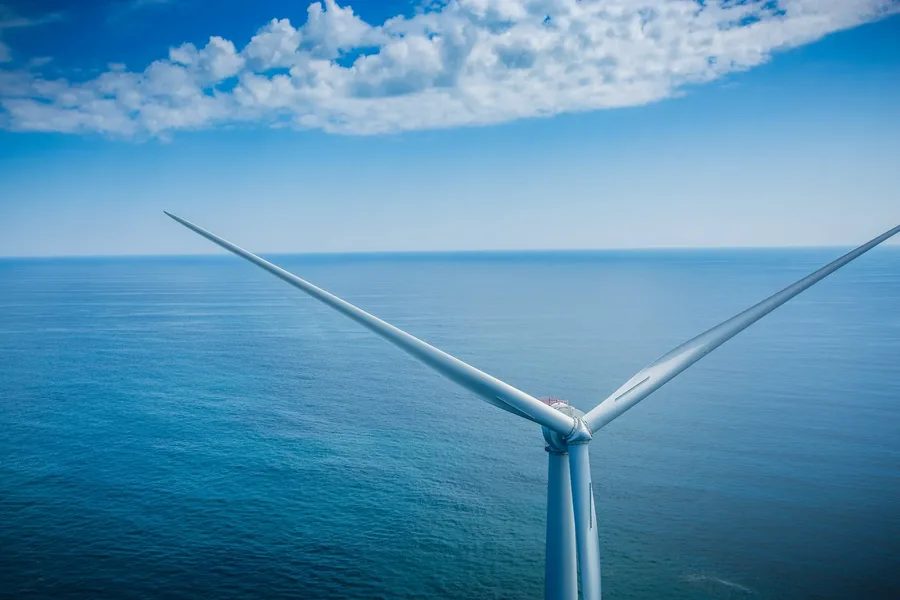
The burgeoning offshore wind industry of the North Sea might offer a chance to restore Europe’s native oyster. The post What Will It Take to Bring Back the North Sea’s Oyster Reefs? appeared first on Cool Green Science .
Aquaculture can help both coastal ecosystems and economies thrive. The post Resilience Through Restoration: Oyster Growers Find New Opportunities in Conservation appeared first on Cool Green Science .
Marine biologist Nicole Craig on how Super Reefs, coral research and songwriting can help shape a future for the Mesoamerican Reef. The post Protecting Belize’s Reef Through Science and Song appeared first on Cool Green Science .
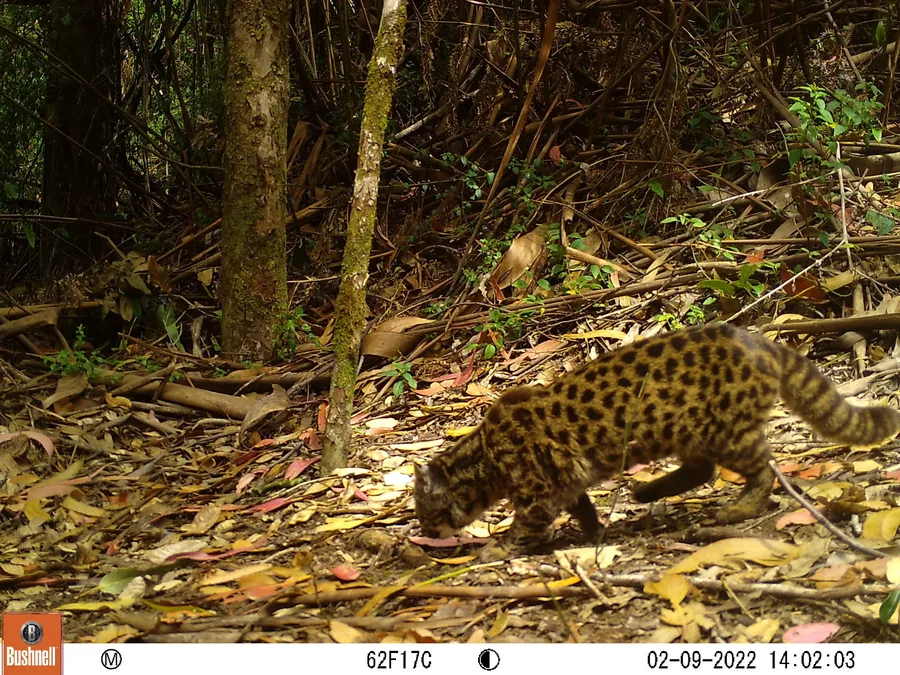
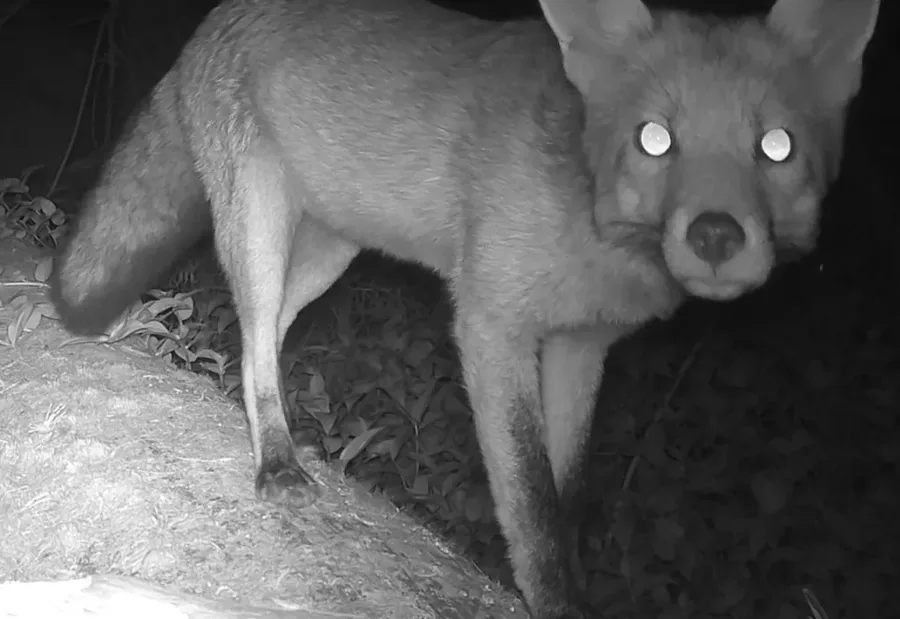
From Darwin's foxes to güiña wildcats and the world's smallest deer...more than 20 years of camera trapping reveal the VCR is a box of surprises. The post Beyond the Eucalyptus: Discovering Biodiversity and Conservation at Chile’s Valdivian Coastal Reserve appeared first on Cool Green Science .
Why do some animals’ eyes seem to glow in the dark? Our field guide to those glowing eyes you see at night has you covered. The post Why Do Some Animals’ Eyes Glow in the Dark? The Science of Eyeshine appeared first on Cool Green Science .
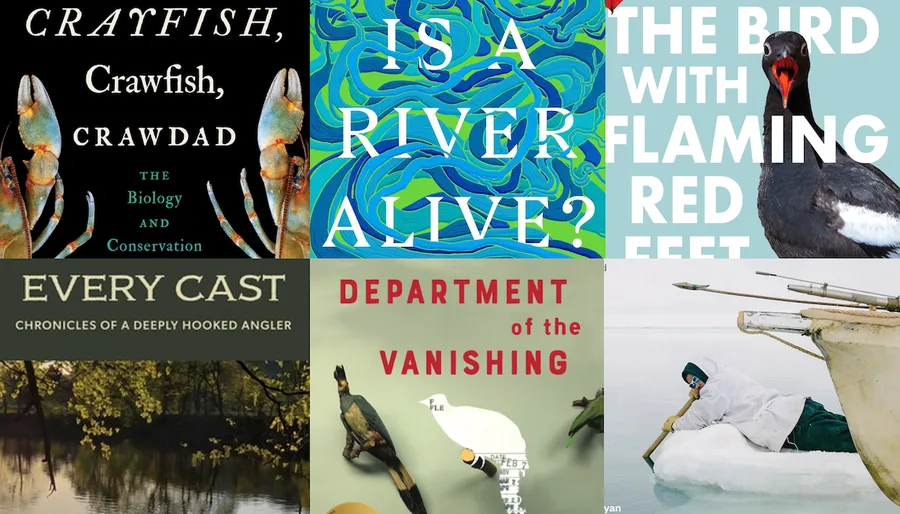
Celebrate Earth Day with books that share big ideas on conservation and also enrich our time in the natural world. The post Earth Day Book Review 2026 appeared first on Cool Green Science .
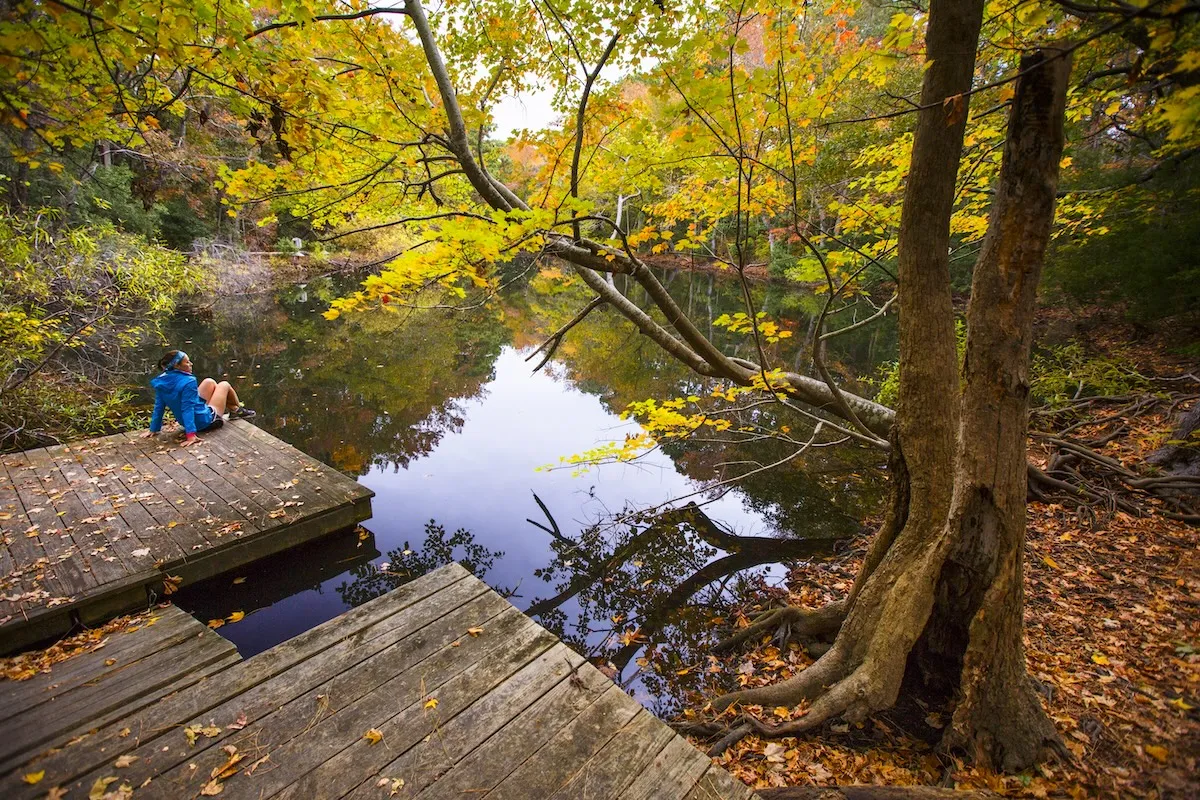
Birding at Nags Head Woods is a chance to experience a quieter, wilder side of the Outer Banks, one where centuries-old trees shelter migrating songbirds. The post Birding the Outer Banks’ Hidden Gem: Nags Head Woods Preserve appeared first on Cool Green Science .
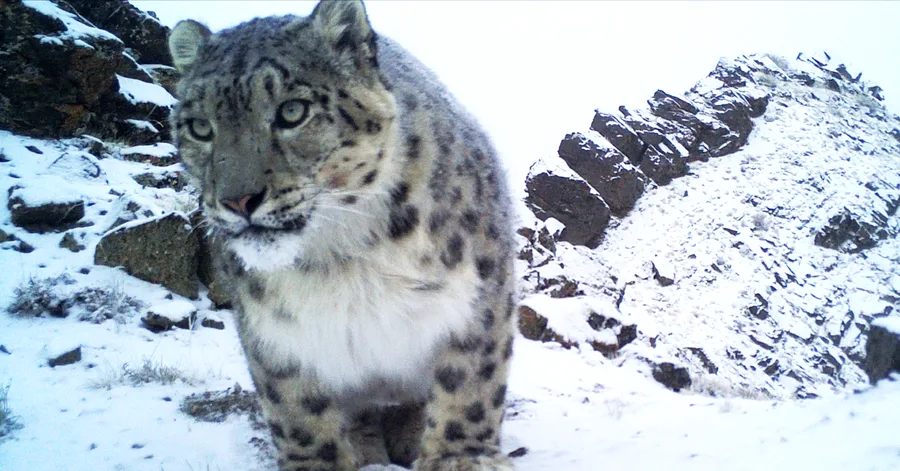
My attempt to see a snow leopard has been years in the making. Countless hours researching, tracking animal movements, and staring at camera footage. You’d think I’d know enough about where to find them by now. At least enough to spot one during my research trip to Mongolia over the summer of 2025.
Nope.
But to be honest, it comes as no surprise. We knew that would likely be the case all along. S…
Migration is perhaps one of the most well-recognized phenomena of the natural world. From the wildebeest traversing your television screen in wildlife documentaries, to the warblers in your backyard, we’ve always been fascinated by animals on the move.
Tens of thousands of years ago, knowledge about the movement of animals would have been critical to our own species’s survival. Today we can simpl…
How extreme winter weather can challenge many species, from opossums to manatees to Carolina wrens. What are you seeing in your neighborhood? The post How Extreme Winter Weather Can Affect Wildlife appeared first on Cool Green Science .
Why do some birds raise chicks that aren’t their own? A look at the surprising strategy of cooperative breeding and what drives it. The post It Takes a Village: What Birds Teach Us About Cooperation and Family appeared first on Cool Green Science .
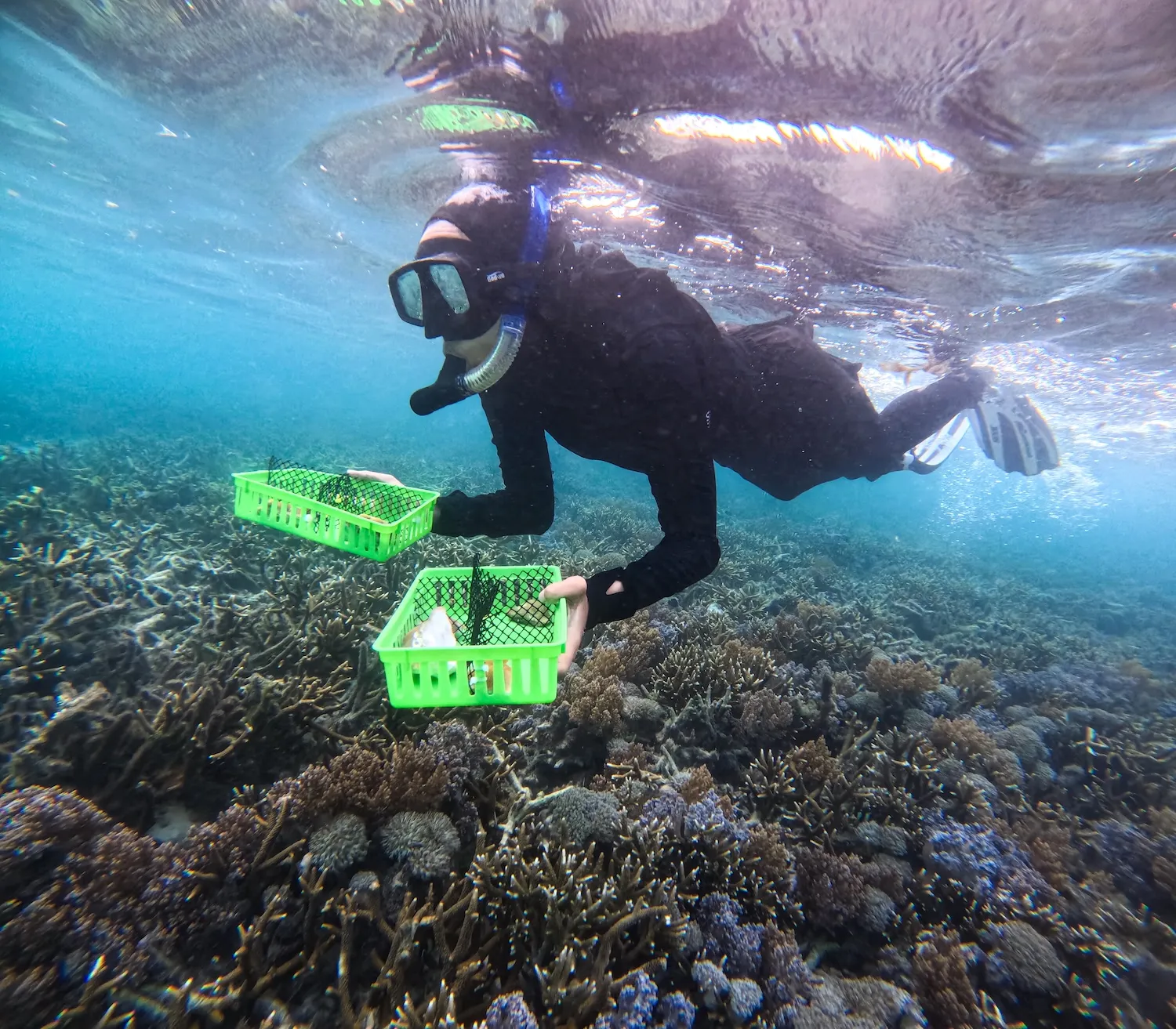
Low-tech field science and community partnerships combine to help identify the most climate-resilient reefs in Raja Ampat. The post Stress-Testing Corals to Find Raja Ampat’s Most Resilient Reefs appeared first on Cool Green Science .
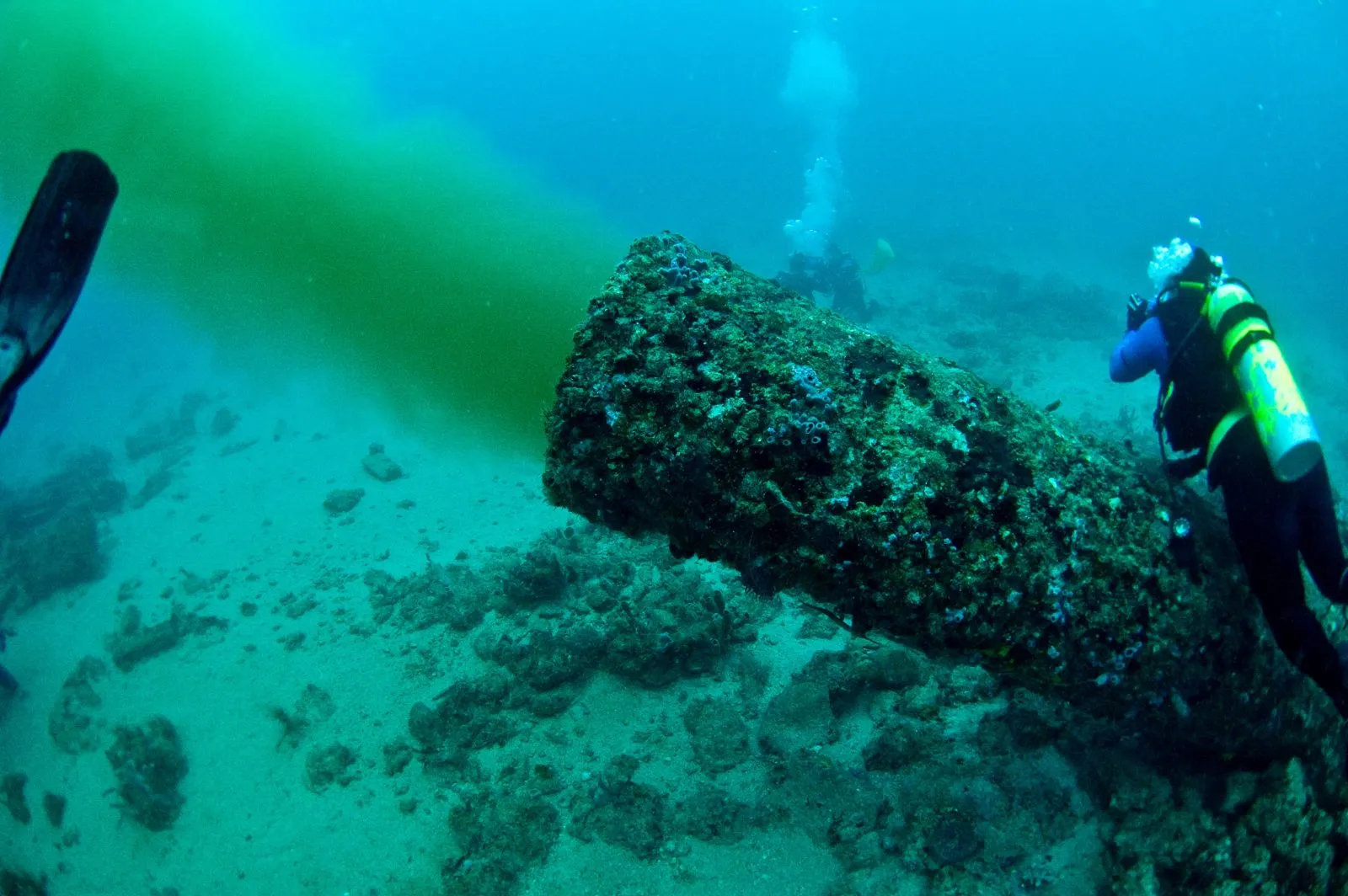
Disover the urgent issues of wastewater pollution and how sustainable practices can help restore our vulnerable ecosystems. The post Wastewater Pollution and the Fight for Coastal Resilience appeared first on Cool Green Science .
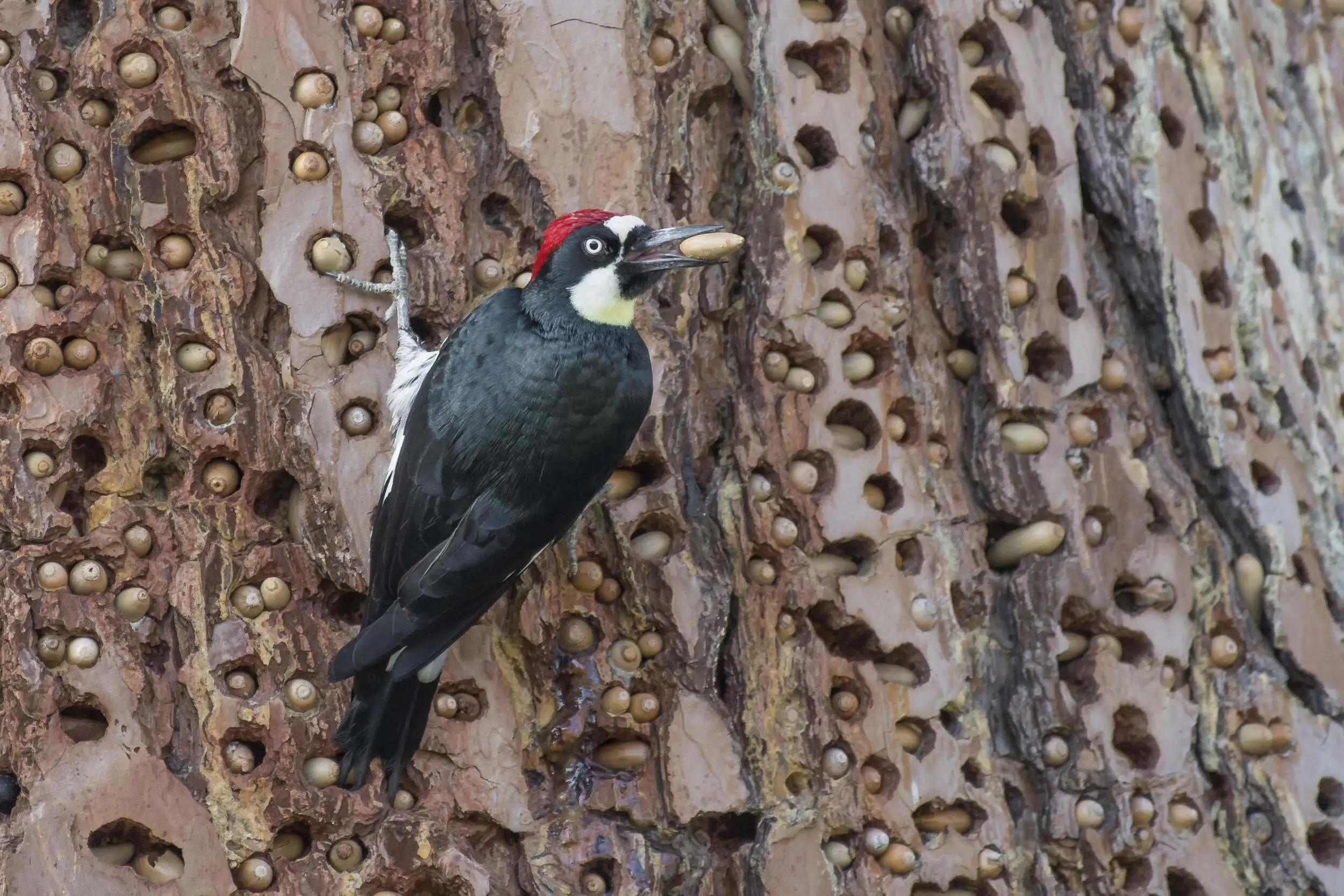
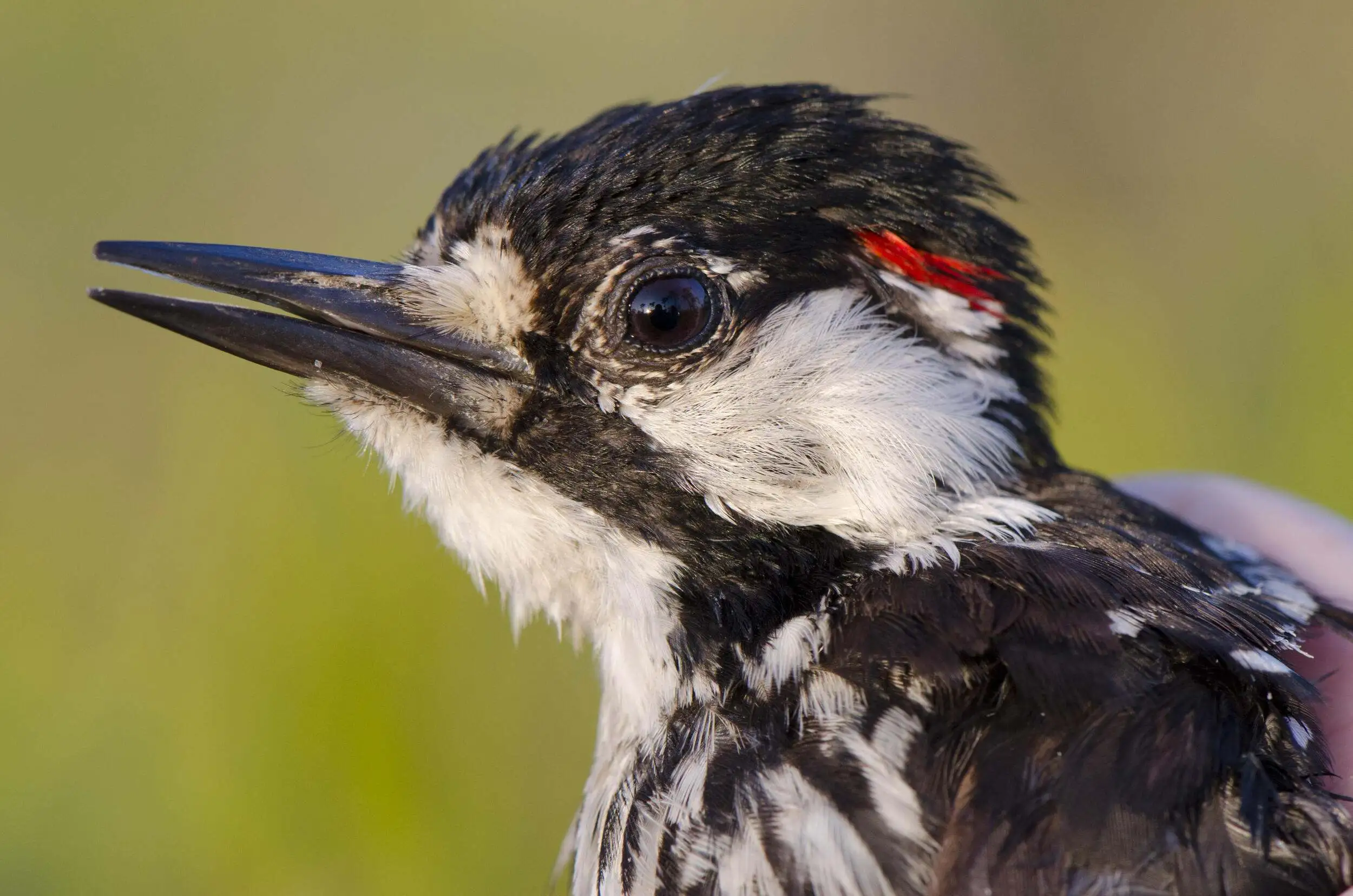
Lauren Pharr uncovers how family bonds and teamwork help red-cockaded woodpeckers thrive in longleaf pine forests, even as climate change reshapes their world. The post Family, Survival and Change: The Secret Life of the Red-cockaded Woodpecker appeared first on Cool Green Science .
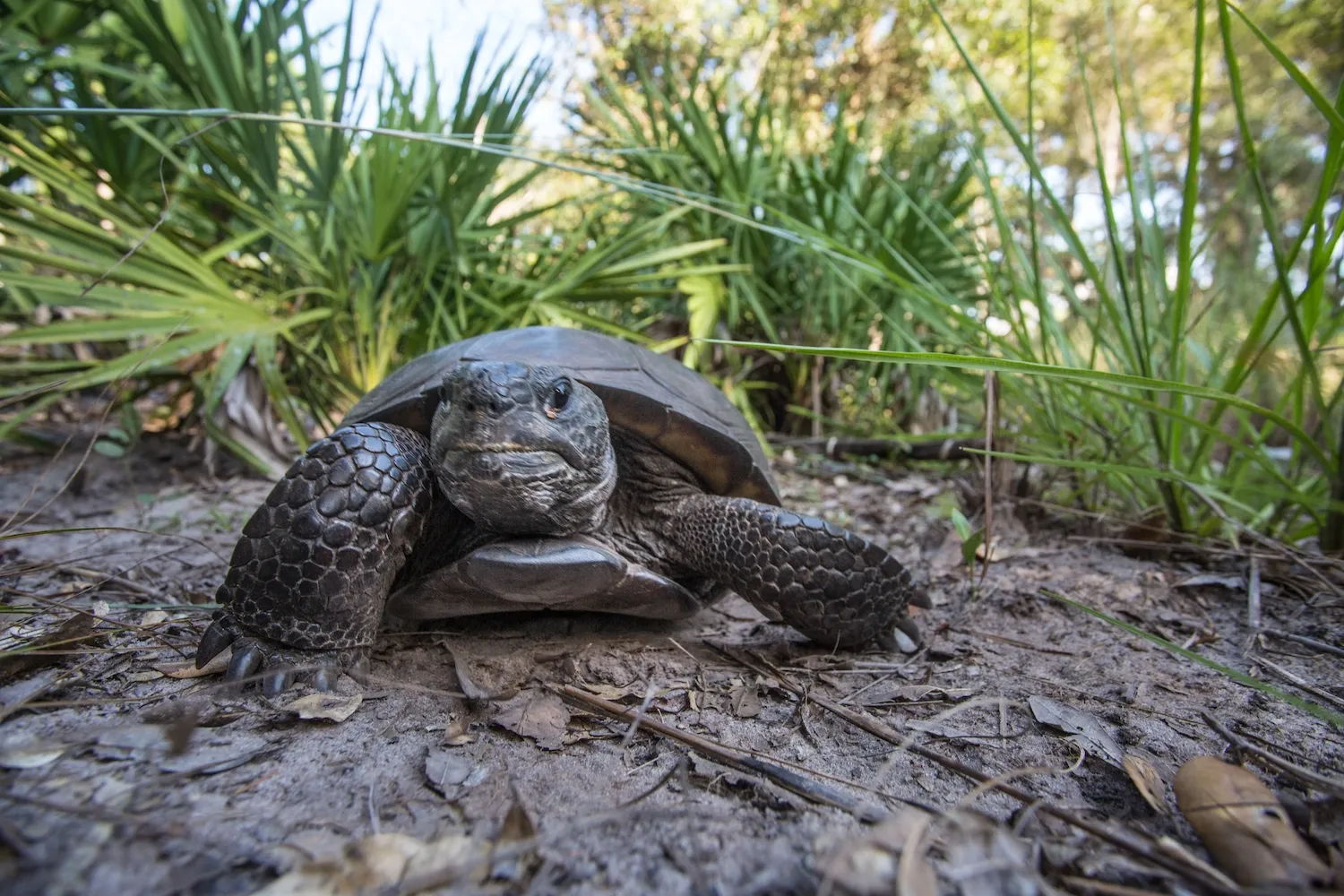
Gopher tortoises are one of Florida’s most fascinating reptiles, and a keystone species of the longleaf pine ecosystem. The post Meet the Gopher Tortoise, Hero of the Longleaf Pinelands appeared first on Cool Green Science .
TNC and its partners are restoring habitat with the help of a little bird-poop fertilizer. The post Growing Seagrass? Better Add a Sprinkle of Bird Poop appeared first on Cool Green Science .

 research.io