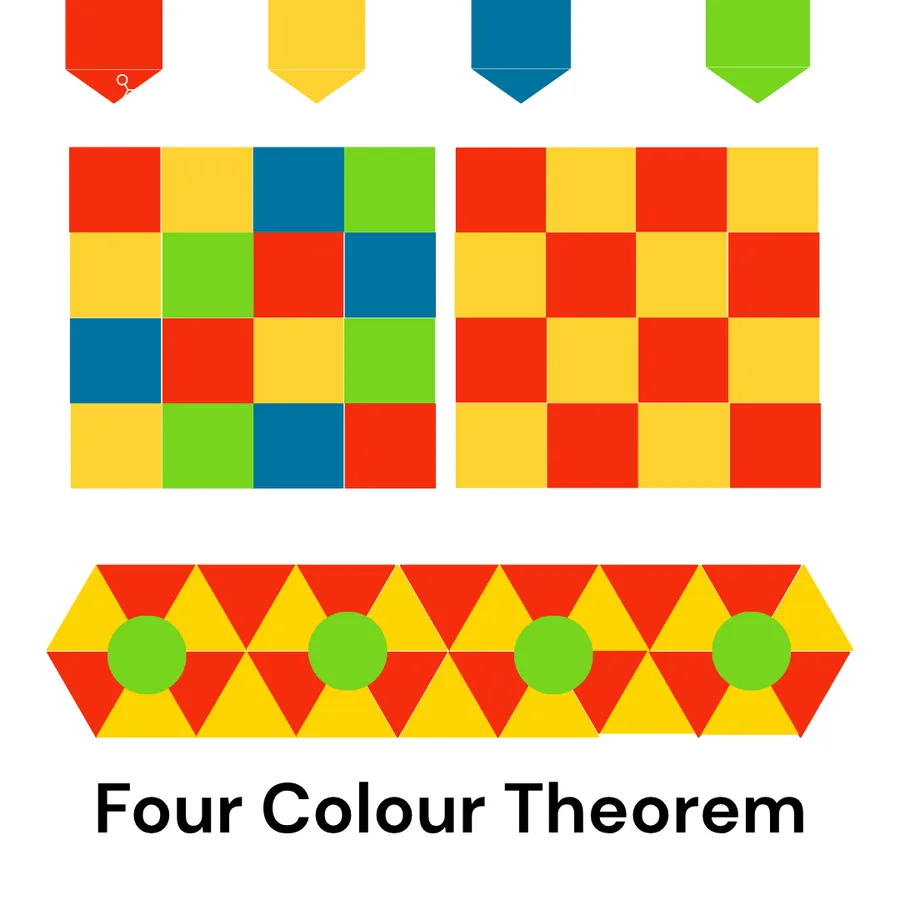
Imagine you have a blank map of the world. How many colours do you think you’d need to colour it so that no two countries sharing a border are the same colour? The answer is surprisingly low, just four! If you were to draw a very twisty shape, you’d still only need four colours to... The post What is the Four Colour Theorem? appeared first on Science Experiments for Kids .
You’ve probably never sat down and thought about what soil is actually made of, but it’s a lot more than just mud and dirt. It plays a crucial role in supporting life on Earth, anchoring plant roots, delivering vital nutrients, and providing a habitat for billions of microorganisms alongside creatures like earthworms, ants, and beetles.... The post Cake Soil Layer Model appeared first on Science …
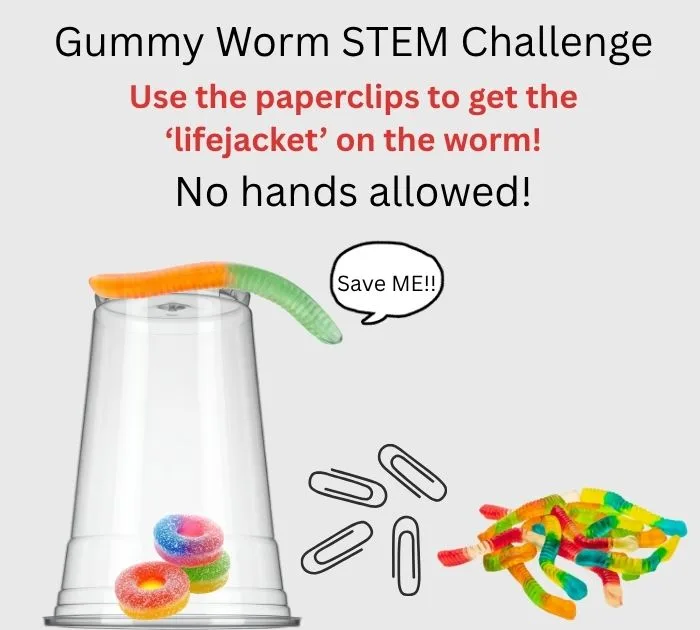
Zero Prep STEM Ice Breakers First days can be tricky for some children, and there’s nothing more stressful than trying to think of a fun fact about yourself on the spot. So I’ve created easy icebreakers to reduce stress and get kids working together in groups on a fun task. Each idea uses only inexpensive... The post First Day of School STEM Ice Breakers appeared first on Science Experiments for …
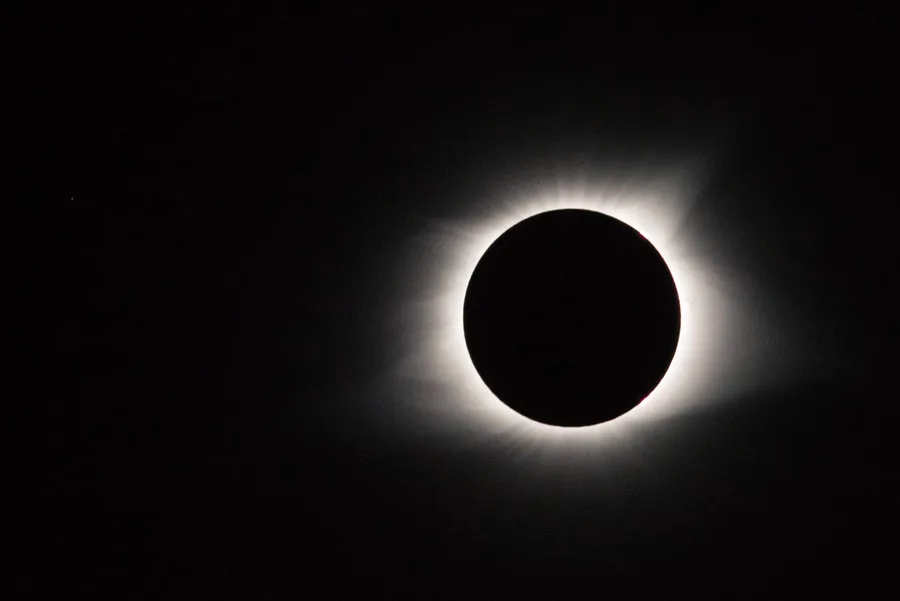
Are you ready for the solar eclipse on the 12th August? The last eclipse in the UK like this was back in 1999 and really doesn’t feel like it was 27 years ago! This Wednesday, a total solar eclipse will be visible over Greenland, Iceland, Spain and parts of northern Portugal. The UK and Ireland... The post UK Solar Eclipse 2026 – What is it and how to watch appeared first on Science Experiments f…
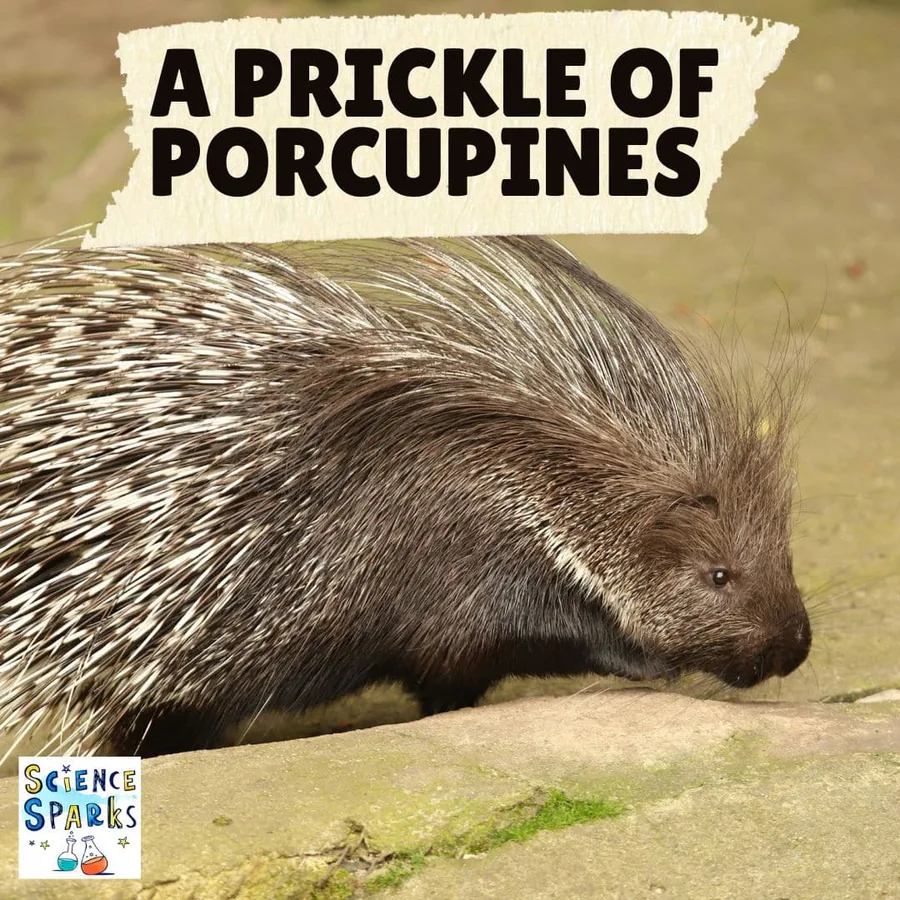
You probably already know that a group of wolves is a pack, cows form a herd, and birds fly in a flock, but beyond the expected, there are some hilarious, unexpected, and incredibly apt collective nouns for groups of animals. Collective nouns aren’t always the terms used by scientists, who tend to stick to more... The post 20 Funny Animal Group Names You’ll Never Forget appeared first on Science …
A heatwave is defined as an area being unusually hot for 3 or more consecutive days, but what causes hot weather? Hot weather is caused by high pressure. When an area of high pressure pushes down on the ground, the air compresses and becomes hotter and drier. The high-pressure system pushes clouds out of the... The post What’s a Heatwave? appeared first on Science Experiments for Kids .
The 2026 Football World Cup might be coming to an end, but football is ever popular in my house, so here are Four Football World Cup STEM Challenges for you to try this summer. All the activities use very basic materials, and I’ve included free printable templates for the reaction time test and goalkeeper game.... The post World Cup Football Science: Kick Off Summer with These Awesome STEM Challe…
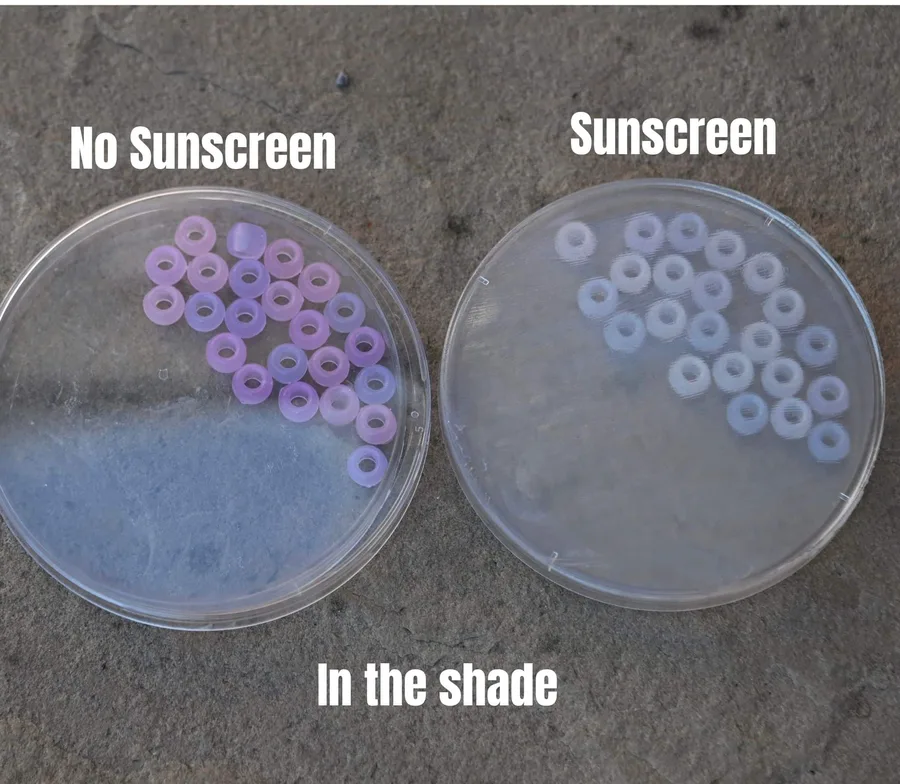
Ultraviolet (UV ) light is invisible radiation that can damage your skin and eyes if you don’t protect yourself. If your kids are anything like mine, they find sunscreen a bit of a sticky inconvenience, so UV beads are a fantastic way to visually demonstrate how sun cream protects our skin from too much UV... The post Staying Safe in the Sun – A UV Bead Investigation for Kids appeared first on Sc…
When you’re feeling warm and sticky, a hot drink probably isn’t top of your list, but it can actually cool you down faster than a cold one under the right conditions. How does a hot drink cool you down? If you’re already feeling warm and your body detects additional heat from a hot drink, it... The post Does drinking hot drinks cool you down? appeared first on Science Experiments for Kids .
If you’re in the middle of a heatwave or just generally need to cool off, I’ve got five easy hacks to help. When the temperatures soar, and you don’t have air con, it can get pretty uncomfortable. I currently have a fan pointed at me, the curtains closed, and a big, icy drink, and I’m... The post Beat the Heat with Science – Five Science Hacks to Stay Cool appeared first on Science Experiments fo…
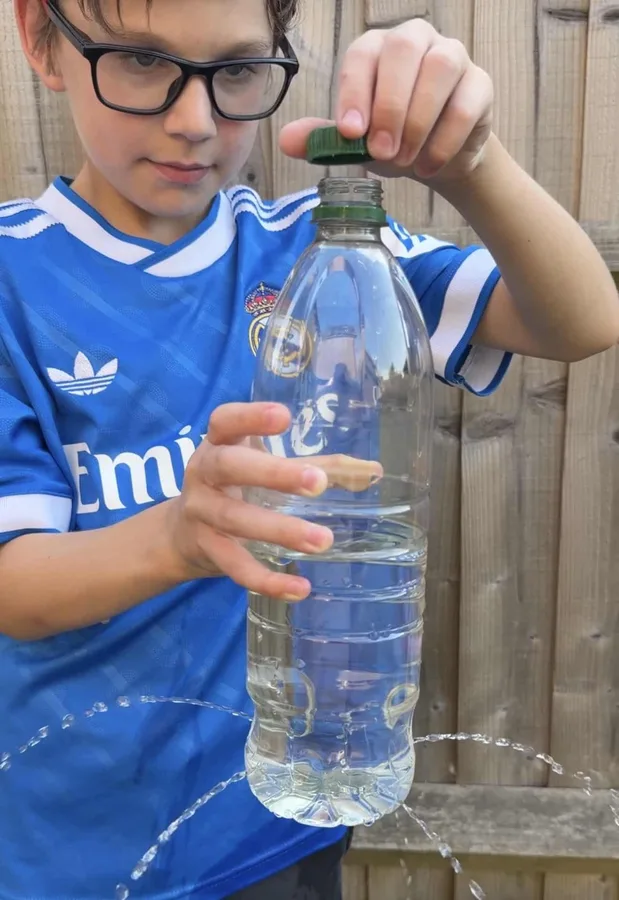
If you’re feeling the heat this week, a DIY sprinkler is a fun way to cool down. All you need is a plastic bottle and some water. This fun backyard science activity is a fantastic demonstration of gravity and air pressure. How can tightening the lid of a bottle stop water from flowing out of... The post Easy DIY Water Sprinkler appeared first on Science Experiments for Kids .
Do you know that adding carbon dioxide to water makes it more acidic? We used red cabbage indicator to test the pH of tap water and carbonated water from a Sodastream. The tap water was slightly alkaline, and the fizzy water was acidic! This is another great way to demonstrate the effect of carbon dioxide... The post The Secret Chemistry of Carbonated Water appeared first on Science Experiments f…
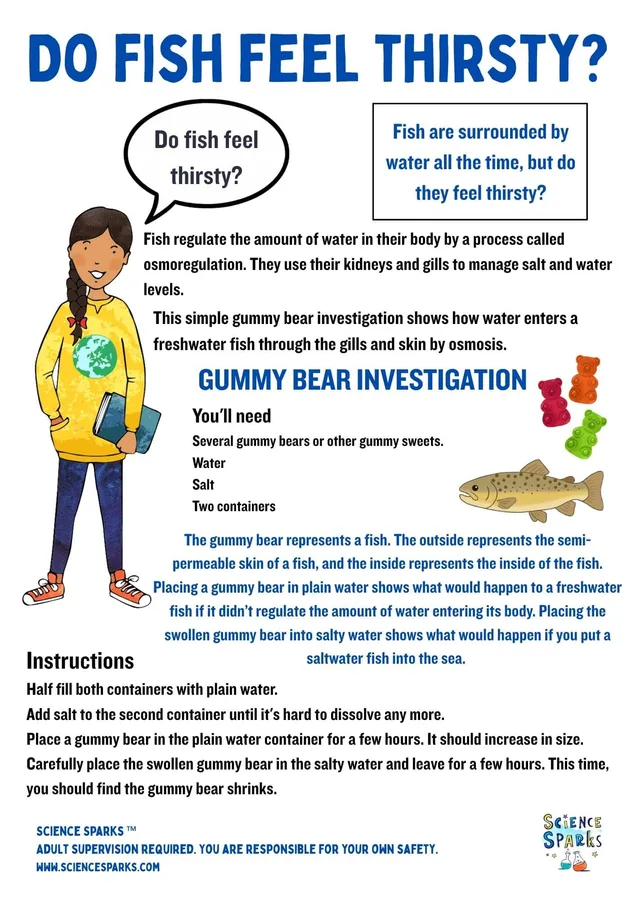
Fish live in water, but do they feel thirsty, and how do they drink water safely if they live in the sea? Of course, we don't know what a fish actually feels, but they do need water to stay alive. Fish take on water either by drinking or absorbing water through the skin and gills […] The post Do fish feel thirsty? appeared first on Science Experiments for Kids .
The ocean covers about 71% of the Earth's surface and holds about 97% of our planet's total water. Despite the vastness of our oceans, they are being massively impacted by human activity. Microplastics have been found at the bottom of the Mariana Trench, fish populations are declining due to overfishing, and the oceans are warming […] The post Ocean Acidification Investigation appeared first on S…
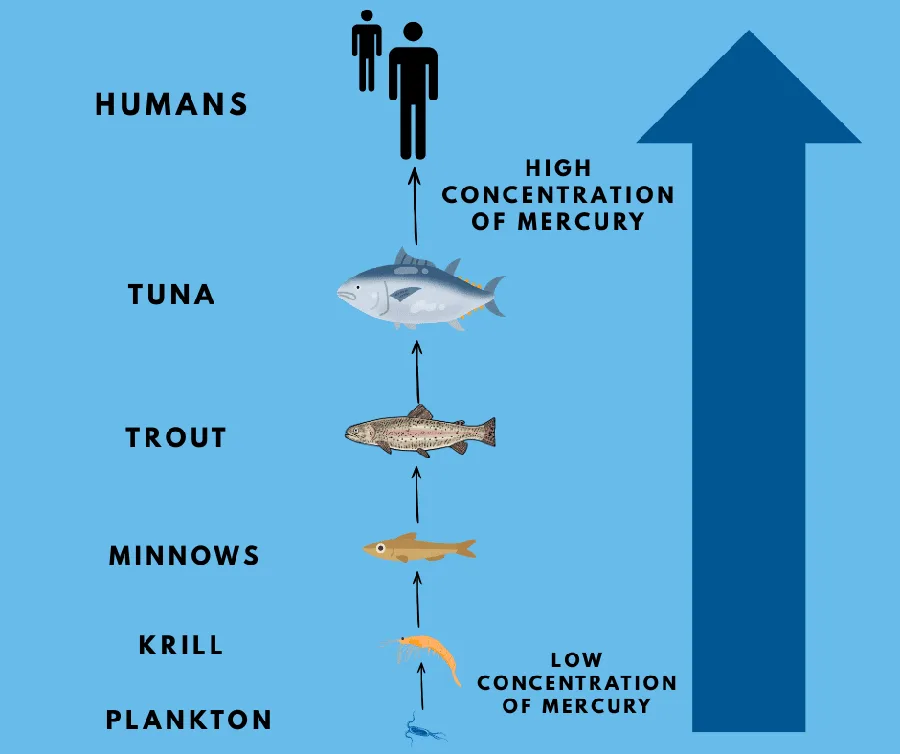
A food chain is a diagram that shows how energy is transferred from one living thing to another. Energy is transferred from the sun to plants, which use the light to produce energy through a process called photosynthesis. An animal then eats the plant for food, is eaten by another animal, and so on until you reach […] The post How Pollution Climbs the Food Chain appeared first on Science Experime…
The Bundibugyo virus is one of six known strains of Ebola. It was discovered in 2007 when an outbreak of hemorrhagic fever occurred in the Bundibugyo area of Western Uganda. When people think of Ebola, they usually think of the Zaire strain, which is the deadliest known version and has a mortality rate of up […] The post What is the Bundibugyo Virus? appeared first on Science Experiments for Kids…
At what temperature are Fahrenheit and Celsius equal? When checking what to pack for a holiday, you need to know whether the temperature is in Celsius or Fahrenheit. 40°F is winter coat weather, but 40 °C is a very hot day! Celsius and Fahrenheit are both temperature scales, it's a bit like measuring the same […] The post Fahrenheit, Celsius and a STEM Challenge appeared first on Science Experime…
Dandelions are so much more than an annoying weed. They can track the sun, turn into the puffballs we love to blow around, and survive year after year, all while providing a food source for pollinating insects. They are perfect for a spring science challenge as they are free and easily accessible. My five dandelion […] The post Dandelion Science Experiments appeared first on Science Experiments f…
Have you ever wondered why the skin on your fingers and toes shrivels up in the bath when other body parts stay the same? In the past, people thought wrinkly skin was caused by the fingers and toes absorbing water, but this isn't correct. When nerves detect that skin has been wet for a period […] The post Why does skin get wrinkly in water? appeared first on Science Experiments for Kids .
Hantavirus has been in the news a lot recently, but what is it? Hantaviruses are zoonotic viruses that usually infect rats and mice ( rodents ). Transmission to humans is rare, but infection then causes a severe respiratory illness. Cases of hantavirus infection are rare, but its high fatality rate makes it a public health […] The post What is Hantavirus? appeared first on Science Experiments for…


 research.io