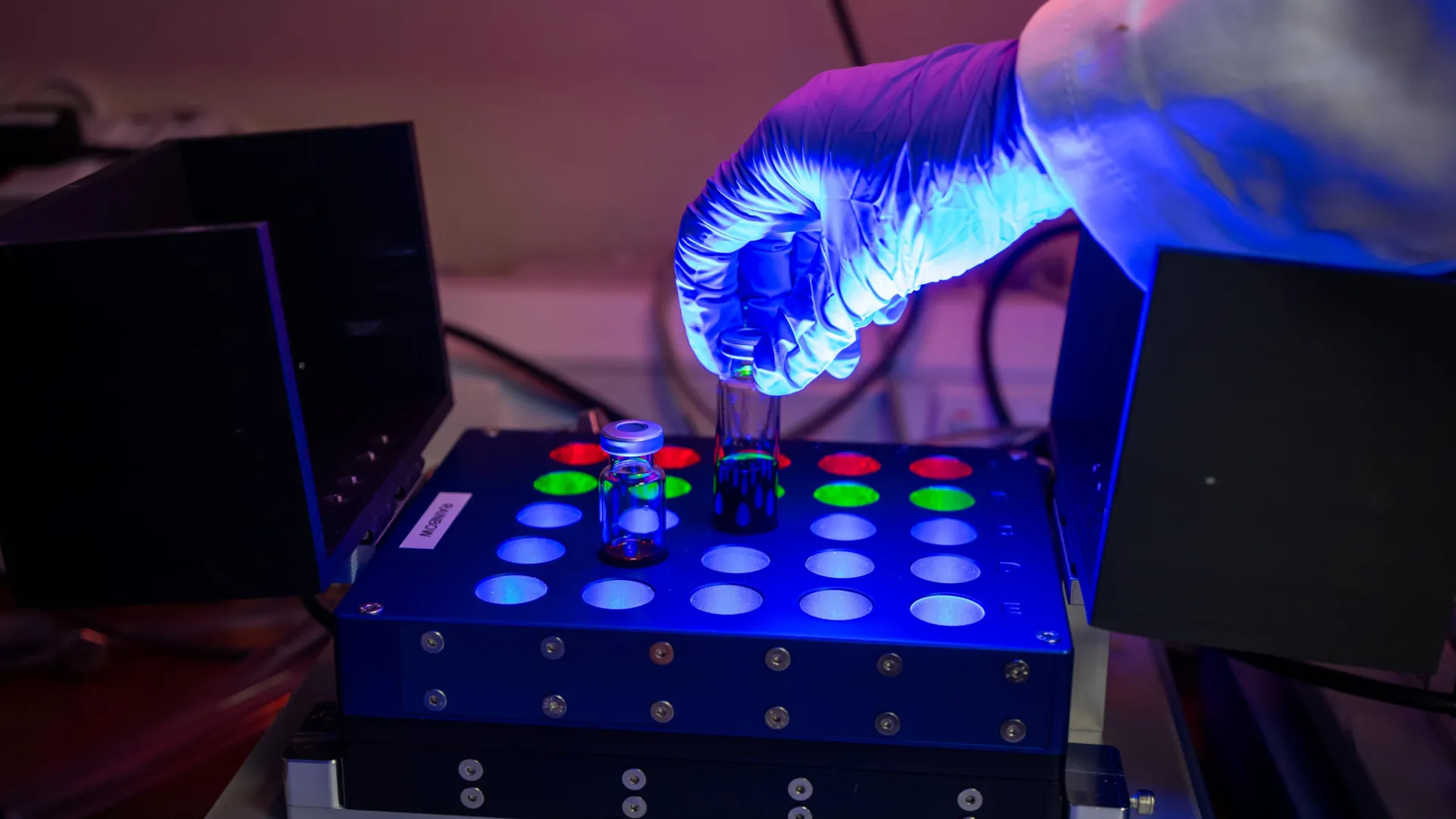
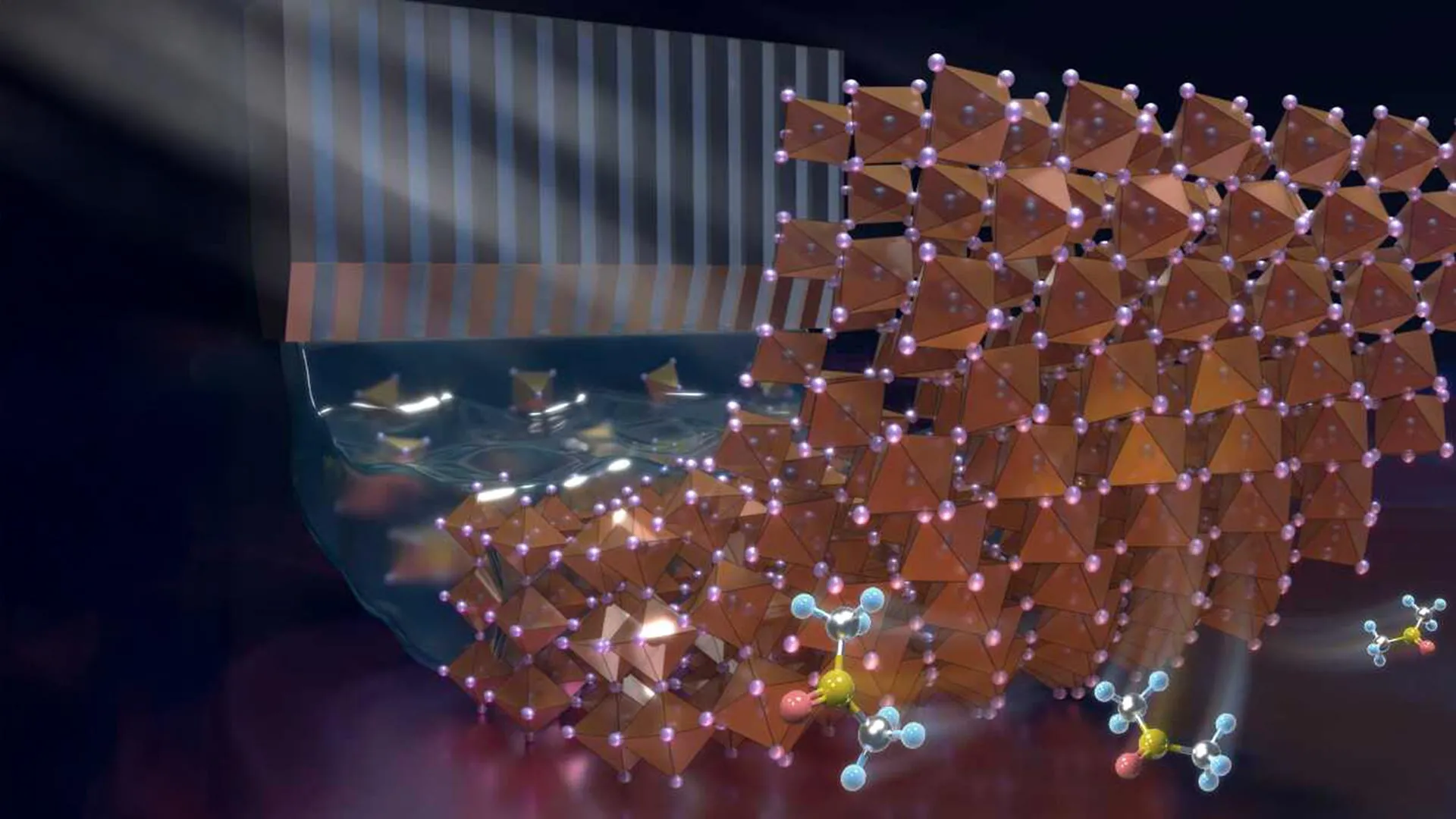
A new hollow nanoreactor mimics living cells to make hydrogen peroxide more efficiently using visible light. Its light-trapping cavity and proton-shuttling shell could open new possibilities for cleaner chemical manufacturing and artificial photosynthesis.
Researchers have shown that ultracold atoms can be driven into a strange new quantum state called a fractional Fermi sea, where particles organize themselves in unexpected ways. The discovery points to a new phase of matter that goes beyond established quantum theories and could expand the possibilities of quantum simulation.
Scientists have developed a fuel cell that uses microbes in soil to produce electricity. The device can power underground sensors for tasks like monitoring moisture or detecting touch, without needing batteries or solar panels. It works in both dry and wet conditions and even lasts longer than similar technologies. This could pave the way for sustainable, low-maintenance sensors in farming and en…
A surprising new idea about how the Big Bang may have happened
A new quantum gravity model suggests the universe’s dramatic birth may have unfolded naturally—and could soon be tested.
- Date:
- March 30, 2026
- Source:
- University of Waterloo
- Summary:
- Scientists at the University of Waterloo have uncovered a bold new way to explain how the universe began—one that could reshape our understand…
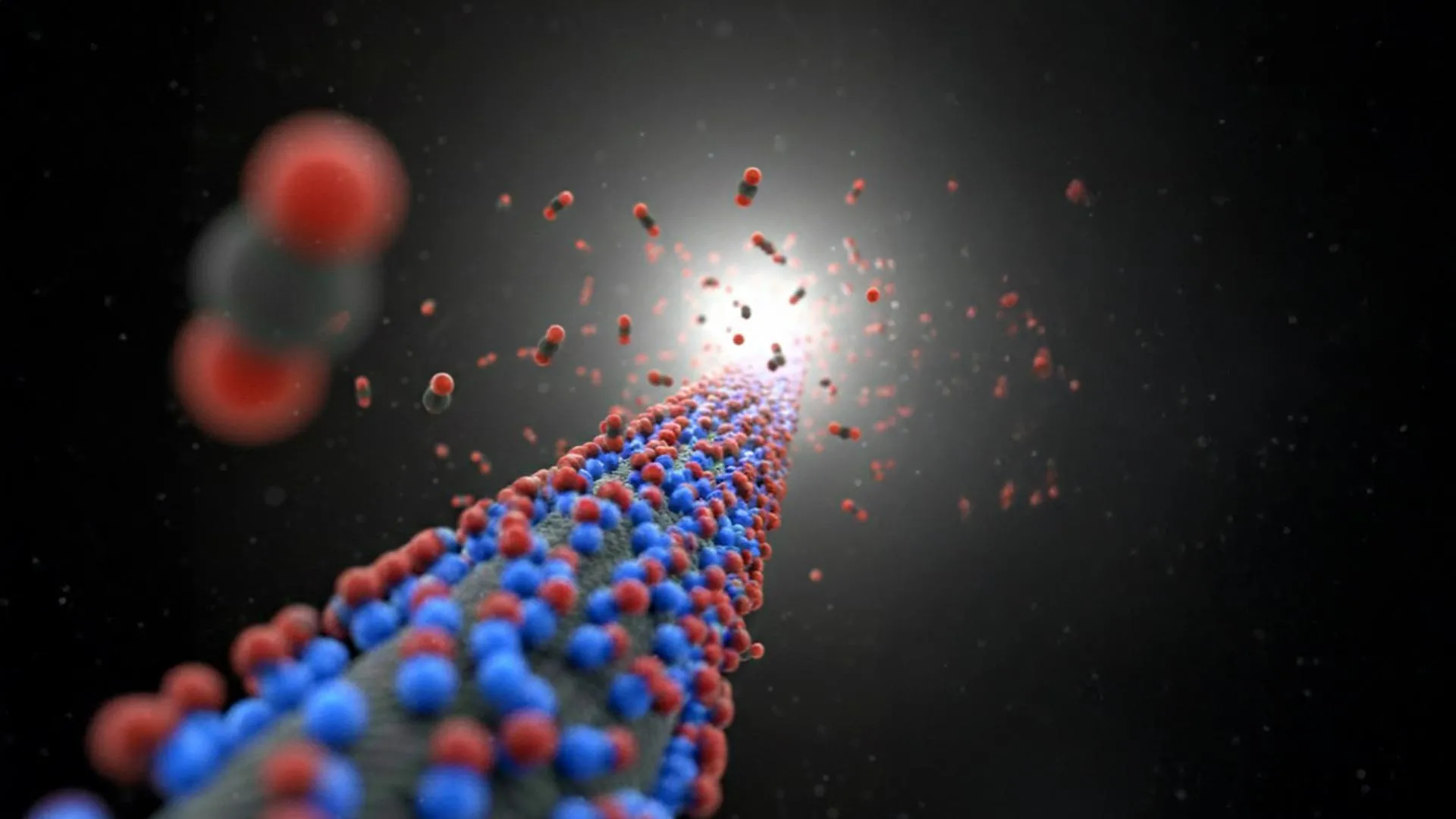
This new carbon material could make carbon capture far more affordable
A cleverly redesigned carbon material could make capturing CO2 far cheaper by releasing it with minimal heat.
- Date:
- March 28, 2026
- Source:
- Chiba University
- Summary:
- Scientists have created a new kind of carbon material that could make carbon capture much cheaper and more efficient. By carefully controlling how nitr…
First ever atomic movie reveals hidden driver of radiation damage
- Date:
- March 24, 2026
- Source:
- Fritz Haber Institute of the Max Planck Society
- Summary:
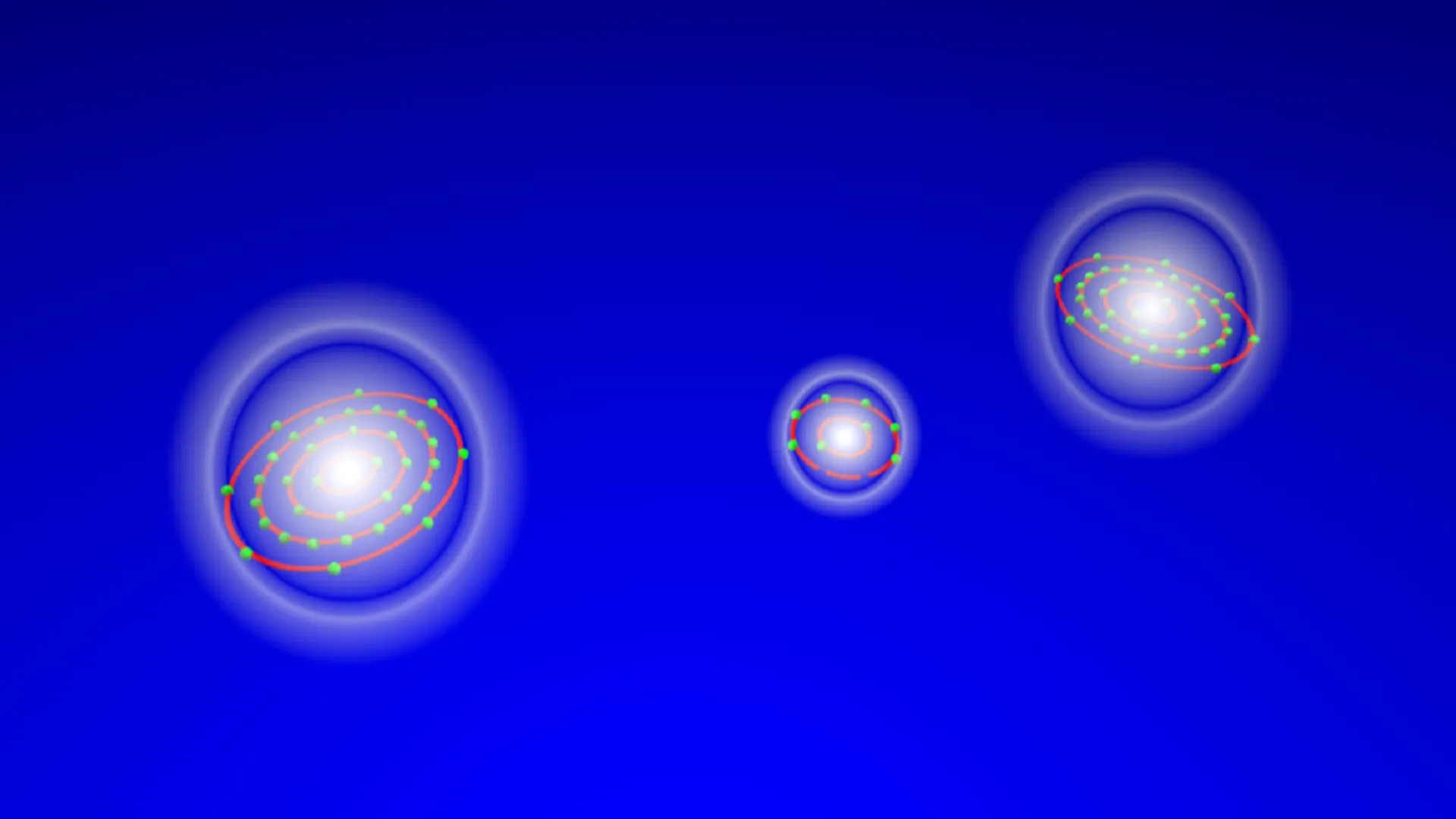
- Researchers have visualized atoms in motion just before a radiation-driven decay process occurs, revealing a surprisingly dynamic scene. Instead of remaining fixed, the atoms roam and rearrange, directly influencing how and when the de…
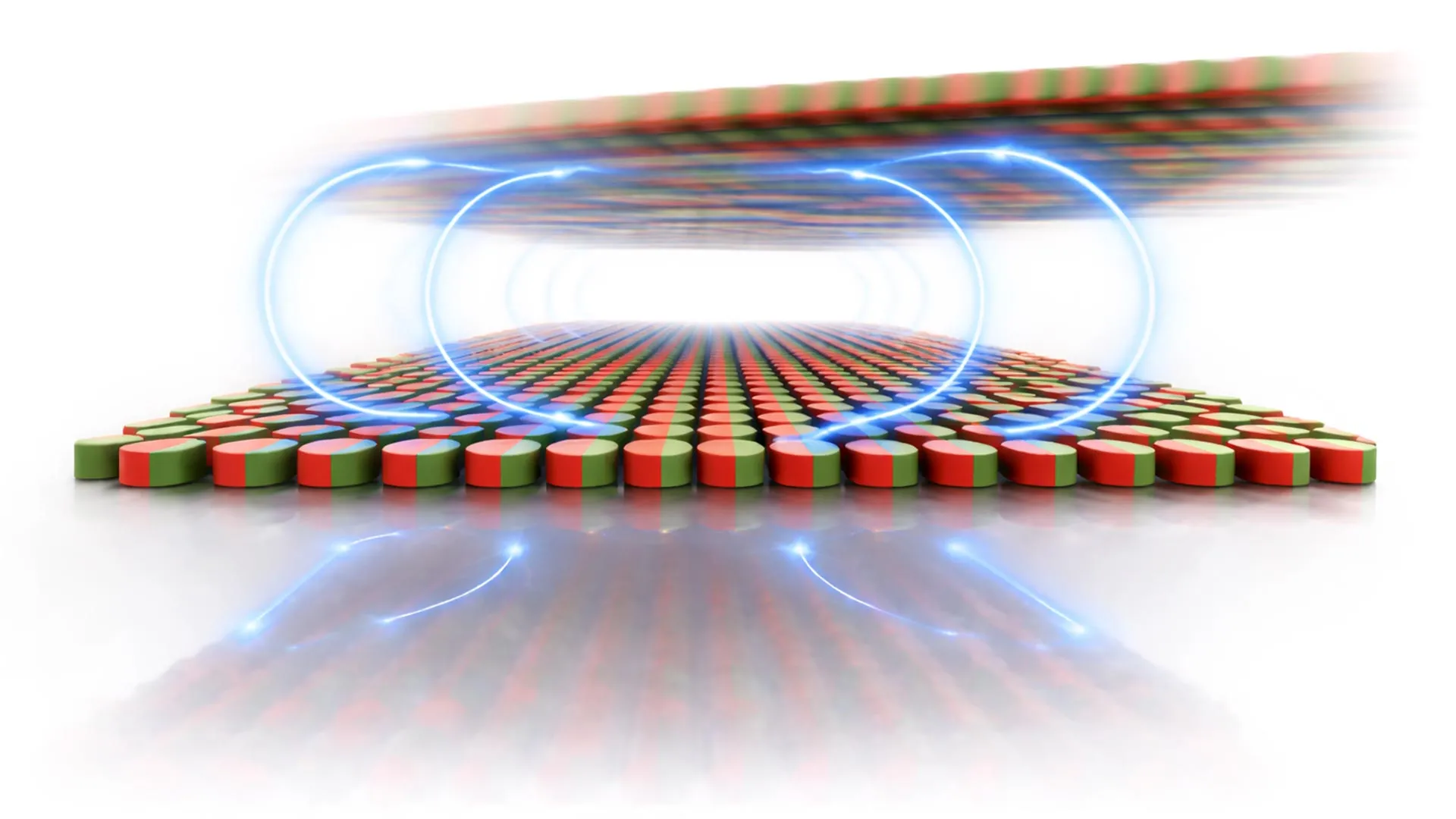
Friction without contact discovered as magnetic forces break a 300-year-old law
- Date:
- March 22, 2026
- Source:
- University of Konstanz
- Summary:
- Researchers have uncovered friction without contact—driven entirely by magnetic interactions. As two magnetic layers slide, their internal forces compete, causing constant rearrangements that dramatically increase resistance at certain distances.…
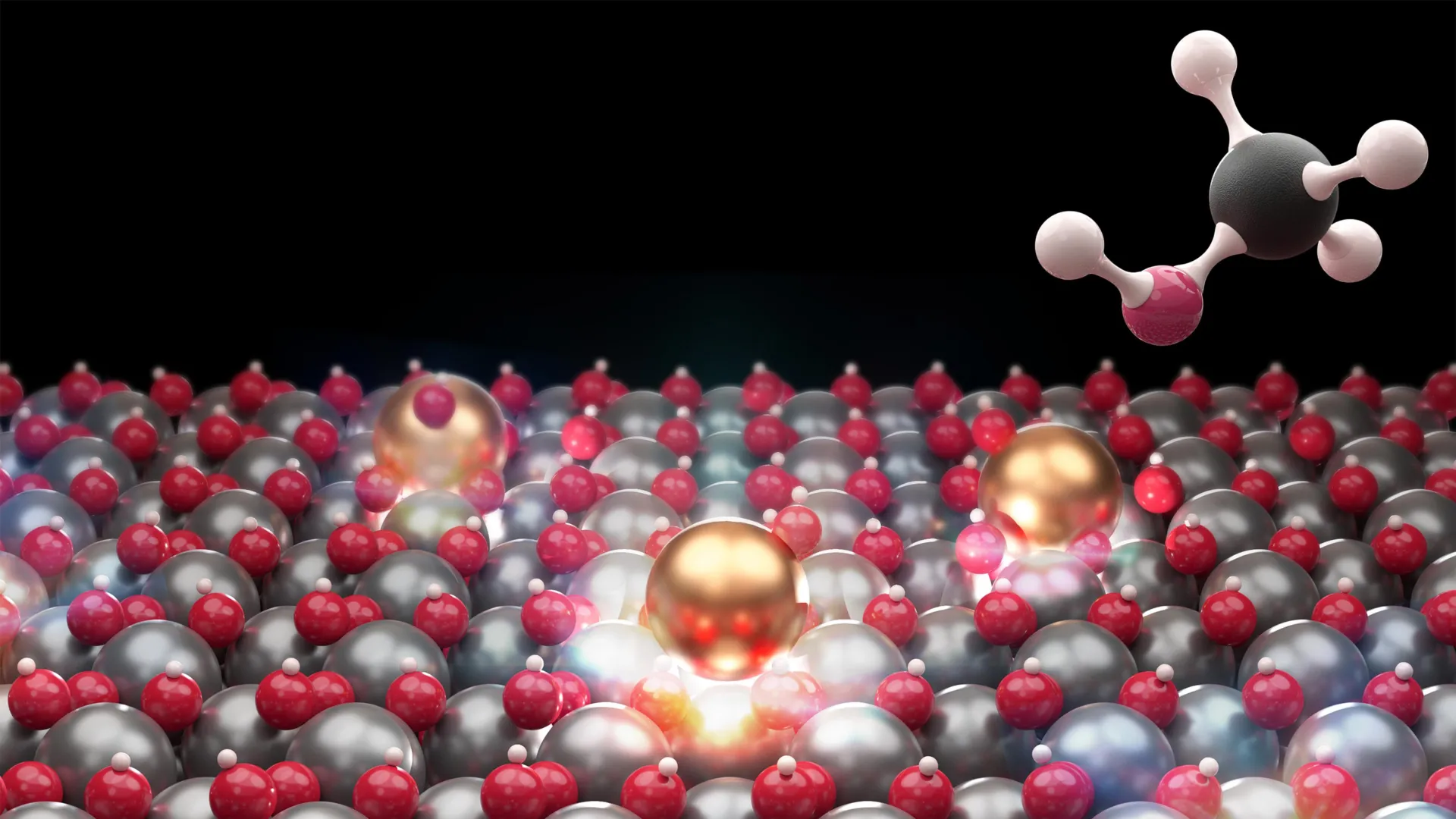
Scientists turn CO2 into fuel using breakthrough single-atom catalyst
- Date:
- March 20, 2026
- Source:
- ETH Zurich
- Summary:
- Researchers have created a cutting-edge catalyst that turns CO2 into methanol more efficiently than ever before. Instead of using clumps of metal atoms, they engineered a system where each single indium atom actively drives the reaction. This dramatically reduces ener…
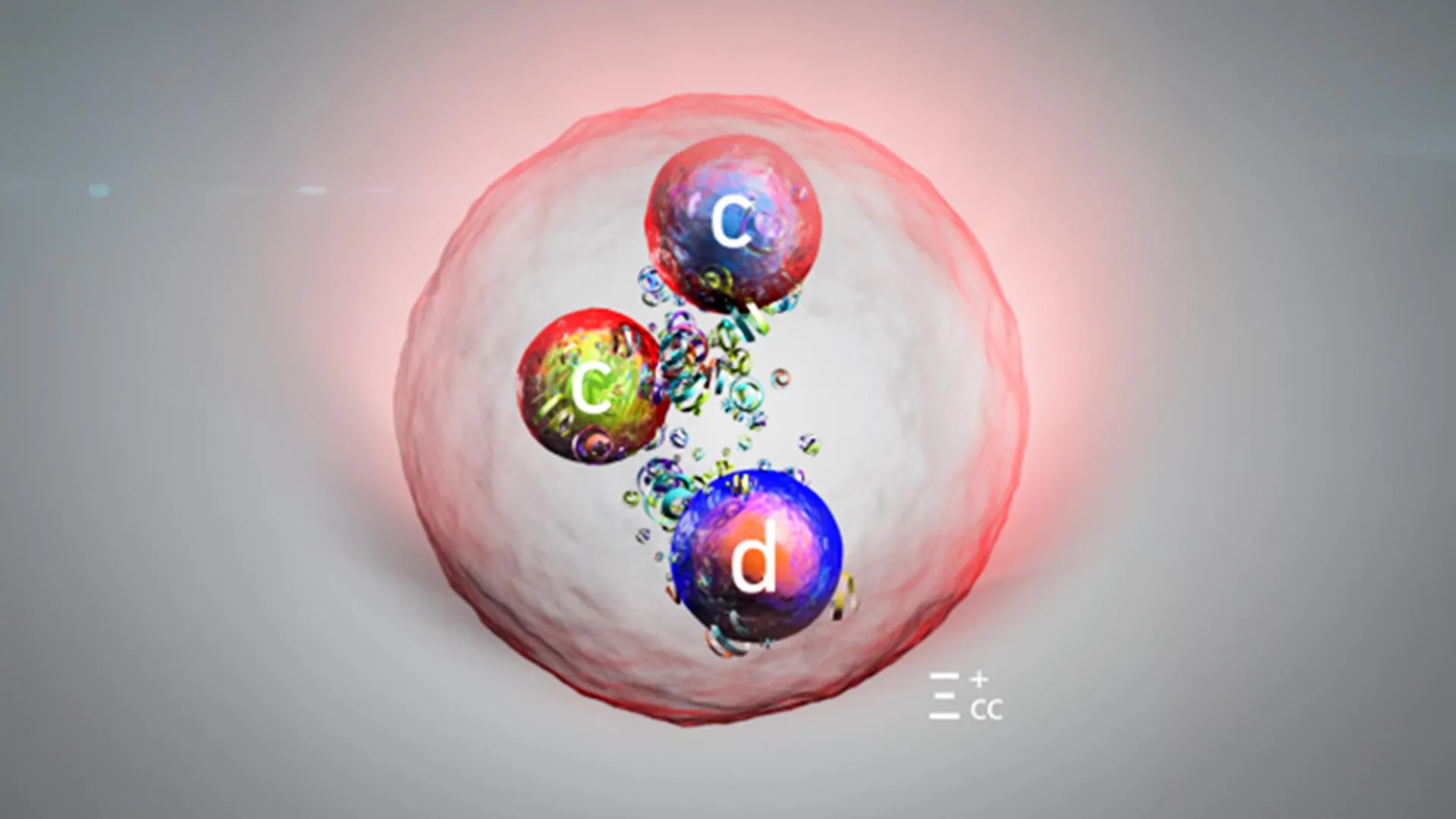
Physicists discover a heavy cousin of the proton at CERN’s Large Hadron Collider
CERN scientists have discovered a long-predicted heavy cousin of the proton, finally solving a 20-year mystery.
- Date:
- March 19, 2026
- Source:
- University of Manchester
- Summary:
- A new subatomic particle known as the Ξcc⁺ has been discovered at CERN’s Large Hadron Collider. This heavy proton-like particle con…
A strange new quantum state appears when atoms get “frustrated”
A newly discovered “double-frustrated” material could give scientists a powerful new handle on exotic quantum magnetic states.
- Date:
- March 16, 2026
- Source:
- University of California - Santa Barbara
- Summary:
- Physicists at UC Santa Barbara have uncovered a new way to manipulate unusual magnetic states by exploiting “frustrat…
A lab mistake at Cambridge reveals a powerful new way to modify drug molecules
A surprising lab discovery reveals a light-powered shortcut for redesigning drug molecules faster and more cleanly.
- Date:
- March 14, 2026
- Source:
- St. John's College, University of Cambridge
- Summary:
- Cambridge scientists have discovered a light-powered chemical reaction that lets researchers modify complex dr…
Scientists create slippery nanopores that supercharge blue energy
A lipid-coated nanopore membrane could supercharge “blue energy,” boosting power from mixing salt and fresh water by up to threefold.
- Date:
- March 9, 2026
- Source:
- Ecole Polytechnique Fédérale de Lausanne
- Summary:
- Scientists have found a way to significantly boost “blue energy,” which generates electricity from the mixing…
A perfectly balanced atom just broke one of nuclear physics’ biggest rules
Physicists have discovered a hidden “Island of Inversion” in molybdenum-84, revealing that even perfectly balanced nuclei can suddenly warp into exotic shapes.
- Date:
- March 8, 2026
- Source:
- Institute for Basic Science
- Summary:
- Physicists have discovered a surprising new “Island of Inversion” in a place no one exp…
AI discovers the hidden signal of liquid-like ion flow in solid-state batteries
- Date:
- March 7, 2026
- Source:
- AI for Science
- Summary:
- Solid-state batteries could be safer and more energy-dense than today’s lithium-ion technology, but finding materials that allow ions to move quickly through solid electrolytes has been difficult. Researchers developed a machine learning pipeline that pre…
Neutrinos could explain why matter survived the Big Bang
A global neutrino study may bring scientists closer to answering why anything exists at all.
- Date:
- March 3, 2026
- Source:
- Indiana University
- Summary:
- An international team combining two major neutrino experiments has uncovered stronger evidence that neutrinos and antimatter don’t behave as perfect mirror images. That subtle diffe…
A tiny twist creates giant magnetic skyrmions in 2D crystals
A slight twist between ultrathin magnetic crystals can unleash magnetic patterns far larger and stranger than anyone expected.
- Date:
- March 2, 2026
- Source:
- University of Edinburgh
- Summary:
- Twisting atomically thin magnetic layers does more than reshape their electronics—it can create giant, topological magnetic textures. In c…
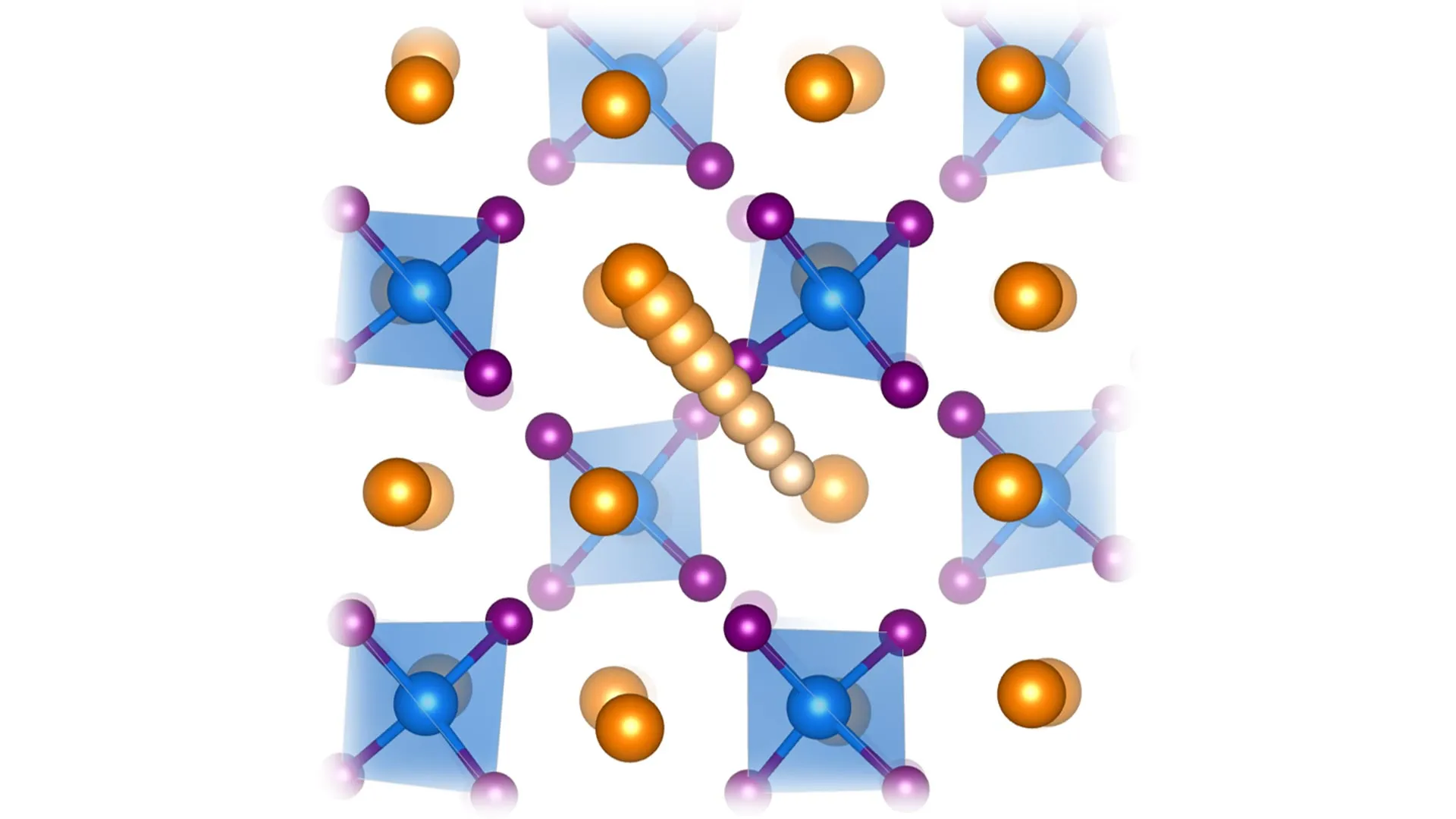
New crystal seeding method boosts perovskite solar cell efficiency to 23%
- Date:
- March 1, 2026
- Source:
- Chinese Academy of Sciences Headquarters
- Summary:
- Inverted perovskite solar cells offer strong potential for scalable, low-cost solar power, but a hidden interface inside the device has limited their performance and durability. Researchers have now introduced crystal-solvate nanoseeds…
Iron outperforms rare metals in stunning chemistry advance
A blue light activated iron catalyst just replaced rare metals and achieved a major first in drug synthesis.
- Date:
- February 27, 2026
- Source:
- Nagoya University
- Summary:
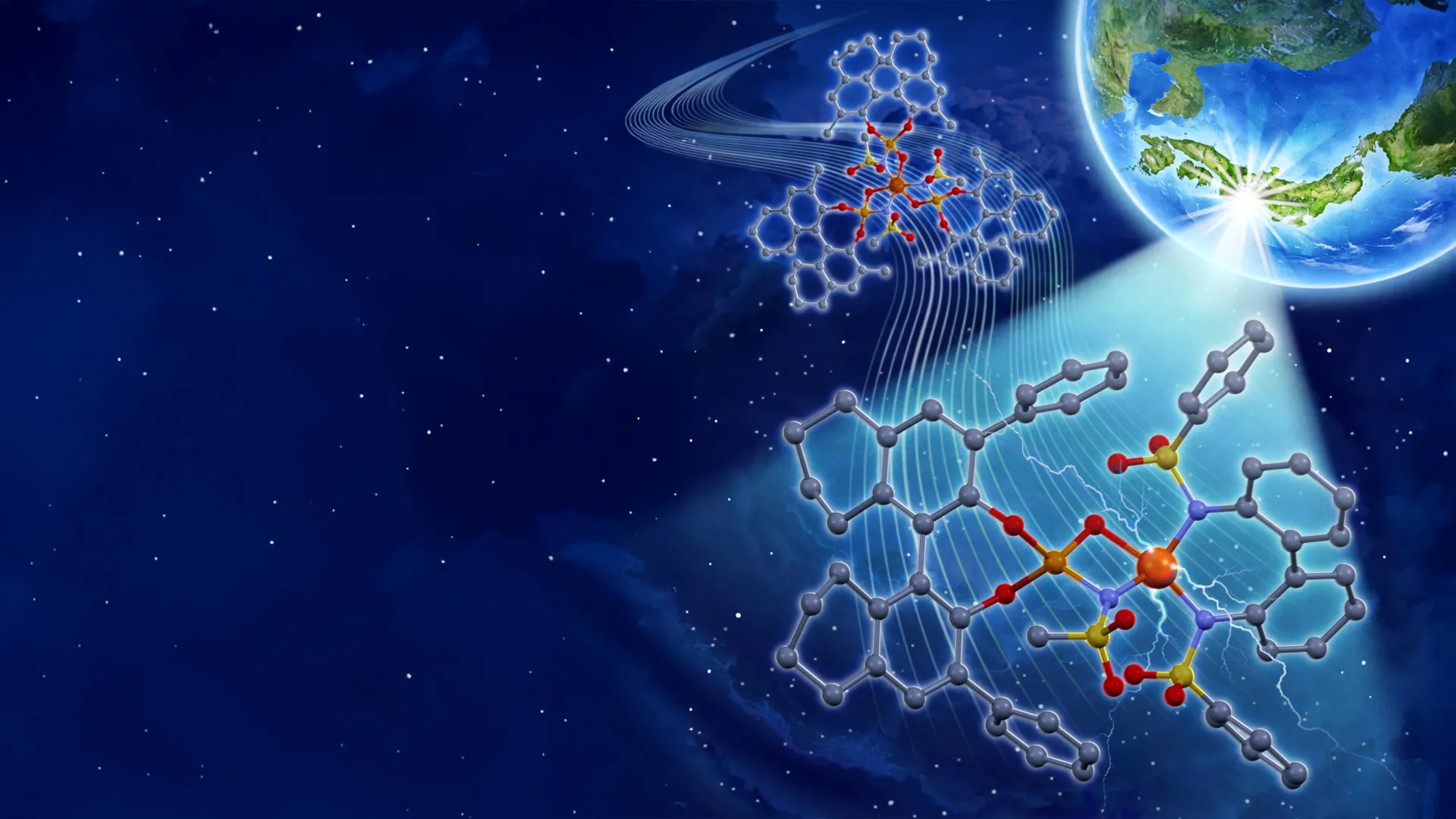
- Researchers at Nagoya University have created a more efficient iron-based photocatalyst that could reduce the need for rare and expensive metals in advanced che…
Scientists turn methane into medicine in stunning breakthrough
Researchers have found a way to turn simple natural gas into high-value medicines and chemicals using light and an iron-based catalyst.
- Date:
- February 27, 2026
- Source:
- Center for Research in Biological Chemistry and Molecular Materials (CiQUS)
- Summary:
- Scientists have unveiled a breakthrough way to turn natural gas—long bu…
A simple chemical tweak could supercharge quantum computers
A small chemical tweak may unlock the exotic materials needed to power tomorrow’s quantum computers.
- Date:
- February 25, 2026
- Source:
- University of Chicago
- Summary:
- Quantum computers need special materials called topological superconductors—but they’ve been notoriously difficult to create. Researchers have now shown they can t…







 research.io