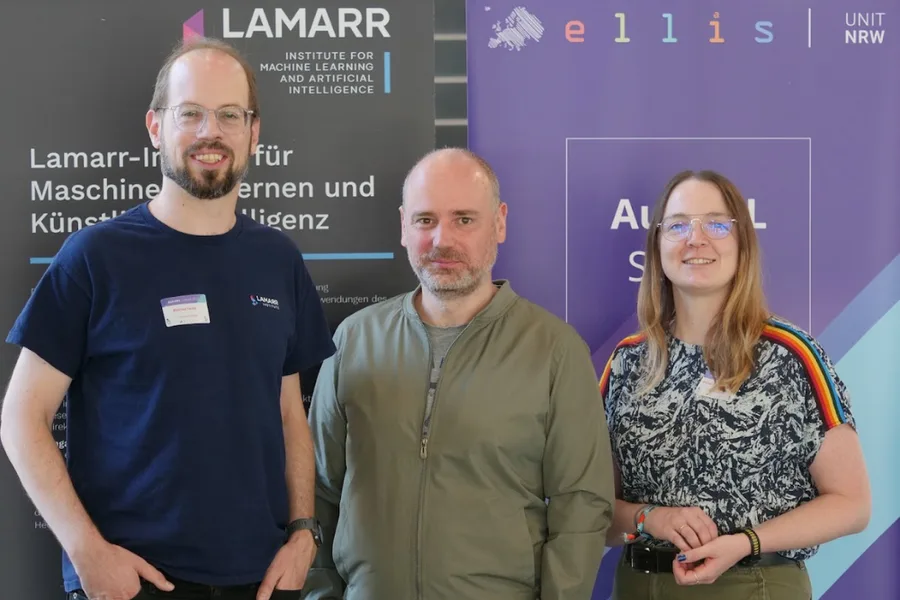
Automated machine learning is evolving from the optimization of individual model parameters towards the coordination of entire experimentation processes. How AI agents can select tools, plan individual steps and support the development of new models was at the heart of the sixth ELLIS Summer School on AutoML at TU Dortmund University. The five-day event, held from 27 to 31 July 2026, was organize…
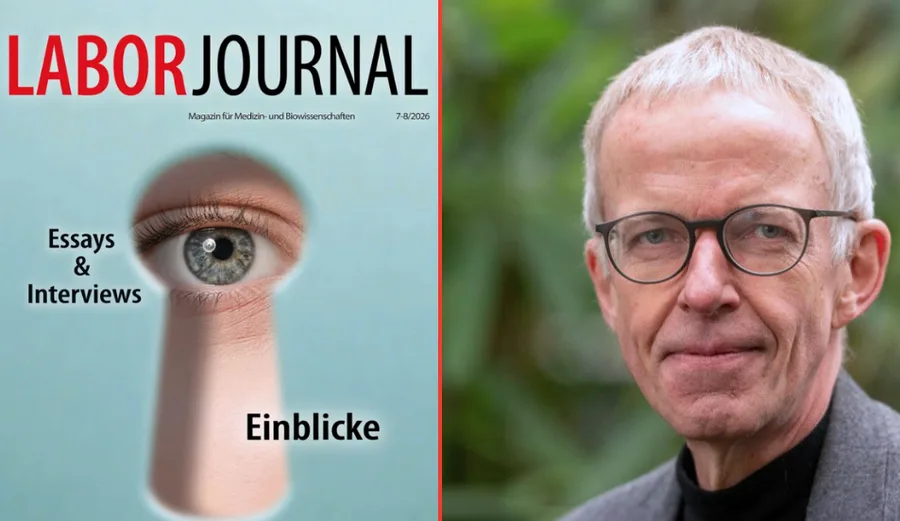
Artificial intelligence in drug discovery: In a recent Laborjournal essay, Jürgen Bajorath explains why explainable AI is essential for integrating computational and experimental research and why scientific progress requires more than accurate predictions.
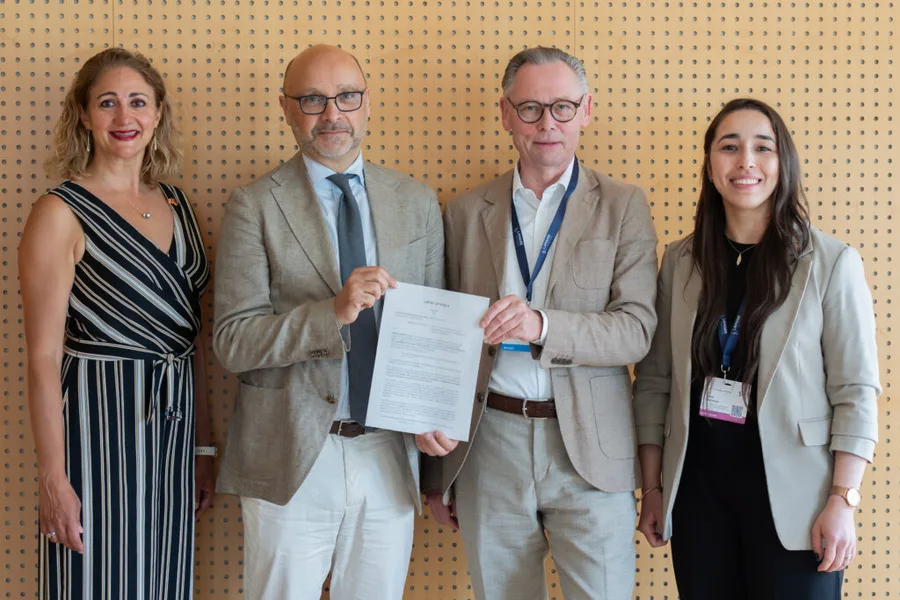
International AI collaboration in healthcare: The Lamarr Institute, TU Dortmund and CRCHUM have signed a Letter of Intent to strengthen research collaboration and accelerate the responsible translation of AI into clinical practice.
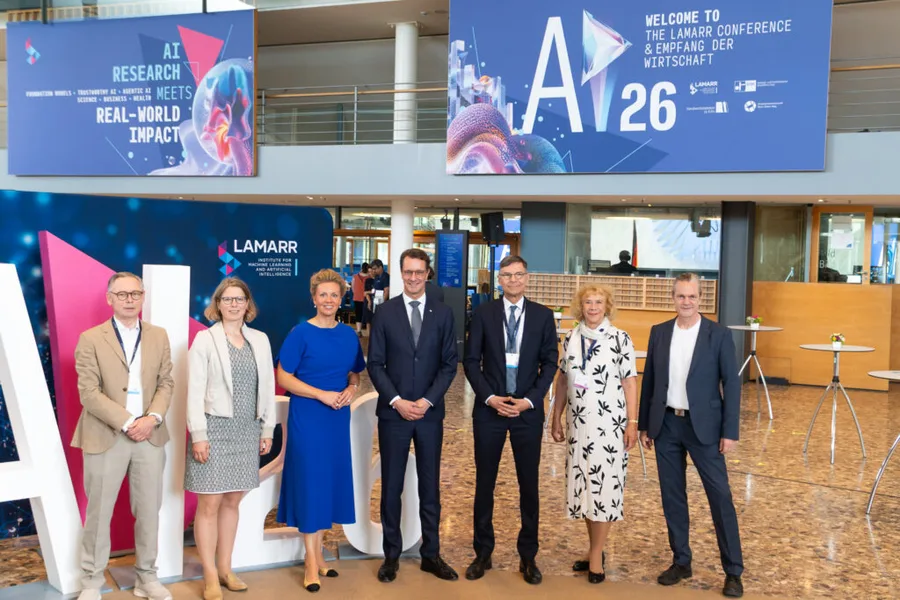
Minister President Hendrik Wüst opens the AI26 Lamarr Conference and presents the Lamarr Award to DeepL founder Dr. Jarosław Kutyłowski. AI26 brings together leading voices from academia, industry and policy to discuss how Europe can translate AI research into innovation, technological sovereignty and value creation.
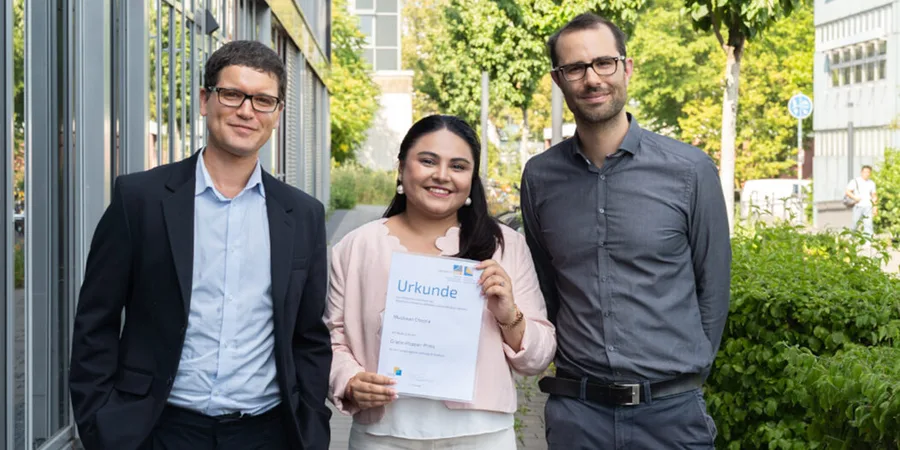
Grace Hopper Award recipient Muskaan Chopra researches compact, locally deployable language models at the University of Bonn to detect critical machine translation errors, linking reliable language processing with resource-efficient AI research at the Lamarr Institute.
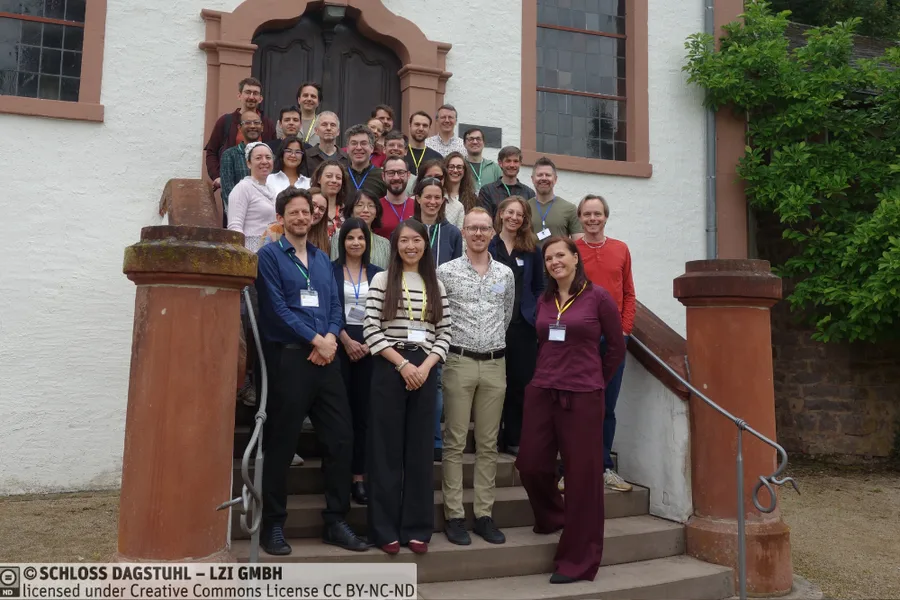
Social Artificial Intelligence, Dagstuhl Seminar, Germany: International researchers met at Schloss Dagstuhl to define the scientific foundations of socially intelligent AI and strengthen interdisciplinary collaboration across AI and cognitive sciences.
ERC Advanced Grant, digital security and privacy research: University of Bonn computer scientist Matthew Smith receives €2.5 million in EU funding to investigate ethical and technical conflicts in cybersecurity, privacy and online safety.
AI26 – The Lamarr Conference on Artificial Intelligence brings leading AI researchers, industry leaders and policymakers to Bonn to discuss AI sovereignty, robotics, healthcare AI and technology transfer. The conference focuses on turning AI research into innovation and value creation.
Autonomous racing, AI research and Formula 1 data come together in LamarRacing’s victory at the RoboRacer Competition during ICRA 2026 in Vienna. The Lamarr-supported team outperformed 35 international competitors with its autonomous racing system.
Artificial intelligence research took center stage at Bonn Science Night 2026. Researchers from the Lamarr Institute and partner institutions presented applications in medicine, robotics, education, and flood forecasting under the theme “Diagnose: Zukunft”.
ELLIS Unit NRW brings together eight universities and research institutions in North Rhine-Westphalia to advance open-source foundation models, trustworthy AI and large-scale AI infrastructure linked to the JUPITER exascale supercomputer.
DFG funding extension for Collaborative Research Center 1491 enables further research into cosmic matter, high-energy particles and dark matter. The consortium led by Lamarr Associated PI Julia Tjus combines astrophysics, AI and data-intensive modelling.
Humanoid robotics and AI are gaining momentum in logistics. A Fraunhofer IML study examines application potential, technological challenges, and the role of machine learning in future automation systems.
Diffusion models in drug discovery are increasingly used to generate new molecular structures. A study by Andrea Mastropietro and Jürgen Bajorath now shows that, in linker design, these AI models primarily rely on geometric patterns rather than systematically capturing chemical relationships.
AI hub North Rhine-Westphalia: A delegation visit to London provides impulses for technology transfer, international collaboration, and closer integration of startups, research, and industry.
German AI Success: research in Germany: Two Lamarr projects selected by Platform Learning Systems highlight advances in language models and data-intensive physics, demonstrating how scalable AI technologies enable transfer from research to industry.
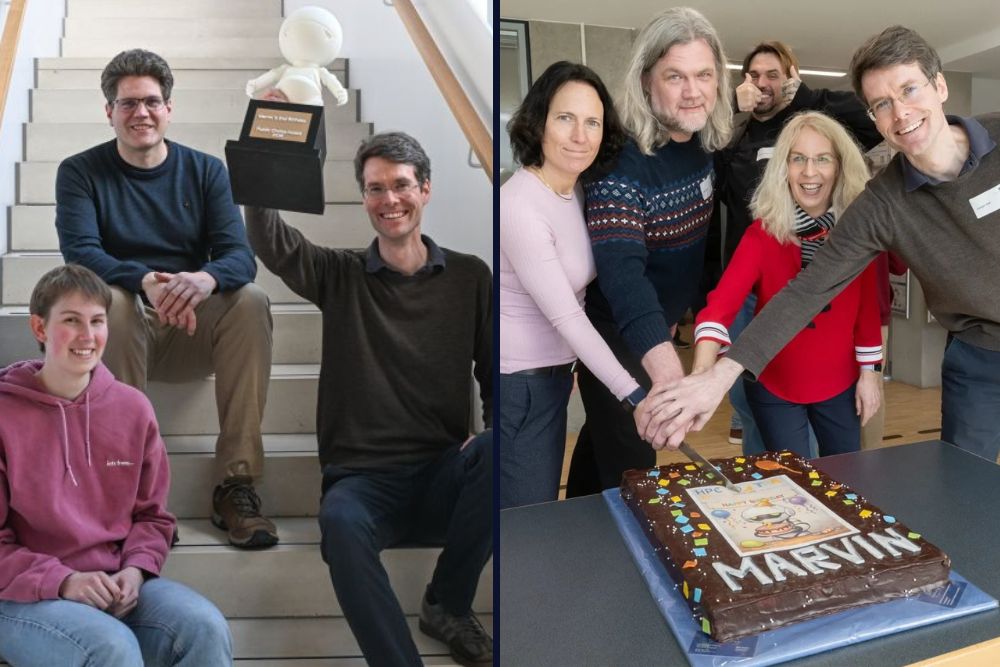
Lamarr PI Jürgen Gall receives the MARVIN Cup for RiverMamba, a project advancing resource-efficient AI models for complex time series. The award highlights the growing importance of high-performance computing infrastructure for scalable and real-world AI applications.
Christian Glaser receives the Wallmark Prize 2026 for his research at the intersection of astroparticle physics and artificial intelligence. His work demonstrates how AI, as an integral part of experimental methodology, enables new approaches to detecting ultra-high-energy cosmic particles.
The ARD PlusMinus report on AI in Industry shows that value creation and competitiveness depend on how consistently AI is integrated into industrial processes.

 research.io