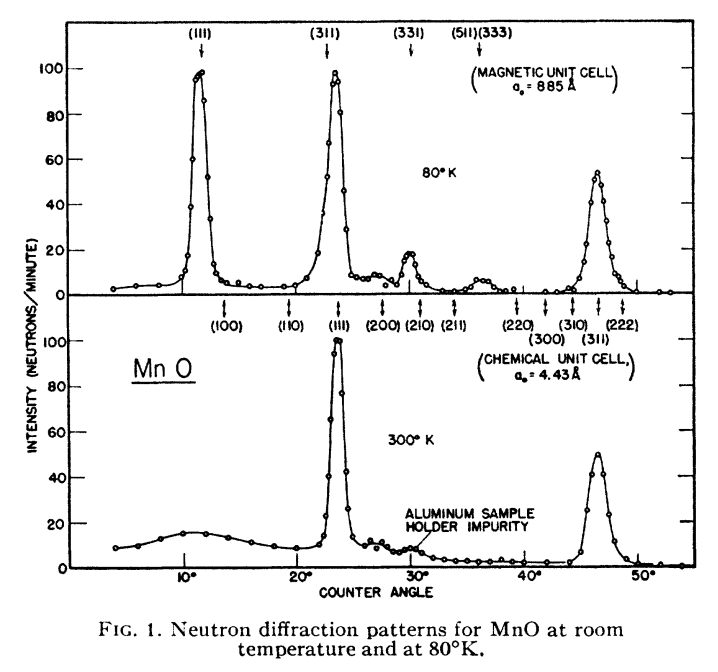
Ferromagnetism is a state of matter whose existence has been known for millennia (Fe3O4 supposedly was the first known permanent magnet, but is actually a ferrimagnet). Coincidentally, it was also the material that took center stage in Expt 8 in this series of posts. Antiferromagnetism is, in some sense, “hidden order”. Although predicted in 1932 by Louis Neel, it was not apparent how to convinci…
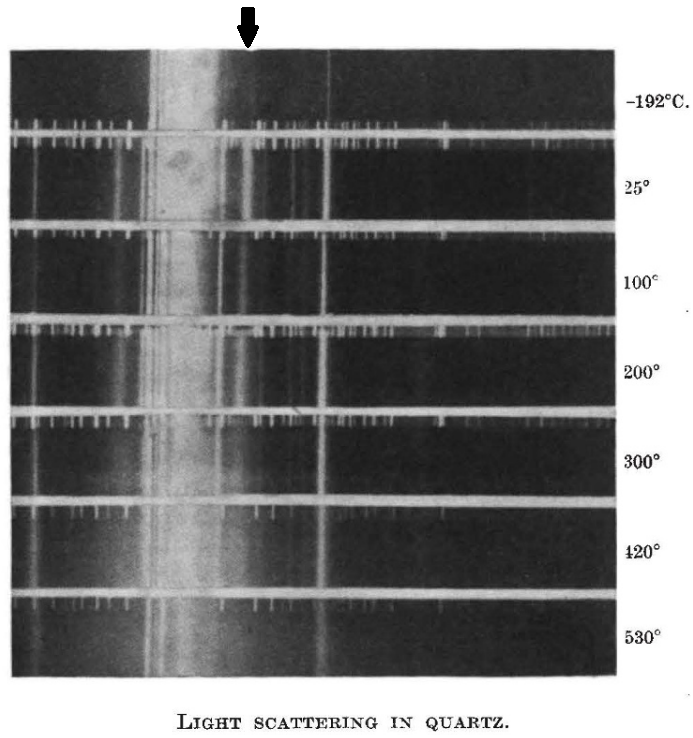
That continuous structural phase transitions are associated with soft phonon modes was first put forth theoretically by Cochran in 1959-60. He posited that as an optical phonon branch reaches zero frequency the material must become structurally unstable. Qualitatively, when the phonon f
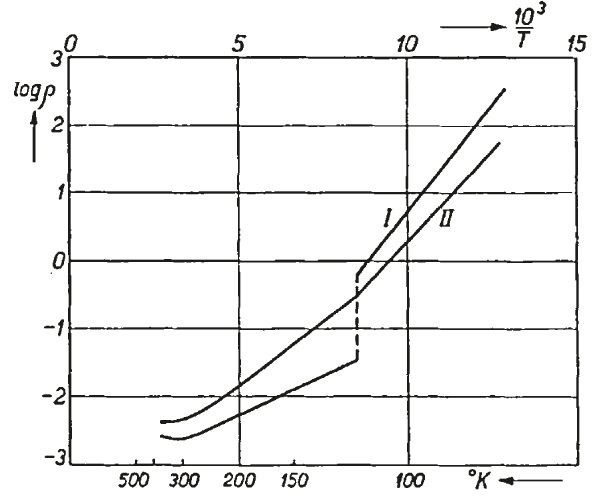
Prior to 1939, the Bloch-Wilson rule for predicting whether a given material would be an insulator or a metal reigned supreme. However, all was not well as early as 1937. De Boer and Verwey, in a famous paper, pointed out that 3d electron systems like NiO are orders of magnitude less conductive (about a factor of 1010 less!) than expected by the simple Wilson counting rule. In a short monograph, …
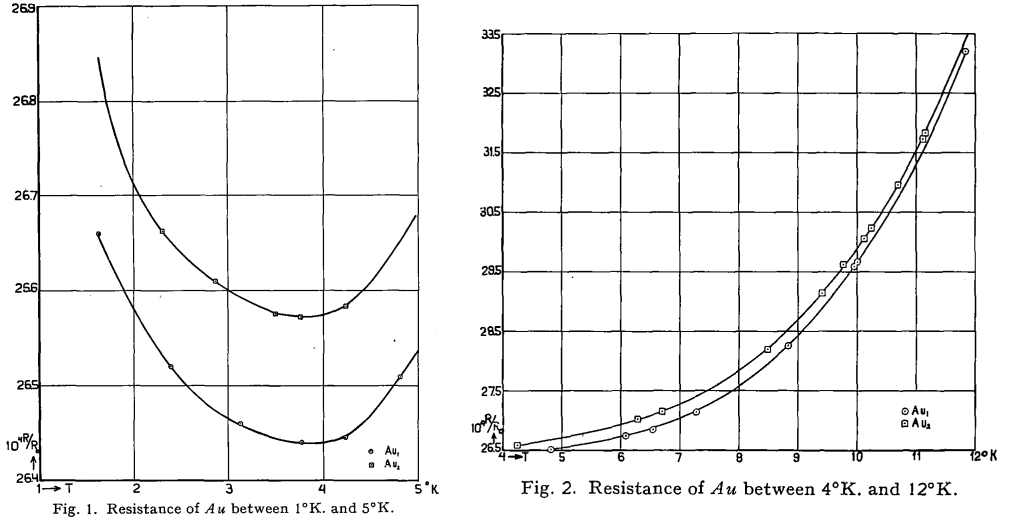
In 1934, de Haas, de Boer and van den Berg showed that the low temperature resistance of “not very pure” gold exhibited a rather peculiar feature. There existed a minimum in the resistance as temperature was reduced. Below are two figures showing the resistance of as a function of temperature in the range from 1-5 K and from 4-12 K:
In 1938, Pyotr Kapitza and, independently, John F. Allen and Don Misener demonstrated that on cooling below the “lambda temperature”, the viscosity of liquid 4He suddenly reduced by orders of magnitude. Kaptiza coined the name “superfluidity” in his famous paper, where he also presciently compared superfluidity to superconductivity.
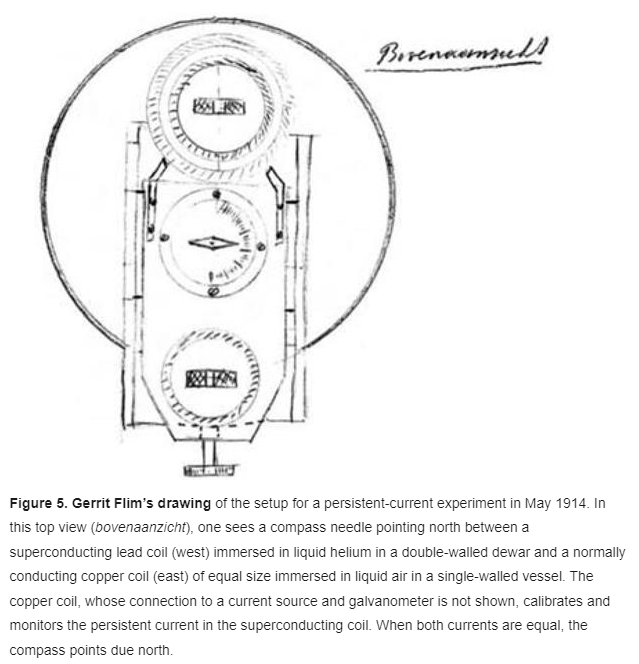
He used a rather ingenious experimental setup where the liquid f…
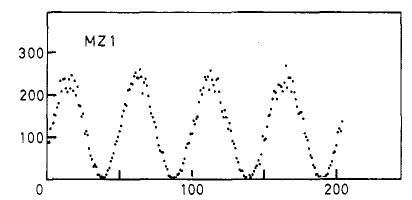
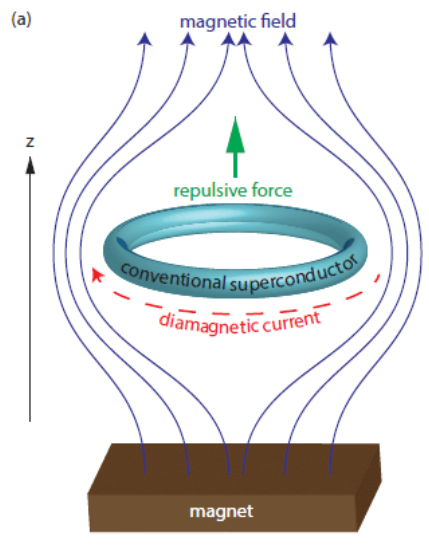
There are actually two separate experiments that are worth highlighting here, as they both pertain to superconductivity. Meissner-Oschenfeld effect is discovered in 1933Prior to 1933, it was possible to interpret superconductivity as “perfect conductivity”. However, that all changed with Meissner … Continue reading →
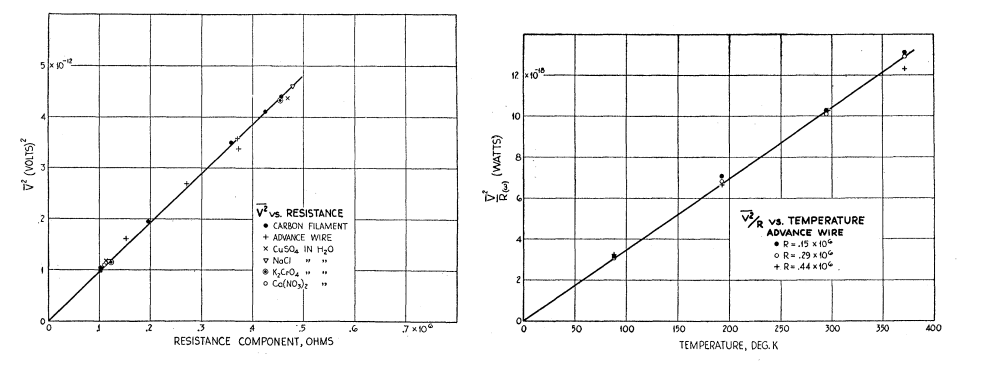
In 1928, J.B. Johnson measured a rather peculiar quantity. He wanted to quantify where electrical noise came from when performing measurements of resistance. The noise was a problem for vacuum tube amplifiers, which would necessarily amplify not only wanted signals, … Continue reading →
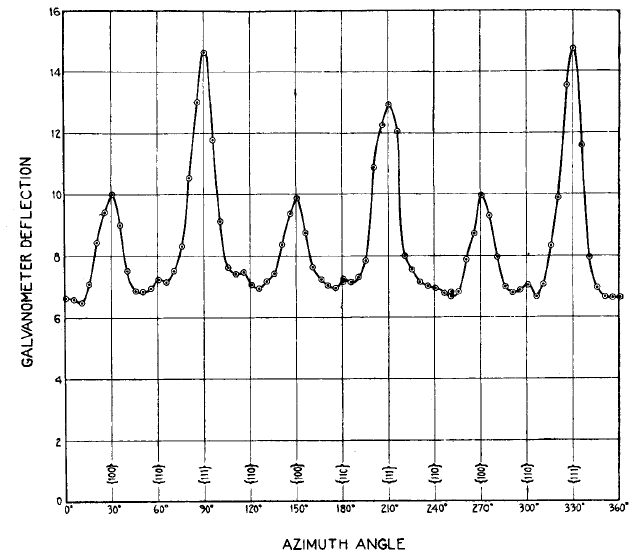
Electron diffraction was first observed in 1927 by Clinton Davisson and Lester Germer from the surface of crystalline nickel. This experiment was profound for two reasons. First, it established the wave nature of the electron experimentally. Although Einstein and Planck … Continue reading →
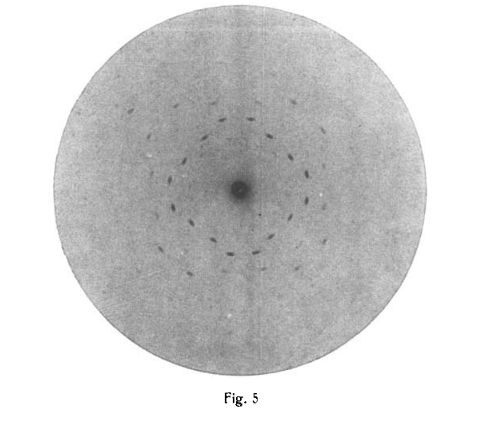
Diffraction from crystals was first observed in 1912 by Max von Laue, Paul Knipping and Walter Friedrich and soon after by William Lawrence Bragg (son) and William Henry Bragg (father). Although we normally think of X-ray diffraction as being extremely … Continue reading →
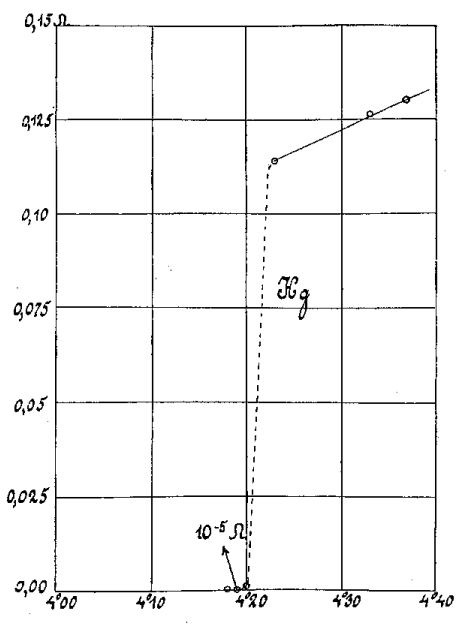
In this famous experiment, Heike Kamerlingh Onnes showed that mercury exhibits vanishing resistance below 4.2 K — he had discovered superconductivity. (More precisely, it was Kamerlingh Onnes’ lab assistants, Gilles Holst and Cornelius Dorsman, that performed the experiments while being … Continue reading →
When we look at science at a whole, the distinguishing property it possesses compared to other branches of knowledge is its reliance on experiment and observation. Though Galileo wasn’t the first person to emphasize the relationship between our conceptions of … Continue reading →
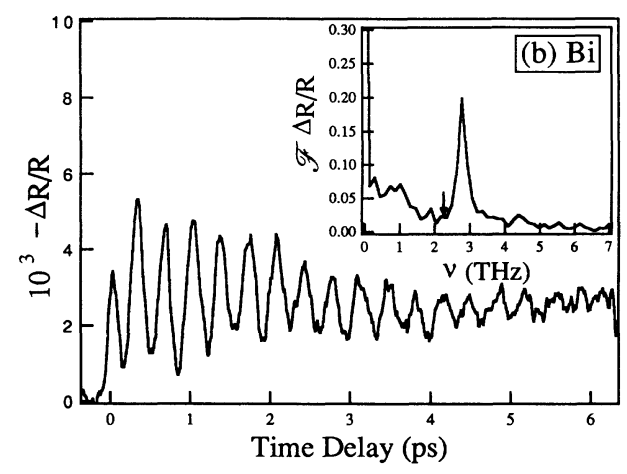
In the past few decades, pulsed laser sources have become more and more often found in condensed matter physics and physical chemistry labs. A typical use of these sources is a so-called “pump-probe” experiment. In these investigations, an initial laser … Continue reading →
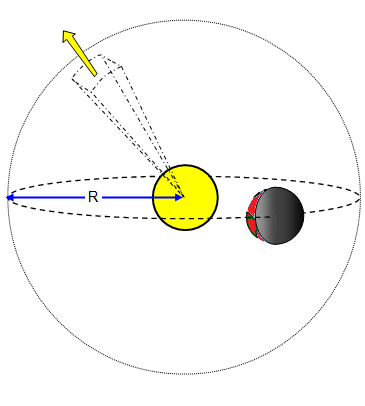
In the previous post, I walked through the simple “naked planet” model to calculate the average temperature of planets. This resulted in an excellent approximation to the average temperature of Mercury and was a little off when it came to … Continue reading →
Today, there is no greater global challenge than climate change — an existential threat to most lifeforms on the planet, including to us humans. Thus, while our day-to-day work is important, it probably helps to understand and think about the … Continue reading →
While most physicists will agree with the statement in the title, some (especially those not working in quantum information) occasionally do get confused about this point. But there are a very beautiful set of experiments demonstrating the idea of “false … Continue reading →
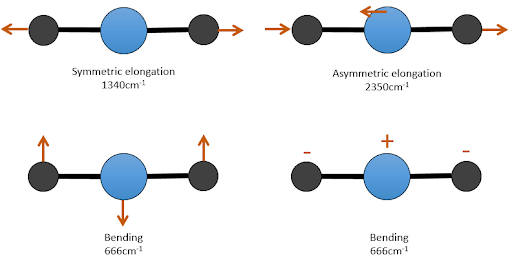
When I was a graduate student, a group of us spent long hours learning group theory from scratch in effort to understand and interpret our experiments. One of our main goals back then was to understand Raman and infrared selection … Continue reading →
In the post before the previous one, I advocated for faculty and personnel in physics departments to reflect the make-up of the populace. Here is an excellent concrete list by Professor of Chemistry Kensha Marie Clark of the University of … Continue reading →
As you can probably tell from my previous post, I have found the recent activism inspiring and genuinely hopeful of it translating into some form of justice and meaningful action. At the end of this post I share a few … Continue reading →
I am not Black. I am not American. I do not understand the many nuances of American and African-American culture. I do not understand the extra struggle African-American people have to go through each day. But there are some things … Continue reading →
I am still planning to follow up my previous post on environmental negligence and will write a post about CFCs in the near future. However, I saw this YouTube video recently and found it harrowing. The British government had known … Continue reading →




 research.io