NASA Astrobiology Program Archives - Astrobiology
NASA’s Science Mission Directorate has an immediate need for one or more scientists with expertise in planetary science to serve as Program Scientists in the Planetary Science Division at NASA Headquarters in Washington, DC. The Division is responsible for the scientific exploration of our solar system and for improving our understanding of planets. These opportunities […] The post NASA Headquart…
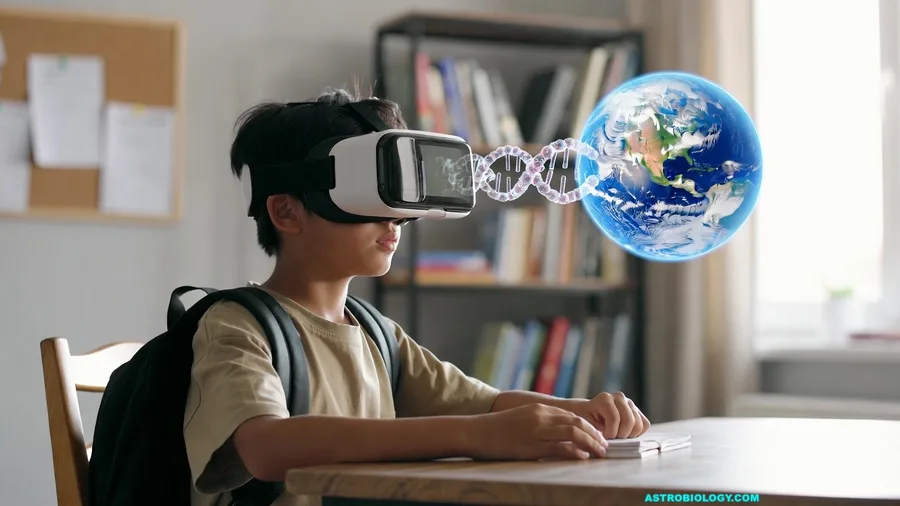
The NASA-funded Infiniscope project is developing a new technology-enabled framework to empower education outreach by astrobiologists, aligned with NASA planetary exploration missions. The framework is built around two key technologies advanced by the Infiniscope team: Torus, a new open-source adaptive learning platform developed in collaboration with the Open Learning Initiative of Carnegie Mell…
The Gerald A. Soffen Memorial Fund is pleased to announce the Spring 2026 Travel Grant application opportunity for undergraduate and graduate students pursuing studies in fields of space science and engineering. The Travel Grants enable student recipients to attend professional conferences to present their research. Recipients may use the Grant for either virtual or in-person […] The post Gerald …
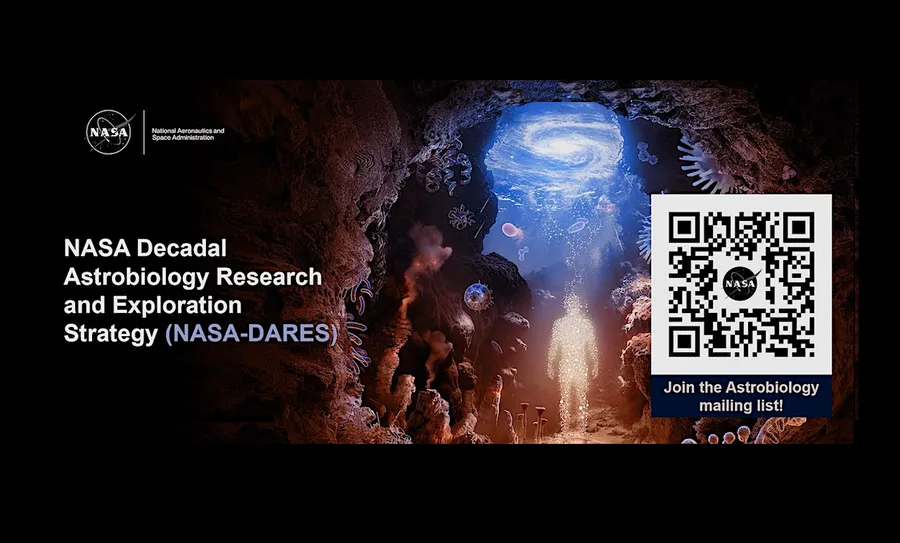
The NASA Astrobiology Program is pleased to announce the upcoming NASA Decadal Astrobiology Research and Exploration Strategy (NASA-DARES) Community Webinar Series, marking the next phase of open community engagement in the development of NASA’s Astrobiology Strategy. There is no cost to participate but registration is required in order to receive connection information. The webinar series wil…
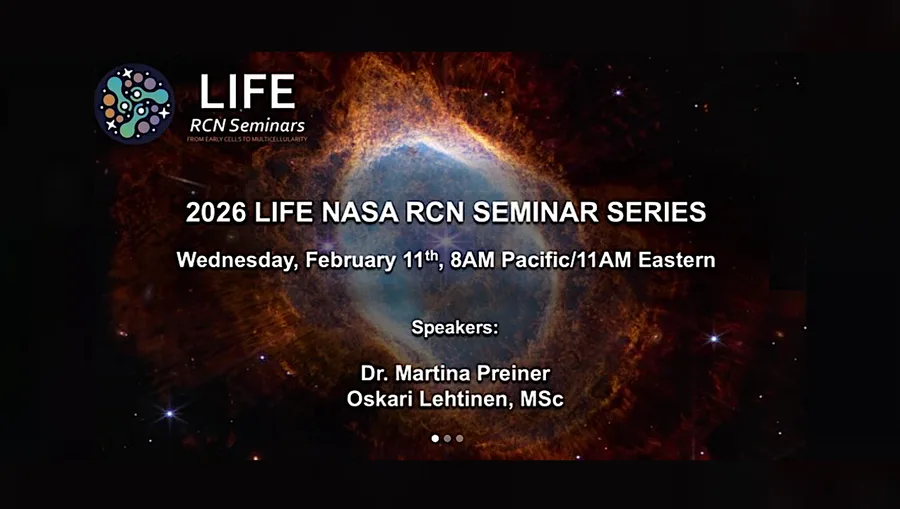
Time: February 11th, 8AM PDT/11AM EDTJOIN https://cuboulder.zoom.us/j/96506145424#success Join the 2026 LIFE NASA RCN Seminar Series! This month’s speakers are Dr. Martina Preiner and Oskari Lehtinen, MSc. Dr. Martina Preiner, head of a Max Planck research group at the Microcosm Earth CenterTitle: Coenzymes as connection between mineral-based and enzymatic catalysis en route to protometabolism Th…
In 2025, NASA’s Science Mission Directorate (SMD) released the annual Research Opportunities in Space and Earth Sciences (ROSES) solicitation in July rather than February, the traditional target release date. For simplicity, consistency, and to maintain the annual schedule, SMD plans to release ROSES-2026 in July again this year rather than February. ROSES-2025 will continue solicit […] The post …
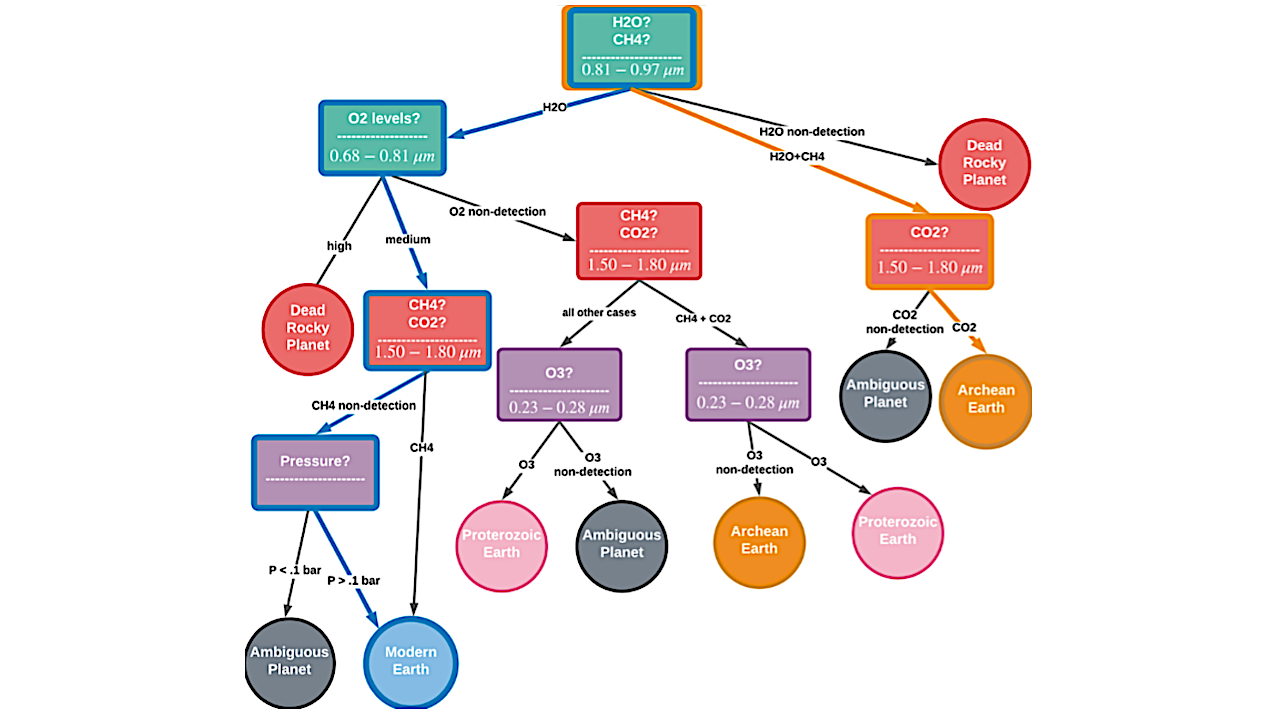
The discovery of a biosphere on another planet would transform how we view ourselves, and our planet Earth, in relation to the rest of the cosmos. We now know Earth is one planet among eight circling our sun; our sun is part of a swirling galaxy of over one hundred billion other suns; and our […] The post Habitable Worlds Observatory (HWO): Living Worlds Community Working Group: The Search for Li…
The Science Mission Directorate Science Activation Program encourages all people to actively participate in science through activities and resources developed by a collaborative network of project teams drawing on NASA SMD assets (science content, experts, data, etc.). The Science Activation program element (F.6 SciAct) of ROSES-25 solicits a portfolio of projects that together cover the […] The …
How does NASA prepare to explore the Moon, Mars and Ocean Worlds? For scientists like Bethany Theiling, it starts by venturing into Earth’s most extreme spots. Join us Wednesday, Dec. 10, at 3 p.m. EST (2000 UTC) as NASA experts take you behind the scenes in Iceland — where we study icy volcanoes, lava fields, […] The post Webinar: Inside NASA’s Prep For The Moon, Mars, And The Search For life ap…
To the NASA Science Community, Now that NASA SMD has returned to normal operations, we are working to reset the proposal deadlines for ROSES-25 programs that were impacted by the recent funding lapse. This includes both deadlines that were changed to “TBD” and other near-term deadlines that are no longer viable. Our goal is to […] The post NASA SMD: Resetting ROSES Due Dates After the Government …