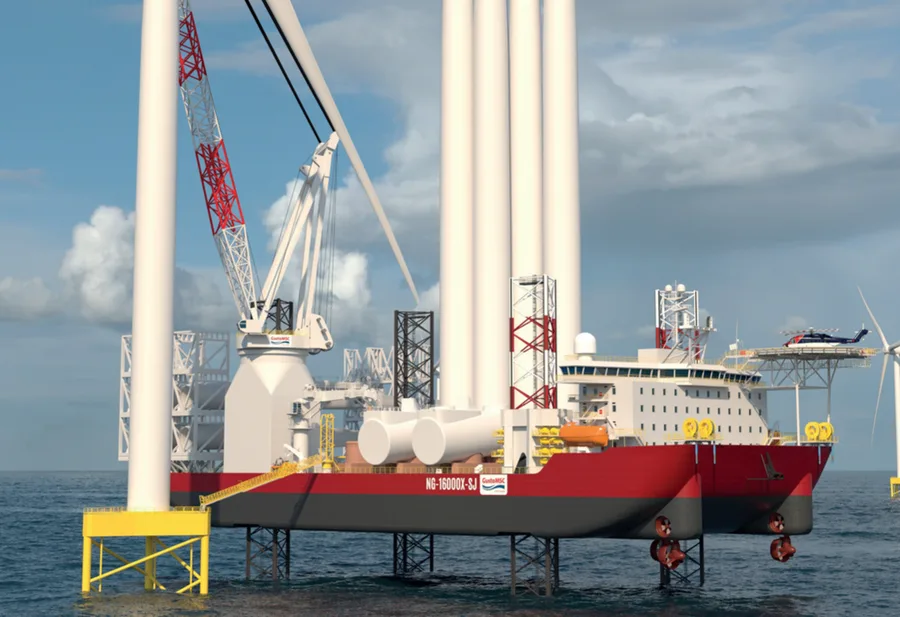
A closer look at $3.9 billion in lease buyouts suggests they are bad policy but probably irrelevant to deployment Climate headlines often nudge me toward despair. Heat waves, wildfires, and … Continue Reading Who Killed Offshore Wind?
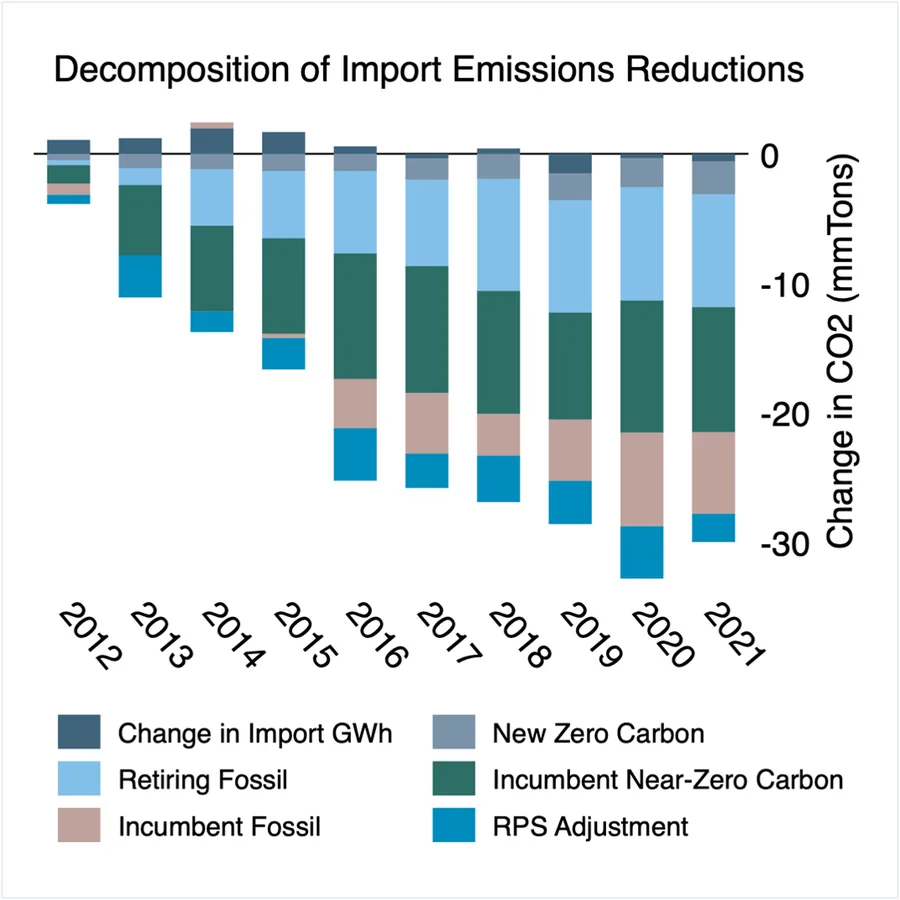
About half of the largest emissions reduction in California’s cap-and-trade program came from clean power that already existed. One of the central challenges in reducing greenhouse gas (GHG) emissions through … Continue Reading California’s Electricity Imports Are Much Cleaner. How Much of it is Real?
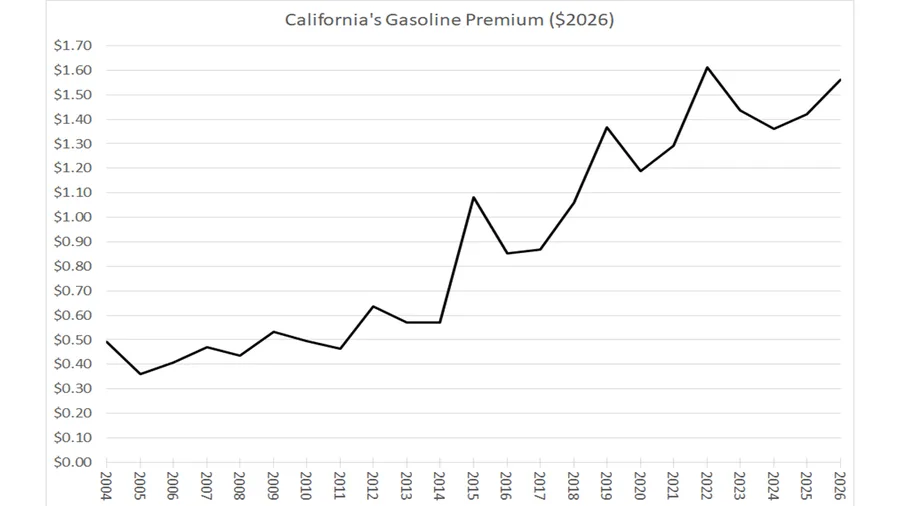
Breaking down more than two decades of the state’s gasoline price premium. The war is back on, crude oil prices are back up, and the cost of gasoline has reversed … Continue Reading Why Do Californians Pay More At the Pump?
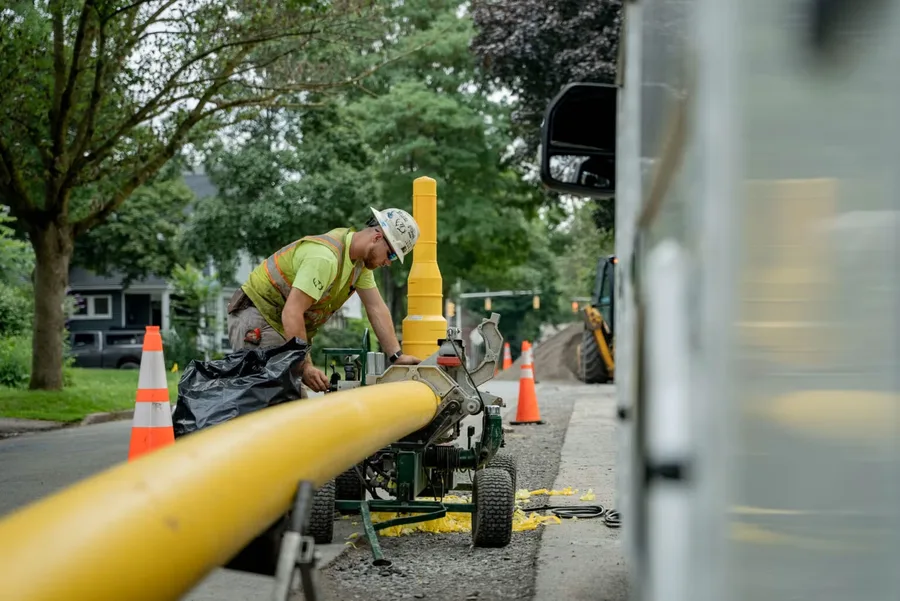
Old rules, new pipes, and a shrinking customer base. Our natural gas distribution system is aging. Chances are, there’s an aging gas main under a street near you that will … Continue Reading Why Are We Sinking Billions into a Gas System We Plan to Leave Behind?
From 2023-2025 there was a $2,000 U.S. income tax credit for heat pumps. Not anymore. The last few years were a great time to buy a heat pump. U.S. households … Continue Reading Will U.S. Households Still Buy Heat Pumps Without a Tax Credit?
New research finds no evidence of negative health impacts from wind turbines Maybe it’s because I am currently in Portugal (which is totally next door to Spain) and re-reading Don … Continue Reading Are Wind Turbines Making People Sick?
Negative energy prices reveal opportunities for markets and consumers. US consumers have experienced rising prices for most of this decade. Energy bills have climbed at an even faster rate – … Continue Reading The Curiosity of Negative Energy Prices
Supply and demand likely play an important role, but so do market expectations. When Iran closed the Strait of Hormuz in early March 2026, the media carried some pretty scary … Continue Reading Why Hasn’t the Iran War Driven Oil Prices Even Higher?
Alternative ways to see California’s record-breaking April 2026. April 2026 was an all-time record for renewables curtailment in California. 1.46 million MWhs. That’s a lot. Equivalent to 18% of all … Continue Reading Visualizing California Renewables Curtailments
Clean energy transition, Aussie rules. I’m visiting the University of Melbourne. Lucky me. During the first week of our visit, my son and I got to watch an AFL “footy” … Continue Reading Decarbonization Down Under
Even Silicon Valley EV owners mostly say no to letting the utility schedule their charging. Most of the public attention paid to electric vehicle (EV) policy has focused on getting … Continue Reading Managed EV Charging: Good Work, If Anyone Would Take It
Spiking petroleum prices from Iran’s closure of the Strait of Hormuz have infuriated politicians across the US and across the political spectrum. There is nothing state or local politicians can do about the cost of crude oil, so discussions in many states – including California – have turned to a gas tax holiday.
Supporters argue that it makes sense for California to offset the war’s impact on …
About $200 billion annually since 2007, according to a new Energy Institute working paper. The war in Iran has pushed up natural gas prices in most of the world. Liquefied … Continue Reading How Much Has Shale Gas Saved U.S. Consumers?
A new EI working paper shows that a fuel-economy incentive in Japan created spillover benefits in the US market. Japanese cars affected by the policy improved MPG in the US, leading to greater greenhouse gas reductions in the US than Japan.
Threading the needle between climate ambition and industry opposition California is trying to finalize a major redesign of its carbon market. The timing is not great. Gasoline prices are pushing … Continue Reading A Stress Test for California Carbon Pricing
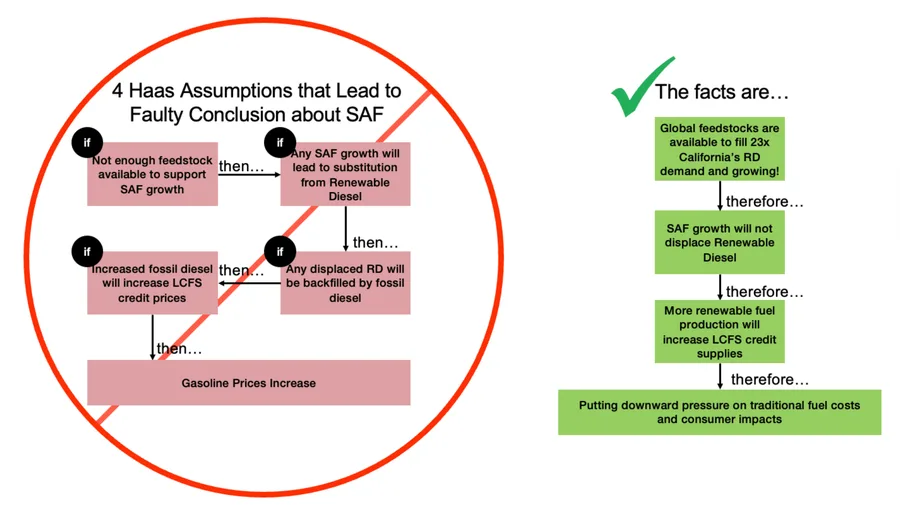
In late February, my co-authors and I blogged about a new tax credit for sustainable aviation fuel (SAF) that California Governor Gavin Newsom has proposed as a trailer bill to the 2026-27 state budget. It would allow refineries and other companies that pay diesel taxes in California to reduce their tax bill if they also produce sustainable aviation fuel.
We argued that the proposed tax credit w…
Economists overwhelmingly favor carbon taxes and cap-and-trade over environmental regulatory standards, but voters disagree. Our new research shows that simple economic misunderstandings help explain why.
Here’s a puzzle that has frustrated economists for decades: putting a price on pollution, through a pollution tax or cap-and-trade, provides the most efficient way to cut emissions. Ninety perc…
Almost-record-high diesel prices may make electric heavy duty trucks an even better deal! As you are probably not currently on a European vacation and reading this, or a truck driver … Continue Reading Diesel Is Having a Moment
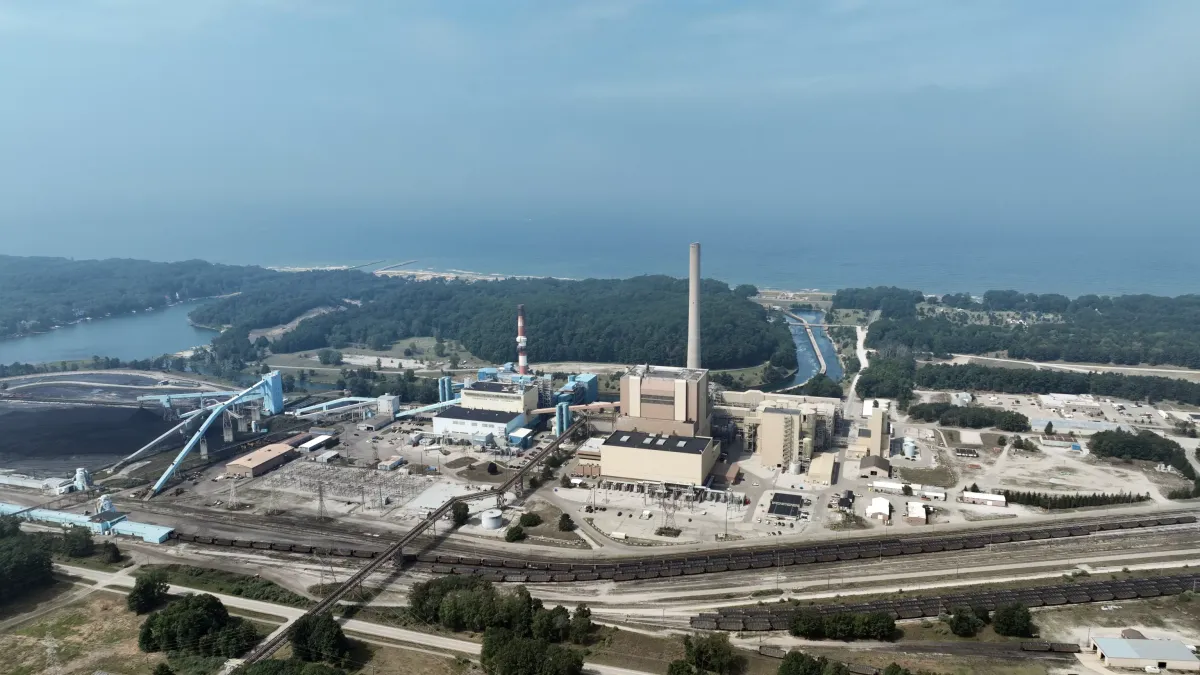
The US Department of Energy is pursuing a costly policy to preserve coal capacity. Coal is the most rapidly declining source of electricity in the United States. The black rock … Continue Reading DOE Second Guesses Coal Plant Owners
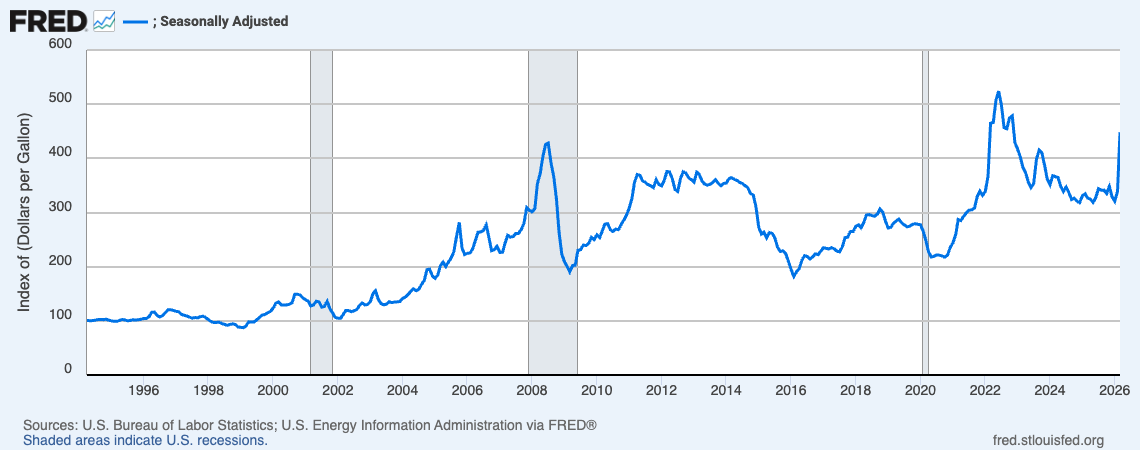
Gasoline prices are way up and diesel up even more. Natural gas prices are spiking in most of the world, but unchanged in the US. Economics helps explain why. The … Continue Reading The Energy Economics of War









 research.io