Cognitive Neuroscience Society

We are excited to announce a new CNS mentorship program. The purpose: For junior researchers, this program offers an opportunity to expand your mentoring network beyond a single advisor and seek guidance on various topics. For faculty and senior researchers, this is a chance to support the next generation of cognitive neuroscientists, contribute to a more inclusive and supportive CNS community, a…

The Journal of Cognitive Neuroscience (JoCN) is now the official journal of the Cognitive Neuroscience Society! We are excited to announce a number of new intitiatives. With the formal transfer of JoCN to CNS now complete, we are in the process of forming a Publications Committee that will oversee editorial policy at JoCN and the JoCN Discussion Forum (JoCNForum). Prominent among the responsibili…

We closed out CNS 2026 in Vancouver with another excellent poster session, followed by a whopping 6 more symposia, including on the how the brain creates language, with insights from genes, neural pathways, neuroprosthetics, and computational models. Check out some highlights the posts below. #CNS2026 It’s been an unforgettable four days in Vancouver, and we have one more day of world-class scien…

neuroimagingneuroscience

CNS 2026 Press Release VANCOUVER – March 8, 2026 – Learning French, reading the latest Andy Weir novel, hanging out with friends for St. Patrick’s Day — language is central to all these everyday activities. Seemingly effortless from childhood, language, it turns out, is quite complex, not constrained to one set of genes or one region in the brain. Cognitive neuroscientists are now using a diverse…

aicognitive-neurosciencemachine-learningneuroscience

The third day of CNS 2026 in Vancouver included 4 symposia — on topics ranging from individual fMRI as a paradigm shift for cognitive neuroscience to new approaches for real-world cognition — 2 poster sessions, a workshop on navigating difficult times, the Young Investigator Award lectures by Monica Rosenberg and Samuel McDougle, and the Fred Kavli Distinguished Career Contributions Award lecture…

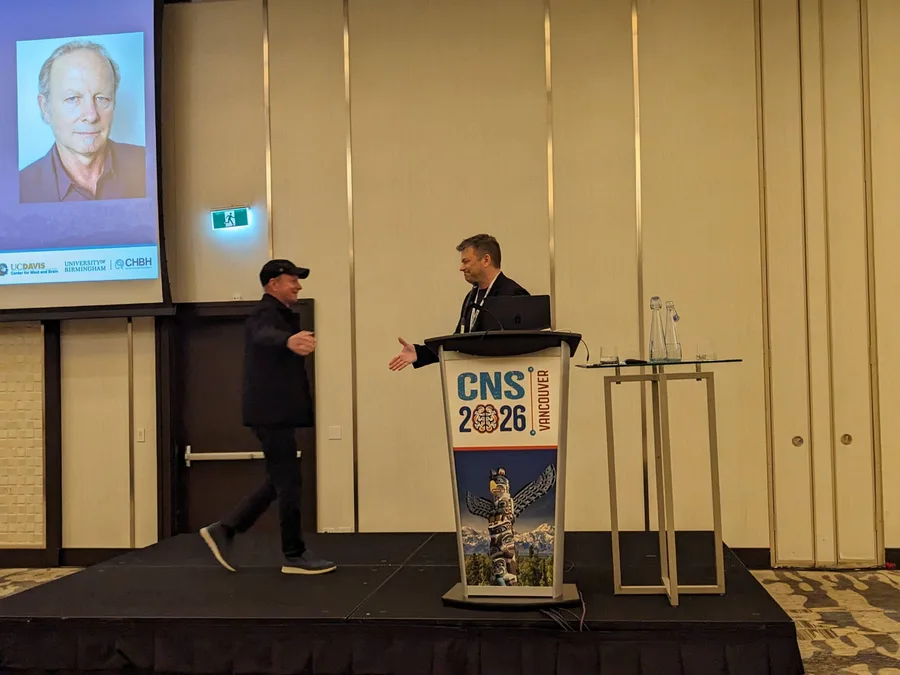
The second day of CNS 2026 was richly packed with 6 stimulating symposia — on topics ranging from the cognitive neuroscience in infants to individual factors that affect brain aging and resilience — two poster sessions, multiple practical workshops, and the George A. Miller Prize lecture by Joseph Ledoux about fusing the science of emotion with the science of consciousness. Check out some highlig…

cognitive-neuroscienceneuroscience

CNS 2026 Press Release VANCOUVER – March 8, 2026 – Age is more than just one number. While neuroscientists used to think of cognitive aging as a single trendline, they now realize that vast individual differences require a more predictive and personalized approach. As they uncover more factors that affect cognition over time, they are realizing that modeling the aging brain requires more diverse …

cognitive-neuroscienceneuroscience

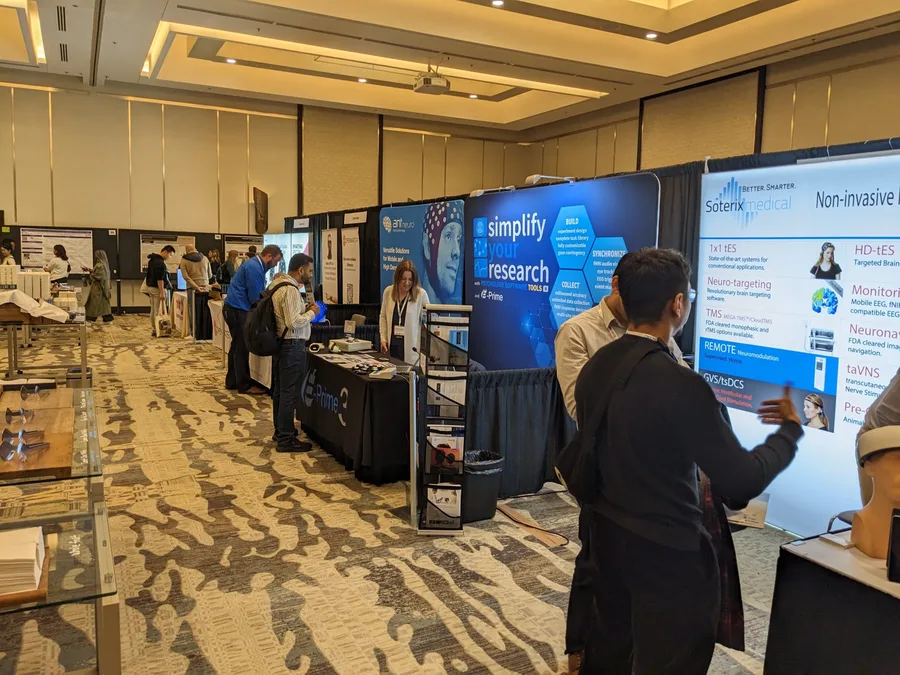
The 33rd annual meeting of the Cognitive Neuroscience Society (CNS 2026) kicked off in Vancouver with about 1,200 participants! Today’s sessions included the Data Blitz sessions, a Rising Stars session, Poster Session A, and the keynote lectur #CNS2026 Student Lounge located in BURRARD room, free snacks and drinks available! — CNS 2026 Annual Meeting (@cnsmtg.bsky.social) March 7, 2026 at 2:24 PM…

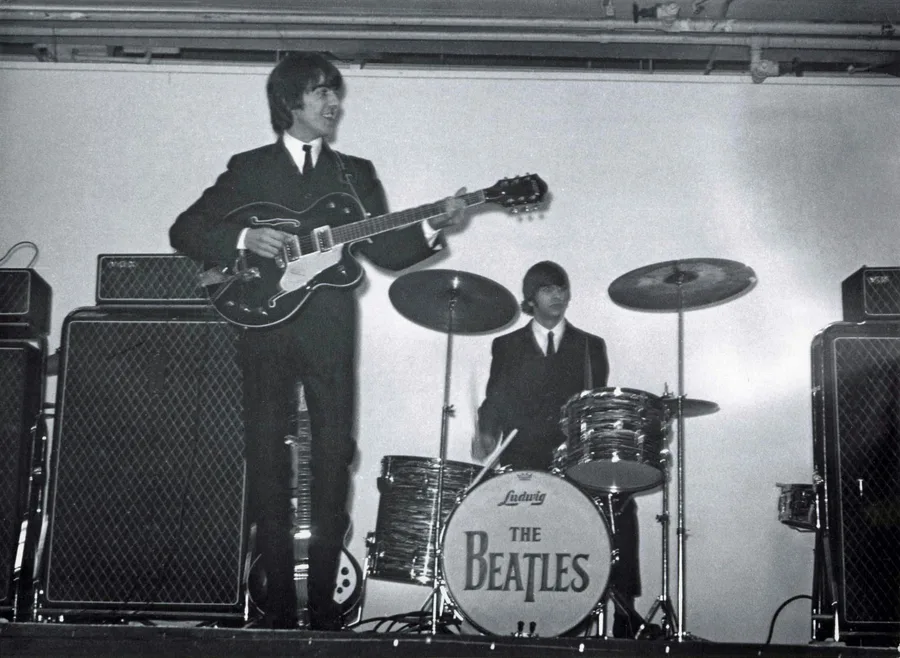
Q&A with Joseph LeDoux When asked about his career journey in cognitive neuroscience. Joseph LeDoux points to a documentary about Beatles producer George Martin. In the film, Martin says something that has always resonated with LeDoux. When asked why he thinks he was so successful in music, Martin says something like: “when I started music school, I had very little musical training, and so I alwa…

cognitive-neuroscienceemotionneuroscience

CNS 2026 Q&A with Monica Rosenberg Monica Rosenberg has been interested in the brain-mind interface before she even knew it was possible to study it professionally. In a fourth grade science fair project, she tested the effects of aging on reaction time by having people catch a ruler dropped vertically and recording how far it fell before they caught it. “I regressed a bit in fifth grade with a p…

cognitive-neuroscienceneuroscience

CNS 2026 Q&A with Samuel McDougle As a member of a Connecticut-based band, Samuel McDougle has many opportunities to display a range of motor skills on a regular basis, whether playing bluegrass fiddle, mandolin, or guitar. From his love of music has sprung a focus within cognitive neuroscience on how people learn and get better […] The post Taking Action Seriously in the Brain: Revealing the Rol…

cognitive-neuroscienceneuroscience

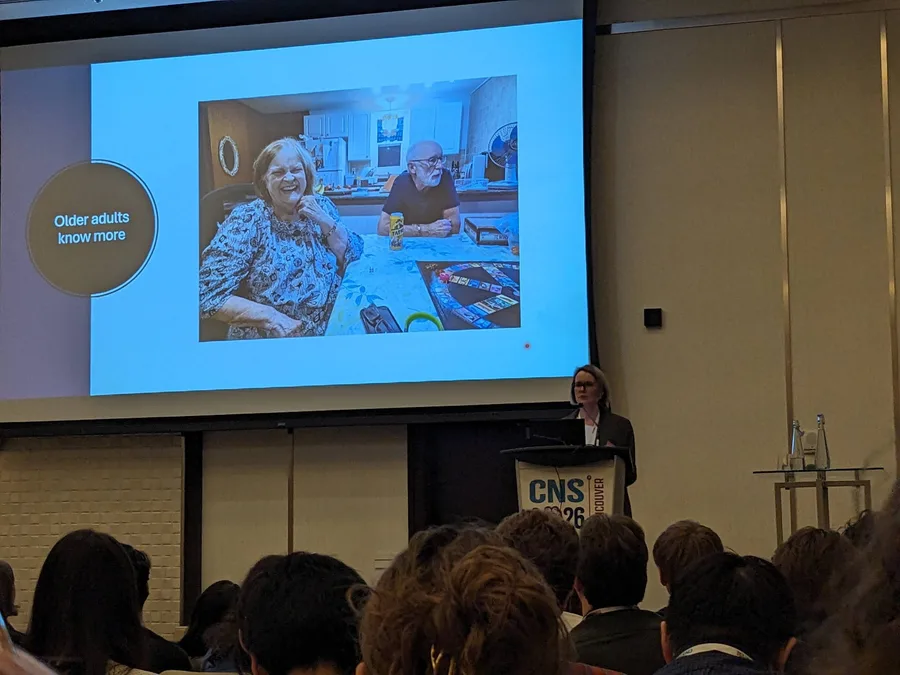
CNS 2026 Q&A with Carol Barnes When Carol Barnes turned 65 years old, she had a stunning realization: that she was now the people, 65 years and older, she had been studying for the past several decades – and – that she was “OK.”  Reflecting several years later on that moment, Barnes, director of the […] The post 50 Years of Busting Myths About Aging in the Brain appeared first on Cognitive Neuros…

CNS 2026 Q&A with Peter Hagoort From his days as an undergraduate student assistant at the Max Planck Institute for Psycholinguistics to his work now as Director of the Institute, Peter Hagoort has come full circle in his career, seeking to unlock the mechanisms of language in the brain. For more than four decades, he […] The post Making the Brain Language Ready: A Journey of Discovery appeared f…

cognitive-neuroscienceneuroscience

Just a whiff of certain smells can instantly take me back to my childhood. When I smell fresh bread or apple cake right out of the oven, for example, I remember sitting around the dinner table with my parents and sisters for the holidays. Although odors can be a powerful memory cue, they are little […] The post The Lasting Cognitive Effect of Smell on Memory appeared first on Cognitive Neuroscien…

When I was young, I remember taking apart a simple flashlight to understand how it works. It seemed to make sense that if you reduce an object down to its parts, you can then see how it all works together. But that is not always the case: some things in the world have properties that […] The post Language in the Brain is More Than the Sum of Its Parts appeared first on Cognitive Neuroscience Soci…

As the summer lawn mowers roar outside my window, I cannot help but think about how that sound is being processed in my brain. Like many people, I think about the process as quite hierarchical – with the auditory nerve in my ear registering the sound and then deciphering the volume (it’s loud), the pitch, […] The post Exploring Auditory Interconnectivity One Sound at a Time appeared first on Cogn…

School is almost out for summer in many places around the world, and as any parent or teacher knows, asking young kids about how their school day was, or even what they did for the summer, can be a challenge. Many children struggle to freely describe their day to day experiences, perhaps saying nothing at […] The post How Was Your School Day?: Unpacking Free Recall in Young Children appeared firs…

cognitive-neuroscienceneuroscience

CNS 2025 guest post by Lauren Homann (CNSTA president) As cognitive neuroscience trainees look toward the future, many are considering options beyond traditional academic pathways. With growing uncertainty around research funding, increasing academic precarity, and a shifting policy landscape, the scientific world is in flux. These challenges, while daunting, also invite a reevaluation of what [……

cognitive-neuroscienceneuroscience

We closed out CNS 2025 in Boston with another excellent poster session, followed by a whopping 6 more symposia, including on the use of VR in understanding and diagnosing Alzheimer’s and a discussion of 100 years of EEG. Check out some highlights in photos and posts below. @bostonu.bsky.social Brain Plasticity & Neuroimaging Lab in attendance […] The post CNS 2025: Day 4 Highlights appeared first…

CNS 2025 Press Release BOSTON – April 1, 2025 – Most people donning virtual reality (VR) goggles are seeking the thrill of being immersed in a fictitious video game world. But some are donning them for an entirely different experience: to help researchers identify those most at risk of developing Alzheimer’s disease.  “We know that […] The post How VR Technology is Changing the Game for Alzheimer…

clinical-neuroscienceneuroscience
research.ioresearch.io

Sign up to keep scrolling

Create your feed subscriptions, save articles, keep scrolling.

Already have an account?