String Theory is considered a strong candidate for a “Theory of Everything” because it tries to explain all particles and forces, including gravity, using one basic idea: tiny vibrating strings. Different vibrations create different particles, and the theory naturally includes gravity, which is something current quantum theories struggle to do. Scientists also like string theory because its mathe…
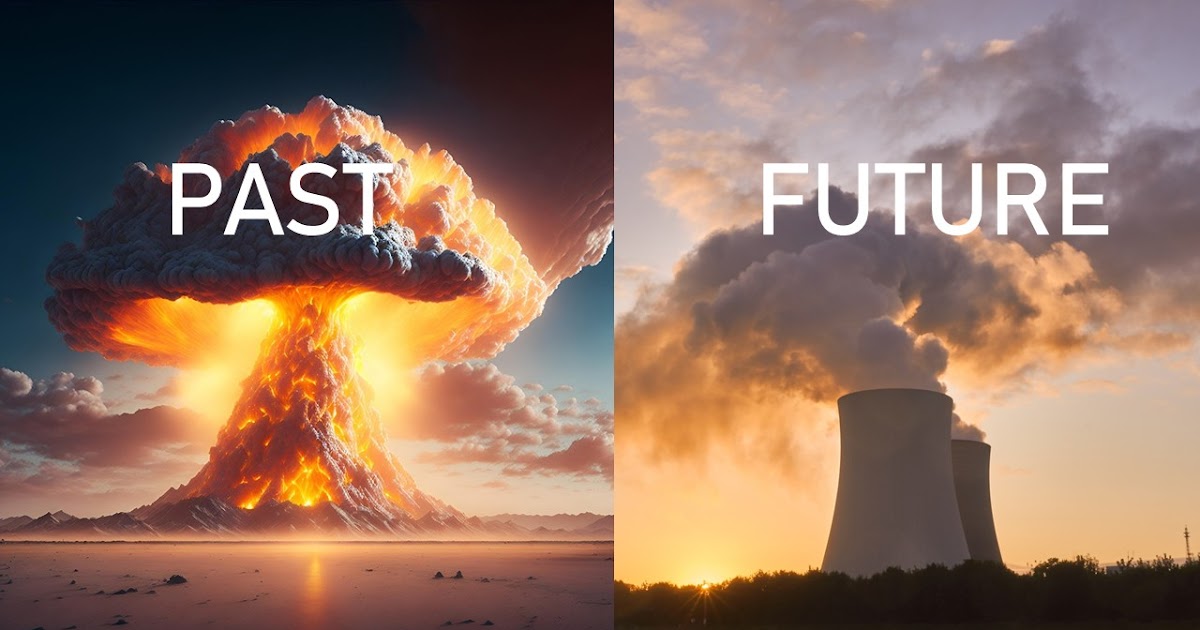
Albert Einstein had foreseen that nuclear energy would secure the energy needs of the world, or that it could be quite dangerous. In 1939, Einstein and other scientists wrote a famous letter to Franklin D. Roosevelt explaining that a nuclear chain reaction in uranium could release vast amounts of power and might soon become possible. We have now moved on from the gloomy days of the Manhattan Proj…
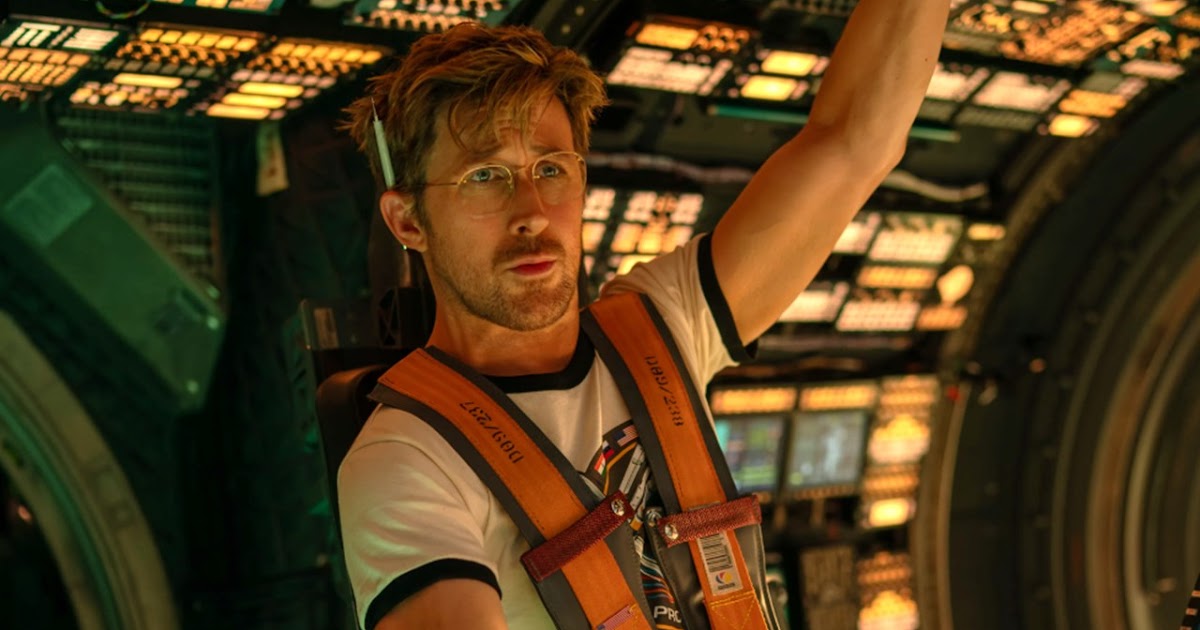
Normally, one expects a science fiction movie to be intellectually demanding, "serious" and weirdly confusing. But Ryan Gosling starrer Project Hail Mary is something pleasantly different... it is a treat for everyone, not just Sheldon Cooper like science nerds. Like a breath of fresh air, Project Hail Mary successfully manages to make science feel like a fun, and thrilling survival experience. T…
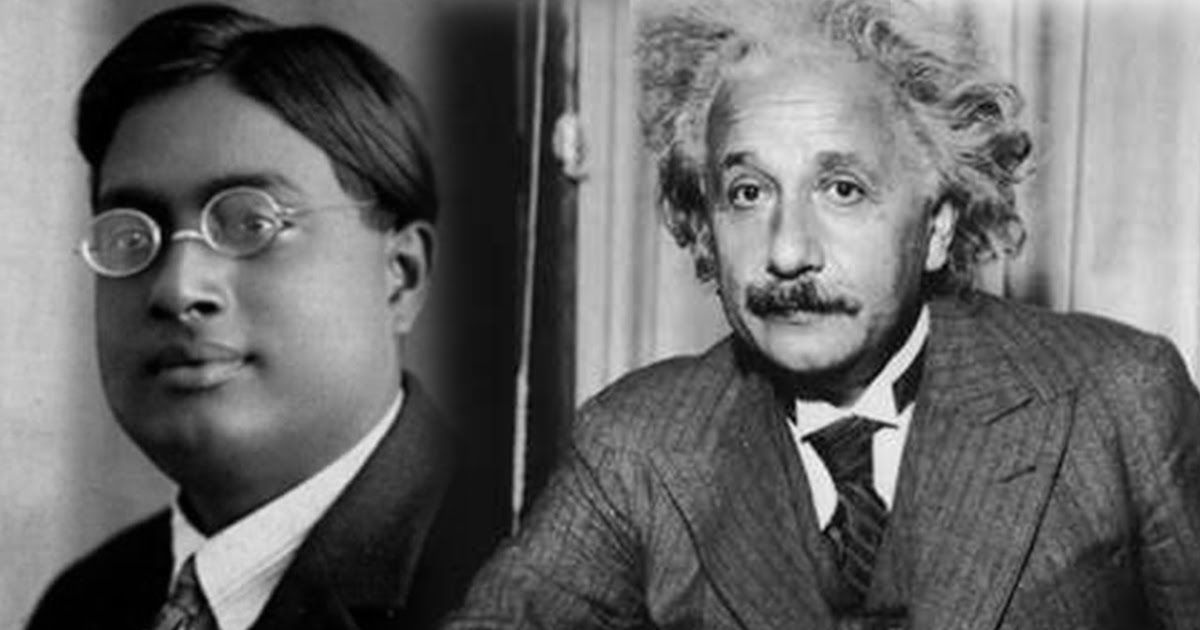
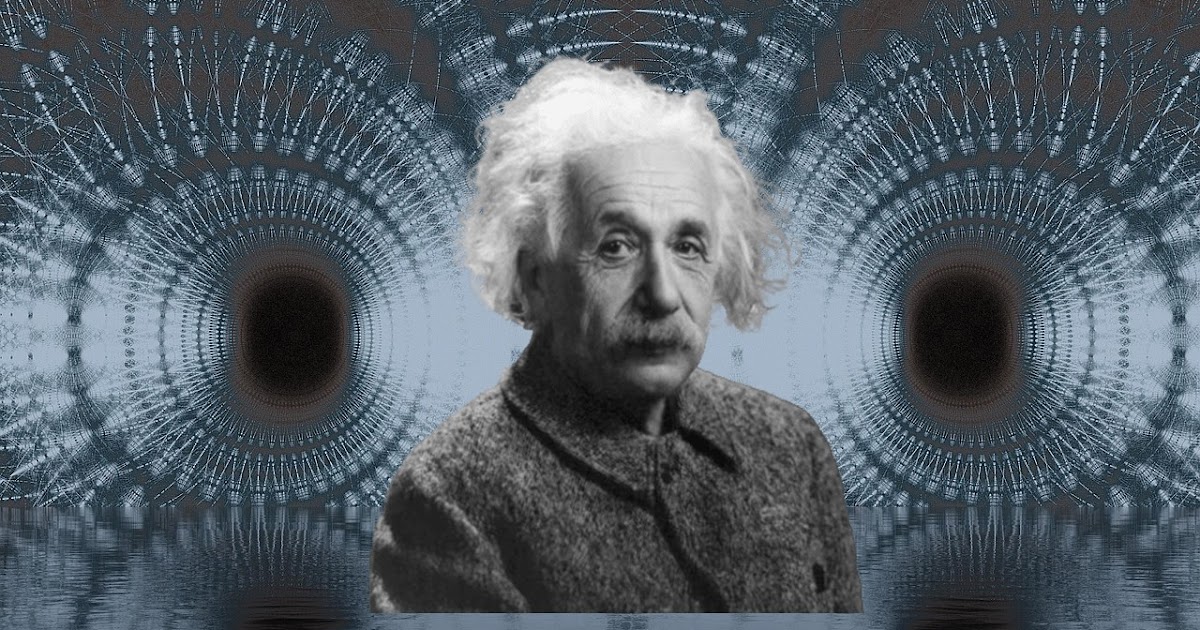
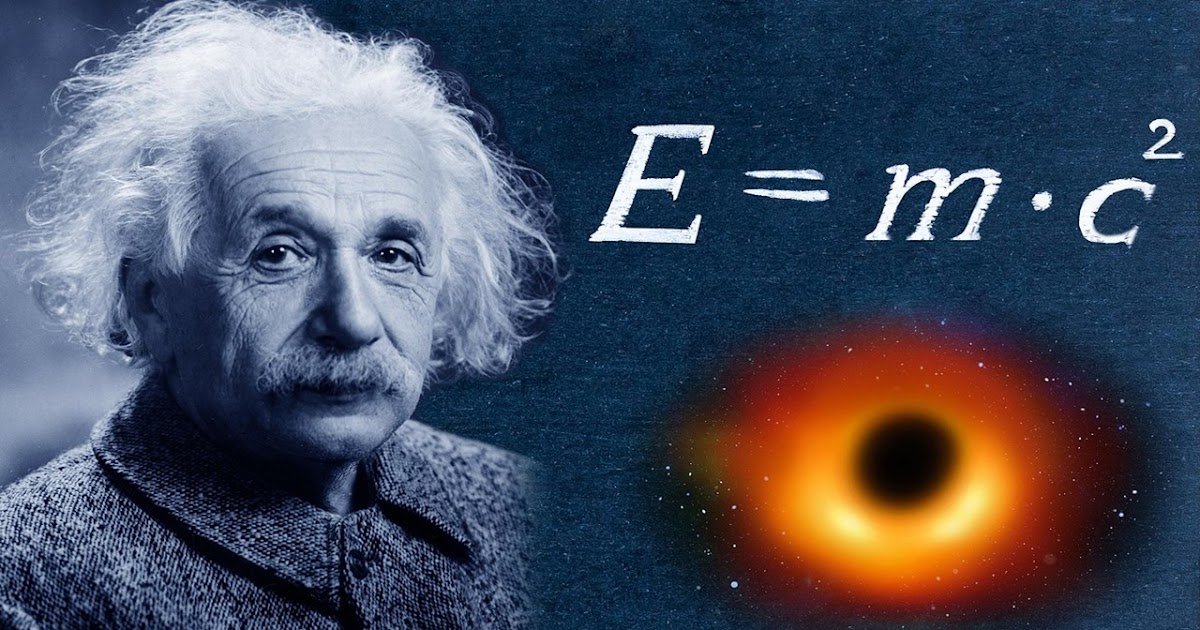
Albert Einstein is widely regarded as the greatest physicist of all time. Einstein won the Nobel Prize in 1921 for explaining the photoelectric effect - using Planck's quantum theory. But many argue (rightly) that he deserved a few more Nobel Prizes for works such as relativity, Bose Einstein condensate, etc. However, there were times when even the genius of Einstein failed to comprehend the comp…
1. Despite giving his name to Boson and Bose-Einstein statistics, he never won a Nobel Prize, which is one of the biggest ironies in science history. 2. An impressed Albert Einstein personally translated Bose’s 1924 paper into German and submitted it for publication, leading to the discovery of Bose Einstein condensate. 3. Bose was a brilliant student throughout his academic career. He ranked fir…
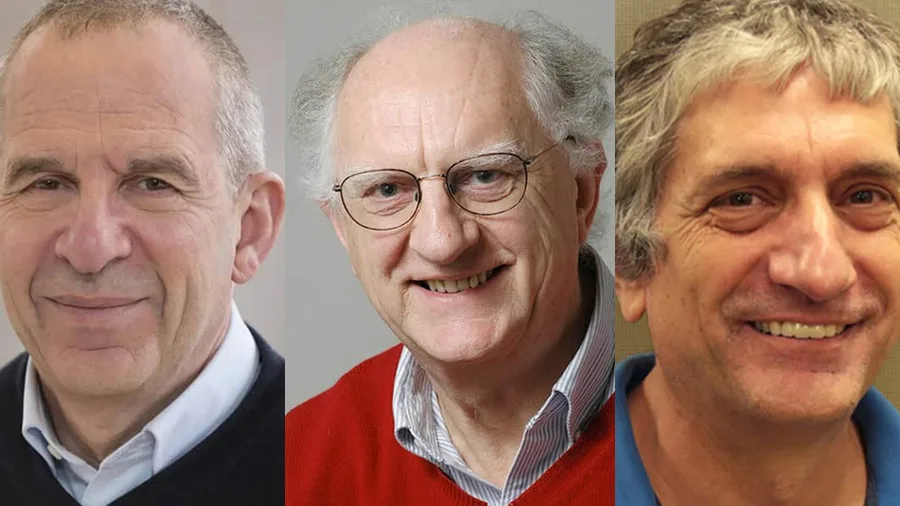
The 2025 Nobel Prize in Physics has been announced to 3 scientists from different nations, whose work has pushed quantum mechanics from a highly conceptual realm to physical devices you can actually hold. The winners are Michel Devoret (France), John Clarke (UK) and John M. Martins (USA). Their experiments in the 1980s have bridged theory and engineering, paving the way for tomorrow’s quantum tec…
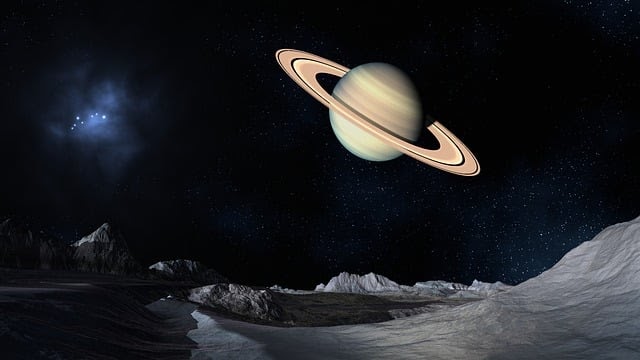
Discovery of Organic Molecules Scientists recently confirmed the presence of complex organic molecules in the icy plumes of Enceladus, the sixth largest moon of Saturn. These molecules, some of which are considered precursors to amino acids, the harbingers of life, were detected in ice particles ejected from fissures near the moon’s south pole. This suggests that the moon has the chemical ingredi…
The most remarkable discovery in all of astronomy is that the stars are made of atoms of the same kind as those on the earth: Richard Feynman . Water makes up nearly 70% of human body by weight. The components - hydrogen is the most abundant element in the universe and oxygen was forged in the interiors of collapsing stars. While the body is this or that many years old the components are nearly a…
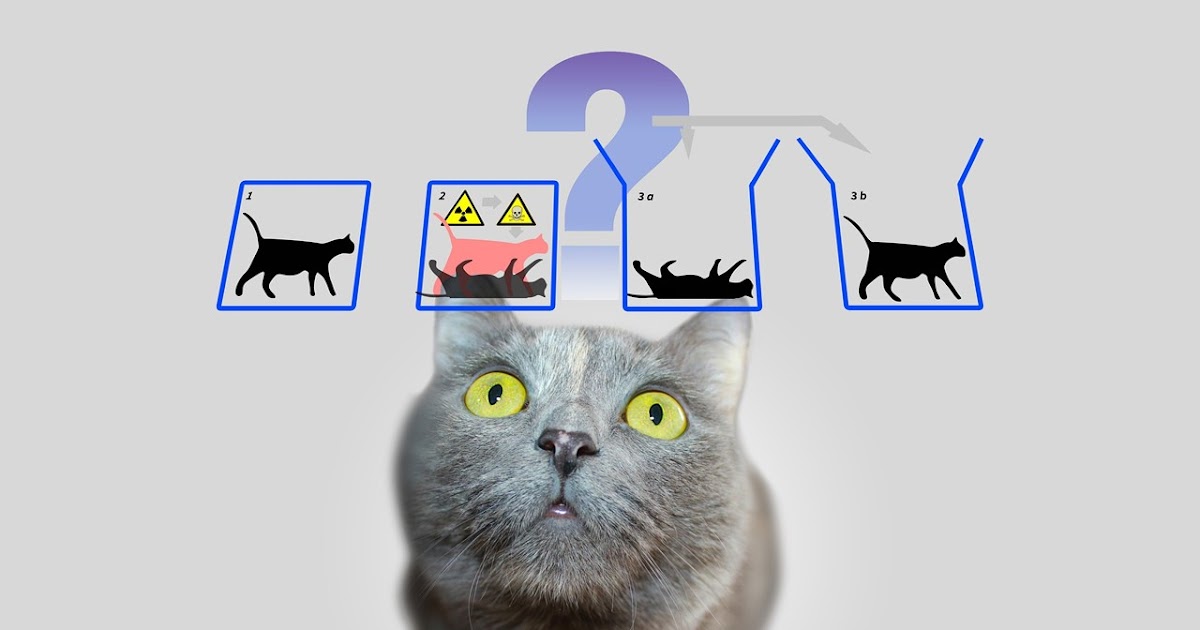
1. Quantum physics means everything is random While uncertainty principle by Werner Heisenberg plays a key role in the field of quantum mechanics, the ability to predict other aspects of the atomic world, and that too with a great degree of accuracy is astounding. In other words, the quantum world is chaotic, mostly probabilistic, but not entirely driven by chance. 2. Quantum physics cannot be vi…
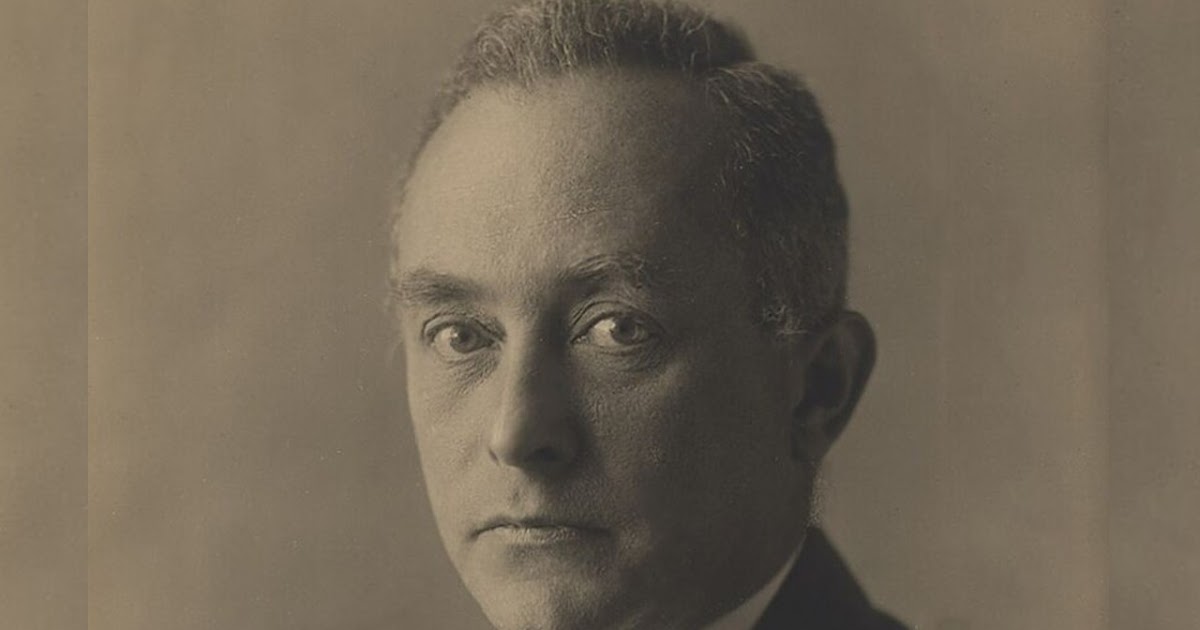
Max Born (1882 - 1970) was a German British physicist and mathematician who was one of the pioneers in quantum mechanics. Born was also a great teacher and was doctoral advisor to physicists like Robert Oppenheimer and Maria Goeppert Mayer . Born's work involving wave function is cool because it shows how the universe can be unpredictable and mysterious at its smallest scales, yet we can still ma…
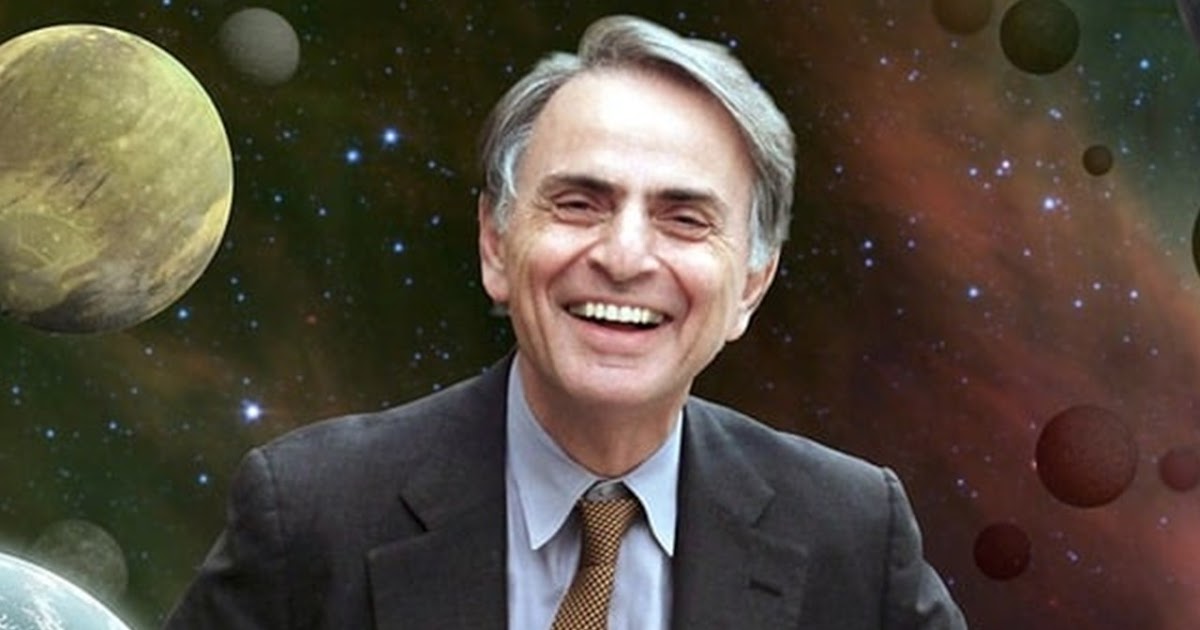
Carl Sagan was an American astronomer who actively campaigned against nuclear weapons and pointed out the potential dangers, like a nuclear winter. Given that Israel and Iran are at war, while Russia and Ukraine have been going at it since years now, it is important for politicians to set aside their egos and read this wonderful, humanizing speech by Carl Sagan. Background The Pale Blue Dot is an…
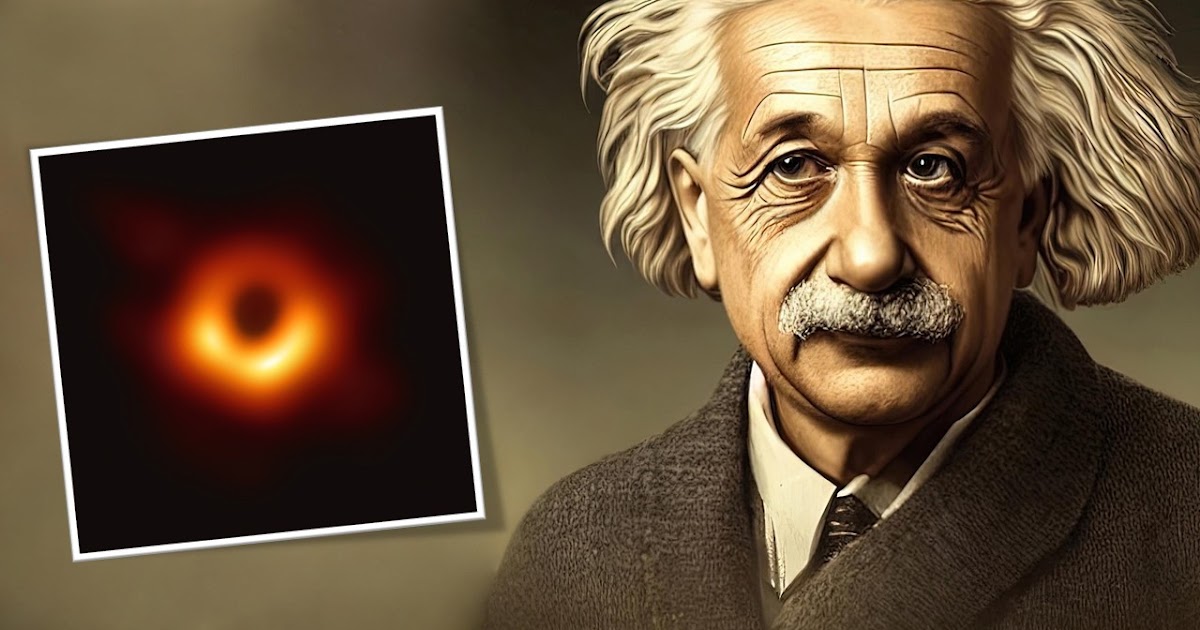
Just like there are clever shortcuts on Earth to beat the traffic, what if there were "shortcuts in space" to bypass the enormous distances in the universe? That’s basically what a wormhole is - a theoretical tunnel through space and time. Wormhole history Technically, a wormhole is called Einstein-Rosen bridge. The concept began with Albert Einstein and Nathan Rosen in 1935. They discovered that…
Nowadays, courtesy of early monsoon in Delhi, snails big and small, fast and slow, greeted the lawns of India Habitat Center one evening. In some cultures, observation of snails in abundance represents slow but steady progress and good luck. Furthermore, snails are also bio monitors and indicate the quality of environment - temperature, pollution, etc. What I was more fascinated by was the physic…
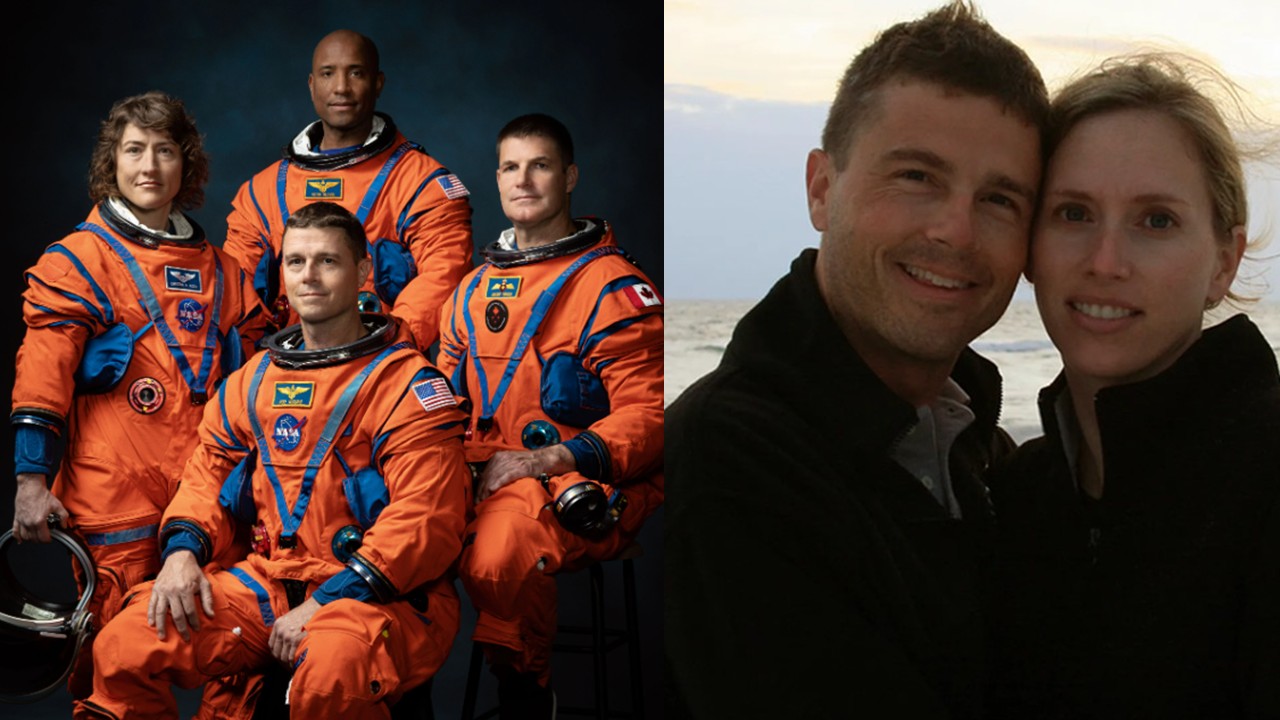
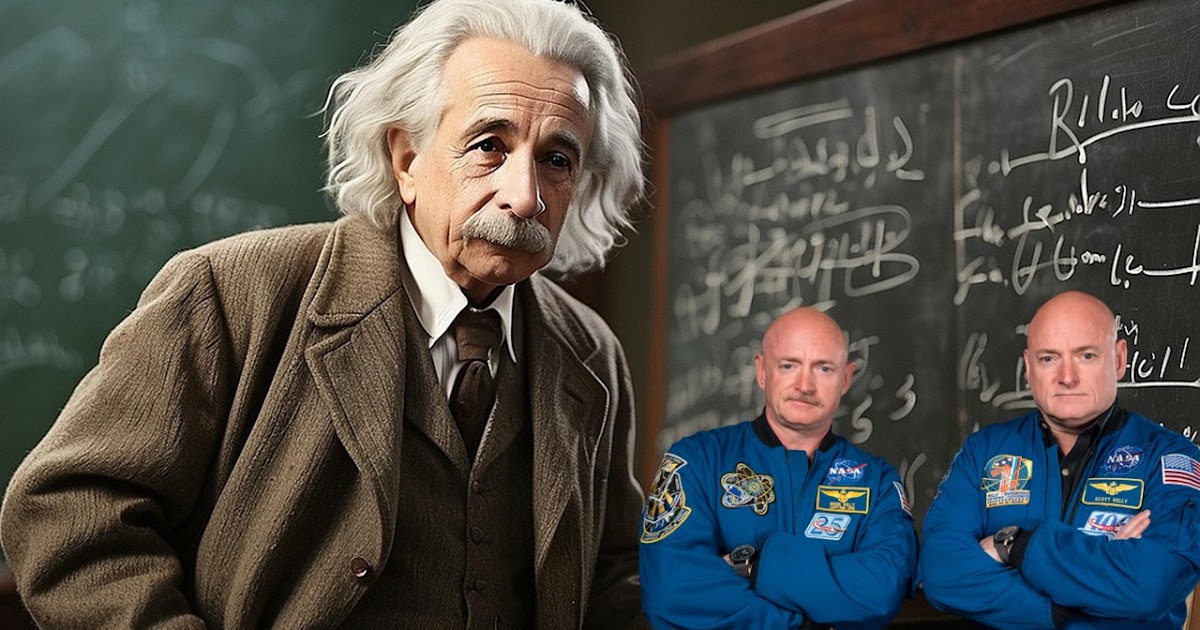
Did you know that NASA conducted a study of the effects of spaceflight on twins. This was done to test Einstein's famous twin paradox experiment which is a result of relativity. Identical twins Scott Kelly and Mark Kelly were chosen and while Mark stayed on Earth, Scott spent a year aboard the international space station. You can read the results here . What exactly is twin paradox? Let us unders…
India and Pakistan were recently involved in fresh tensions resulting in military actions by both countries. World leaders called for maintaining peace as any further escalation could potentially lead to a nuclear war in south Asia. What impacts would a hypothetical nuclear war between India and Pakistan have on the world? Let us explore the physics behind the potential consequences of nuclear wa…
Science without religion is lame and religion without science is blind. This popular quote of Albert Einstein has been repeatedly used, particularly in science versus religion debates. But from this statement alone can one say that Einstein was arguing for religion? A large number of believers definitely think so, referring to this adage and thus claiming the greatest scientist of the 20th centur…
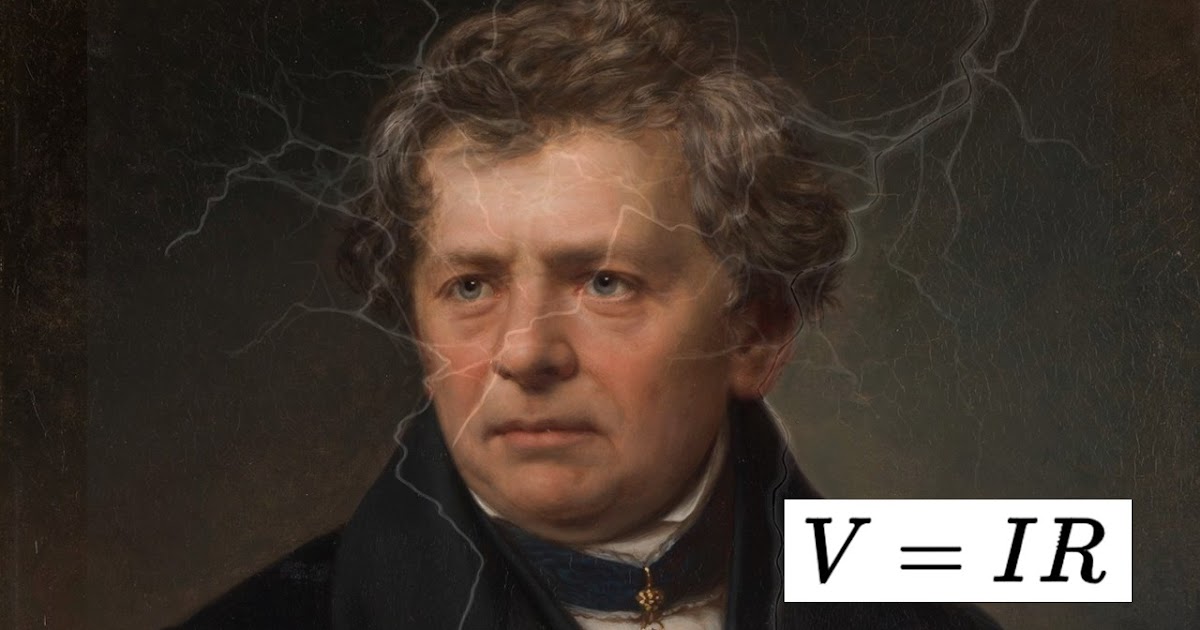
Georg Simon Ohm was a German mathematician and physicist who discovered notably one of the most important laws in physics and engineering. Ohm's law is on every high school student's lips like A,B,C and that is what makes it so great - its simplicity and fundamental nature, qualities which make Ohm's law easily memorable. V = IR where, V = voltage I = current R = resistance Pretty neat, isn't it?…
The knowledge of physics has resulted in a wide range of technological applications. Steam engine, for example, the first great industrial invention, arose from the discipline of thermodynamics, at the very start of eighteenth century. Within just a few decades, steam engines were being used in all sorts of applications including factories, mines, locomotives, and boats. Of course, the progress r…
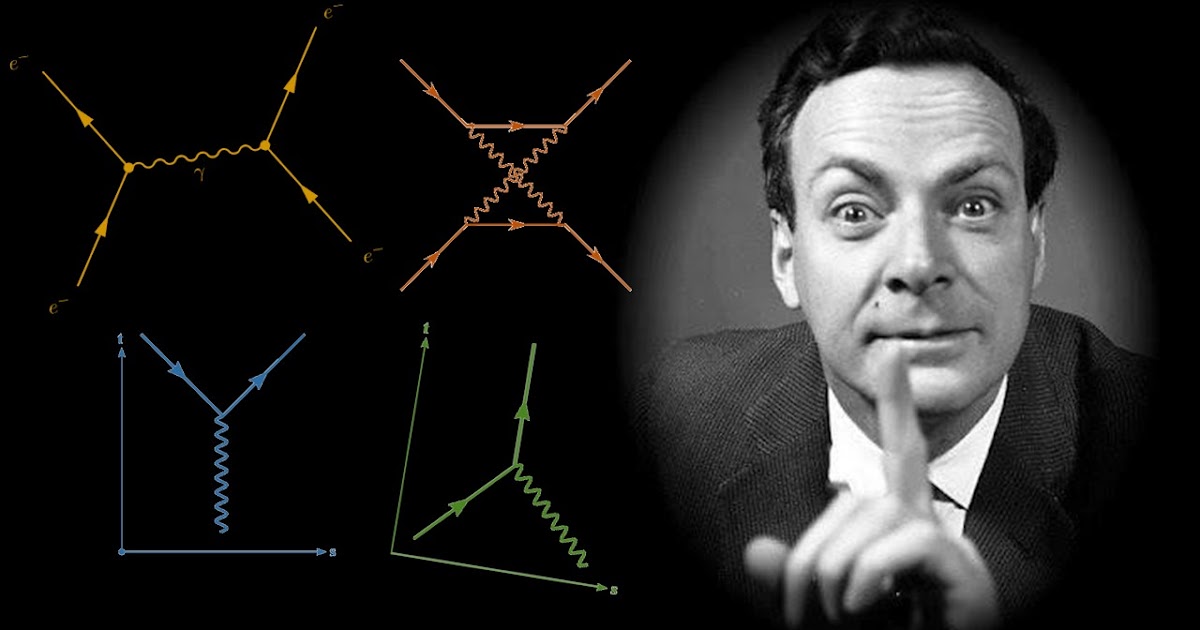
Richard Feynman , a Nobel prize winning physicist, was best known for being a playful thinker. Feynman was a charismatic scientist whose ideas seemed radical at the time, but became mainstream later on. One such idea was Feynman diagrams, introduced in 1948, which is now essential to quantum mechanics. Prior to Feynman diagrams, physicists generally relied on rigorous mathematical methods to desc…



 research.io