Cognitive Science Society

Welcome to CogSci Unpacked, an exciting blog series dedicated to summarizing academic papers from the Cognitive Science, a CSS Journal. Our goal is to bridge the gap between academia and the broader public, fostering a better understanding of cognitive science and making it accessible and relatable to all. If you’re curious to dive even deeper, we […] The post Why do we gesture when nobody can se…

cognitive-psychologypsychology

Sponsor & exhibitor The Annual Meeting of the Cognitive Science Society is the world’s premiere annual conference for the interdisciplinary study of cognition. Cognitive Science draws on a broad spectrum of disciplines, topics, and methodologies, in addition to the full breadth and diversity of research topics offered by the society’s membership. Submissions will report on work involving any appr…

Roger N. Shepard, Professor of Psychology at Stanford University, is a particularly appropriate recipient for a prize dedicated to the “Theoretical Foundations of Human Cognition”. Throughout his research career, Roger Shepard has been searching for theoretical foundations of a science of the mind. His work attempts to specify such foundations in the form of universal laws formulated in an explic…

cognitive-psychologypsychology

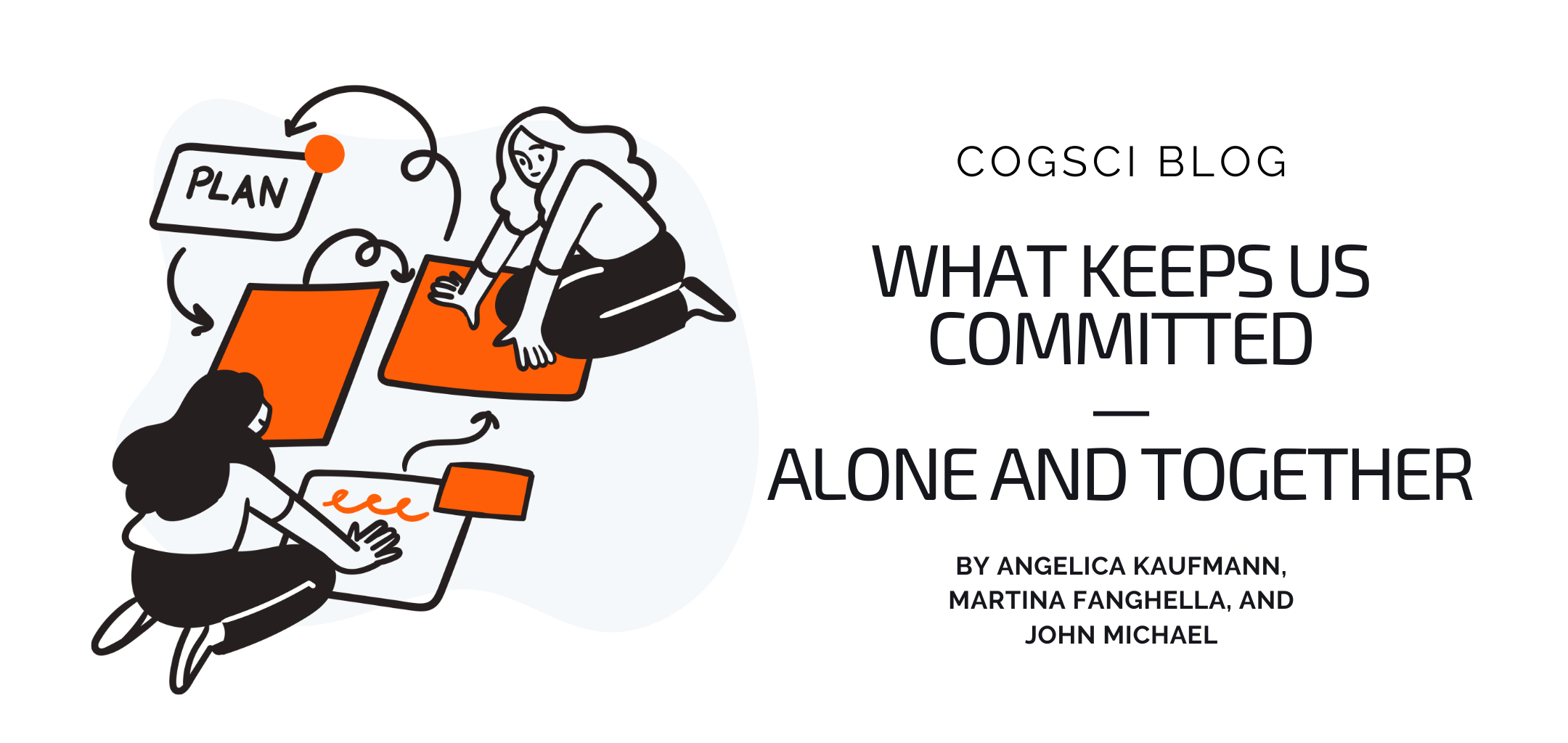
Welcome to CogSci Unpacked, an exciting blog series dedicated to summarizing academic papers from the Cognitive Science, a CSS Journal. Our goal is to bridge the gap between academia and the broader public, fostering a better understanding of cognitive science and making it accessible and relatable to all. If you’re curious to dive even deeper, we […] The post What Keeps Us Committed—Alone and To…

CSS Blog Team
9/22/2025

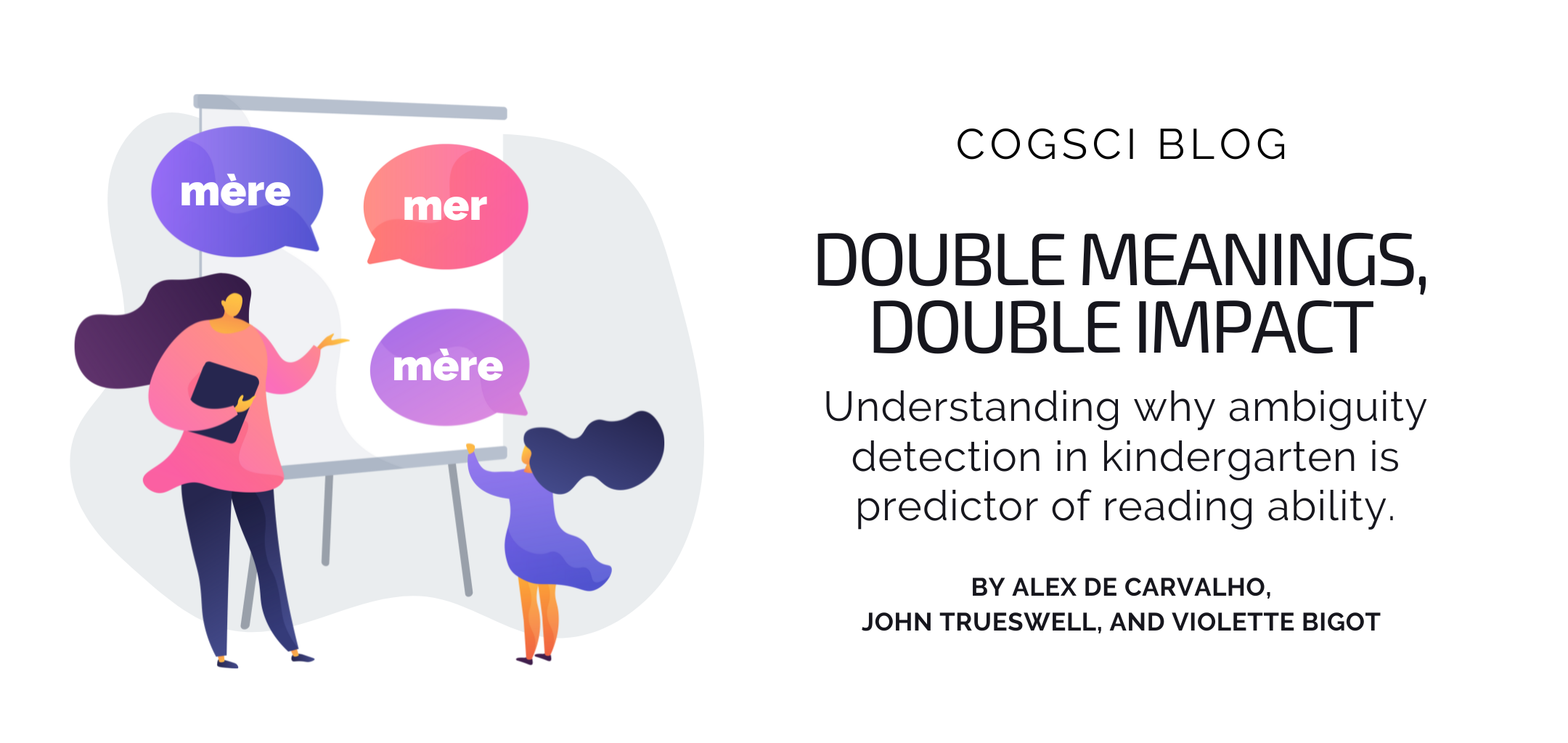
Welcome to CogSci Unpacked, an exciting blog series dedicated to summarizing academic papers from the Cognitive Science, a CSS Journal. Our goal is to bridge the gap between academia and the broader public, fostering a better understanding of cognitive science and making it accessible and relatable to all. If you’re curious to dive even deeper, we […] The post Double Meanings, Double Impact appea…

cognitive-psychologypsychology

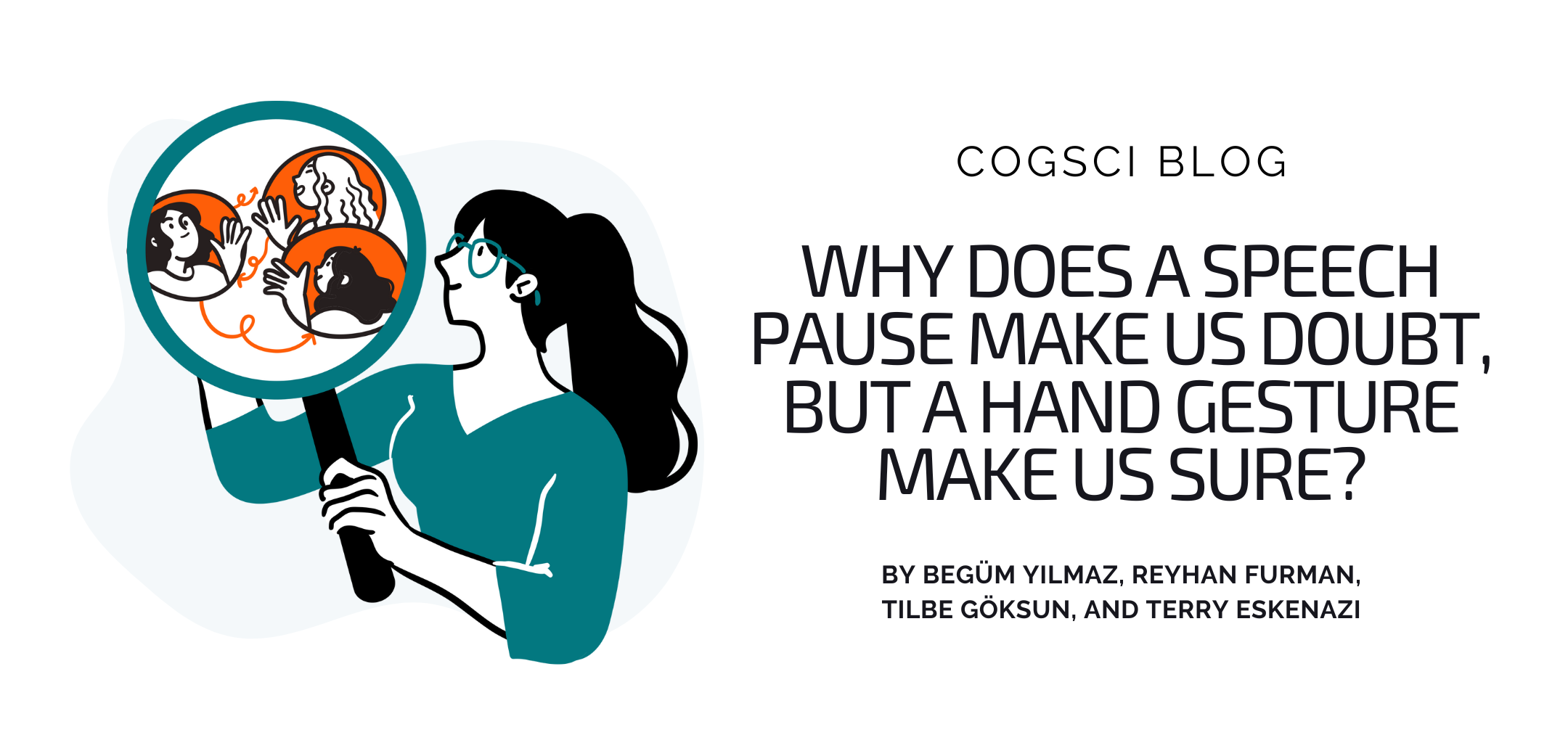
Welcome to CogSci Unpacked, an exciting blog series dedicated to summarizing academic papers from the Cognitive Science, a CSS Journal. Our goal is to bridge the gap between academia and the broader public, fostering a better understanding of cognitive science and making it accessible and relatable to all. If you’re curious to dive even deeper, we […] The post Why does a speech pause make us doub…

cognitive-psychologypsychology

With rapid advances in technology, artificial intelligence, machine learning, neuroimaging, and big data, it’s clear that the future depends on building a stronger, more continuous loop between science and application. These leaps in tech development call for an ongoing dialogue: research shapes real-world solutions, and real-world challenges, in turn, fuel new scientific insights. Rooted in […] …

aimachine-learningneuroimagingneuroscience
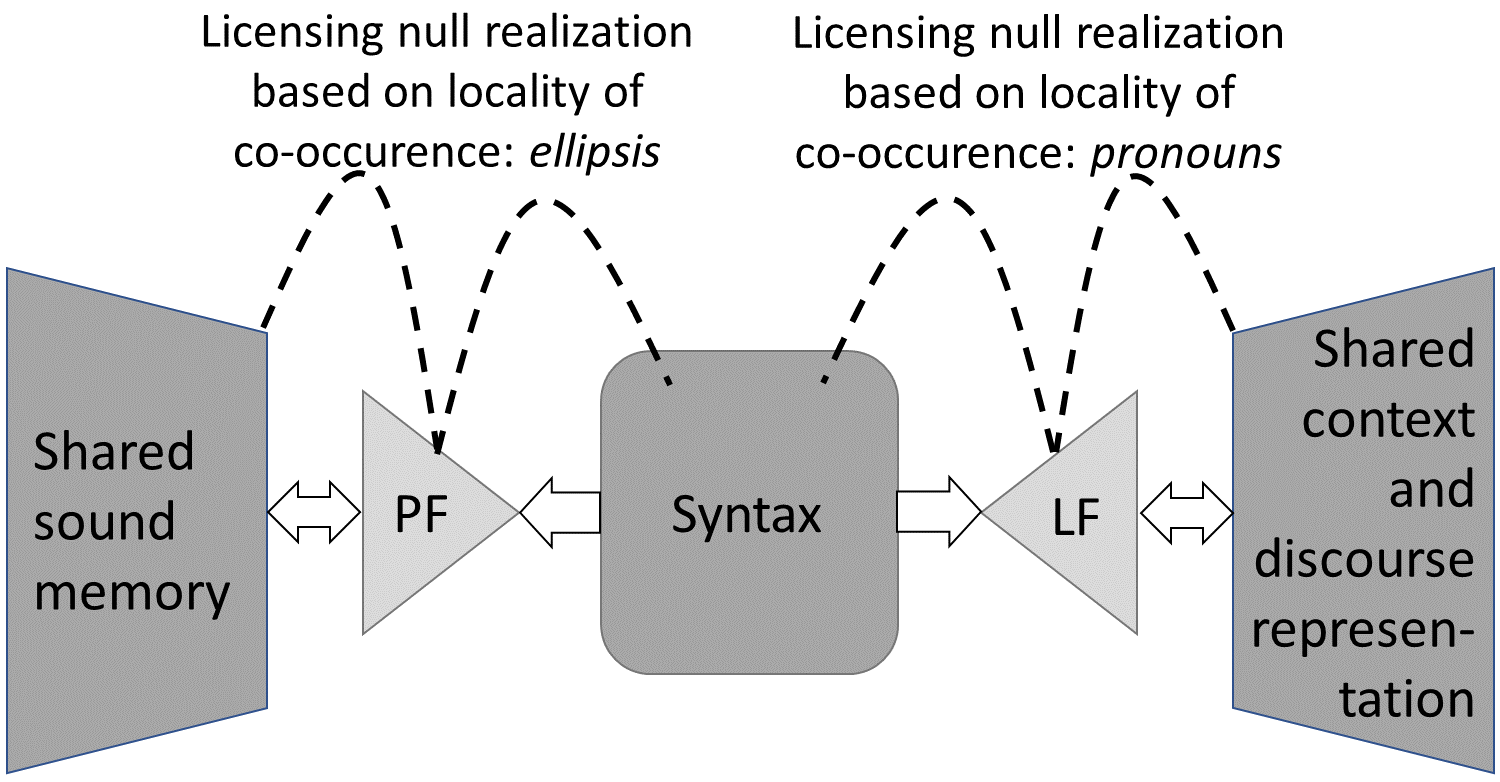
There has been a global paradigm shift in cognitive science away from rule-based, symbolic architectures of the past century towards stochastic, often Bayesian, or connectionist models of human cognition. Theories explicating natural language grammar focused on rules of combination and interpretation of signs, i.e., pairs of linguistic forms (sounds) and meanings, would postulate symbolic grammar…

aigenerative-ai

The Cognitive Science Society and the Glushko-Samuelson Foundation would like to honor the next generation of cognitive scientists by highlighting this year’s winners of the Robert J. Glushko dissertation prizes in Cognitive Science. Each year, researchers across many universities are selected for Robert J. Glushko awards for academic excellence in Cognitive Science. The purpose of […] The post 2…

cognitive-psychologypsychology

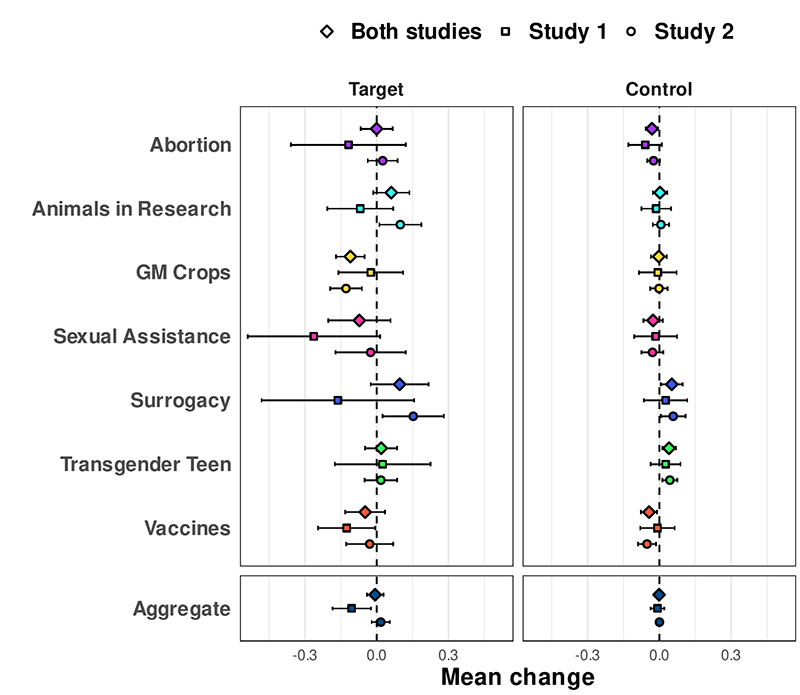
Welcome to CogSci Unpacked, an exciting blog series dedicated to summarizing academic papers from the Cognitive Science, a CSS Journal. Our goal is to bridge the gap between academia and the broader public, fostering a better understanding of cognitive science and making it accessible and relatable to all. If you’re curious to dive even deeper, we […] The post Consequences and Convictions: Testin…

cognitive-psychologyethicspsychology

The Golden Goose Award celebrates individuals or teams whose federally funded research has led to significant scientific breakthroughs and societal impact. This year, cognitive scientists David Rumelhart, James McClelland, and Geoffrey Hinton have been recognized for their pioneering work on the Parallel Distributed Processing (PDP) framework during the late 1970s and early 1980s. The award […] T…

cognitive-neuroscienceneuroscience

Welcome to CogSci Unpacked, an exciting blog series dedicated to summarizing academic papers from the Cognitive Science, a CSS Journal. Our goal is to bridge the gap between academia and the broader public, fostering a better understanding of cognitive science and making it accessible and relatable to all. If you’re curious to dive even deeper, we […] The post Unveiling structure in dance: How ou…

cognitive-psychologypsychology
CSS Blog Team
7/12/2024

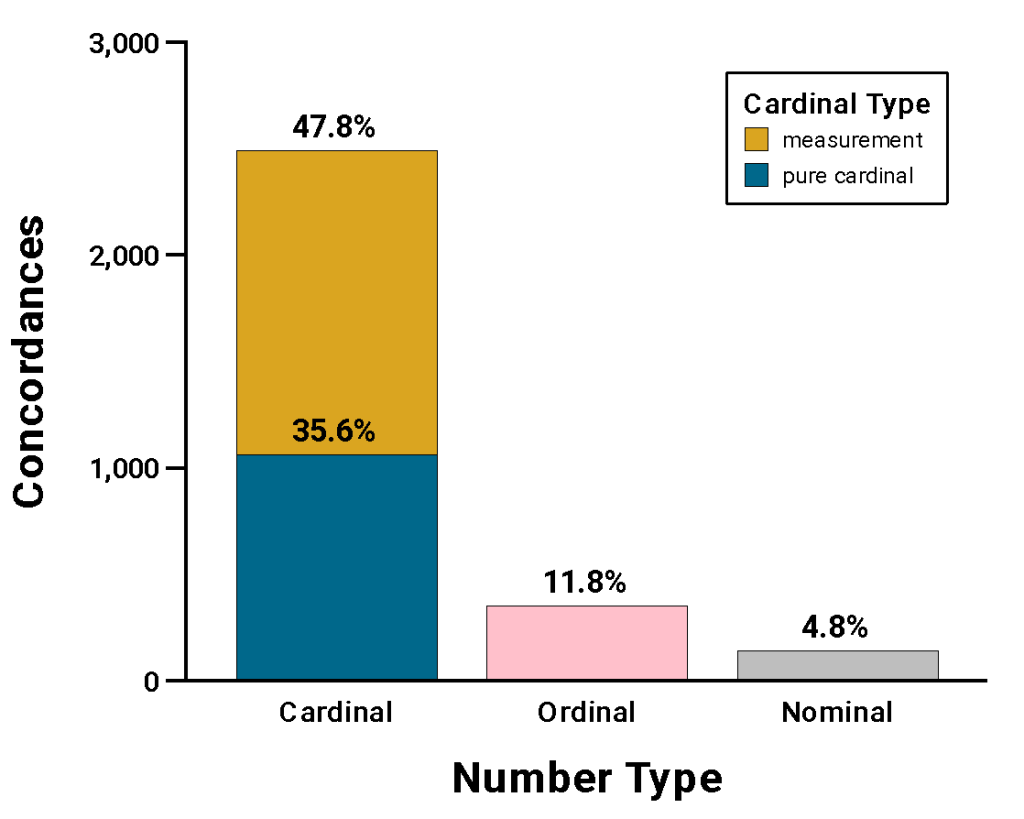
Welcome to CogSci Unpacked, an exciting blog series dedicated to summarizing academic papers from the Cognitive Science, a CSS Journal. Our goal is to bridge the gap between academia and the broader public, fostering a better understanding of cognitive science and making it accessible and relatable to all. If you’re curious to dive even deeper, we […] The post How we use numbers appeared first on…

cognitive-psychologypsychology

Welcome to CogSci Unpacked, an exciting blog series dedicated to summarizing academic papers from the Cognitive Science, a CSS Journal. Our goal is to bridge the gap between academia and the broader public, fostering a better understanding of cognitive science and making it accessible and relatable to all. If you’re curious to dive even deeper, we […] The post How do we decide if someone is a goo…

cognitive-psychologypsychology

The Cognitive Science Society and the Glushko-Samuelson Foundation would like to honor the next generation of cognitive scientists by highlighting this year’s winners of the Robert J. Glushko dissertation prizes in Cognitive Science. Each year, researchers across many universities are selected for Robert J. Glushko awards for academic excellence in Cognitive Science. The purpose of […] The post 2…

CSS Blog Team
12/5/2023

Welcome to CogSci Unpacked, an exciting new blog series dedicated to summarizing academic papers from the Cognitive Science, a CSS Journal. Our goal is to bridge the gap between academia and the broader public, fostering a better understanding of cognitive science and making it accessible and relatable to all. If you’re curious to dive even deeper, […] The post How to tell a dualist? appeared fir…

cognitive-psychologypsychology
CSS Blog Team
10/1/2023

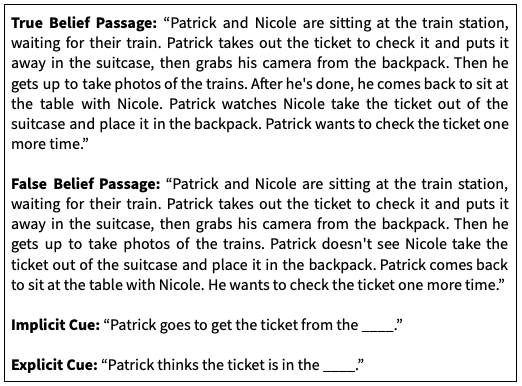
Welcome to CogSci Unpacked, an exciting new blog series dedicated to summarizing academic papers from the Cognitive Science, a CSS Journal. Our goal is to bridge the gap between academia and the broader public, fostering a better understanding of cognitive science and making it accessible and relatable to all. If you’re curious to dive even deeper, […] The post Does GPT-3 have a Theory of Mind? a…

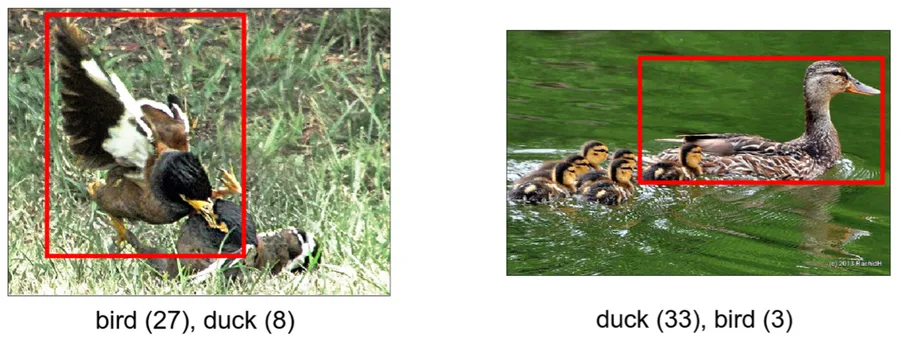
How do we name things? Why is this question interesting? Let’s make an experiment. Look at the two images below: If you had to give a name to the animals in the red frames, which names would you choose? We have asked this question to many people, and found out that the image on the […] The post What makes a duck a duck? Or, how Cognitive Science may be interested in Computer Vision appeared first…

aicognitive-neurosciencecomputer-visionneuroscience
We formed the Neurodiversity Discussion Group (NDG) in response to CogSci 2022’s theme: Cognitive Diversity. During the conference, we discussed our experiences in academia and the problems with the current state of cognitive science. In this blog post, we will outline some of the points raised during the NDG session. We end by outlining some […] The post The Neurodiversity Discussion Group appea…

cognitive-neuroscienceneuroscience

The B-17 Bomber, also known as “the flying fortress,” was a four-engine heavy bomber plane used in World War II that became famous for being able to return to base even after sustaining heavy damage. Despite their effectiveness, B-17s had an unfortunate tendency: They unexpectedly crashed on the runway. Any single crash could be attributed […] The post Building better cockpits: Cognitive Science …

cognitive-psychologypsychology
research.ioresearch.io

Sign up to keep scrolling

Create your feed subscriptions, save articles, keep scrolling.

Already have an account?