by Jonathan Latham PhD and Allison Wilson, PhD On July 23rd Senator Rand Paul (chair of the Senate’s Committee on Homeland Security and Government affairs, HSGAC) belatedly released the transcript of a Slack messaging group ... The post The Tell-All Covid-19 Origin Mistakes of the Slack Virologists appeared first on Independent Science News | Food, Health and Agriculture Bioscience News .
By Jonathan Latham, PhD.
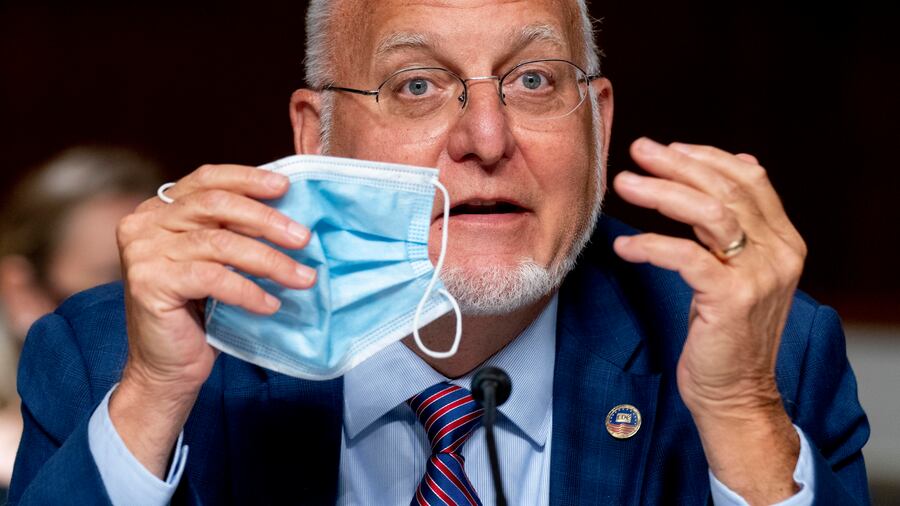
It is a remarkable fact that, despite its purported emphasis on science, no one who led the US pandemic response in its first year, not Robert Redfield, not his colleague Deborah Birx, nor his nemeses Tony Fauci, Alex Azar, and Scott Atlas, had the standard qualification expected of a scientist, a PhD. Nor did any of them have a particularly exceptional research career. S…
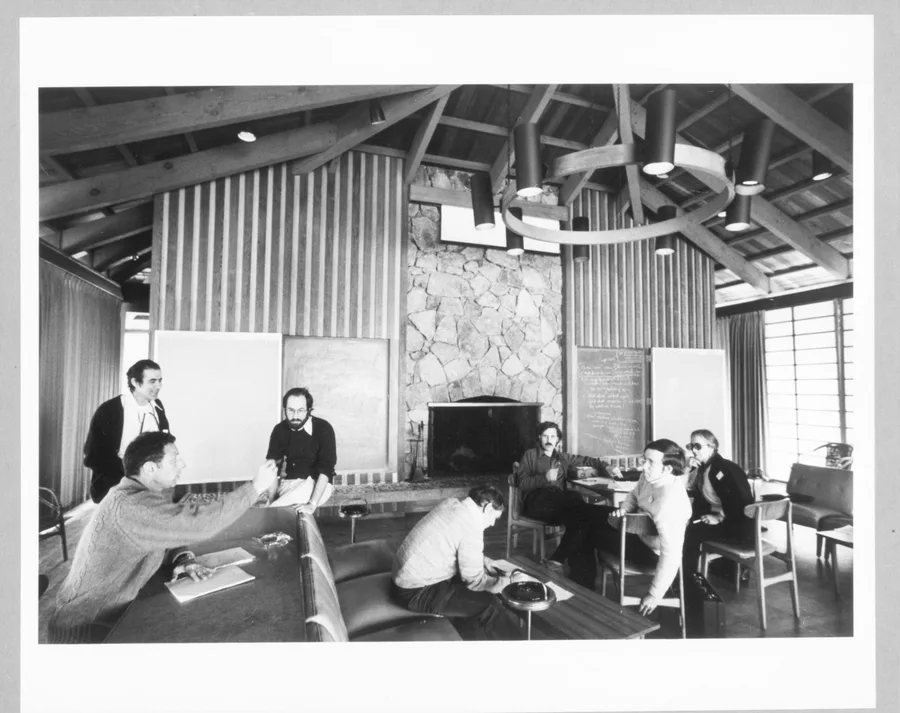
The first Asilomar conference of 1975 has been both celebrated and condemned. Whichever way you lean it was certainly a pivotal moment in the history of biotechnology. Californian researchers working on GM microbes and GM viruses faced pushback for the first time on the potential hazards involved and gradually came to realise that their experiments might be dangerous and needed oversight. The cri…
by Jonathan Latham, PhD
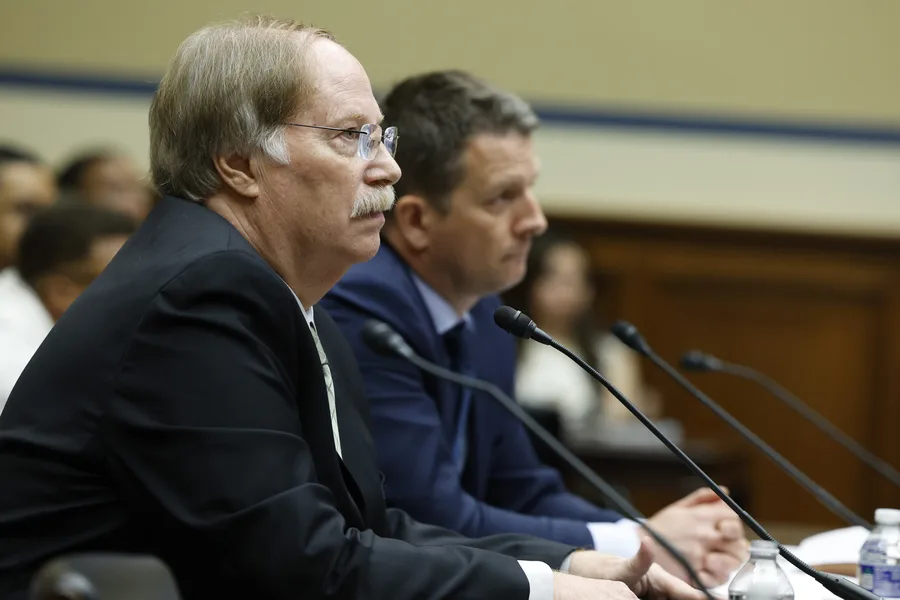
Newly released written testimony provided by Robert Garry to the Senate’s Committee on the Origins Of COVID-19 documents him evading questions about whether his institution brought Ebola virus to West Africa prior to the 2014 Ebola outbreak
In testimony supplementing his in-person statements, Garry was asked by the Committee’s Senator Marshall to deny that Ebola could have…
By Jonathan Latham, PhD and Allison Wilson, PhD
This text was originally posted as a Twitter/X thread. We are reposting it (minus a few typos) as a short essay.
1/ Many people on Twitter are, like Nicholas Wade, wondering if the latest DEFUSE grant revelations from @emilyakopp and @USRTK are maybe the last word on the great #covidorigin #lableak debate. They are not.
2/ Why? Because they only dee…
by Anne Petermann of Global Justice Ecology Project
Late on Friday, December 8th, the American Chestnut Foundation (TACF) announced they were withdrawing their support for the “Darling 58” (D58) genetically engineered American chestnut tree.
After 10+ years and millions of dollars invested into the D58 chestnut, as well as a massive publicity campaign involving media outlets like the New York Tim…
by Anne Petermann of Global Justice Ecology Project Late on Friday, December 8th, the American Chestnut Foundation (TACF) announced they were withdrawing their support for the “Darling 58” (D58) genetically engineered American chestnut tree. After …
Continue readingby Jonathan Latham, PhD Sustainable, local, organic food grown on small farms has a tremendous amount to offer. Unlike chemical-inten…
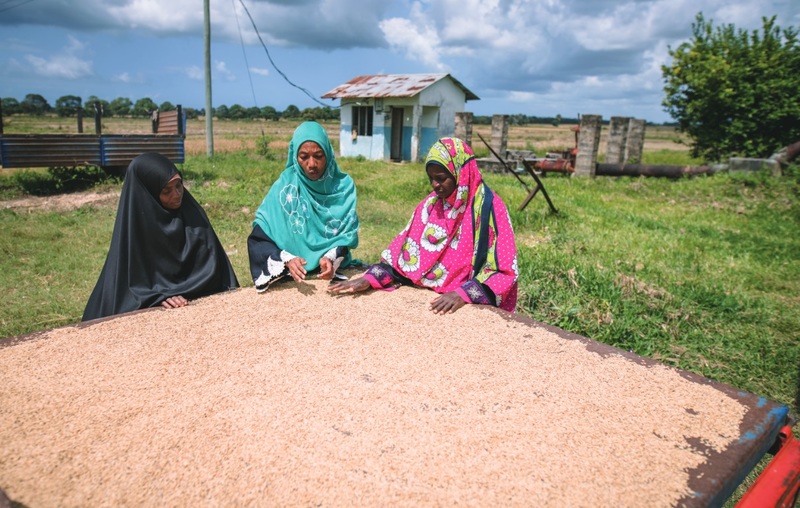
Scientists with an international rice initiative have been raising the alarm about a strain of bacterial blight causing outbreaks in rice fields in East Africa, and they say the patented transgenic varieties they have developed are the solution.
The scientists are with the Healthy Crops Project, a non-profit consortium funded by the Gates Foundation that brings together US and German universities…
by Jonathan Latham, PhD
Anyone sincerely seeking to avoid a repeat of the COVID19 pandemic is faced with two mysteries. Both of them need urgent answers. One mystery is the obvious one: Where did SARS-CoV-2 come from? The second mystery is this: Why, if they are as confident as they say they are that the pandemic began with a zoonosis, are so many individuals, institutions, and countries so reluc…
by Stuart Newman and Tina Stevens
Research on the manufacture of egg-like and sperm-like cells for the purpose of producing laboratory-crafted human children is proceeding rapidly. The objective is to turn ordinary body cells of prospective parents into artificial eggs and sperm. Though ostensibly developed to facilitate reproduction in individuals for whom this capability is impaired or unavaila…
by Sam Husseini and Jonathan Latham, PhD
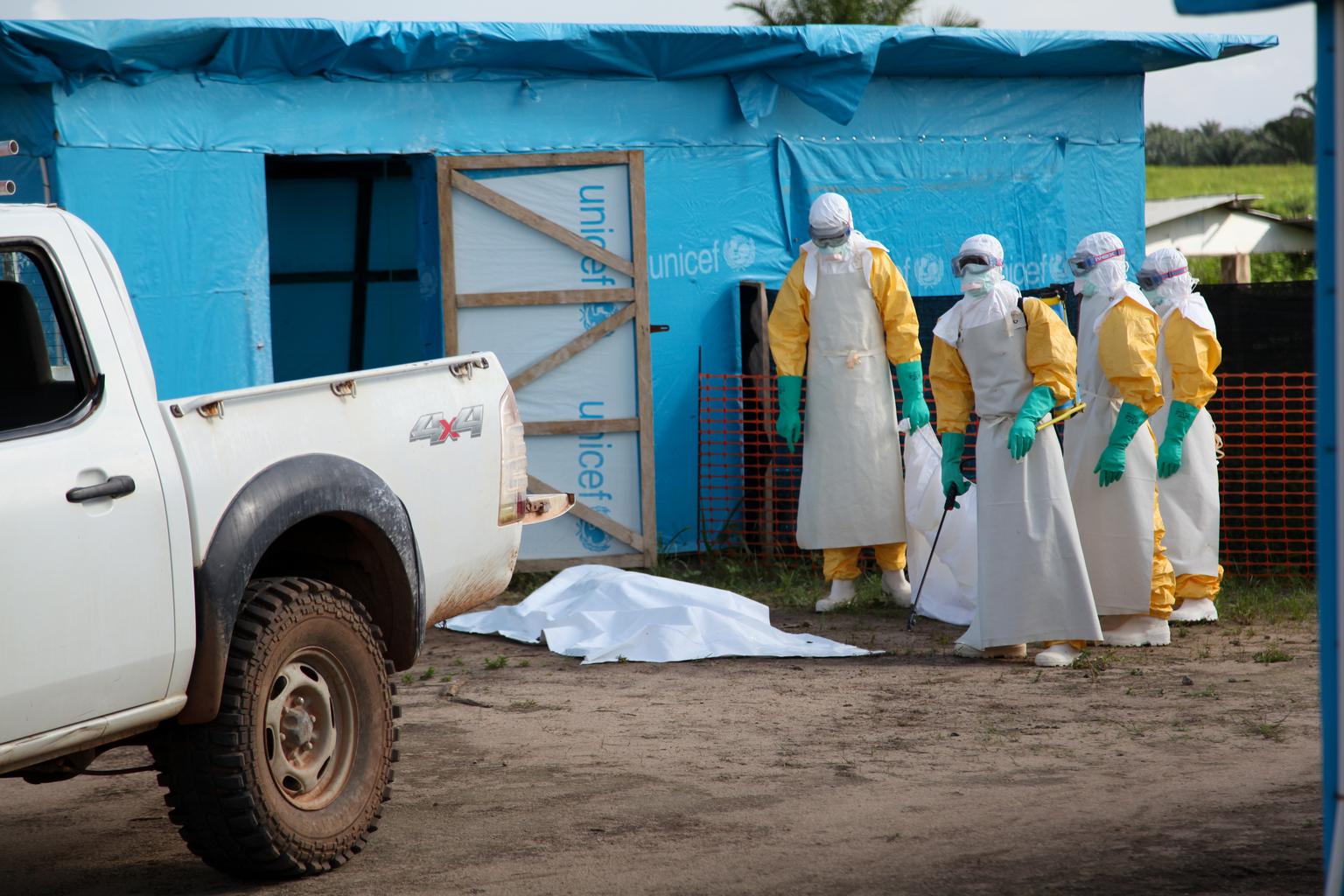
Between 2014 and 2016, West Africa endured an Ebola epidemic that was easily the largest and deadliest in history. Over 29,000 people were infected and more than 11,000 died in what was also an economic and social calamity.
The countries most afflicted were Sierra Leone, Liberia, and Guinea; but lives were also lost far afield. Ebola cases were detected in…
by Jonathan Latham, PhD
On February 1st, 2020, Anthony Fauci, head of the US National Institute of Allergy and Infectious Disease (NIAID), secretly convened a group of select international virologists. Their task was to decide whether SARS-CoV-2, the virus newly emerged from Wuhan, was engineered.
Some key emails from their resulting discussions have only recently become available. In one, Robert…
by Jonathan Latham, PhD and Allison Wilson, PhD
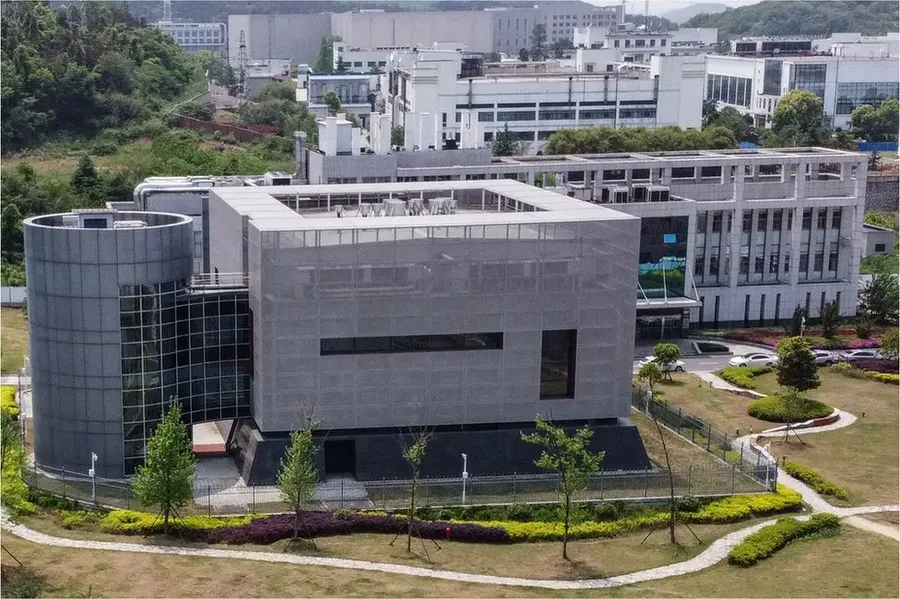
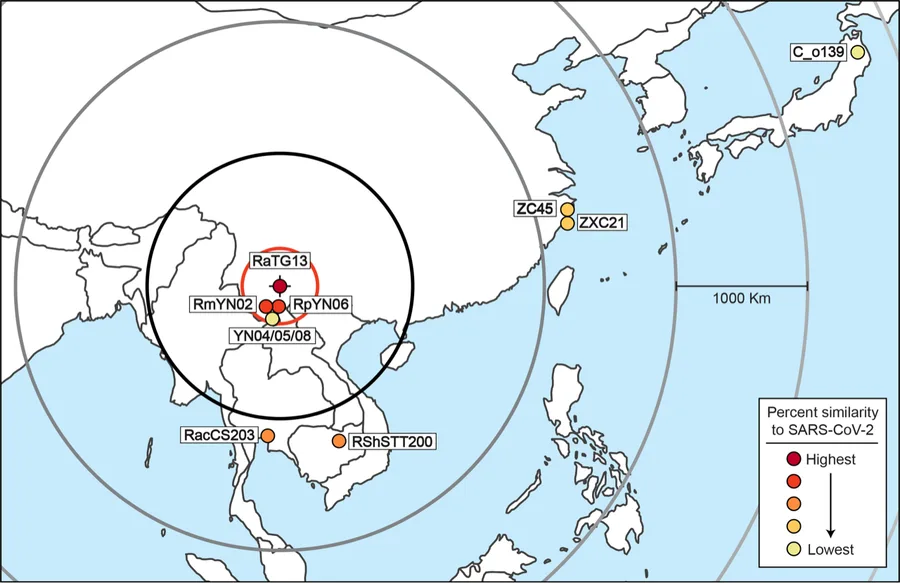
The task of every COVID-19 origin theory is to explain a human outbreak in Wuhan, China, when the closest wild relatives of SARS-CoV-2 are located far away, 1700 km to the South West.
In public, virologists have tended to say that the proximity of the outbreak to the Wuhan Institute of Virology, which uniquely specialises in collecting, studying, an…
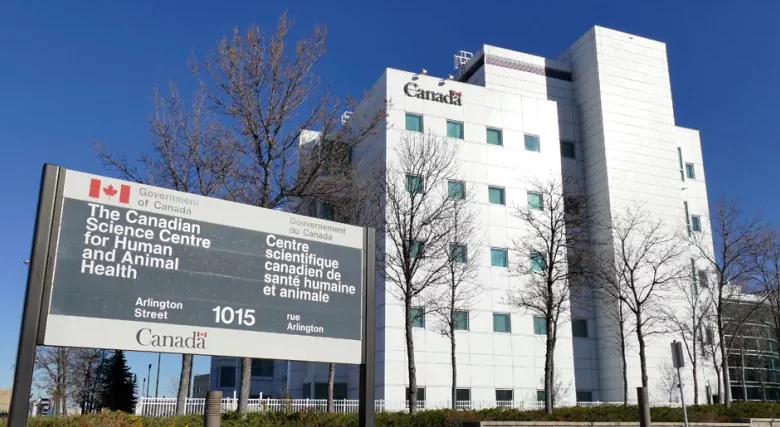
On July 5 2019, Xiangguo Qiu and her husband Keding Cheng were removed by Canadian police from the Canadian National Microbiology Lab (NML) in Winnipeg, Manitoba. Their security clearances were also retracted, allegedly over “administrative issues.” Qiu is an expert in Ebola and was in charge of the NML’s pathogen and vaccine division. Cheng is an expert in proteomics. The NML is Canada’s only Bi…
by Jonathan Latham, PhD and Allison Wilson, PhD
Back in March, the World Health Organisation’s report on the origin of the COVID-19 pandemic coronavirus confirmed something that had long been widely presumed. Since the pandemic began, there has been an enormous virus hunt in China.
The purpose of this hunt has been to find the viruses intermediate between SARS-CoV-2 and its coronavirus relatives …
by Jorge Casesmeiro Roger
On May 26 U.S. President Biden gave U.S. Intelligence agencies 90 days to report findings about the possible Wuhan lab origin of the Covid-19 pandemic.
One component of this investigation, having subpoena power, should focus on the “U.S./Wuhan GoF controversy”. This is the hypothesis that the U.S. National Institutes of Health (NIH) funded risky research into coronavirus…
by Jonathan Latham, PhD and Allison Wilson, PhD
One of the very earliest scientific papers from the COVID-19 pandemic era now has over 11,000 citations. Appearing in the scientific journal Nature on February 3rd 2020, Zhou et al., 2020 reported the genome sequence of a novel coronavirus isolated from patients with atypical pneumonia in Wuhan, China. Its senior author was leading coronavirus resea…
by Jonathan Latham, PhD
Sustainable, local, organic food grown on small farms has a tremendous amount to offer. Unlike chemical-intensive industrial-scale agriculture, it regenerates rural communities; it doesn’t pollute rivers and groundwater or create dead zones; it can save coral reefs; it doesn’t encroach on rainforests; it preserves soil and it can restore the climate (IAASTD, 2009). Why do …
By Jorge Casesmeiro Roger
Molecular biologist Dr. Richard H. Ebright, PhD is one of the twenty six world scientists who signed the Open Letter: “Call for a Full and Unrestricted International Forensic Investigation into the Origins of COVID-19”. A document released last March 4 by the Wall Street Journal and Le Monde that reignited the debate over the pandemic’s origin after the WHO-convened miss…
by Jonathan Latham, PhD and Allison Wilson, PhD
In China there is a popular joke about the southern city of Guangzhou (Canton). A visiting space alien, curious to learn about Chinese customs, tours its various provinces. Arriving in Guangzhou the alien asks the locals what their interests are. The Cantonese oblige their guest by putting the alien in a soup pot and eating it. This joke hinges on t…
research.io
Sign up to keep scrolling
Create your feed subscriptions, save articles, keep scrolling.



 research.io