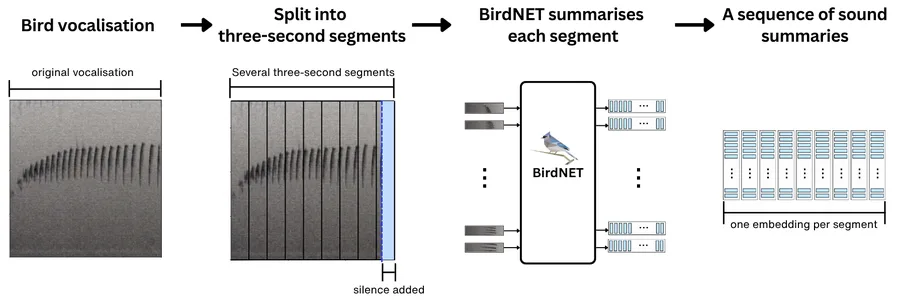
Post provided by Jonathan Gallego Londoño Most of us can recognise the voice of a friend or family member without seeing them. Sometimes, just a few words are enough to know who is speaking. But could we do something similar with birds? Research suggests we can. However, recognising the species behind a song is one challenge, while identifying the particular bird that produced it is …
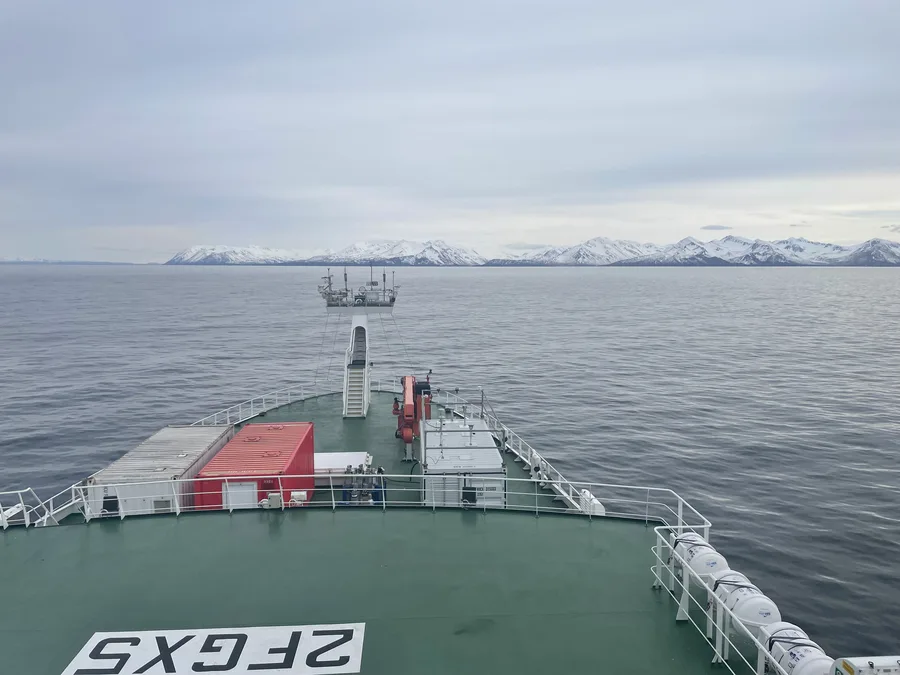
Post provided by Elena Baños Lara I am currently completing my PhD at the Centre for Advanced Studies of Blanes (CEAB-CSIC) in Spain, where I use environmental and sedimentary ancient DNA to explore past marine ecosystems. As part of my PhD, I had the opportunity to spend three months at the Globe Institute in Copenhagen, joining Kristine Bohmann’s group and working side by side with …
Blog post provided by Ann Russell The Need for Authentic, Open Educational Resources Given the rapid changes underway in undergraduate STEM education, the teaching community aspires to move beyond models that involve static content to develop agile, scalable ways to create authentic open educational resources (OERs). Researchers can provide authentic case studies, but they may lack the skills to …
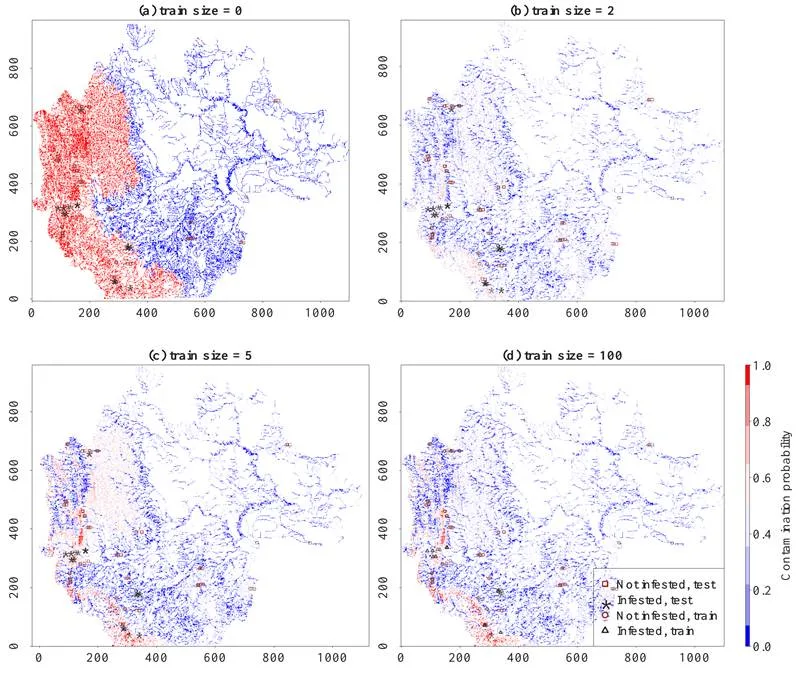
Post provided by Pouria Ramazi When Alberta Environment and Parks brought this problem to our group in 2018, the question was practical. Whirling disease had been detected in Alberta, but testing every stretch of a river was impossible. Could a few scattered fish and worm tests show where the parasite Myxobolus cerebralis was most likely to occur across the Oldman River? I had just begun …
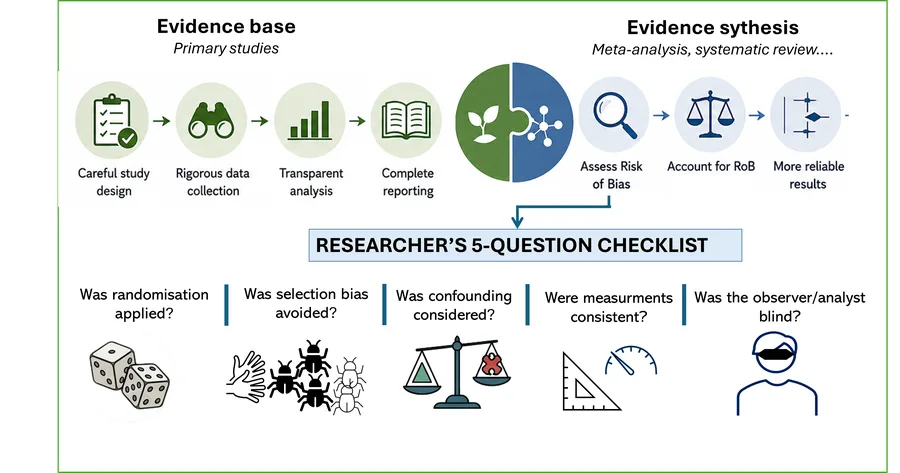
Post provided by Antica Čulina Hi, I am Antica. I work as a senior researcher at the Ruđer Bošković Institute in Croatia. This is a story about how something that bugged me 15 years ago was finally formalised in a paper on a Risk of Bias assessment in ecological and evolutionary meta-analysis. The take away massage – it is never too late to do the …
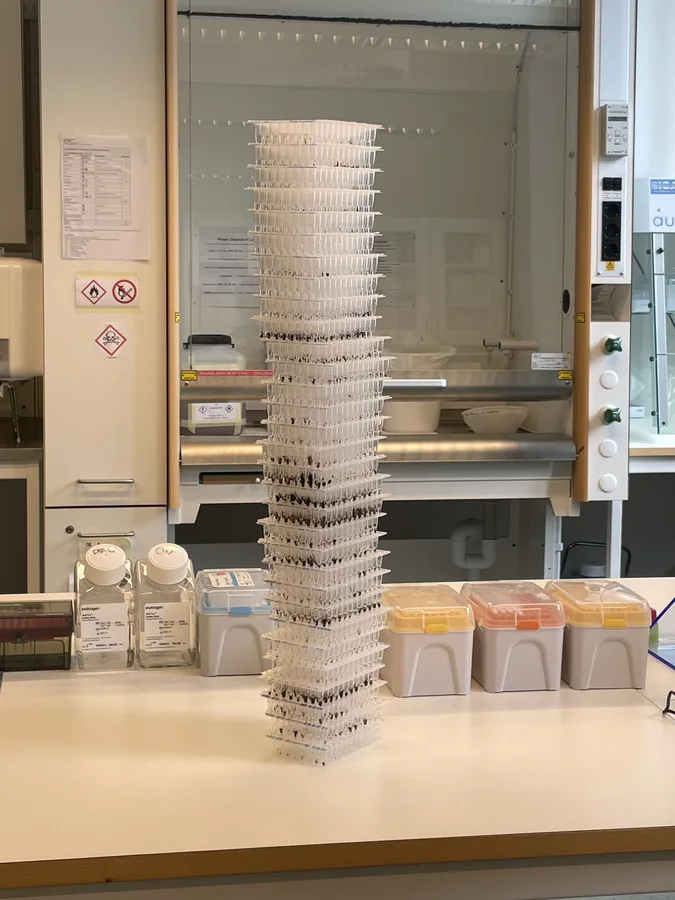
Post provided by Ela Iwaszkiewicz-Eggebrecht The journey from scepticism to abundance estimates When I moved to Sweden in 2019 to start a postdoc, I entered a completely new research field. My background was in evolutionary biology, but I knew very little about DNA metabarcoding (identifying many species at once by sequencing barcode DNA from mixed samples). I was joining a project that was devel…
Post provided by Aaron Lee Complicated instruments and simple solutions It was an abnormally warm and balmy December in Minnesota, and Dr. Jeannine Cavender-Bares and I were in the lab. The lights were off, blinds were closed, and we had fashioned a makeshift stand to hold a large tungsten halogen lightbulb, angled perfectly to shine into the long fiber optic cable of a spectrometer connected …
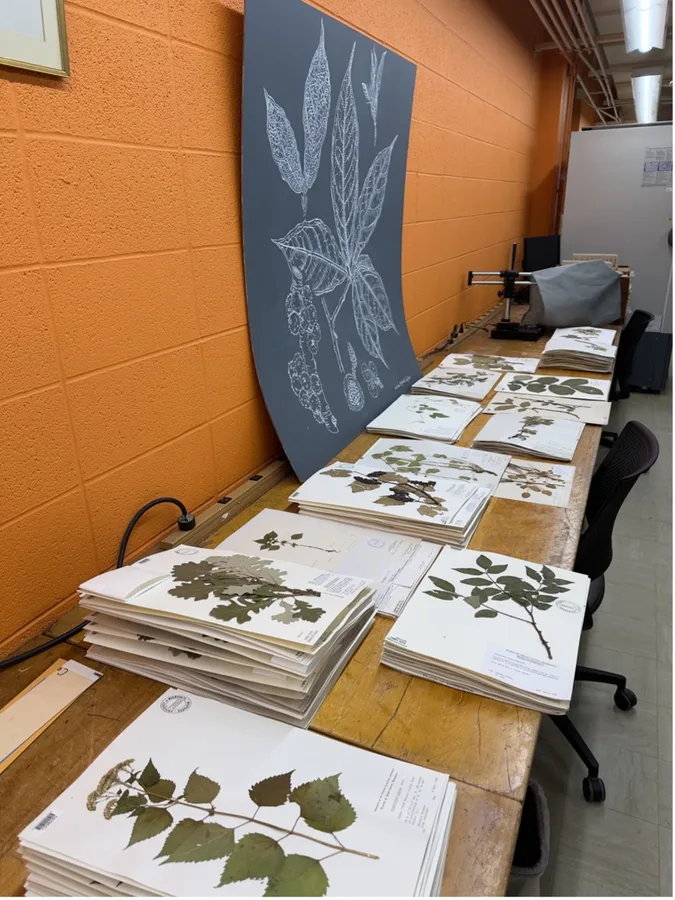
Post provided by Quinn Asena Uncovering signals from the past Understanding interactions among organisms, and between organisms and their environment, has been a cornerstone of ecology as long as we have been busying ourselves with the lives of other species. How do plants and animals facilitate or compete with each other? How do they respond to the continuous challenge of changing climates or ne…
Following an open call for applicants at the beginning of 2026, we are pleased to welcome 44 new Associate Editors to Methods in Ecology and Evolution. The researchers joining us span 18 different countries. We are really delighted to have further expanded the expertise on our board so that we can continue to promote the development of new methods in ecology and evolution. Welcome aboard! …
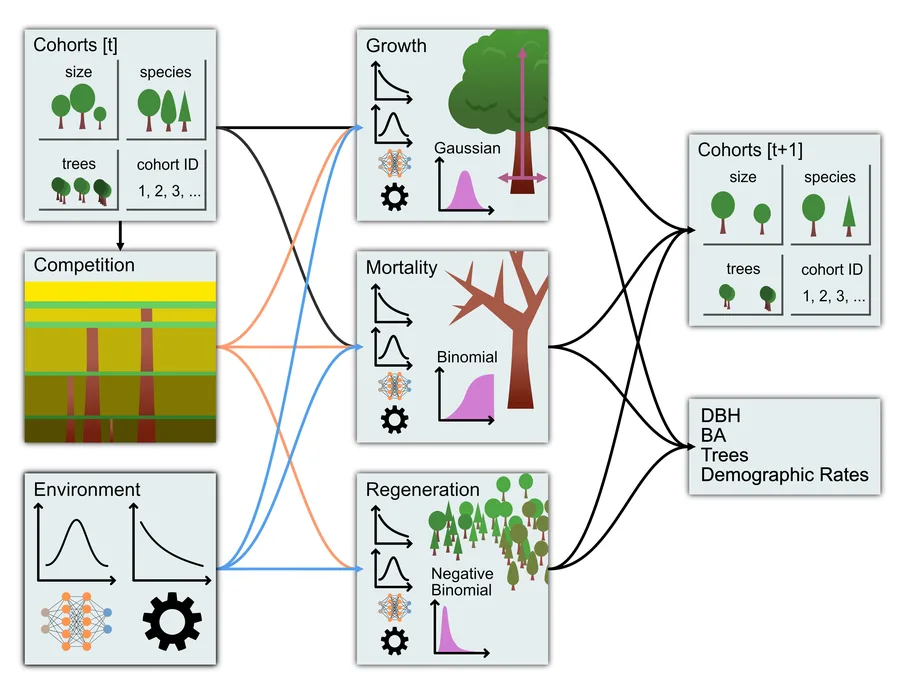
Post provided by Yannek Käber and Maximilian Pichler We met at YOMOS, a workshop for early-career researchers and young modelers in ecology supported by the German Society for Ecology, and we came at modeling from opposite ends. Yannek builds dynamic forest models, which are mechanistic models that integrate decades of ecological reasoning about how trees grow, compete, and die. Max builds machin…
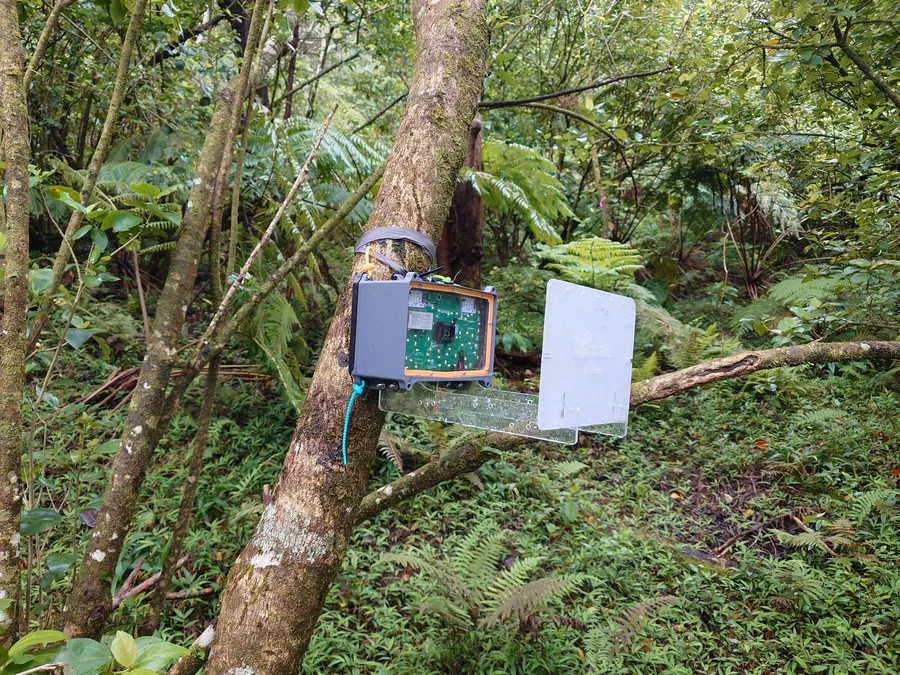
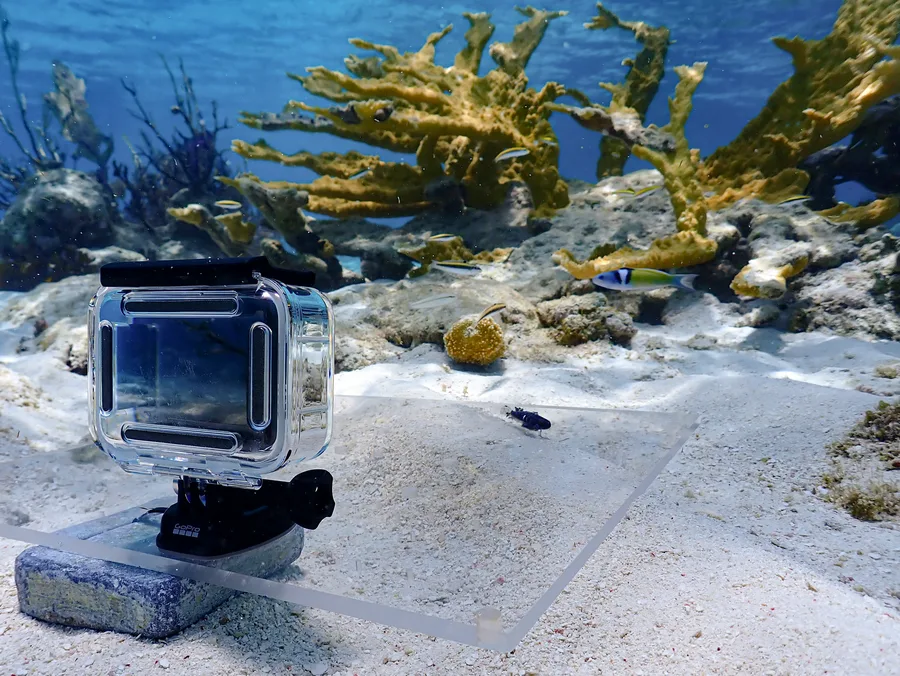
Blog post provided by Hubert A. Szczygieł Origins Back in 2022, I was in Panama working on landscape-scale biodiversity monitoring. The system I was testing included a lot of standard approaches – for example trail cameras for mammals, point counts and passive acoustic monitoring for birds, and Gentry transects for trees. However, I realized that none of the standard insect monitoring methodologi…
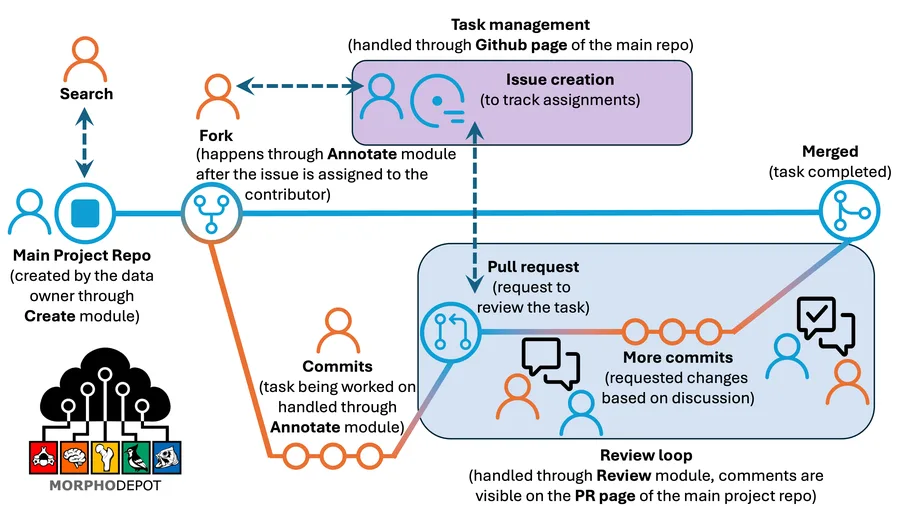
Post provided by A. Murat Maga Picture a graduate student who has just spent eighty hours tracing the individual bones of a fish skull, slice by slice, through a high-resolution microCT scan. The result is a beautiful, richly labelled 3D dataset. And then? Too often it lands on a hard drive, or gets flattened into a static 3D model that no one else can edit, …
Post provided by Christopher Hemingson Close your eyes and picture a predation event. Personally, I default to the Planet Earth series’ “Mountains” episode, in which a snow leopard acrobatically chases a mountain goat across near-vertical cliffs in an adrenaline-inducing pursuit. While iconic, predation sequences like this one generally represent the minority. More often than not, predation event…
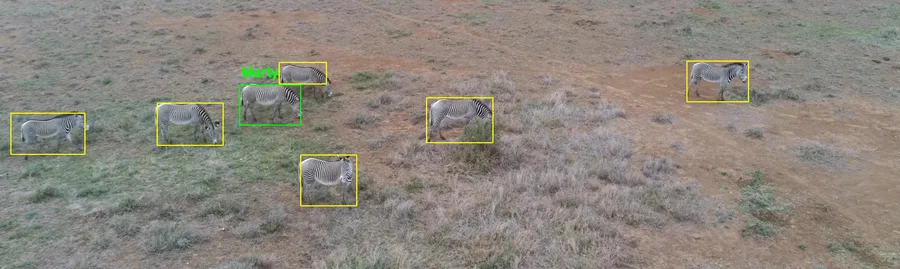
Post provided by András Zábó Just imagine… You’re all sitting excitedly around the monitor, watching the video captured by the drone. This is the first time you’ve tested the complete monitoring system in the national park… Your drones had already been capable of autonomously finding, detecting, and tracking zebras, but you had never flown drones that were also capable of …
Post provided by Karen Dyson and Kayla Aburida When we first started using soil environmental DNA (eDNA) to understand how sustainable farming practices affect biodiversity, we thought the hard parts would be in the lab or the analysis. We were wrong. Instead, one of the biggest challenges came much earlier: in the field when collecting data. Soil eDNA is patchy, shaped by microhabitats, plant co…
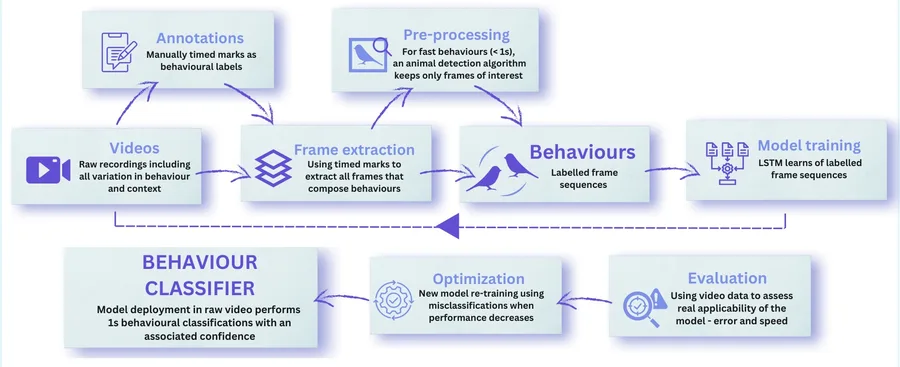
Post provided by Liliana Silva Why we developed this automation framework Observing animal behaviour is one of the most widely used methods in ecology. But anyone who has spent hours viewing video footage knows how quickly behavioural analysis becomes overwhelming. A single nest camera can generate hundreds of hours of recordings, and turning those videos into behavioural data often means endless…
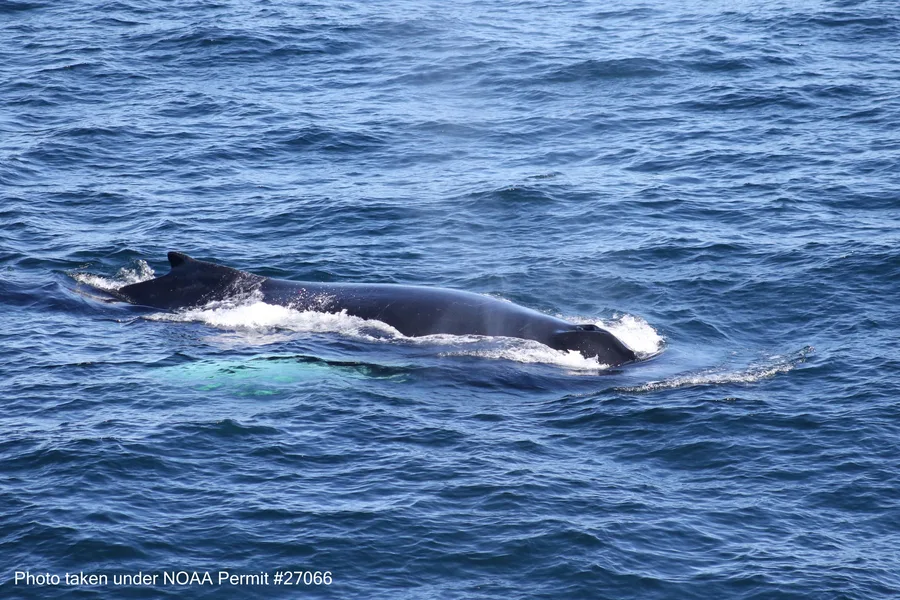
Post provided by Jonathan Syme Picture this idyllic scene: You’re on a research vessel that is steadily making its way through the vast blue sea, surveying back and forth along a set of transect lines, its track recorded by a GPS. Through your binoculars, you see a column of spray, an arching back, a fluke that rises high above the water, then disappears. You call …
Post provided by Nyniane Steinkampf–Pellecuer, Idriss Pelletan and Pauline Provini We are two PhD students and a researcher at the MECADEV lab of the Muséum national d’Histoire naturelle of Paris. As part of our research on birds’ evolution, we study the functional morphology of their organs to understand how their shape is linked to their function, and how they evolved. Due to the size of …
Post provided by Richard P. Shefferson, University of Tokyo Matrix projection has become widely used by population ecologists to analyze and predict the behavior of wild populations of plants and animals… and sometimes even other, odder organisms (Salguero-Gómez et al. 2015; Salguero‐Gómez et al. 2016). Over the last few decades, the size and complexity of these models have increased dramatically…
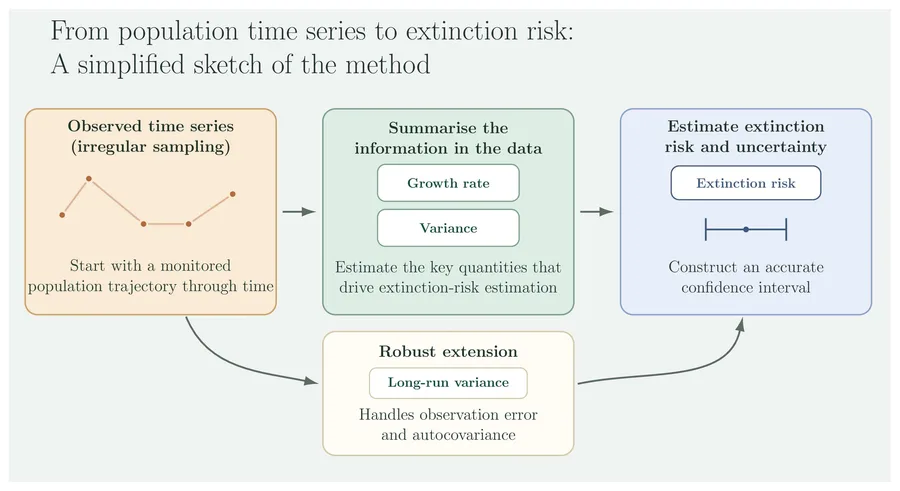
Post provided by Hiroshi Hakoyama. Rethinking extinction probability as a conservation endpoint Thinking about conservation in terms of species extinction as an endpoint underpins how priorities are set in the IUCN Red List and CITES. At their core, these frameworks are about deciding which populations or taxa should be prioritised for conservation effort. Yet Population Viability Analysis (PVA),…



 research.io