Twenty years ago, I wrote the first essay published in Hastings Bioethics Forum. At that time, online publications were new and many people were suspicious of them. Recently, I reflected on my reflections in that essay. The post What If AI Could Be a Bioethics Scholar? appeared first on The Hastings Center for Bioethics .
“I’m not willing to kill for my country—but I am willing to die for it.” So spoke a “Conchie,” a conscientious objector who volunteered to participate in medical experiments during World War II as a way to avoid military service. The post They Volunteered to Get Hepatitis appeared first on The Hastings Center for Bioethics .
Releasing this research ahead of peer review raises ethical concerns; it risks making human embryo gene editing appear safer and more inevitable than the evidence supports. The post Off Target: Reporting on Human Embryo Gene Editing appeared first on The Hastings Center for Bioethics .
Bioethicists and others should submit comments on the Office of Management and Budget proposal to revise its rules on how the government awards and manages federal grants. The post Submit a Comment: Keep Politics Out of Science Funding appeared first on The Hastings Center for Bioethics .
Why should we in bioethics care about what image of masculinity is being promoted in America or other cultures? There are many reasons. The post I’m the Man appeared first on The Hastings Center for Bioethics .
What does it mean to be, and stay, human in the age of AI? The post Don’t Settle for Plastic Flowers: New Report on What It Means to Stay Human appeared first on The Hastings Center for Bioethics .
The facts are not enough. In addition to using evidence, people who support the legal right to abortion must make the moral case for it. The post Science Will Not Save the Abortion Pill appeared first on The Hastings Center for Bioethics .
The term we use for the people we turn to for healthcare has ethical ramifications. The post Physician or Provider? What’s in a Name? appeared first on The Hastings Center for Bioethics .
Hard cases make bad law. Does a flesh-eating worm really help us think about how to use genome editing in the wild? The post Flesh-eating Worms Grab Attention. How Should Attention Affect Policy? appeared first on The Hastings Center for Bioethics .
The failure of countries that depend on migrant farm workers to guarantee professional medical interpretation for them when they get sick violates basic ethical principles and fundamental human rights. The post Lost in Translation: When Migrant Farm Workers Get Sick appeared first on The Hastings Center for Bioethics .
Pope Leo XIV’s encyclical on AI declares that humanity must choose a path that safeguards us from its potential dangers and brings about a good outcome. The post If AI Replaced God, What Could We Demand of It? appeared first on The Hastings Center for Bioethics .
The Enhanced Games markets itself as a celebration of human potential and athletic freedom, but its financial structure tells a different story. The post The Enhanced Games Are Paying Athletes Well – Too Well appeared first on The Hastings Center for Bioethics .
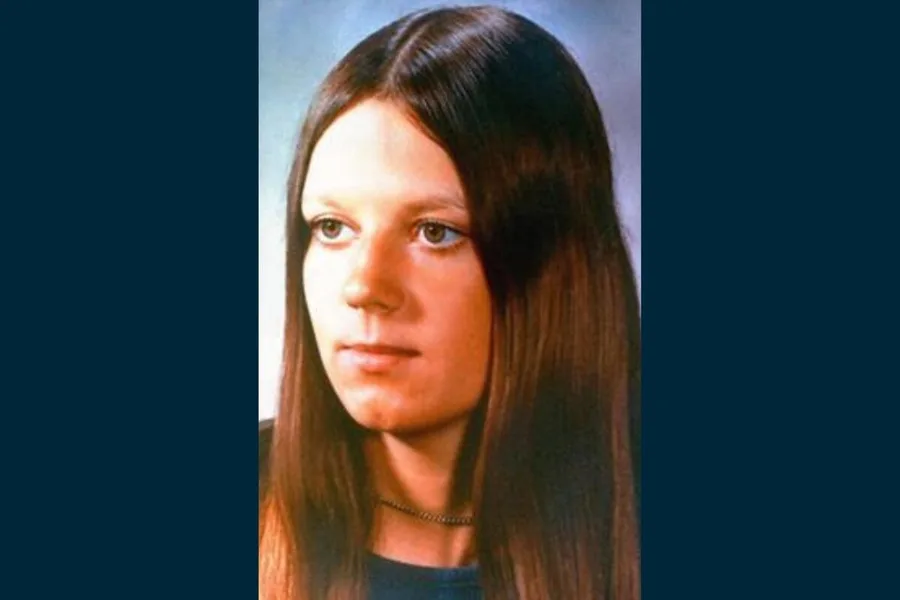
Karen Ann Quinlan’s surrogate decision-makers – her parents – won the right to turn off the ventilator that had been keeping their comatose daughter alive. The post 50 Years After Quinlan: The Woman Who Changed American Medicine appeared first on The Hastings Center for Bioethics .
Ageism is common in healthcare. Intergenerational friendships are not--but they could counter age-related bias. The post One Way to Combat Ageism in Healthcare appeared first on The Hastings Center for Bioethics .
New ACOG guidelines for diagnosing endometriosis are welcome news for patients and reproductive justice. The post Updated Endometriosis Guidelines: A Step Forward in Ethical Reproductive Healthcare appeared first on The Hastings Center for Bioethics .
Across the country, families plead with medical professionals and courts for intervention when loved ones with serious mental illness refuse psychiatric treatment. The post We Need a Family Bill of Rights for Mental Healthcare appeared first on The Hastings Center for Bioethics .
Central to understanding ethics is grasping that being good is a way of being happy -- not in the superficial social sense of being rich or famous, but in a deep sense of experiencing integrity, or flourishing as a human being. The post Why Be Ethical? It’s Good for Us appeared first on The Hastings Center for Bioethics .










 research.io