Over the last three days, archaeologists have been participating in an event to highlight great archaeological work in a variety of media – podcasts, videos, blog posts, twitter threads, etc. The topics are diverse and the content is superb. If you missed it, the website for it (http://real-archaeology.com/) has a list of all the participants […]
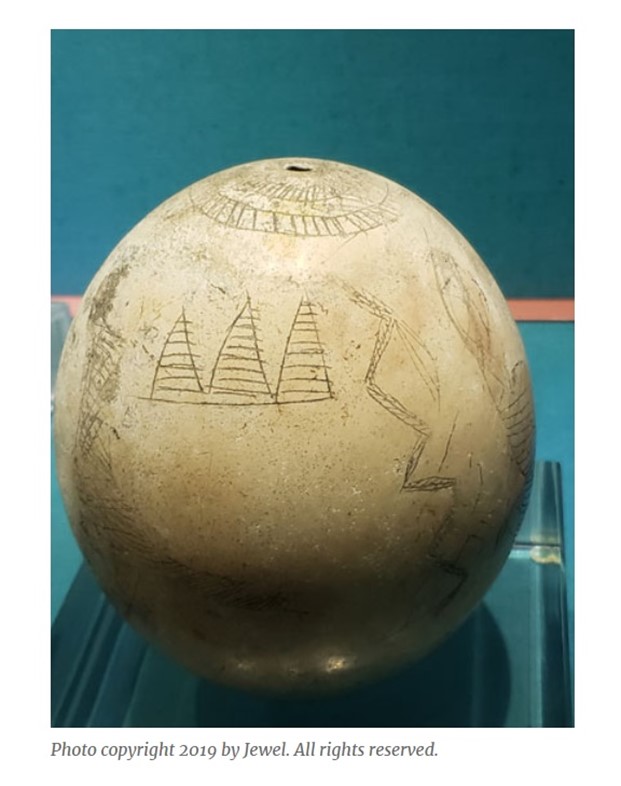
You are likely here because you have seen some post on social media that goes something like this: “Archaeologists guess the Pyramids of Giza to be about ~4,600 years old as Carbon-14 can’t be used to estimate their age. An ostrich egg found in a tomb near Aswan shows the 3 Pyramid structures side by […]
This is a story about how the war in Ukraine was used to gain attention, without apparent regard to the harm it is/will cause. While I do share some information obtained while working as the Deputy-CEO of FAME, everything presented here are my own thoughts and not that of any of my employers. Bad Ideas […]
On Twitter, several people have started a pressure campaign on CBA (Council for British Archaeology), CIfA (Charter Institute for Archaeologists) and FAME (Federation of Archaeological Managers and Employers) to do more about Ukraine. I am going to side step lots of issues around that idea e.g. the racism involved in only advocating jobs for “white” […]
The Roman Rural Settlement Project in 2016, and other methodological studies (including the Review of the Standard of Reporting on Archaeological Artefacts in England report) have identified problems with re-using the data collected by archaeologica investigations from grey literature reports. Interim results from the Historic England funded Digventures/CIfA ‘Digital standards for archaeology’ pr…
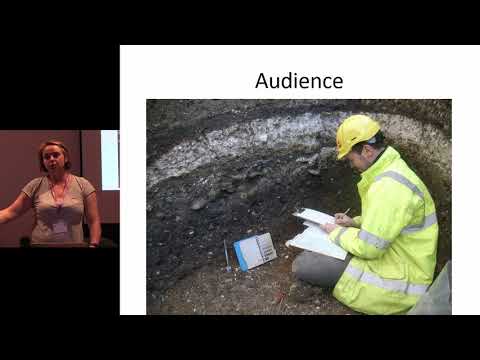
Engaging local communities is part of the remit of many development-led archaeological investigations, whether through open days, site visits, active participation, school outreach and evening talks. This engagement varies but its underlying aim is to support the understanding and enjoyment of the communities’ local historic environment. However, this is almost always short term, project focused …
This session is designed to highlight early career researcher’s work in various area of archaeology (including Marine/Maritime,Finds and Heritage Management) and to look at collaborative research being undertaken by early career professionals in the academic, public, commercial and voluntary sectors. Papers may focus on specific sites, methodologies, processes, artefacts or indeed, personal caree…
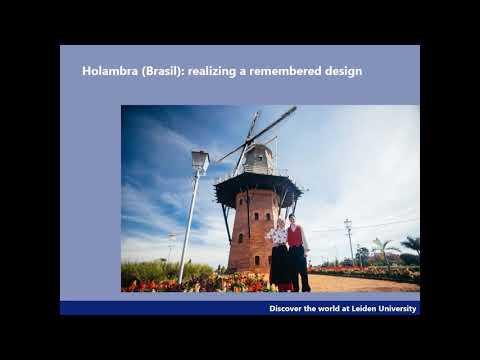
We all tell stories; they are fundamental to constructing identity, as individuals, communities and nations, linking people to place and shared experiences. At the same time, heritage and archaeology are powerful sources of inspiration for many other sectors, such as art, engineering and architecture, which have used history as creative inspiration. This raises the question […]
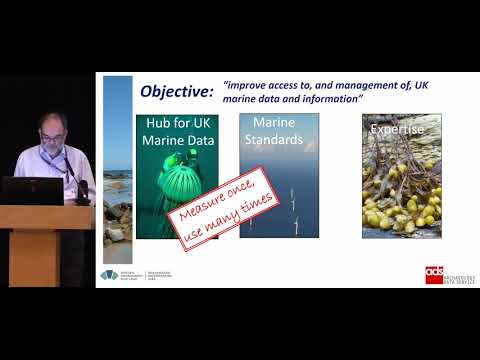
In 2011 the UK Marine Policy statement clearly stated a view, shared by all UK Administrations, that heritage assets should be conserved through marine planning and that, opportunities should be taken to contribute to our knowledge and understanding of our past by capturing evidence from the historic environment and making this publicly available. Coupled with […]
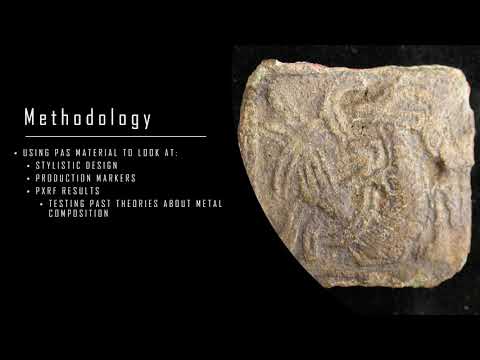
From the public’s perspective, metal detecting is a current and significant element within the heritage and archaeological environment. The accessibility of the hobby and the media propensity towards stories of ‘treasure’ offers the public a tangible link to our portable past whether through active participation or visually through news articles and museums exhibits. To many, […]
Since its inception as a scientific discipline archaeology has dealt with many challenging theoretical concepts. Among these the idea of landscape have seen significant debate from its earlier conception in processual archaeology. Today the study of landscape is accepted as an interdisciplinary field within archaeological research that brings together concepts and methods from a wide […]
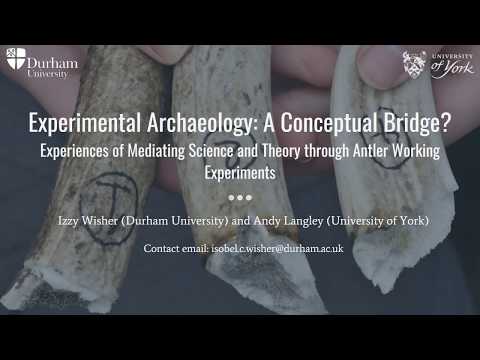
Within archaeology a degree of epistemological division still persists between ‘two cultures’ – with science and theory often poorly integrated in archaeological studies. However, as we experience archaeology’s third scientific revolution, driven largely by the increased application of biomolecular methods, the theoretical power of scientific and technological data is becoming increasingly appare…
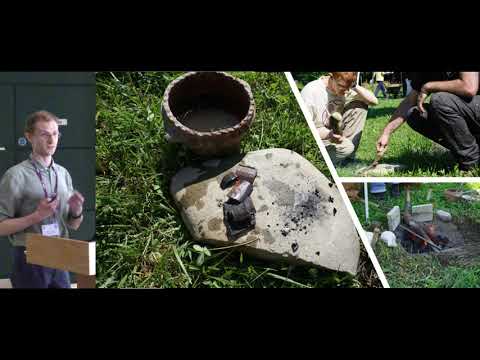
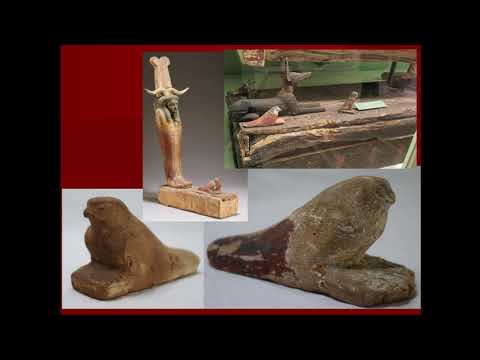
This session will focus on artefacts, and their journey from discovery to display. We invite papers that discuss this journey and the biases affecting finds and how they are interpreted, used and/or displayed. Practical frontiers are encountered when caring for our artefactual past as curators, while finds specialists often encounter the interface between the hobbyist […]
The historic environment of Britain includes rich and diverse sites and landscapes, with materials and archives curated by a range of organisations. As archaeologists working in across sectors in Wales, we are interested in how public heritage best practices are developed across different regions and countries in these islands. There are many stakeholders in public […]
Applying Theory to foster discussion beyond research, is to build perceptions in society. (Kavanagh, 2018) Influencing perceptions is a role attributed to public intellectuals, yet archaeologists appear to be absent from inhabiting such a stage (Tarlow and Stutz, 2013). This session seeks to question if this is actually so, when our collective and individual works […]
“Where are you from?” That is one of the first questions asked when you meet someone new. Your answer informs your new acquaintance of your cultural background and current geographic affiliation. Your identity is at least partially informed by where you live, or where you originated. A geographically defined identity is recognizable in the archaeological […]
This session seeks to build on the discussion of a decade ago about the role of industrial archaeology and industrial heritage research and fieldwork. This lively debate was captured in the 2009 Horning and Palmer edited volume ‘Crossing Paths or Sharing Tracks? Future directions in the archaeological study of post-1550 Britain and Ireland’. There are […]
As archaeologists we are surrounded by change – trained to read changes in the landscape, in contexts and to adapt to changes in the techniques and methodologies used. We piece together changes through time in past societies, attempting to understand how communities lived, worked together, and increasingly, its relevance of understanding our society today. Often […]
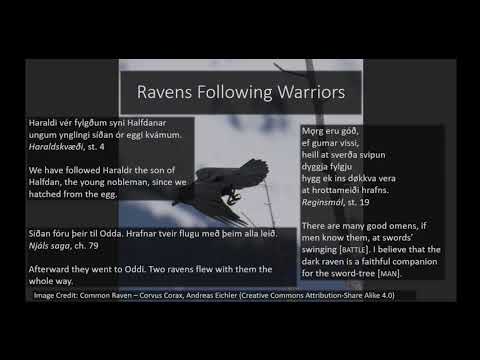
In the Early Middle Ages (the period from 6th to 12th century) animals accompanied human societies. Birds started every day with a choir of their songs, big mammals were hunted (or bred) for meat and skins, and dogs were kept for protection. Several animal species held important roles during the various pre-Christian rituals, and after the conversion […]
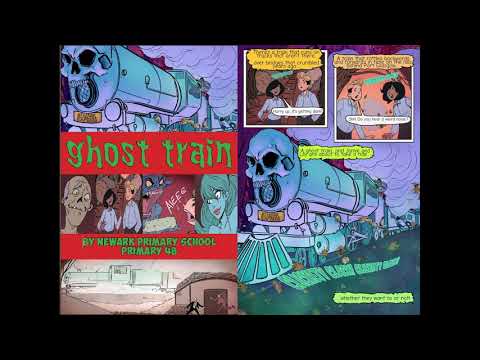
Over the past few years, a number of innovative projects have used the unique combination of storytelling and visualisation of comics to explore, connect or re-connect communities with various aspects of personal, communal, folkloric, archaeological and historic pasts: The Oswestry Heritage Comics, Little Histories, Magic Torch Comics, Graphic Lives, Haawiyat, Prehistories, etc. As archaeology se…
artsliteraturevisual-arts
research.io
Sign up to keep scrolling
Create your feed subscriptions, save articles, keep scrolling.
 research.io