State of the Planet
The author reflects on Jeffrey Sachs, the U.N., and the need to redesign global institutions for a world shaped by climate change, poverty and geopolitical strain.
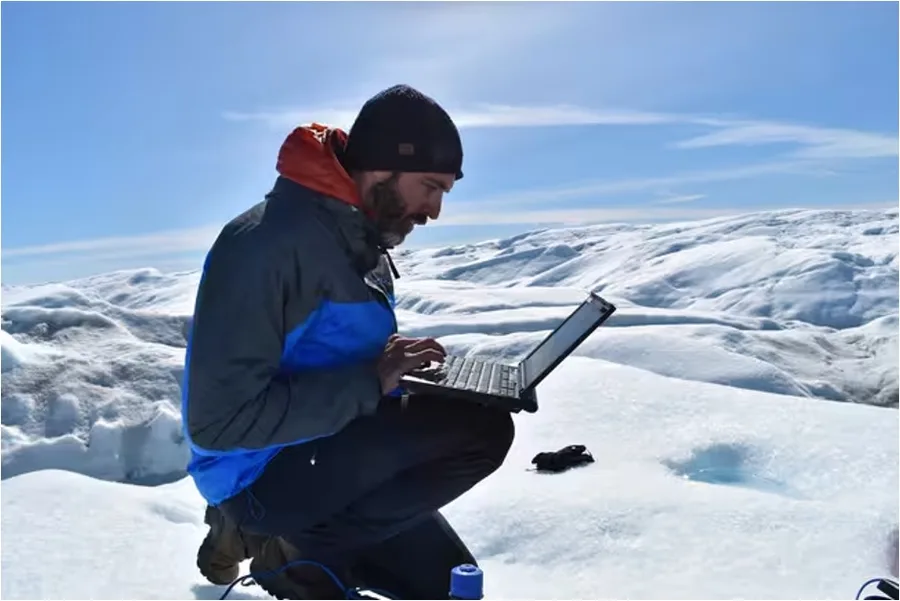
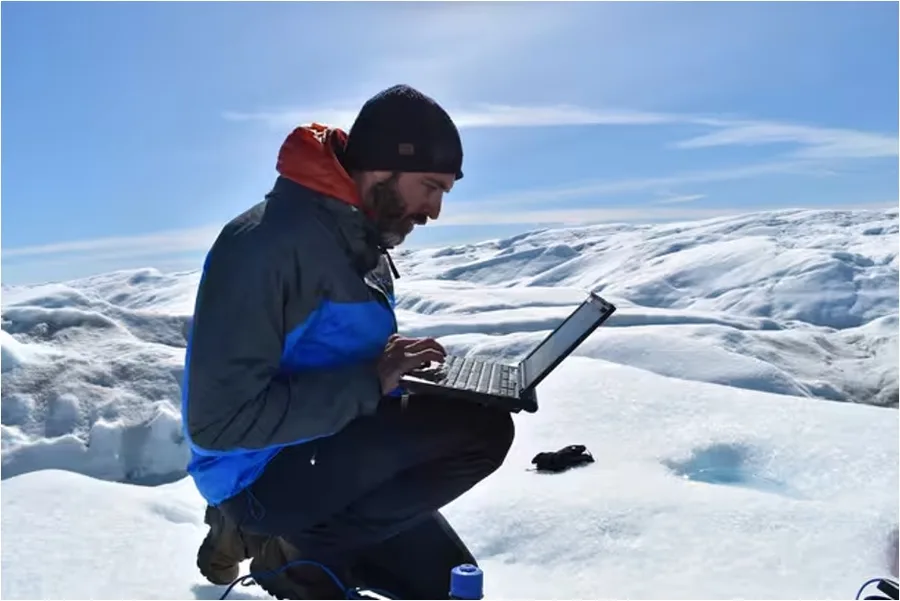
Microbiologist Arwyn Edwards discusses the complex role of microbial life in glacial ecosystems and the impact of climate change on his field.
Lamont and Climate School scientists explain what a strong El Niño could mean for the planet this year.

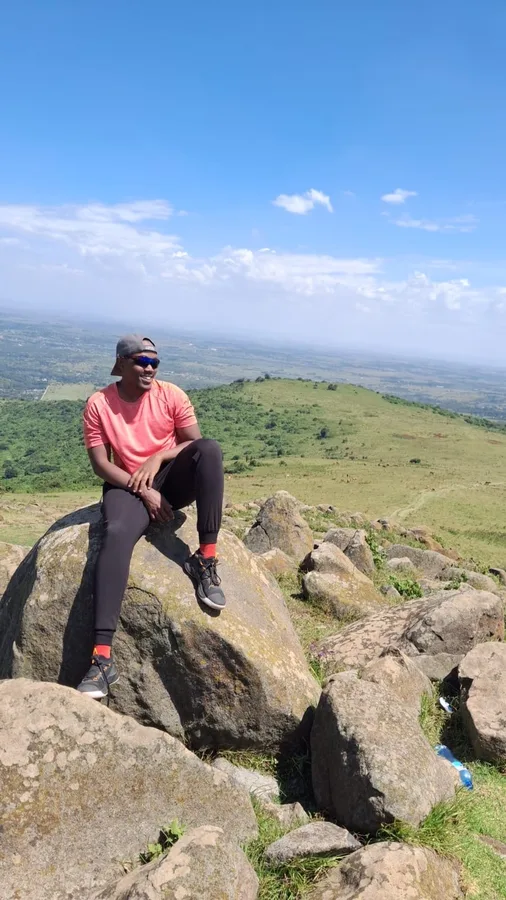
Folarin Kolawole is one of 15 recipients of this year's National Geographic Society’s Wayfinder Award, which recognizes people whose work is expanding our understanding of the planet and helping to protect its future.
A new study examines how "undone science" has shaped the conflict between mining and glacier conservation in Chile over the past two decades.
In honor of this annual U.N. event, we are highlighting our coverage of ocean research and education initiatives at the Columbia Climate School and Lamont-Doherty Earth Observatory.
Raising a responsible child and building responsible AI both require a deep awareness of what we are training them to notice and value.
For the first time, a team from the inaugural M.S. in Climate Finance program participated in the prestigious Columbia Business School and KKR Private Equity Case Competition.
The Wild Tomorrow capstone workshop and Cuttyhunk Practicum are two examples of Climate School initiatives that focus on climate-conscious travel.
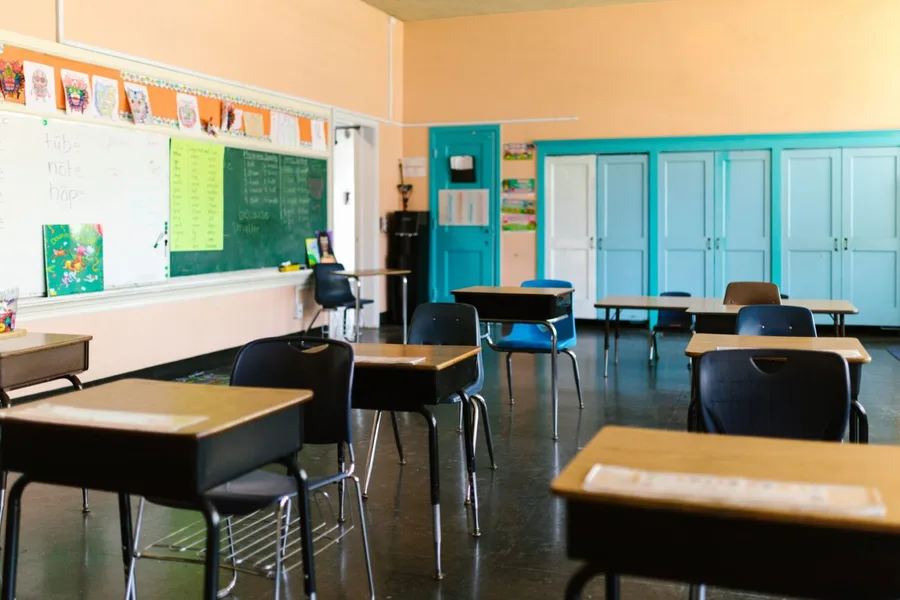
The student-led Youth Climate Action Alliance Interscholastic Conference brought together high school students from across the boroughs to learn about and collaborate on climate action initiatives.
Hosted by scientists and educators at multiple locations along the lower Hudson River Estuary, this event celebrates the vital role played by estuaries in the life cycle of many ocean fish species.
Manhattanhenge is a reminder that we live on a tilted, rotating planet orbiting something much larger—a perspective scientists link to stronger spatial awareness and environmental concern.
Antarctica’s Ross Ice Shelf and the West Antarctic Ice Sheet may have been far smaller during one of Earth’s most recent warm periods, according to a new study.
AI is a two-sided coin, with tremendous potential to benefit the environment while also requiring an immense amount of water and energy. How will these two opposing dynamics balance out—or can they?
The Coney Island Creek dune planting project started in 2021, with the goal of increasing coastal resilience and giving community members hands-on experience protecting their environment.
How do we power the AI boom without blowing past climate goals and breaking the grid?
On May 15, M.A. in Climate and Society and M.S. in Climate Finance students gathered to celebrate their accomplishments.
research.ioSign up to keep scrolling
Create your feed subscriptions, save articles, keep scrolling.