


When we learn a new skill, we often get feedback on our performance– rewards for good behavior, debriefs from a sports coach, or corrections from a piano teacher while stumbling through our pieces. In general, though, we improve many skills without anyone telling us how we are doing: we know when we’ve made a mistake when we’re practicing a song alone. Our own “internal critic” evaluates and signals our errors, somehow guiding us toward better performance. What in our brains serves the role of...
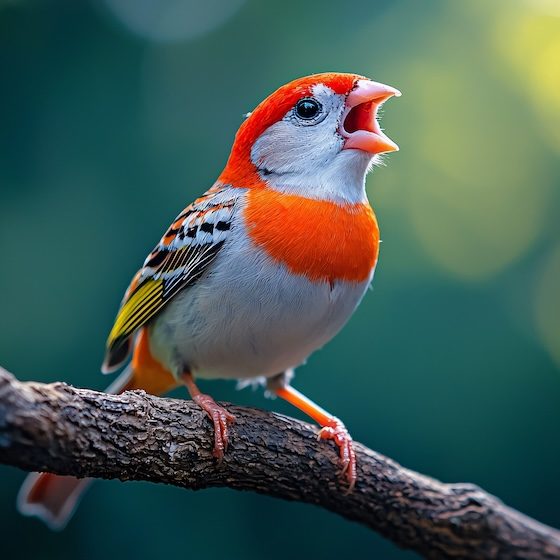
Fairhall lab and Columbia University researchers join forces on groundbreaking study tracking dopamine in birdsong learning
nbioit