


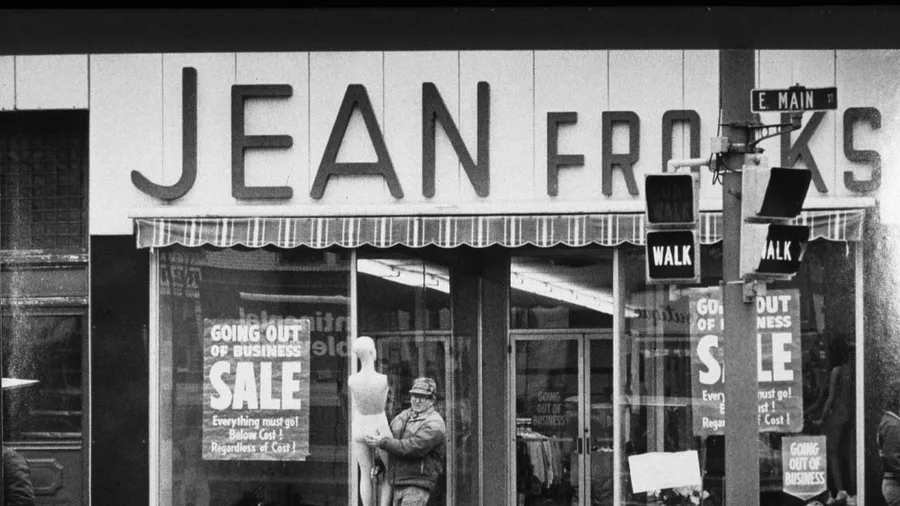
Here’s a story from 30 years ago that would make no sense today. It’s 1992. Pearl Jam’s debut album Ten is selling well. But then MTV puts the music video for their song “Jeremy” in heavy rotation, and the band rockets into superstardom—shows suddenly sold out, fans smashing record store windows, the whole shebang. That’s familiar enough, but what happens next is not. Pearl Jam responds to this hullabaloo by refusing to make music videos for the next five years. They decline photoshoots and interviews. When their producer tells them that their song “Better Man” is a surefire hit, they cut it from their second album.1 Nevertheless, that album sells nearly a million copies in its first week, setting a record. Then it sells six million more, staying at #1 on the Billboard chart for over a month. They say that the past is a foreign country, and reading a Pearl Jam profile from the early 90s, it certainly feels that way. The writer takes for granted that fame is inherently bad. And not just because fans might, say, break into your backstage dressing room and steal your notebooks—which they did—but also because commercial success and artistic integrity are so obviously at odds with one another. Kurt Cobain had mocked the band for catering to the mainstream, and the criticism clearly stung. It was understood that being popular was somehow, paradoxically, uncool, and that Pearl Jam owed everyone assurances that they hadn’t gotten too big for their britches. I am just barely old enough to remember this era, when “selling out” was a bad thing you did with your career, rather than a good thing you do with your stadium tour. Blank Space: A Cultural History of the 21st Century, the book where I first read this story about Pearl Jam, quotes the 90s chronicler Chuck Klosterman: “the concept of ‘selling out’ [...] is the single most nineties aspect of the nineties”. I gained consciousness at about the time that Backstreet Boys, NSYNC, and the Spice Girls gained worldwide fame, and...
Stop eating Lady Gaga's Oreos
Adam Mastroianni
3 min read