


Global Navigation Satellite System (GNSS) spoofing--the transmission of counterfeit signals that trick receivers into reporting false positions or times--poses a growing threat to aviation, maritime shipping, power grids and autonomous systems. While machine learning has improved detection, most models fail when confronted with attack scenarios they have never seen before, because they learn data patterns rather than the underlying physics of real signals. A new approach embeds a fundamental physical law directly into the neural network's training process, enabling the model to detect spoofing with over 92% accuracy--even in completely unfamiliar attack environments.
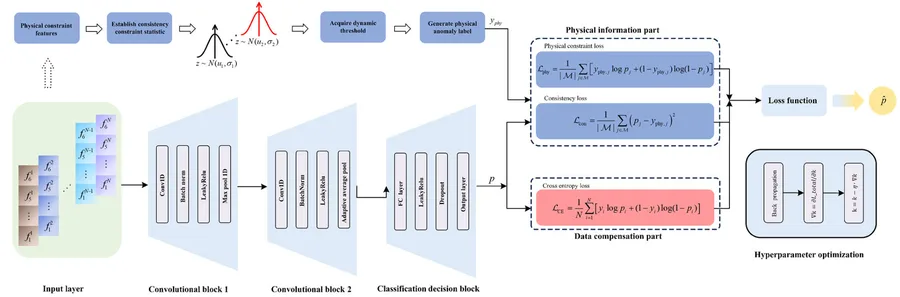
Teaching AI the laws of navigation: New physics guided detector catches GNSS spoofing even in never before seen attacks
Chinese Academy of Sciences