


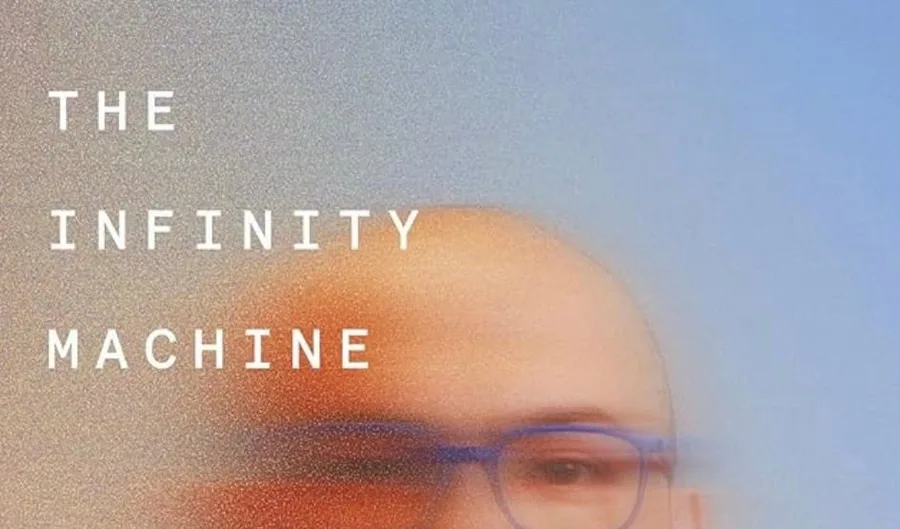
I'm a weird British outlier, on this little island here, and I've made my own path. I've followed my passions and tried to stay true to what I believe in. Demis Hassabis The cover of The Infinity Machine, Sebastian Mallaby’s new biography of DeepMind’s Demis Hassabis, features a blurred portrait of Hassabis. The effect was probably meant to evoke a Star Trek transporter-like dissolving of the human form as human intelligence transforms into a less tangible artificial variety. For anyone familiar with Hassabis though, either through his regular public speaking or interview appearances, or through this book, the image might evoke another response. Hassabis is one of the most important individuals of his, or for that matter any, generation. Founder of one of the world’s foremost AI labs and now leading AI development at Alphabet/Google, creator of many ground-breaking AI models, and now Nobel prize winner in chemistry1 due to his work on AlphaFold. Yet I’d wager though that if you met him in person unaware of his achievements then there is a good chance you’d judge him unremarkable. The opposite of flamboyant - he had a high performance car briefly whilst at University but now drives a modest family car - softly spoken and seemingly lacking the ‘reality distortion field’ that Steve Jobs was able to deploy. Hassabis seems quite strikingly - for want of a better word - normal and, as on the cover of Mallaby’s book, someone who easily blends into the background. Hassabis’s apparent grounded-ness is a central feature of The Infinity Machine. For example, the interviews for the book, as Mallaby repeatedly emphasises, mostly seem to take place at a cosy pub in North London close to Hassabis’s family home. There is a reason for this of course: to contrast Hassabis with his rivals Elon Musk and, most notably, Sam Altman of OpenAI. Both outsized personalities with seemingly infinite egos. The release of Mallaby’s book could not have been better timed to make the most of this...
The Infinity Man
Babbage
8 min read