


Summer in Chicago brings longer days, outdoor activities, and warm weather perfect for time at the lakefront or your favorite patio. But while sunshine has its perks, prolonged exposure to ultraviolet (UV) rays can significantly harm your skin and increase your risk of skin cancer, sunburn, and premature aging. Whether you're heading to the beach or just running errands, proper sun protection should be part of your daily routine. In this guide, we’ll break down how to safely enjoy the sun—day-to-day and during prolonged exposure. Why Sun Protection Is Critical Year-Round—Especially in Summer UV radiation from the sun is strongest between 10 a.m. and 4 p.m., and it can cause: Sunburns – painful damage to the skin’s outer layers Skin aging – wrinkles, fine lines, and sunspots Eye damage – increased risk of cataracts and macular degeneration Skin cancer – including melanoma, the most dangerous form Chicago summers are especially deceiving, as breezes off Lake Michigan can make you feel cool even when UV levels are high. That’s why it’s essential to practice proactive protection. Daily Sun Protection Tips for Everyday Activities Even when you're not spending hours in direct sunlight, UV rays are still present and can damage your skin. Here’s how to incorporate protection into your everyday routine: 1. Use a Broad-Spectrum Sunscreen Daily Choose a sunscreen labeled "broad-spectrum" with SPF 30 or higher , which protects against both UVA (aging) and UVB (burning) rays. Apply: 15–30 minutes before heading outside To all exposed skin (including ears, neck, and hands) Reapply every 2 hours , or more often if sweating or wiping your face Tip: Use a tinted mineral sunscreen for added protection and coverage, especially on your face. 2. Make Sunblock a Morning Habit Just like brushing your teeth, apply sunscreen each morning—even if it’s cloudy. Up to 80% of UV rays can pass through clouds. 3. Wear Sun-Protective Clothing Invest in UPF-rated (Ultraviolet Protection Factor) clothing. Great options include: Lightweight long-sleeve shirts Wide-brimmed hats UV-blocking sunglasses Brands like Coolibar or Columbia Omni-Shade offer great everyday wear that keeps you cool and covered. 4. Use Protective Accessories Sunglasses with UV protection Hats with a wide brim (avoid baseball caps that leave your neck exposed) UV umbrellas for midday walks or events 5. Check the UV Index Use a weather app or visit EPA’s UV Index site to know how strong the sun will be that day and plan accordingly. A UV index of 6 or higher means extra caution is needed. Sun Safety for Extended Exposure: Beach Days, Lake Trips & Outdoor Events Spending hours outdoors requires next-level sun protection. Here’s your action plan for high-exposure days: 1. Apply and Reapply Sunscreen Correctly For extended sun exposure: Use water-resistant, broad-spectrum SPF 50+ Apply at least 1 oz (about a shot glass full) to cover your body Reapply every 2 hours , or every 40–80 minutes if swimming or sweating Pro Tip: Set an alarm on your phone to remind you to reapply. 2. Don’t Forget Easy-to-Miss Areas Apply sunscreen to: Tops of feet Behind ears Under swimsuit straps Back of hands Scalp (or wear a hat) Spray sunscreens can help with hard-to-reach spots, but always rub them in for full coverage. 3. Stay in the Shade Bring a beach umbrella , pop-up tent , or canopy when possible. Try to take breaks in shaded areas, especially during peak UV hours. 4. Wear Rash Guards and Swim Shirts These UPF-rated swimwear items can significantly reduce sun exposure without needing constant sunscreen reapplication. Many rash guards come in stylish, breathable designs suitable for both kids and adults. 5. Hydrate Continuously Sun exposure can lead to dehydration, which worsens the effects of heat and increases the risk of sunstroke. Drink at least 8 ounces of water every hour when in the sun. Sunburn? Here’s What to Do Despite your best efforts, sometimes sunburn happens. Here’s how to recover safely: Get out of the sun immediately Apply aloe vera or over-the-counter burn relief gels Drink water to rehydrate Avoid further sun exposure until the skin heals Don’t peel or pick at the skin If the sunburn is severe—blistering, causing fever, or covering a large area—seek medical attention. Common Sun Protection Mistakes to Avoid Even well-meaning routines can have gaps. Avoid these common missteps: Applying sunscreen only once in the morning Forgetting overcast days still need sun protection Using expired sunscreen (check the date) Wearing makeup with SPF as your only protection Relying on car windows for UV protection (UVA rays still penetrate glass) Best Sunscreens for Daily & Extended Use ProductBest ForNotes EltaMD UV Clear SPF 46 Daily face useLightweight, great for sensitive skin Neutrogena Ultra Sheer SPF 55 All-day body useWater-resistant, non-greasy Blue Lizard Sensitive SPF 50+ Extended sun exposureMineral-based, very water-resistant Supergoop! Unseen Sunscreen SPF 40 Under makeupInvisible, smooth matte finish Thinkbaby SPF 50+ Kids and sensitive skinNon-toxic, great for the whole family A Note on Vitamin D and Sunlight While some sun exposure is necessary for vitamin D production , you don’t need much. 10–15 minutes a few times per week on unprotected skin (like your arms) can be enough for most people. If you're concerned about vitamin D levels, consider getting tested or taking a supplement— don’t skip sunscreen to get your dose. Conclusion: Smart Sun Habits = Lifelong Skin Health Sun protection doesn’t have to be complicated—it’s all about building good daily habits and knowing how to scale up for long days outside. At Chicago Spine & Sports , we care about your overall wellness, and that includes your skin. Sun damage is preventable, and with the right strategies, you can enjoy every summer activity safely and confidently.
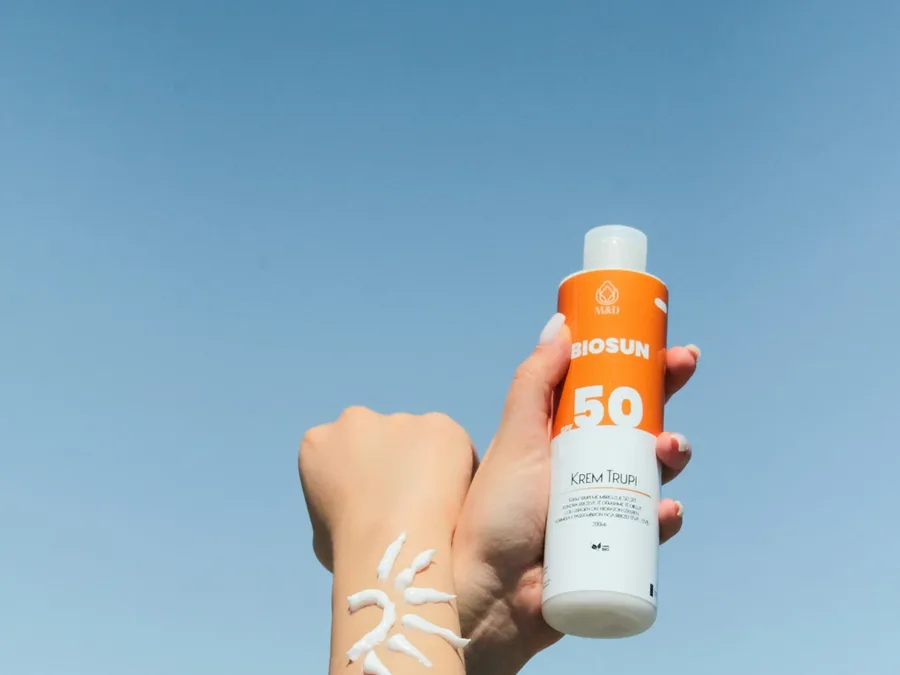
Tips to Properly Protect Yourself from the Sun During Summer
Guest User