


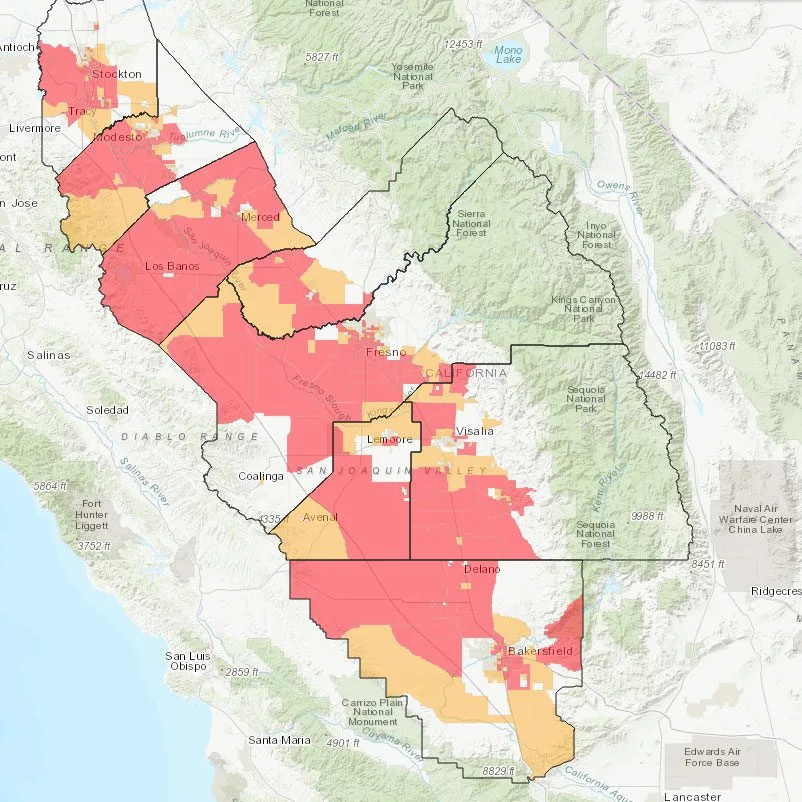
Last week, the Ninth Circuit decided Committee for a Better Arvin v. EPA, which is both a significant air pollution case and an interesting case study in how the Supreme Court has changed judicial review of agency actions. Applying what it considered to be the best interpretation of an ambiguous statute, the Court required tougher air pollution controls for the San Joaquin Valley. The dissent argued that the decision would be a disaster in terms of policy. But is that even relevant under the Loper Bright ruling?
Interpreting the Clean Air Act After Chevron’s Demise
Dan Farber