


Physics-informed neural networks (PINNs) have shown remarkable prospects in solving forward and inverse problems involving partial differential equations (PDEs). But they often stumble when collocation points are distributed unevenly, a common feature of real simulations in which complex regions need denser sampling than simpler ones.
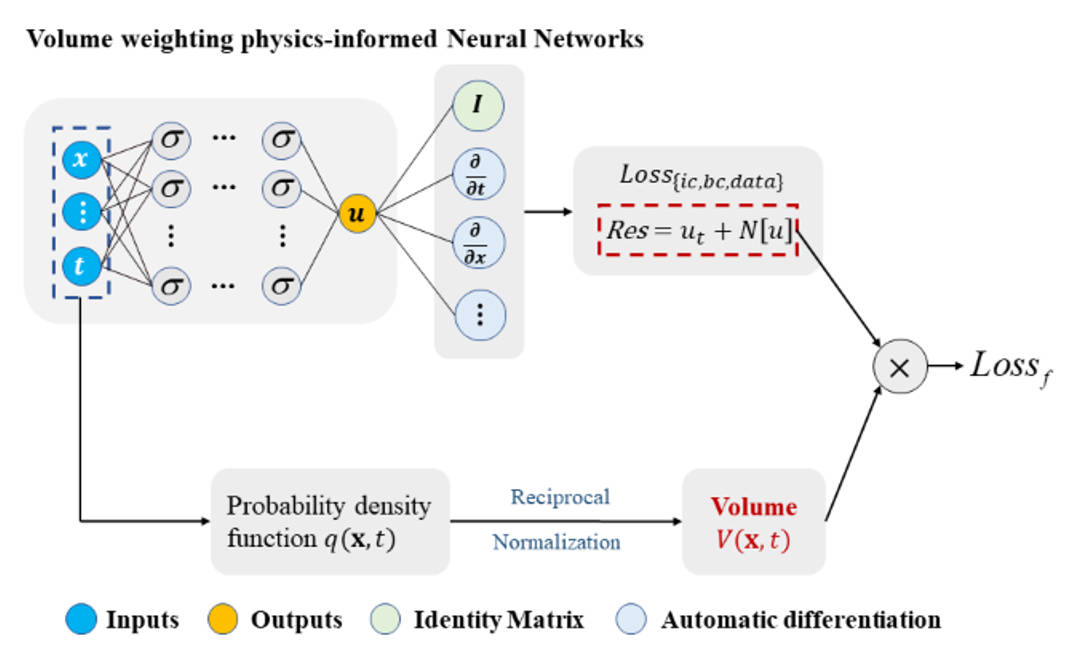
Teaching Neural Networks Where Errors Matter
Chinese Academy of Sciences